

Oak Jointed Stool
An oak jointed stool brings centuries of solid English joinery and sturdy timber into a room.
Oak Jointed Stool
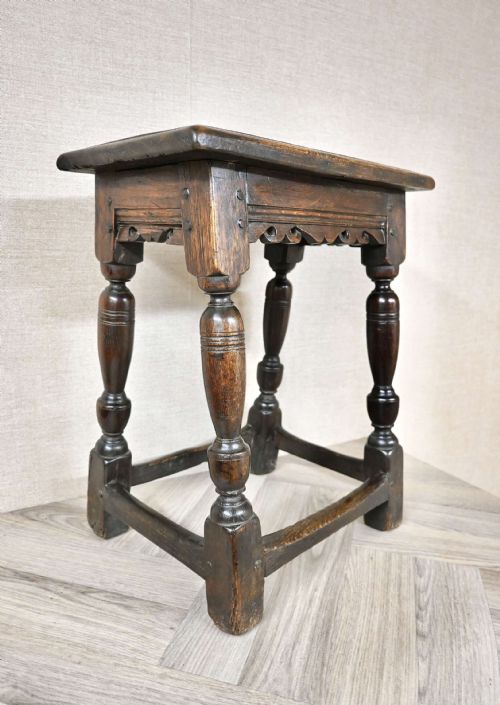
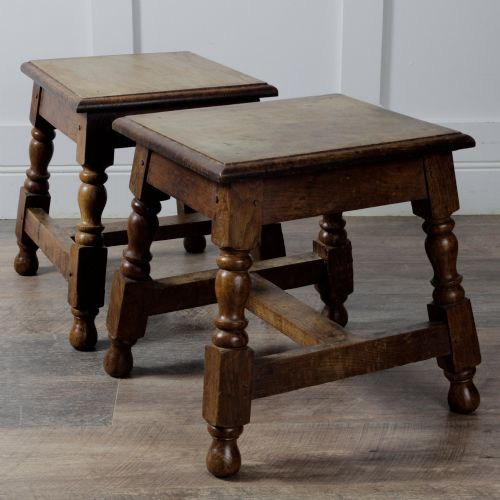
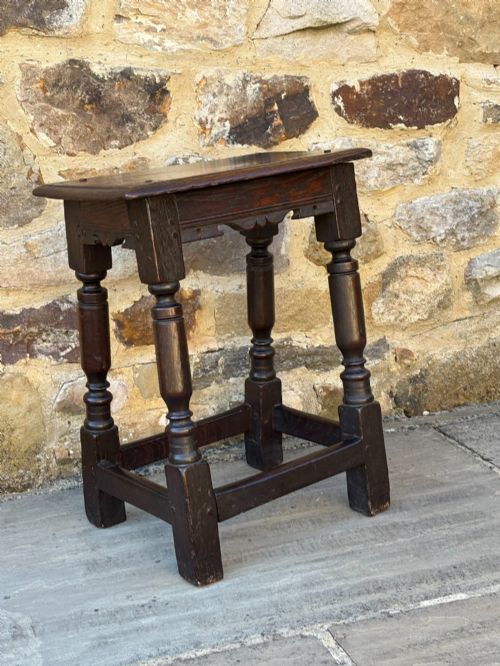
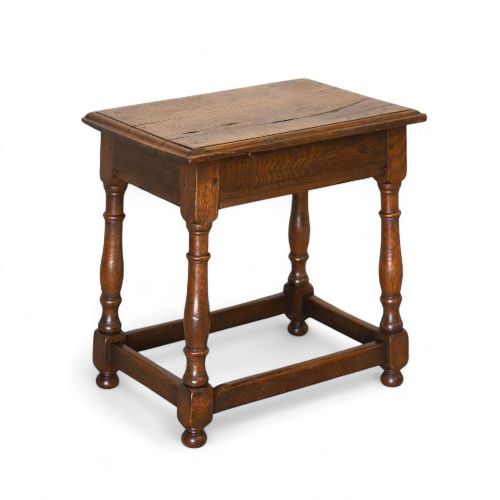
When you search for an oak jointed stool, you encounter robust seating built with pegged mortise and tenon joinery rather than metal nails or screws. The pieces seen here span from genuine seventeenth-century examples to later revival pieces from the nineteenth and twentieth centuries.
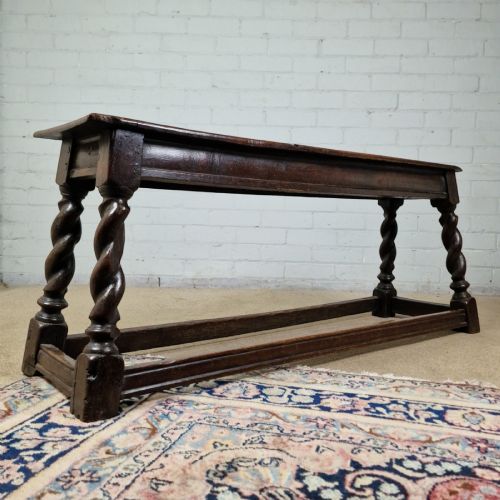
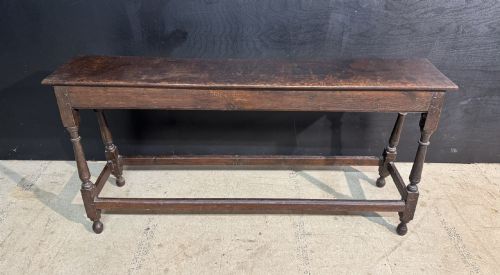
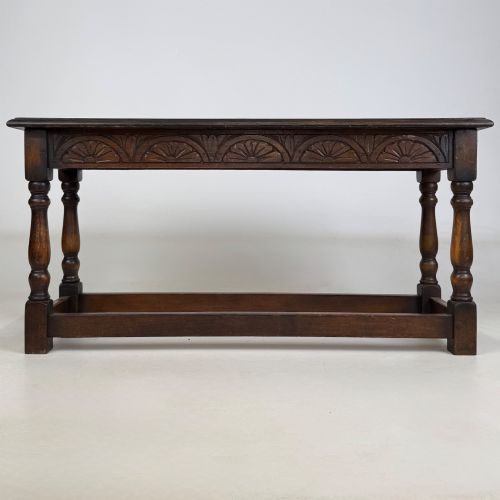
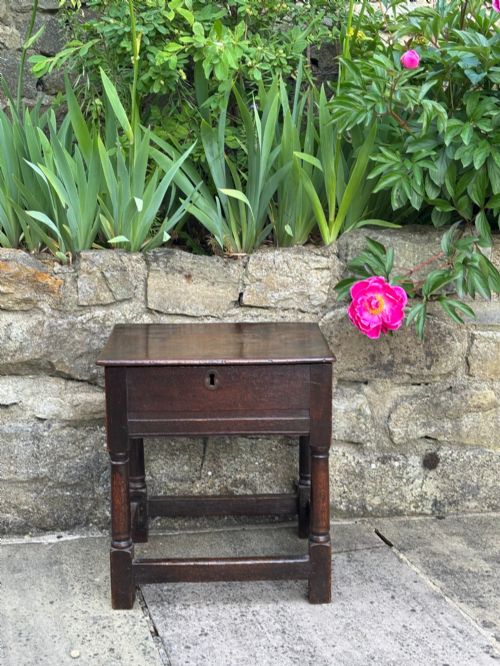
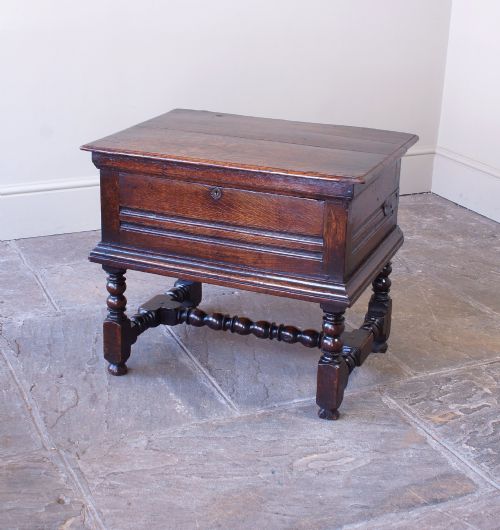
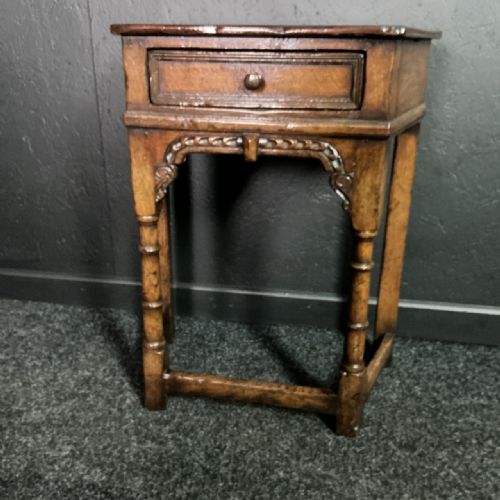
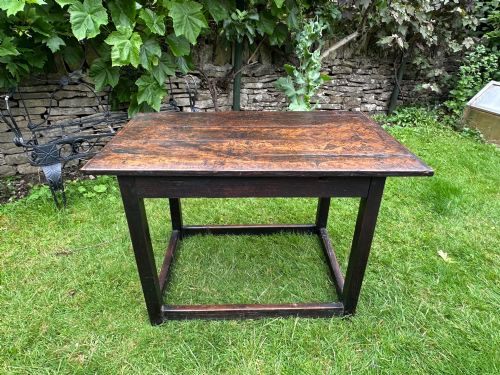
Most entries follow traditional forms such as rectangular joint stools, box stools, and occasional benches. These items function equally well as low side tables or small stands in a traditional interior.
The materials reflect domestic English woodlands, dominated by solid oak alongside secondary timbers like elm and yew wood. Provincial examples often show regional quirks in their turning and plank thickness.
How they were made
Joiners constructed these pieces using seasoned English oak, frequently pairing it with elm for plank tops or occasional timber variations. Pegged construction ensured the frame remained rigid under heavy domestic use without relying on iron brackets.
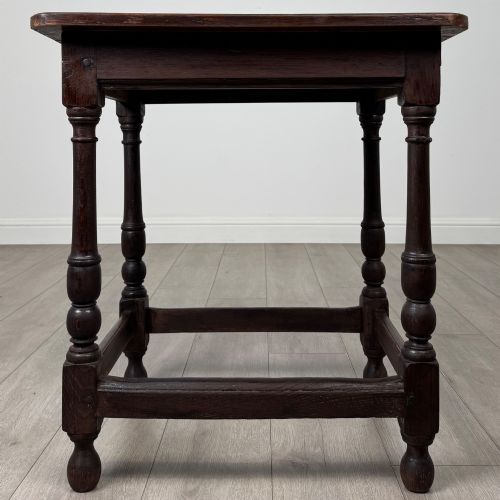
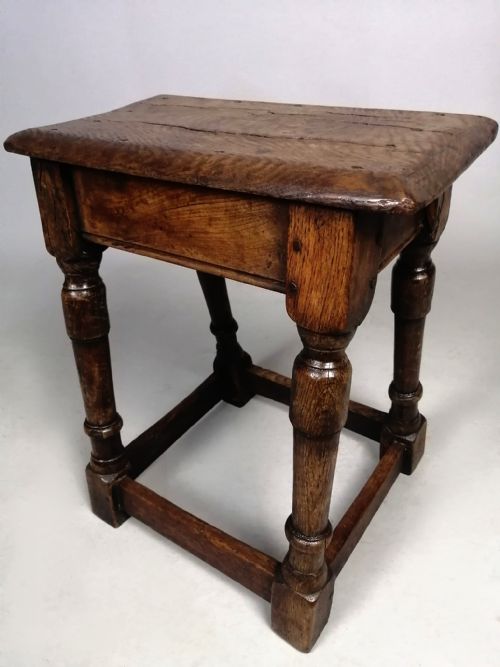
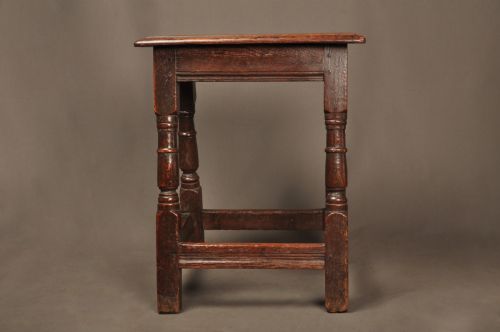
Turned legs, often featuring straightforward bobbin or baluster profiles, connected firmly to heavy side rails via tight joints. Master craftsmen shaped the wood using hand tools, leaving subtle surface tool marks that remain visible today.
Listings feature periods ranging from the seventeenth century through to Edwardian and 1920s revival pieces, constructed primarily in solid oak with occasional elm and yew.
What varies in quality
The distinction between a standard piece and a superior one rests upon the integrity of the original timbers and the crispness of any carved detail. Untouched surfaces displaying deep, rich colour and minimal timber replacement command greater appreciation.
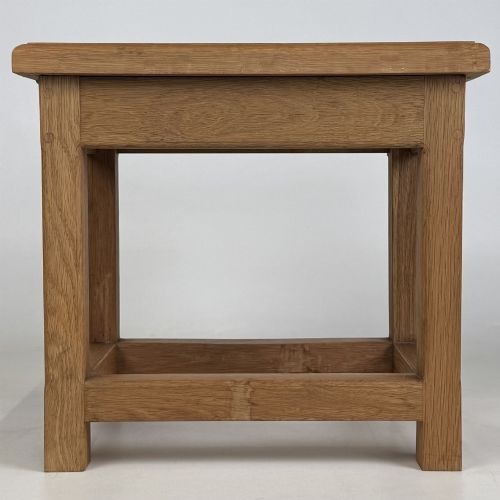
Proportion and stance dictate the visual appeal of an individual stool, where well-balanced stretchers and straight legs maintain structural harmony. Later revival pieces vary widely depending on whether the maker followed authentic seventeenth-century proportions closely.
The Oak Jointed Stool Glossary
- Joint stool
- A sturdy wooden stool constructed with pegged joints by a joiner rather than a general carpenter. These pieces typically feature four vertically splayed legs united by stretchers near the base.
- Box stool
- A variant form incorporating a lidded compartment beneath the seat for storing small household items. They occasionally doubled as close stools.
- Pegged construction
- A method of securing joints by driving wooden pins through mortised timbers. This technique accommodates natural wood movement without loosening the frame.
- Plank top
- A solid wooden surface composed of one or more thick boards joined edge to edge. These tops often show deep shrinkage splits and rich surface patination.
- Jacobean style
- A decorative aesthetic associated with early seventeenth-century design, characterised by geometric mouldings and strapwork carving. Revival versions appeared frequently during the nineteenth and twentieth centuries.
Oak Jointed Stool: Frequently Asked Questions
What is an oak jointed stool?
An oak jointed stool is a rigid, four-legged seat assembled using traditional pegged mortise and tenon joints. Carpenters built them to withstand heavy daily use in early homes.
Over the centuries, these items shifted from utilitarian seating to decorative small tables and stands. Their compact footprints make them versatile additions to modern rooms.
How were these stools used originally?
In seventeenth-century households, joint stools served primarily as seating around the dining table for family members of standing. They also functioned as portable platforms for reaching high shelves or holding lanterns.
Later periods saw them repurposed as window seats, bedside stands, or low display tables. Their flat tops make them practical for resting small objects today.
How do I tell an old one from a revival?
Early pieces display genuine timber shrinkage, hand-cut peg ends, and distinct surface wear accumulated over centuries. The grain patination on seventeenth-century oak develops a deep, mellow tone that modern finishing struggles to replicate.
Nineteenth and twentieth-century revival pieces often feature machine-cut tool marks or standardised turning patterns. Examining the underside and the fit of the joints reveals the age of the construction.
Can I use a joint stool as a side table?
These sturdy frames provide stable surfaces that suit lamps, books, or drinks perfectly. Their modest height aligns well with standard seating heights.
Placing a vintage stool beside a modern sofa introduces warmth and historic texture to a room. The durable oak construction handles everyday utilitarian tasks without trouble.