



Oak Accent Stool
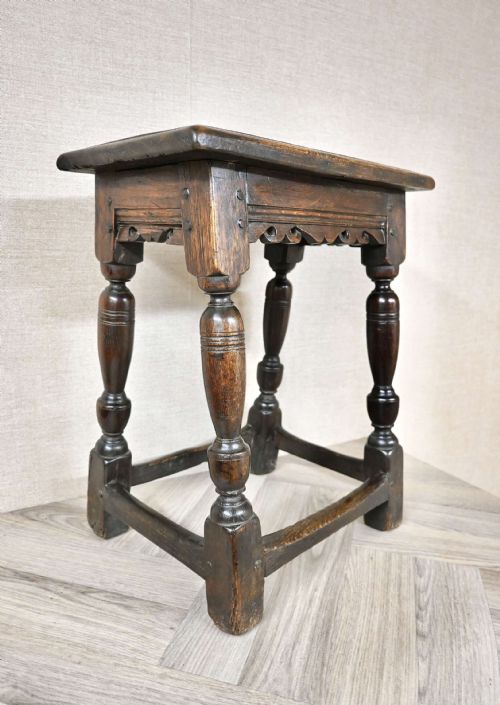
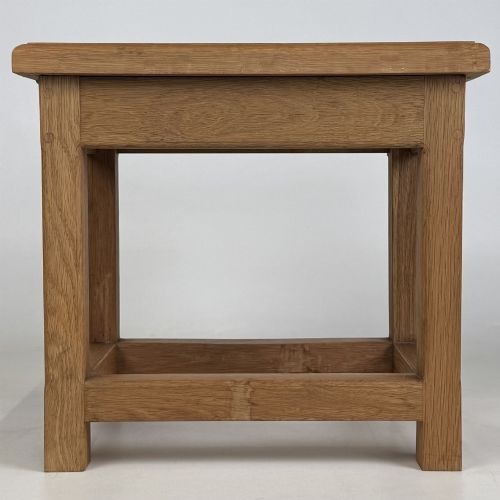
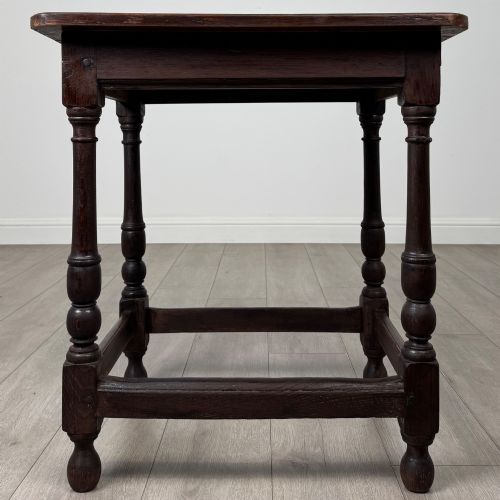
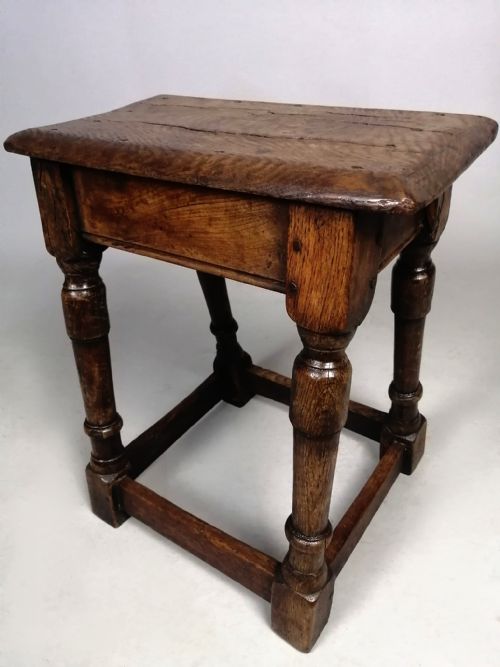
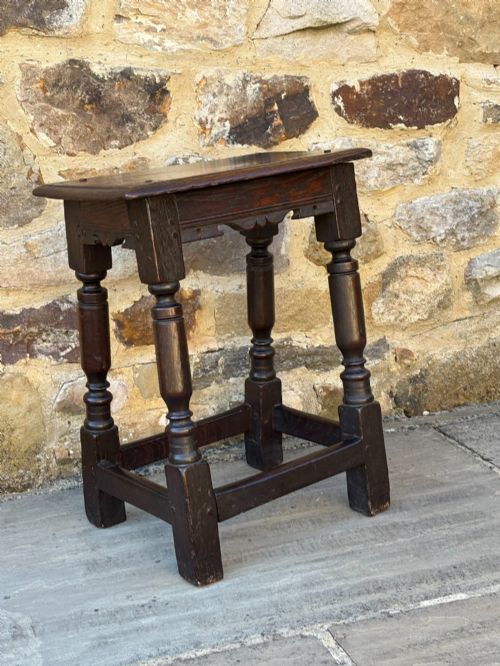
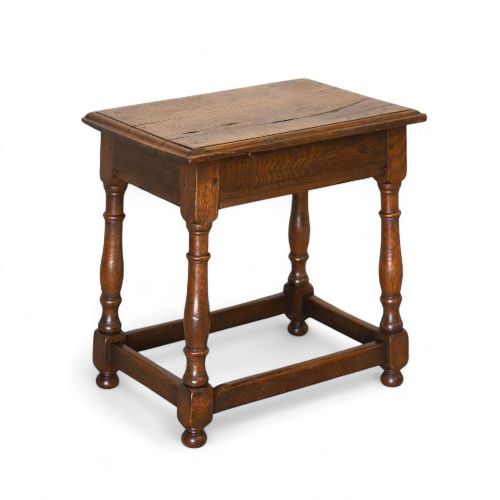
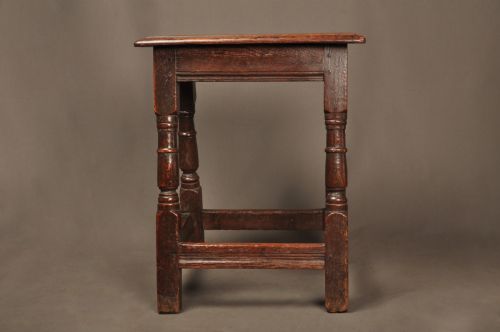
An oak accent stool is a compact, sturdy piece of seating that brings rustic character to a corner, most often seen here as a traditional joint stool.
Oak Accent Stool
When you search for an oak accent stool, you are looking at solid timber seating that bridges the gap between domestic utility and decorative antiquity. These pieces range from early seventeenth-century provincial examples to later revival interpretations made in the nineteenth and twentieth centuries.
Origins stretch across English provincial workshops, drawing on stylistic traditions such as Jacobean, Gothic Revival, and Arts and Crafts design. Their compact scale makes them adaptable for modern rooms as small side tables or low seats.
How they were made
These stools rely primarily on solid oak, frequently paired with secondary woods like elm and ash for seats or structural supports. Joiners utilised traditional peg construction, securing mortise and tenon joints by hand without metal fixings.
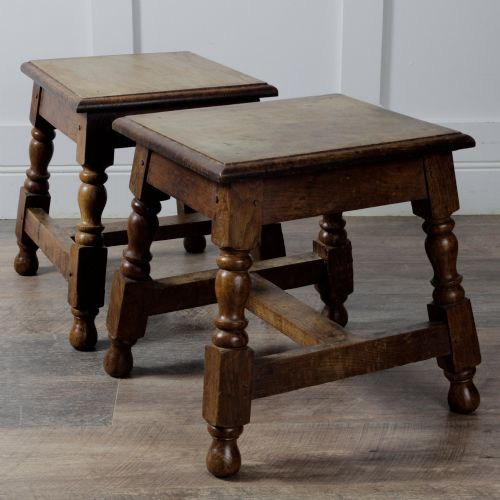
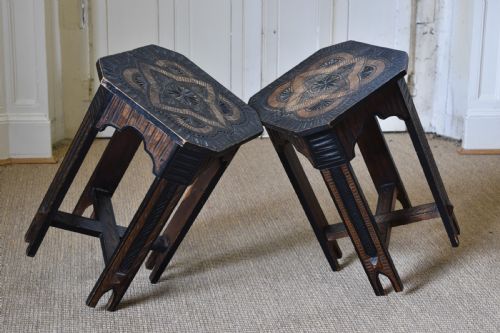
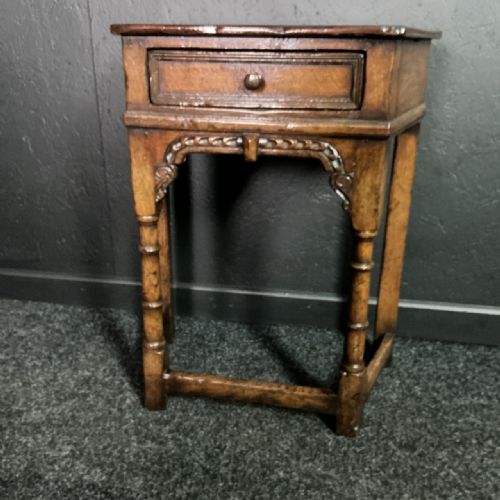
Surface ornamentation on better pieces includes chip carving, bobbin turning, and gothic tracery applied directly to the timber. Finished surfaces often display the rich natural grain of the wood, enhanced by centuries of handling and polishing.
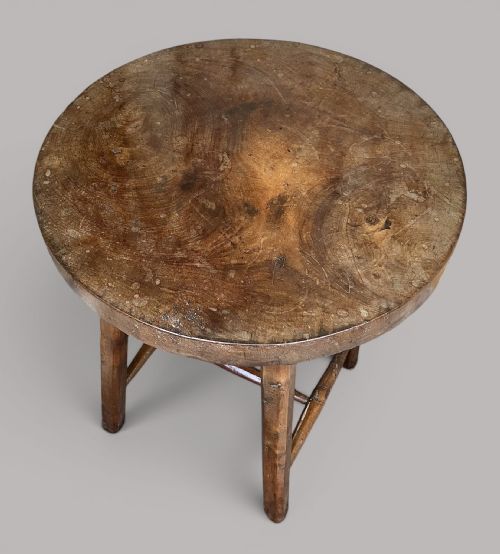
Object forms include joint stools, cricket tables, lowboys, and sgabello chairs.
What varies in quality
Quality in these pieces depends heavily on the integrity of the original timber and the degree of later alteration. Pieces retaining their early pegged frame without extensive timber replacement stand at the top of the range.
The depth of the carving and the richness of the natural colour in the oak dictate visual distinction. Provincial examples show varying degrees of hand-carved execution, from simple chamfered edges to intricate chip-carved friezes.
The Oak Accent Stool Glossary
- Joint stool
- A sturdy, post-construction timber stool built with pegged mortise and tenon joints. They were originally used for sitting or carving meat at the table.
- Lowboy
- A small oak table with one or more drawers, originating in the seventeenth or eighteenth century. These low tables frequently function today as compact accent pieces.
- Bobbin turned
- A type of furniture leg or stretcher shaped on a lathe to resemble a series of rounded bobbins or spools. This decorative turning is typical of late seventeenth-century and revival pieces.
- Chip carved
- A style of surface decoration created by chipping away small triangles of wood from the solid surface to form geometric patterns. It appears frequently on provincial seventeenth-century and later revival panels.
Oak Accent Stool: Frequently Asked Questions
What is an oak joint stool?
A joint stool is a heavy, solid timber seat constructed by joiners using pegged mortise and tenon joints. The name derives from the joined woodwork technique rather than any metal hinges.
Historically, these pieces served multiple domestic purposes around the home, acting as seats, small serving tables, or portable steps. Today they function primarily as accent stools or compact side tables.
How do I date an antique oak stool?
Dating relies on examining the construction marks, timber shrinkage, and tool signatures left by the maker. Hand-split oak boards and pegged joints often indicate seventeenth-century or provincial craftsmanship.
Later revival pieces from the nineteenth and twentieth centuries typically display machine-sawn timber and more uniform surface wear. Comparing the style of turning and carving to known period examples helps narrow the decade.
Can I use these stools as side tables?
Their flat, solid timber tops make these stools ideal for use as small side tables or bedside stands. Their sturdy frame supports lamps, books, and decorative objects easily.
Placing an antique stool in a modern room adds tactile warmth and historic contrast without taking up significant floor space.
What woods were used besides oak?
While oak forms the primary structural frame for the majority of these listings, makers frequently paired it with secondary timbers. Elm and ash appear frequently for seats and turned legs due to their strength and resistance to splitting.
Selected pieces also incorporate walnut, pollard oak, or yew wood for decorative top surfaces and contrasting grain patterns.