
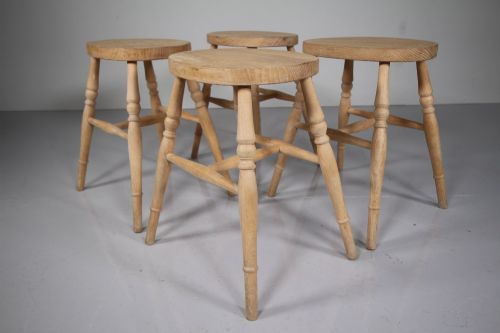
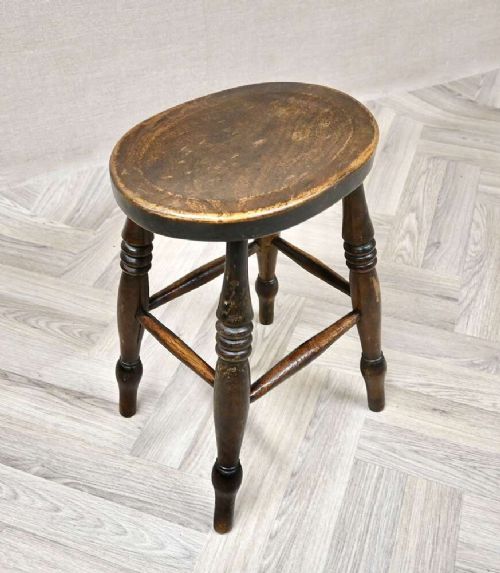
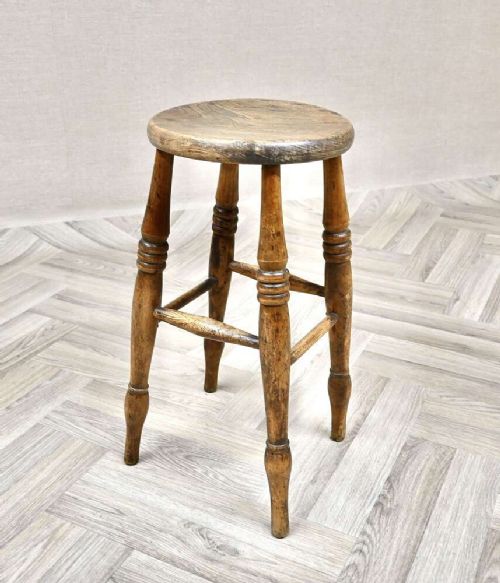
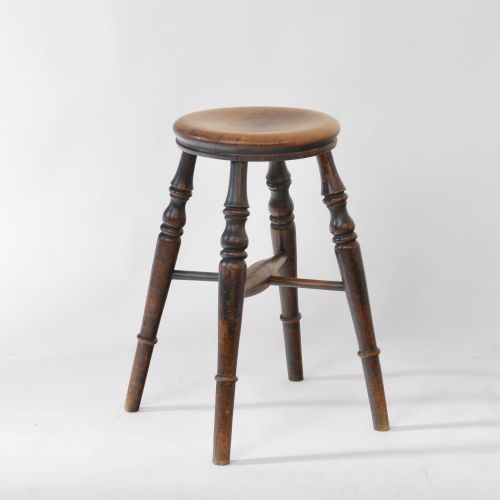
Antique Oak Stools
These antique oak stools bring centuries of solid timber craftsmanship and honest utility straight into modern rooms.
Antique Oak Stools
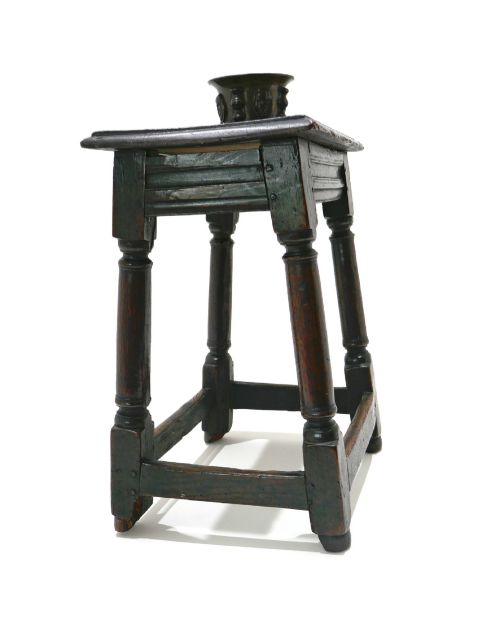
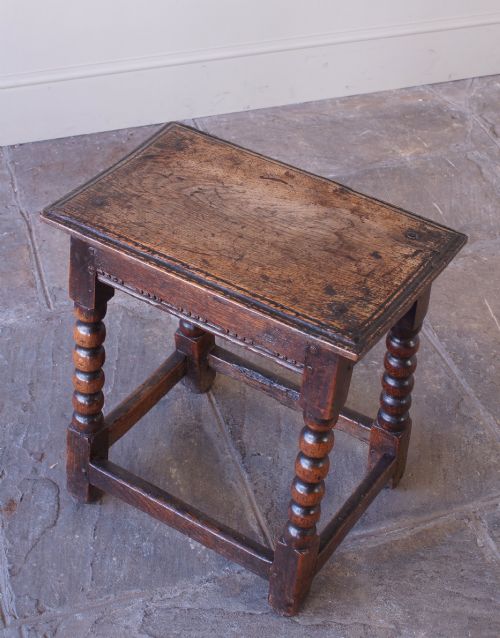
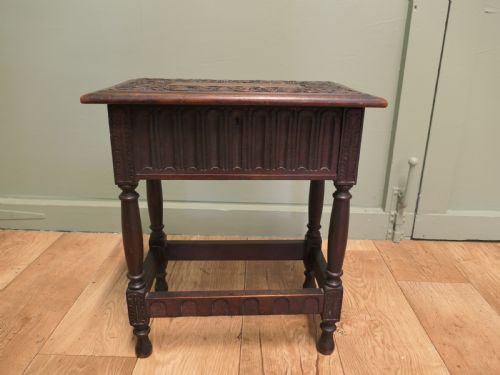
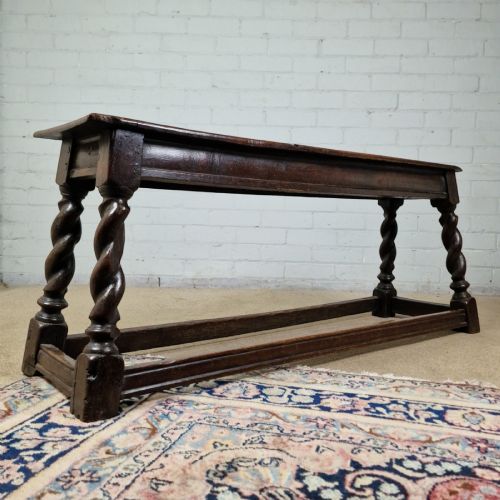
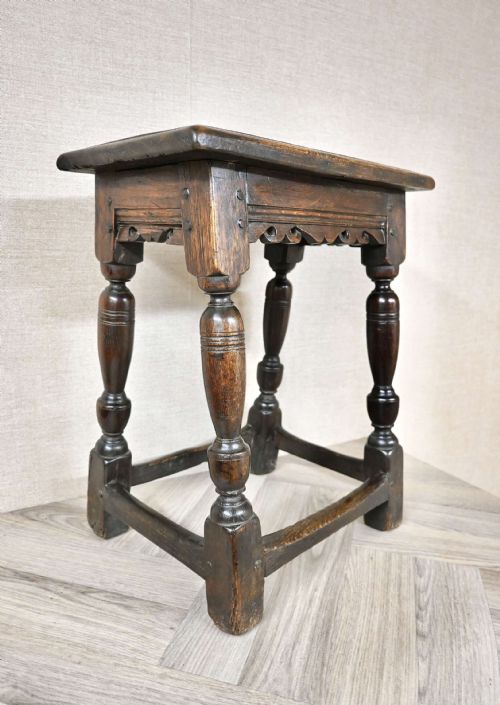
When buyers search for antique oak stools, they encounter a range of forms spanning from seventeenth-century joint stools to nineteenth-century tavern benches and industrial seating. The most common examples on this page are seventeenth-century joint stools and nineteenth-century vernacular seating.
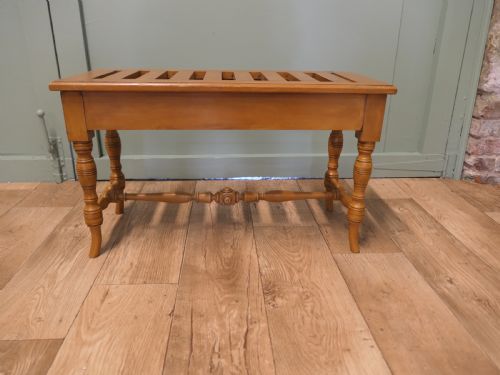
The selection extends across multiple eras including the seventeenth, eighteenth, and nineteenth centuries, alongside Edwardian and later pieces. Alongside traditional seating, related forms such as luggage racks, footstools, and library steps appear frequently.
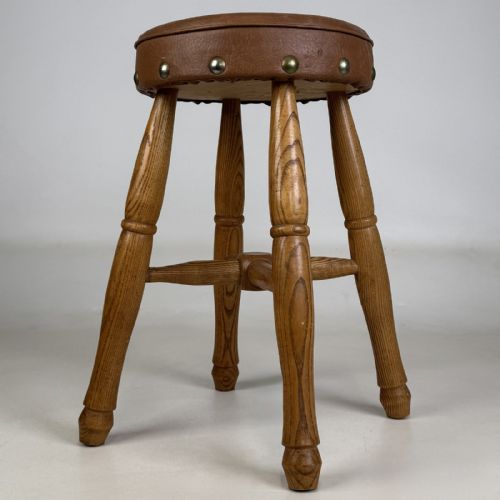
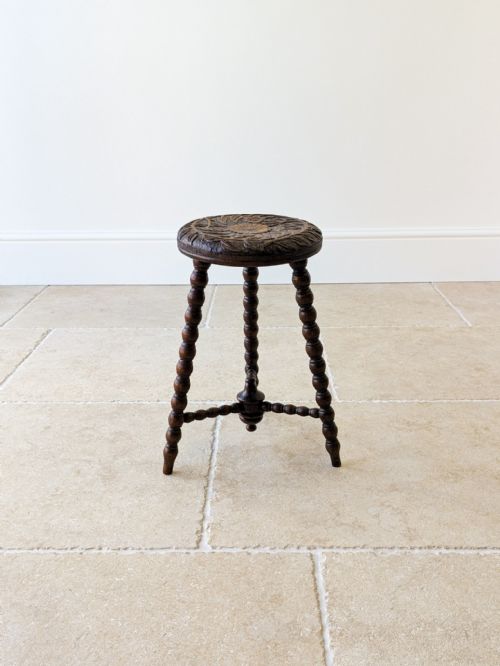
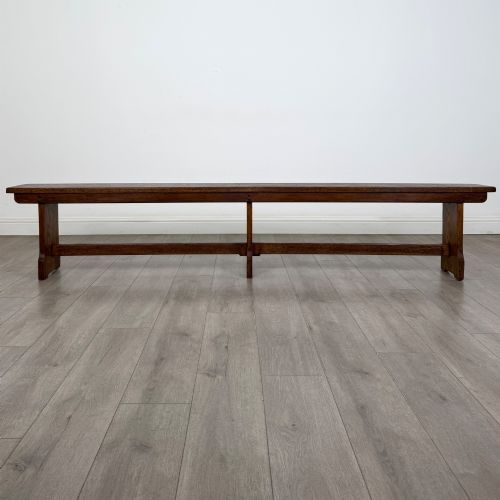
Regional styles range from English country and rustic vernacular to Jacobean, Georgian, and Arts and Crafts designs. Pieces take varied forms, from simple tripod stools and clerk's seating to long tavern benches and close stools.
Materials and construction
Makers relied primarily on solid oak, often supplemented with elm, ash, beech, and sycamore for specific components like seats and splayed hedgerow legs. Iron and brass hardware, including blacksmith repairs and hinges, provide structural reinforcement.
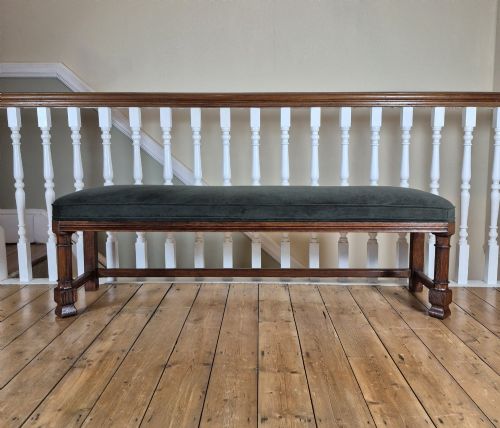
Traditional joinery defines the earlier pieces, utilising pegged joints and joined construction rather than modern adhesives. Later vernacular and industrial items incorporate turned supports, carved detailing, and occasionally upholstery in fabric or green linen.
Listings feature oak alongside elm, sycamore, and beech, spanning periods from the seventeenth century through the Edwardian era.
Assessing quality and character
Quality rests in the integrity of the timber, the honesty of the construction, and the survival of original surfaces. Early joined examples show superior hand-craftsmanship in pegged framing and timber selection.
Wear patterns, blacksmith repairs, and patination distinguish genuine vernacular pieces from later reproductions. The harmony between original wooden elements and any structural metalwork determines the lasting presence of each piece.
Arthur Simpson Of Kendal
The Antique Oak Stools Glossary
- Joint stool
- A sturdy wooden stool constructed with mortise and tenon joints, common in the seventeenth century. These pieces were frequently used for seating or as small side tables.
- Vernacular
- Everyday furniture made by local craftsmen using regional timbers rather than following strict high-style metropolitan designs. These objects prioritize utility and local tradition.
- Carolean
- The art and furniture style associated with the reign of King Charles II during the late seventeenth century. Pieces from this period often display baroque forms and carved ornamentation.
- Metamorphic
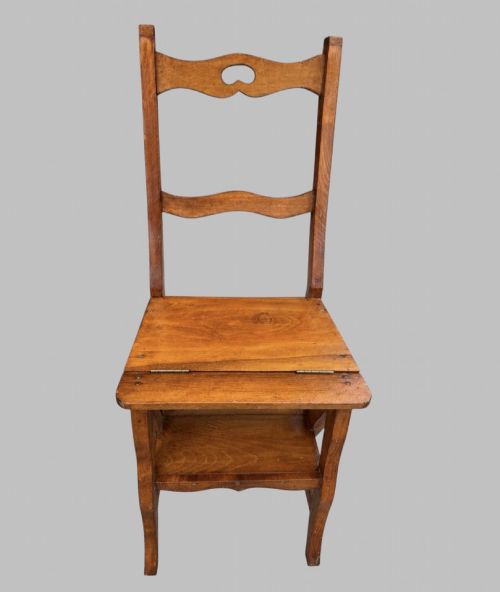
- Furniture designed to transform into another object, such as a chair that converts into library steps. This ingenious engineering was popular in the nineteenth and early twentieth centuries.
- Close stool
- An early form of indoor sanitary furniture disguised as a small cabinet or chest. These enclosed wooden pieces often feature a hinged top and internal compartment.
Antique Oak Stools: Frequently Asked Questions
What is an antique joint stool?
A joint stool is a solid wooden seat built with pegged mortise and tenon joinery rather than turned legs alone. The term derives from joined timber construction.
These sturdy items served multiple domestic purposes in early households, functioning as seats, small tables, and platforms for heavy household tasks.
How do I use an antique oak stool today?
These versatile pieces suit modern interiors as bedside tables, extra seating, or display stands for plants and objects. Their compact footprints make them practical for smaller spaces.
Placing them in hallways or living rooms introduces historical texture and functional surface area without dominating the room.
How can I tell a seventeenth-century stool from a later copy?
Seventeenth-century examples display authentic tool marks, hand-carved details, and pegged joints that show natural timber shrinkage over centuries. The grain patination develops deep warmth through prolonged handling.
Later reproductions often lack the organic wear patterns and structural logic found in genuine period pieces.
What are tavern and pub stools?
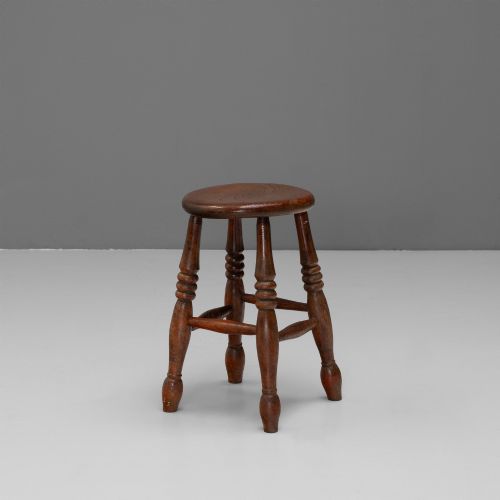
Tavern and pub stools are utilitarian seating pieces designed for commercial drinking establishments during the eighteenth and nineteenth centuries. They often feature dished wooden seats and sturdy splayed legs for stability on uneven floors.
These hardworking items show robust construction intended to withstand heavy daily use in public houses.