

Brown Walnut Bureau Cabinet
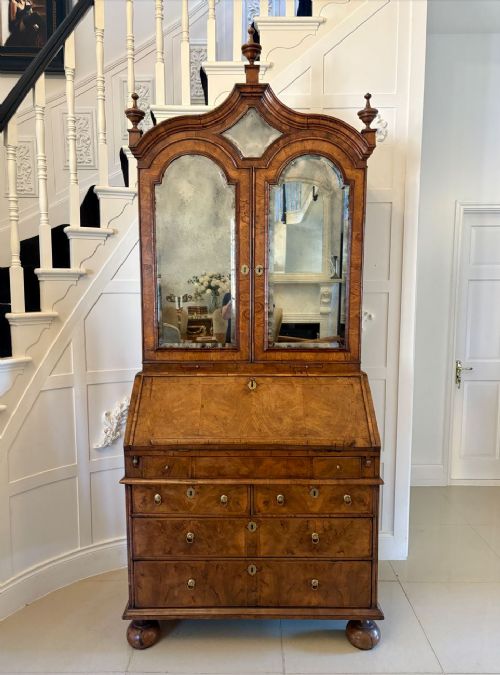
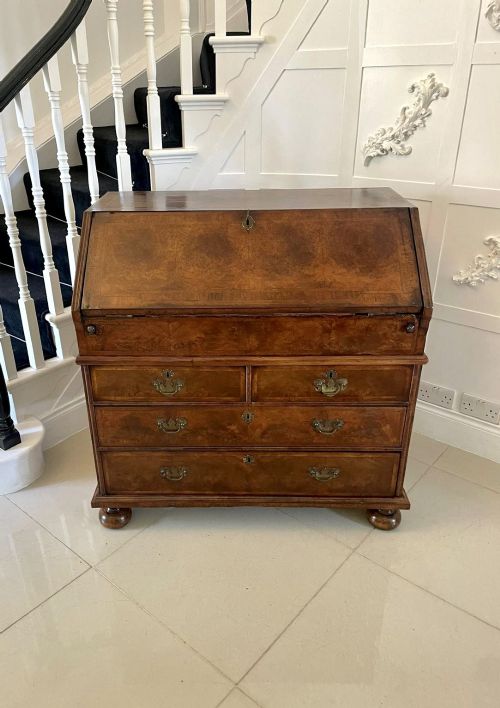
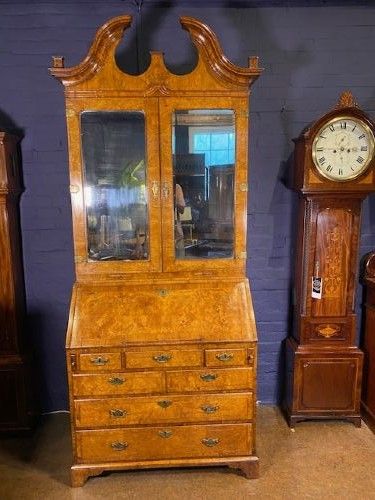
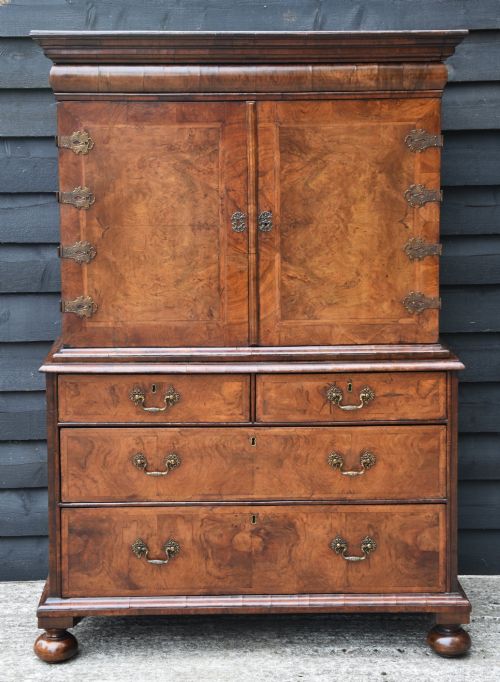
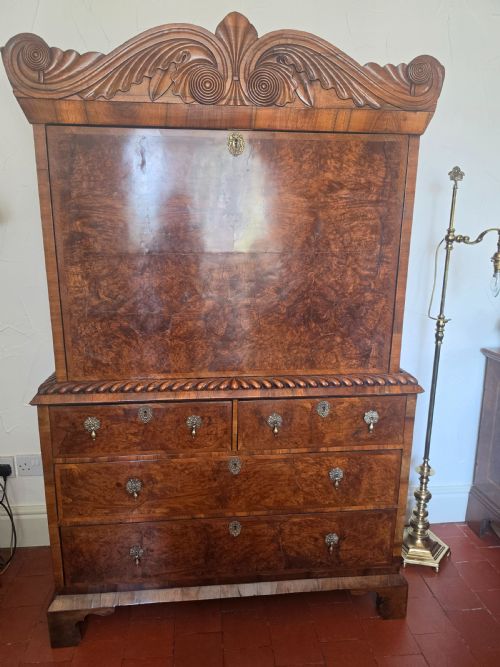
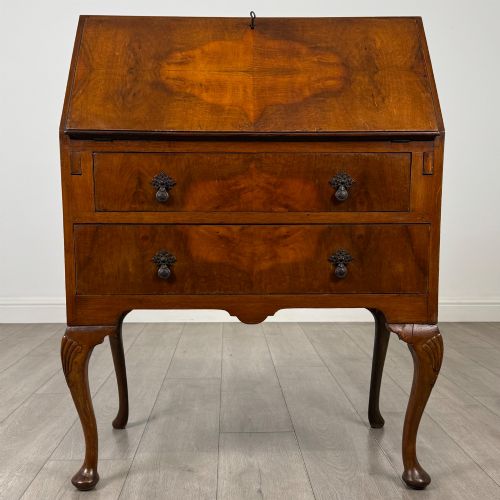
A brown walnut bureau cabinet is a formidable piece of case furniture combining a slant-front desk with shelving or display space above.
Brown Walnut Bureau Cabinet
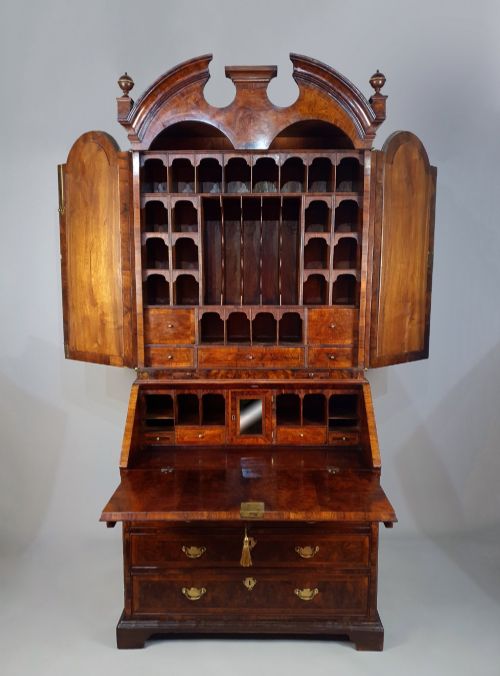
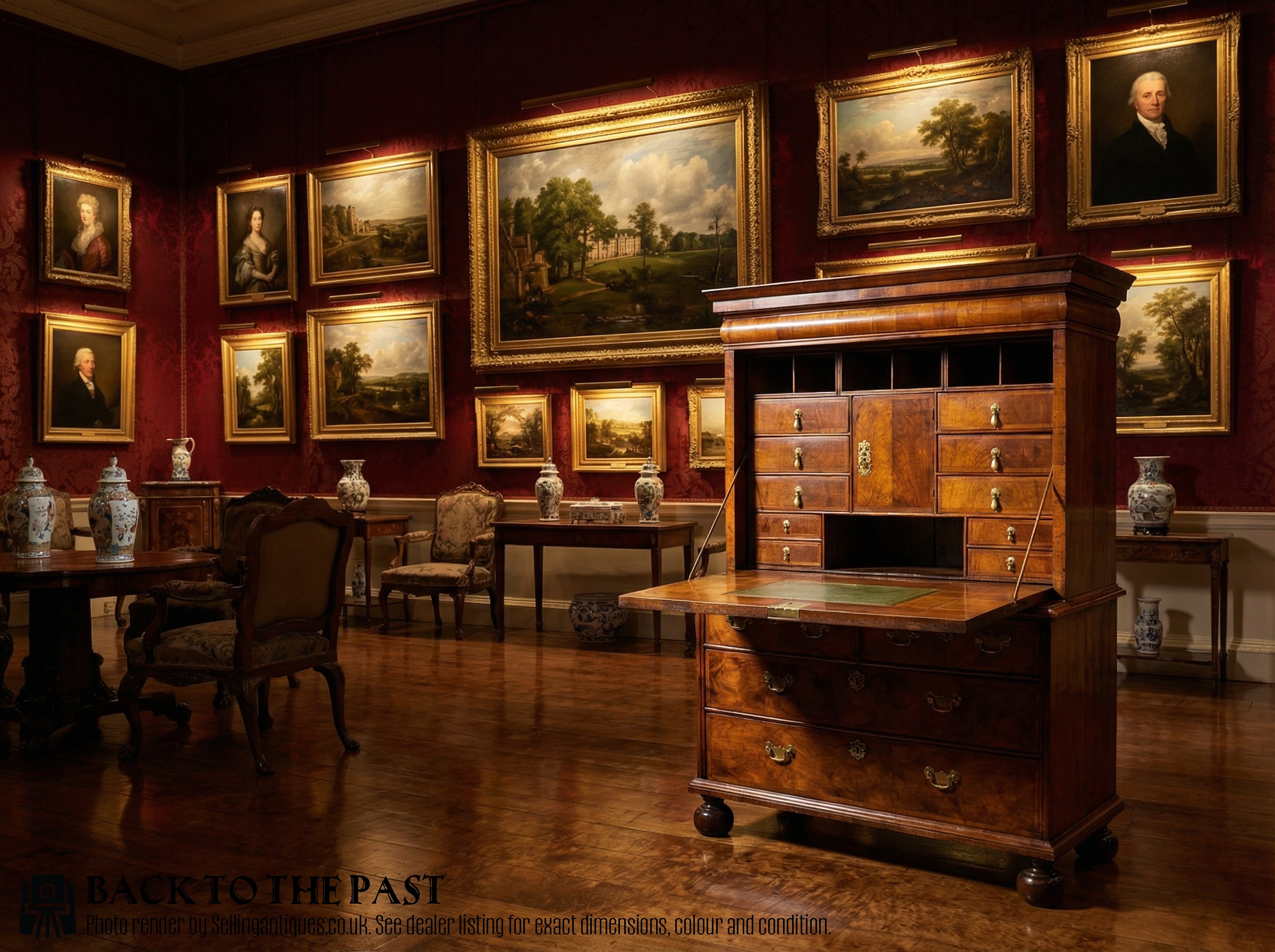
A brown walnut bureau cabinet pairs a lower writing compartment fitted with a fall-front flap and internal drawers with an upper bookcase or display section. These dual-purpose forms emerge in seventeenth-century workshops and persist through Georgian, Victorian, and Edwardian eras.
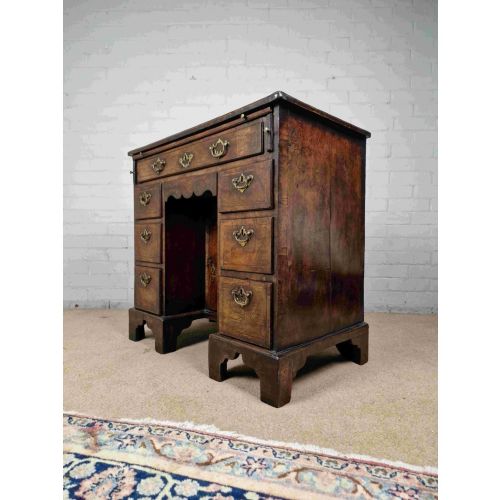
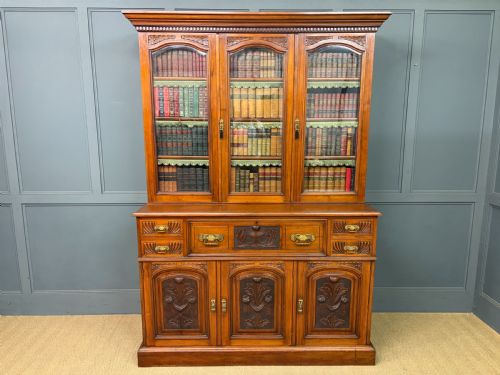
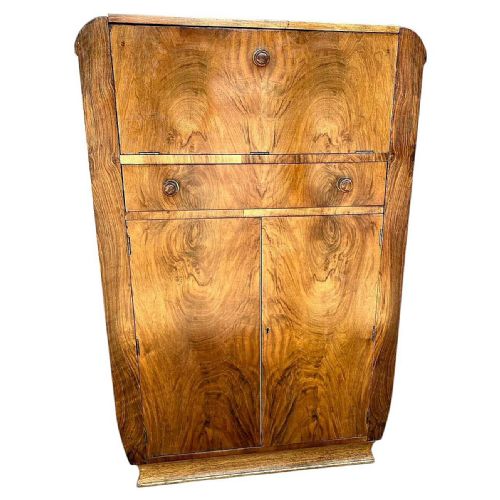
The pieces appearing on this page span several centuries, running from seventeenth-century William and Mary creations and eighteenth-century Queen Anne and Georgian examples through to later Edwardian and Art Deco interpretations. Bureau bookcases and tall escritoires dominate the forms, offering substantial storage alongside dedicated writing surfaces.
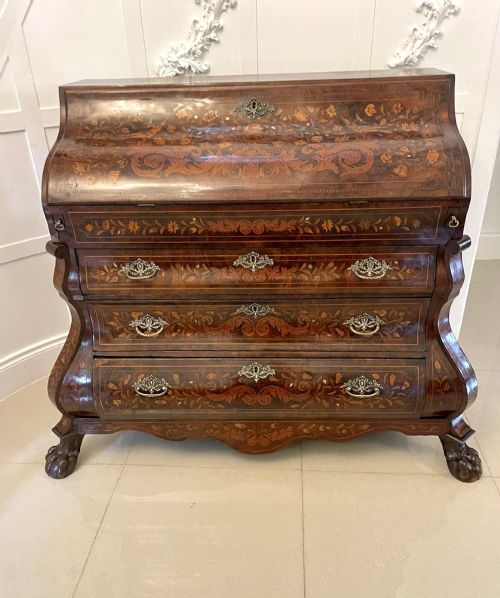
Makers utilised rich timber grains to give visual depth to large facades, often pairing the main carcase with glass-fronted upper doors or pigeonhole interiors. Buyers encounter both English craftsmanship and continental continental pieces, including Dutch marquetry and South German variants.
How they were made
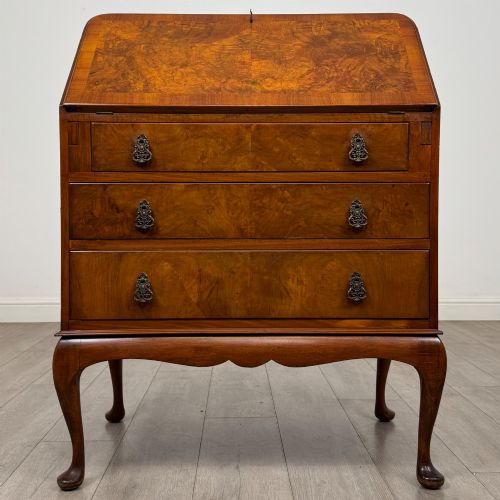
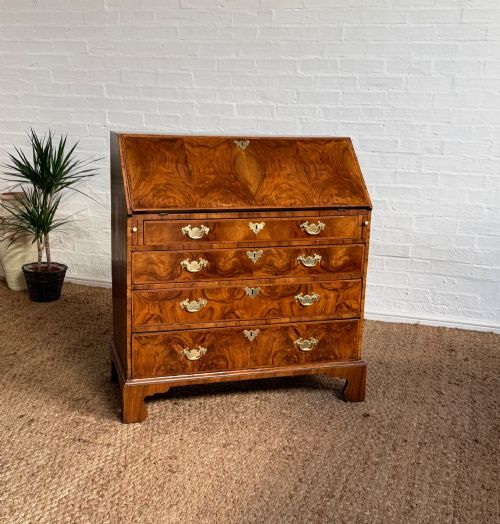
Cabinet makers constructed these brown walnut bureau cabinet items using solid timbers and decorative veneers applied to secondary woods like oak or fruitwood. Craftsmen selected burr walnut, figured walnut, and oyster veneer to create striking patterns across the fall-fronts and drawer faces.
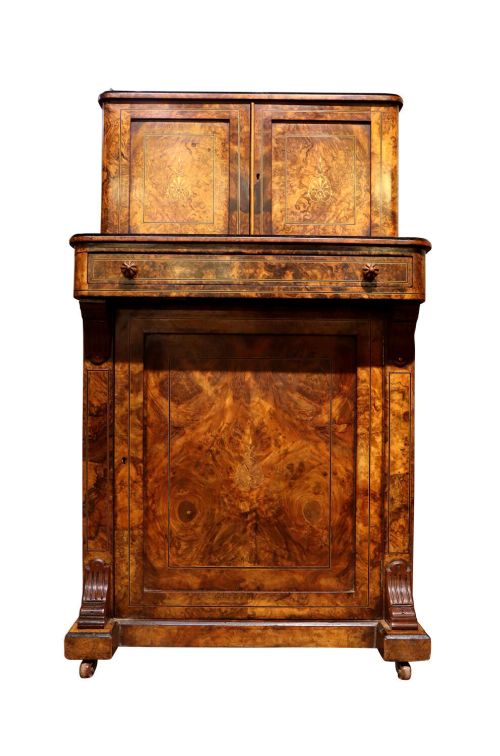
Surface enrichment frequently involved floral marquetry, herringbone inlay, and delicate featherbanding around the borders of panels. Brass hardware, including drop handles and escutcheons, secured drawers and doors, while red leather or baize provided a durable writing surface inside the drop-down desk.
Several writing desks manage to conceal secret compartments behind internal pigeonholes for hiding private correspondence.
What varies in quality
The visual strength of a brown walnut bureau cabinet depends heavily on the selection and matching of the veneer figures across the primary surfaces. Superior examples display symmetrical grain patterns, precise marquetry work, and intricate featherbanding that frames the drawer edges with exact geometry.
Construction methods also separate standard production from exceptional cabinet work, seen in the dovetailing of internal drawers and the preservation of original mirror glass or leaded glazing in upper bookcase doors. The retention of original brass handles, locks, and internal secret compartments elevates the integrity of the piece.
F.H. Marshall & Co Glasgow
The Brown Walnut Bureau Cabinet Glossary
- Bureau bookcase
- A combination furniture form featuring a lower writing desk with a sloping fall-front beneath an upper bookcase section with doors. These tall hybrid pieces served for both correspondence and library storage.
- Escritoire
- A writing cabinet or desk, often featuring a fall-front writing surface that conceals a nest of small interior drawers and pigeonholes. The term frequently applies to tall seventeenth and eighteenth-century forms.
- Burr walnut
- Timber harvested from the wart-like growths on walnut trees, yielding highly swirling, complex grain patterns. Cabinet makers prized this wood for decorative veneering on prominent exterior surfaces.
- Featherbanding
- A type of inlay work utilising small pieces of veneer cut diagonally and laid in opposing directions to form a chevron or herringbone pattern around panel borders. It provides a crisp visual frame to drawer fronts.
- Marquetry
- The art of applying decorative pieces of veneer to a structure to form pictorial or floral designs. Continental pieces often feature elaborate marquetry spanning the entire exterior carcase.
Brown Walnut Bureau Cabinet: Frequently Asked Questions
How do I use a bureau cabinet?
The fall-front flap lowers to create a flat writing surface, supported by internal arms or pull-out slides. Inside, small drawers and pigeonholes organise stationery and documents.
The upper glass doors enclose shelves for displaying books or collections. This vertical arrangement keeps writing materials and reading matter contained within a single floor footprint.
How do I care for walnut furniture?
Keep walnut furniture away from direct sunlight and heat sources to prevent the wood veneers from drying out and lifting. Maintain a stable room temperature and humidity level.
Apply traditional beeswax occasionally to nourish the timber and preserve the polished finish. Avoid using modern silicone polishes that can damage antique surfaces.
How can I tell a Georgian piece from a later revival?
Examine the secondary woods inside the drawers, such as oak or pine, and inspect the hand-cut dovetails for irregularity. Eighteenth-century pieces exhibit construction methods and tool marks characteristic of period hand tools.
Revival pieces from later centuries often feature machine-sawn timber and standardised fixings. The patination of the walnut surface also develops a softer depth over centuries of handling.