


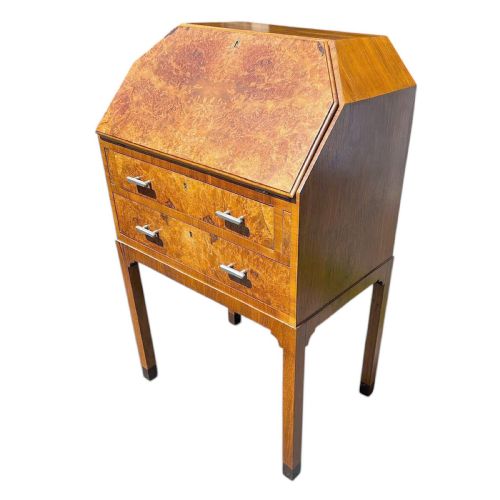
Vintage Burr Walnut Bureau
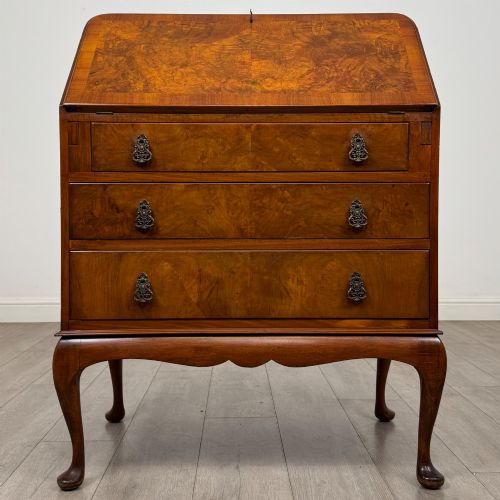
A vintage burr walnut bureau brings warmth and intricate grain patterns to a room, offering a private writing space that conceals its contents behind a fall-front flap.
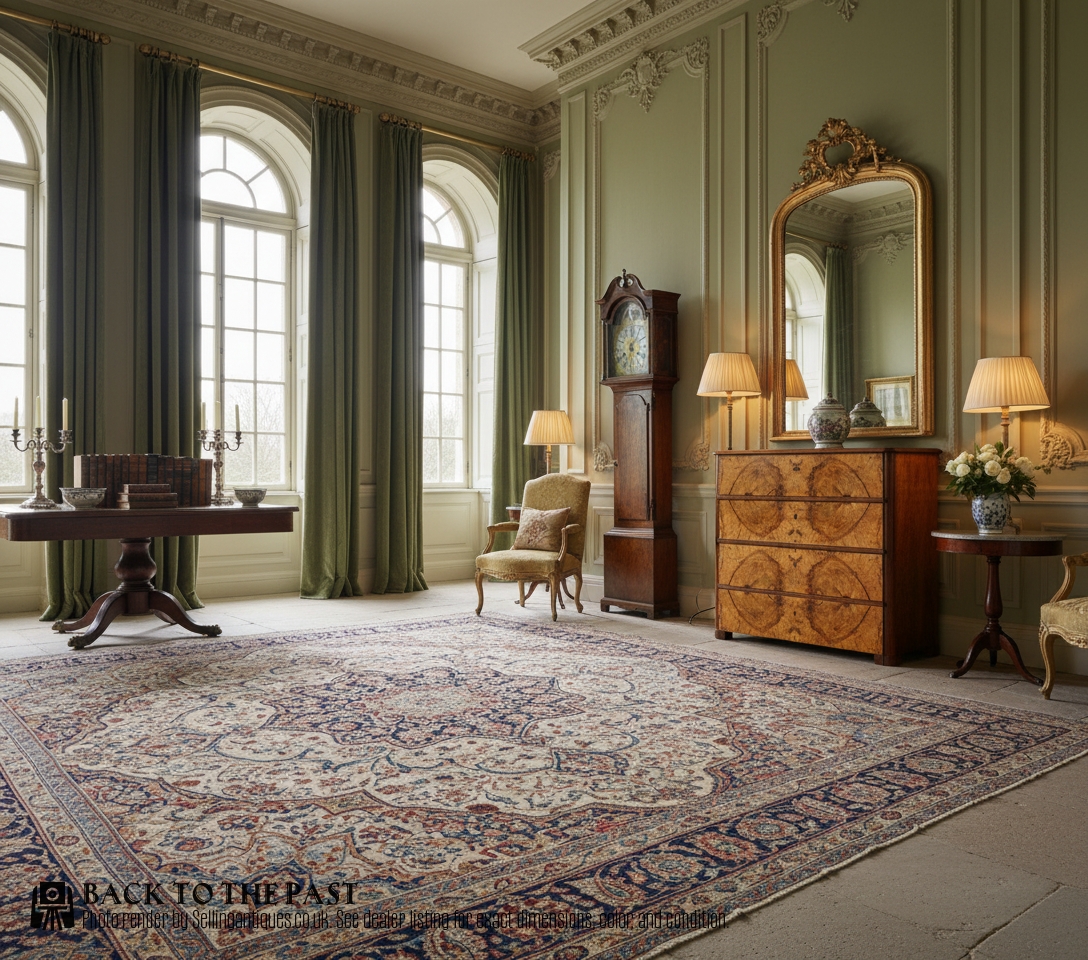
Vintage Burr Walnut Bureau
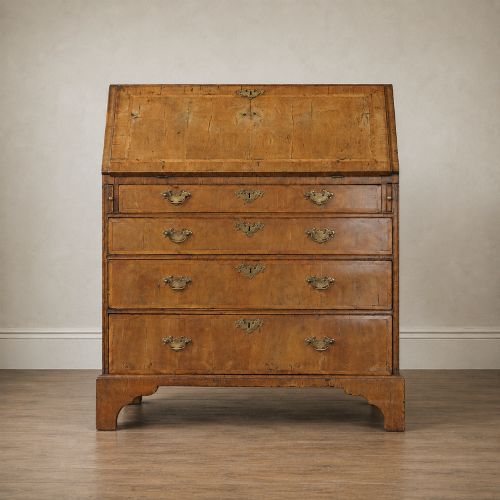
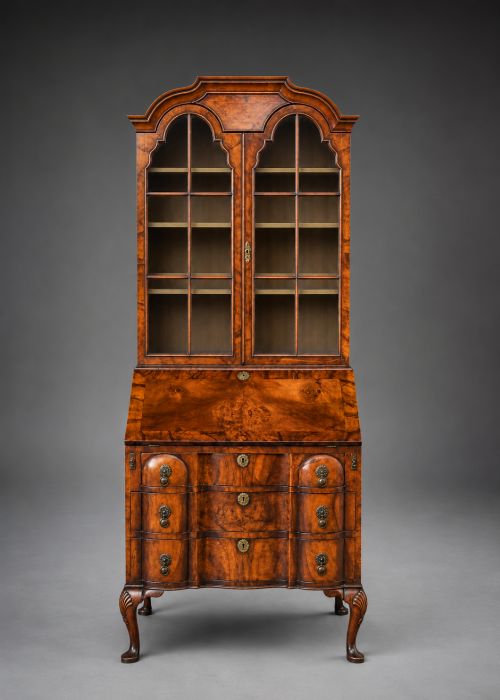
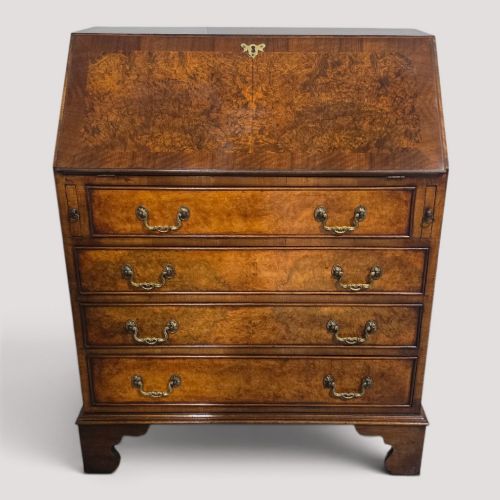
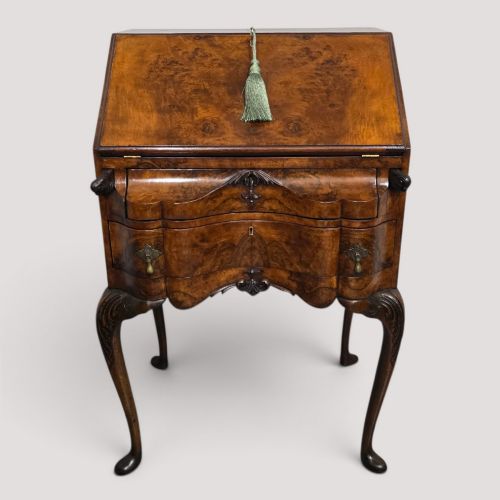
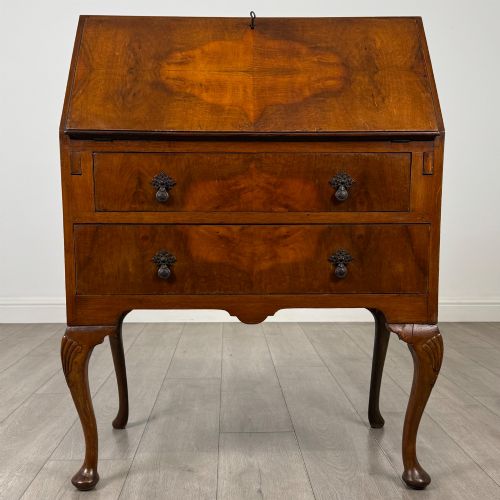
A vintage burr walnut bureau combines a sloping writing flap with internal pigeonholes and drawers, resting upon a chest of drawers or a stand. When you search for this phrase, you encounter pieces spanning from the eighteenth century to the art deco era and the twentieth century.
The Queen Anne style and its later revivals dominate these offerings, alongside early Georgian designs and twentieth-century interpretations. These items often feature shaped bracket feet, fitted interiors, and brass hardware that complement the rich wood tones.
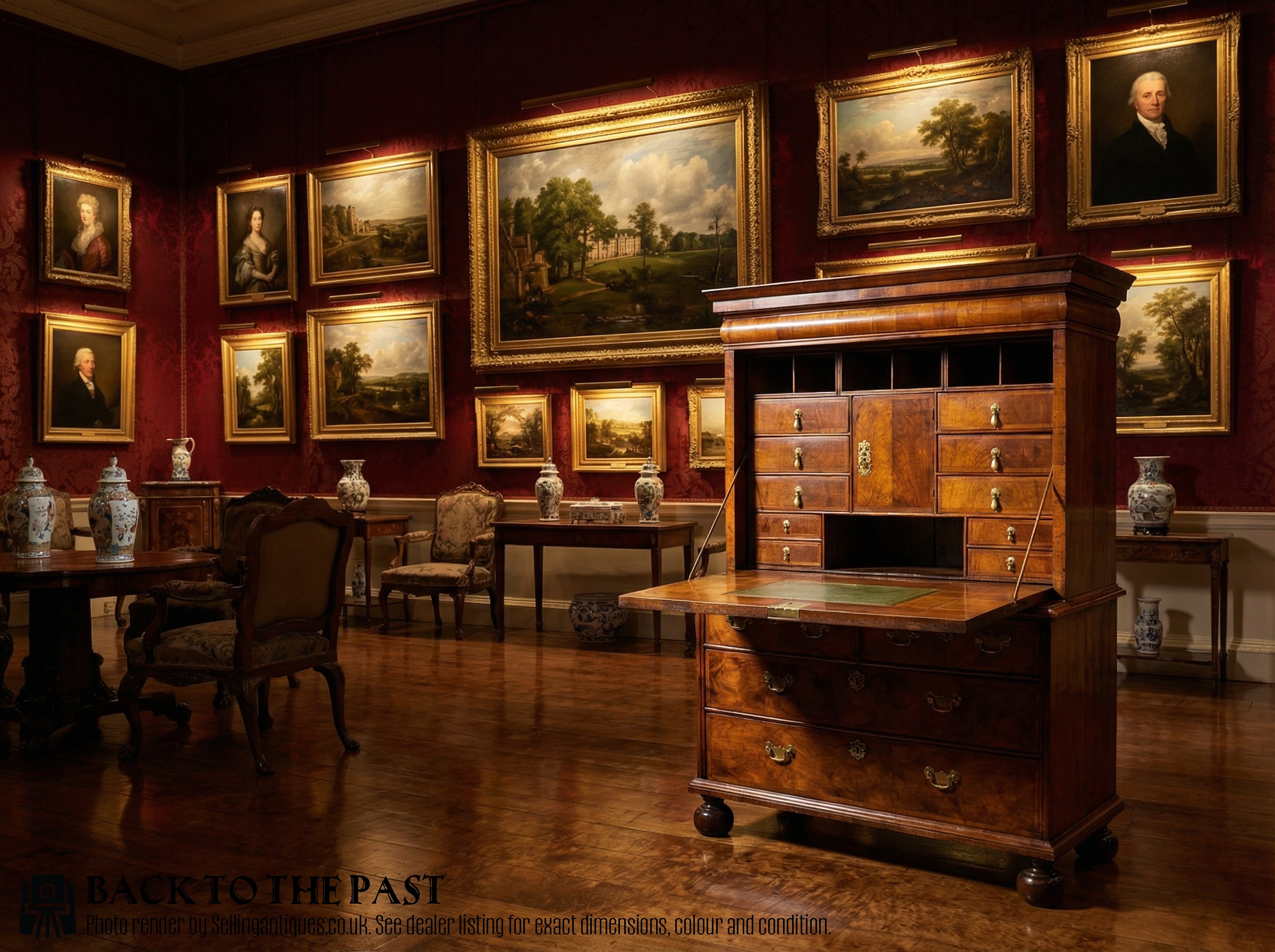
Materials and Construction Techniques
Cabinetmakers utilised solid walnut and oak for internal framing while reserving highly figured burr walnut veneer for the primary exterior surfaces. This technique allowed craftsmen to display the swirling, knotty grain patterns across the fall-front and drawer faces.
Secondary woods such as elm appear in specific sections, and green tooled leather frequently lines the writing surfaces of related desks. Brass handles, escutcheons, and hinges secure the construction and provide functional contrast to the dark timber.
Listings feature walnut, burr walnut veneer, oak, elm, glass, and leather across pieces spanning from the eighteenth century through the art deco period.
Distinctions in Execution and Finish
Quality reveals itself in the continuity of the veneer matching across the fall-front and drawers, where superior pieces exhibit symmetrical grain patterns. The intricacy of the internal fittings, such as secret compartments and shaped pigeonholes, also separates standard items from finer examples.
The crispness of the joinery around the drawer linings and the original patination of the timber indicate the level of craftsmanship involved. Pieces that retain their period brassware and smooth operating mechanisms demonstrate superior preservation and build.
Maple & Co.·Wylie & Lochhead Glasgow
The Vintage Burr Walnut Bureau Glossary
- Burr walnut
- A veneer sliced from the woody growths on walnut trees, prized for its swirling, highly figured grain patterns. It creates a decorative surface used on the fronts and tops of fine cabinets.
- Bureau
- A desk featuring a sloping hinged lid that drops down to form a writing surface, typically concealing small drawers and pigeonholes inside. Early examples often stand on bracket feet or frames.
- Fall-front
- The hinged panel on a bureau that lowers to provide a horizontal surface for writing. It conceals the internal compartments when closed.
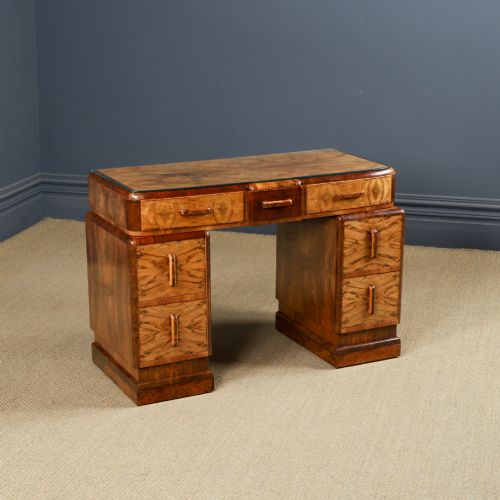
- Kneehole desk
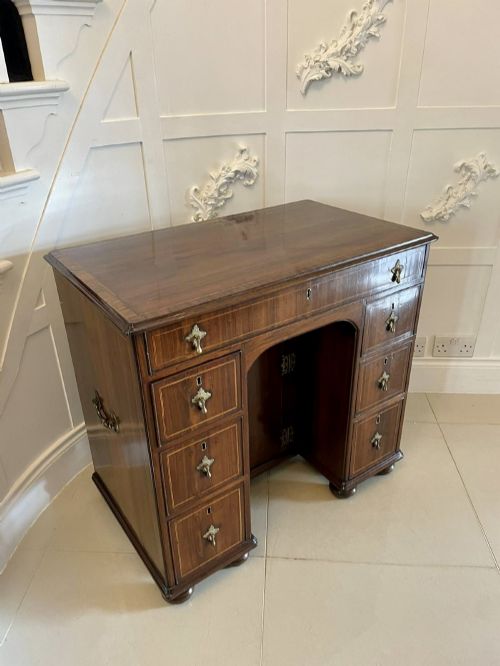
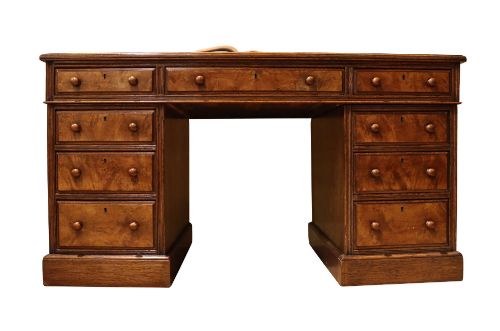
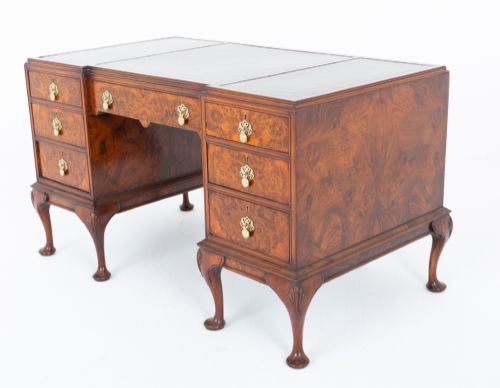
- A compact desk featuring a central recess for the user's legs, flanked by pedestals of small drawers. These pieces often incorporate leather writing surfaces and brass pulls.
- Bracket foot
- A furniture foot shaped like a bracket, commonly found on eighteenth-century and revival chests and bureaux. It typically forms a simple mitered corner shape.
Vintage Burr Walnut Bureau: Frequently Asked Questions
What is inside a burr walnut bureau?
Opening the fall-front reveals a fitted interior comprising small drawers, pigeonholes, and sometimes a central cupboard door. These compartments served to organise correspondence and writing materials.
Many examples also include concealed secret compartments accessed by sliding panels or removing small internal drawers.
How do I date a bureau?
Dating relies on examining construction methods, timber choices, and stylistic details such as foot design and handle hardware. Eighteenth-century pieces typically show hand-cut dovetails and solid timber carcases.
Twentieth-century revivals and art deco interpretations incorporate machine-cut elements while continuing the tradition of figured veneer work.
Where should I place a bureau?
These pieces suit studies, living rooms, and bedrooms where their compact footprint provides both surface area and enclosed storage. Their decorative timber fronts make them suitable as focal points against plain walls.
Ensure placement avoids direct sunlight to protect the delicate veneer and leather writing surfaces from fading.
Are these desks practical for daily use?
The drop-down writing flap provides a stable surface for correspondence and laptop use while concealing clutter when closed. Internal drawers keep stationery organised within arm's reach.
Care should be taken to protect the antique wood and leather surfaces from spills and heavy wear during daily tasks.