

19th Century Walnut Commode
A 19th century walnut commode brings warmth and grand utility to a room through deep wood grains and classical proportions.
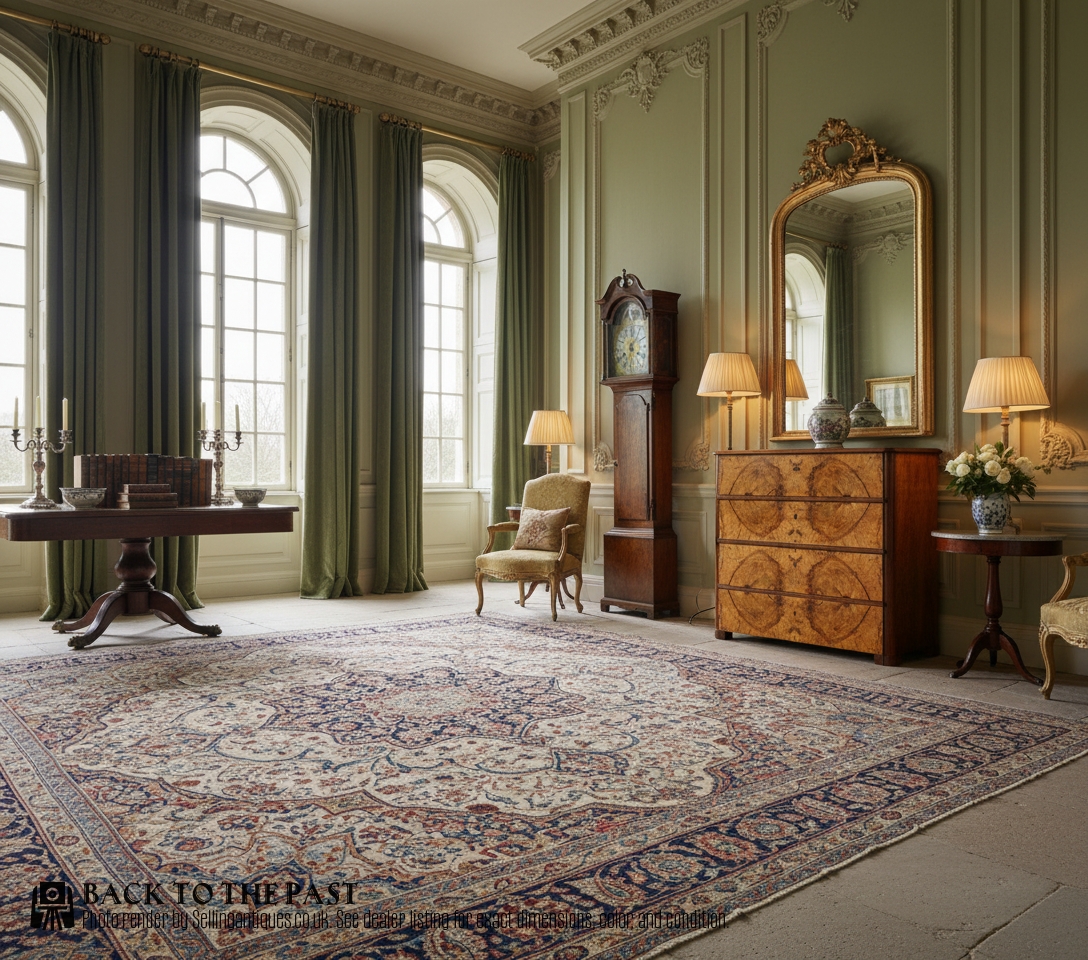
19th Century Walnut Commode
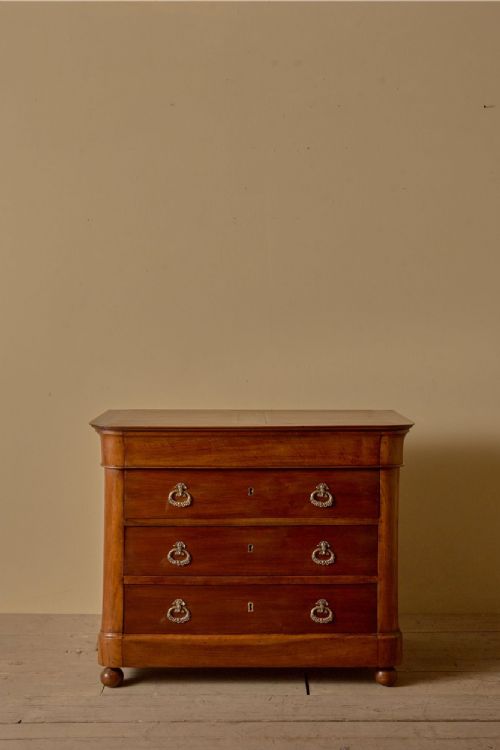
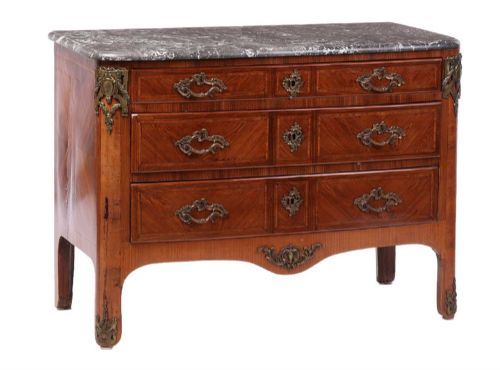
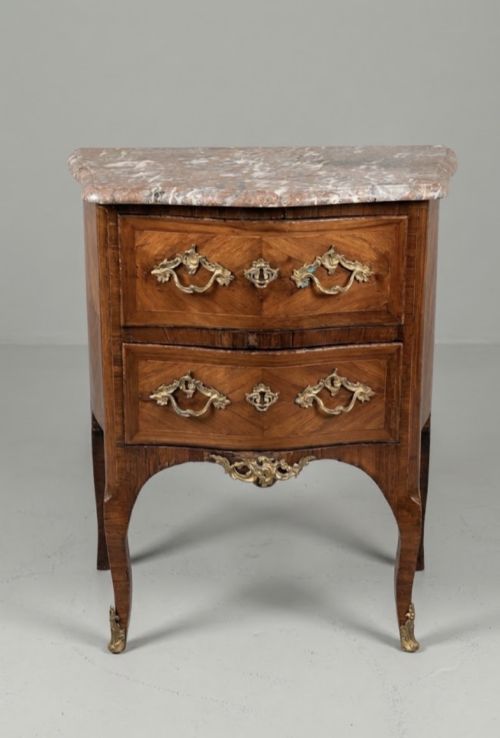
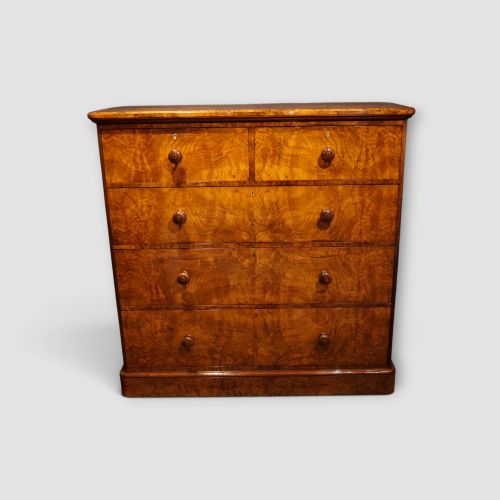
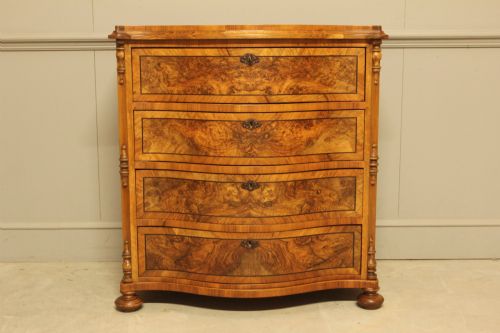
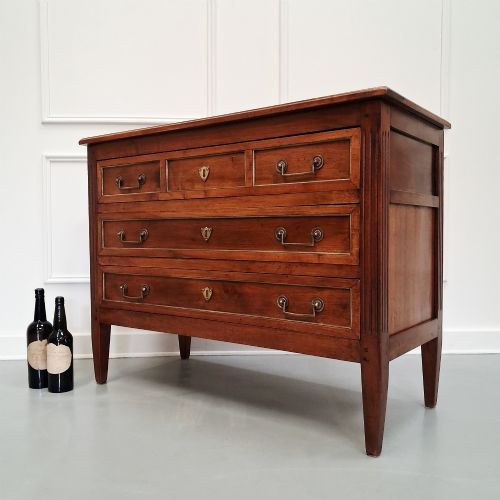
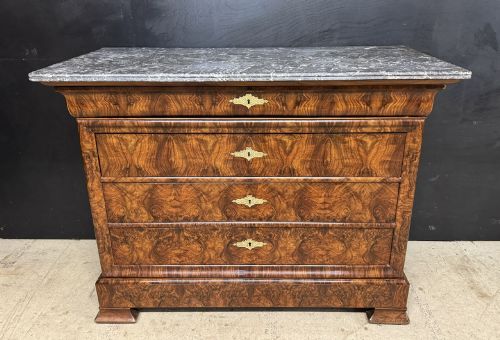
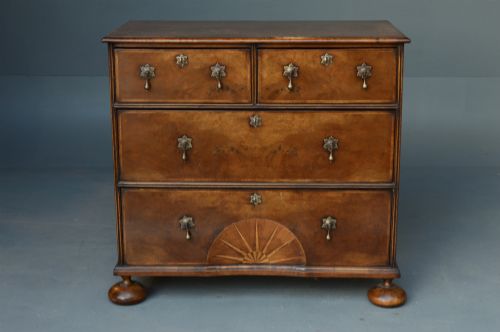
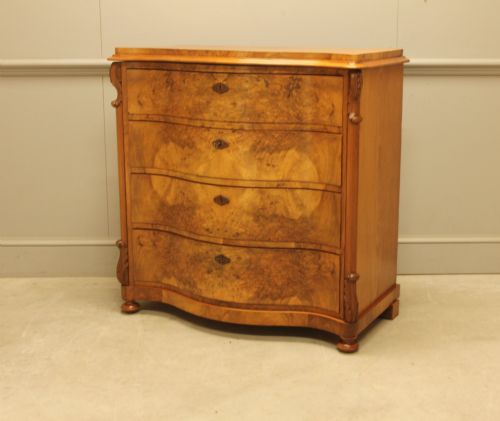
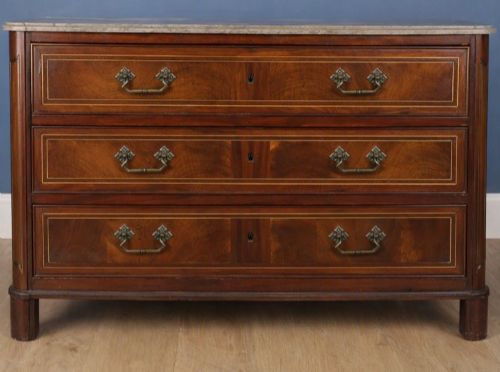
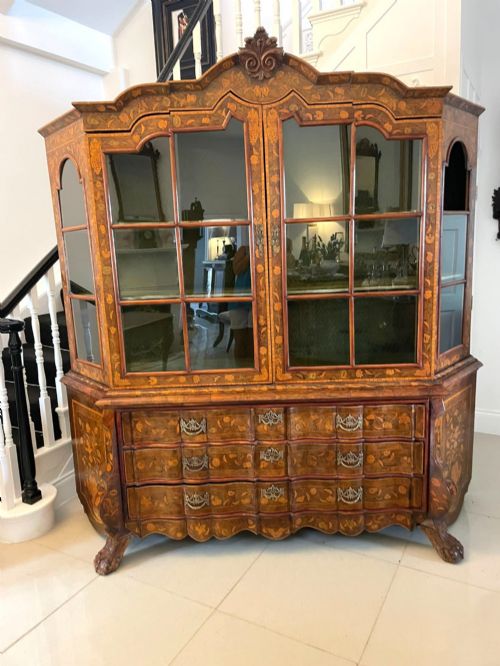
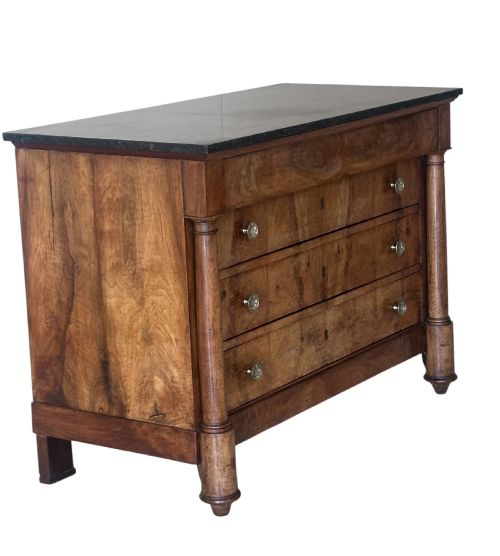
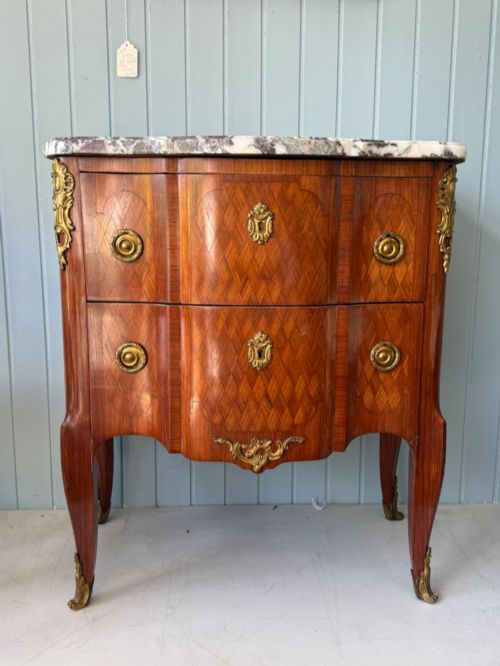
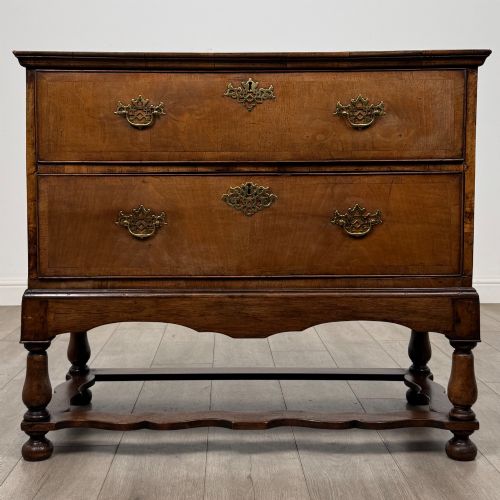
A 19th century walnut commode typically presents as a low chest of drawers or bedside cabinet designed for practical storage and display. You will frequently encounter French examples featuring marble tops and serpentine fronts, alongside Italian and Biedermeier variations.
The form spans several distinct stylistic movements, including Louis Philippe, Charles X, and various revival styles. These pieces range from substantial country house chests to compact bedside cabinets and commodes with doors.
Makers utilised both solid timber and decorative veneers to achieve striking visual depth across the drawer fronts and sides. Selecting a piece involves weighing the proportions of the room against the functional demands of deep drawers or cabinet compartments.
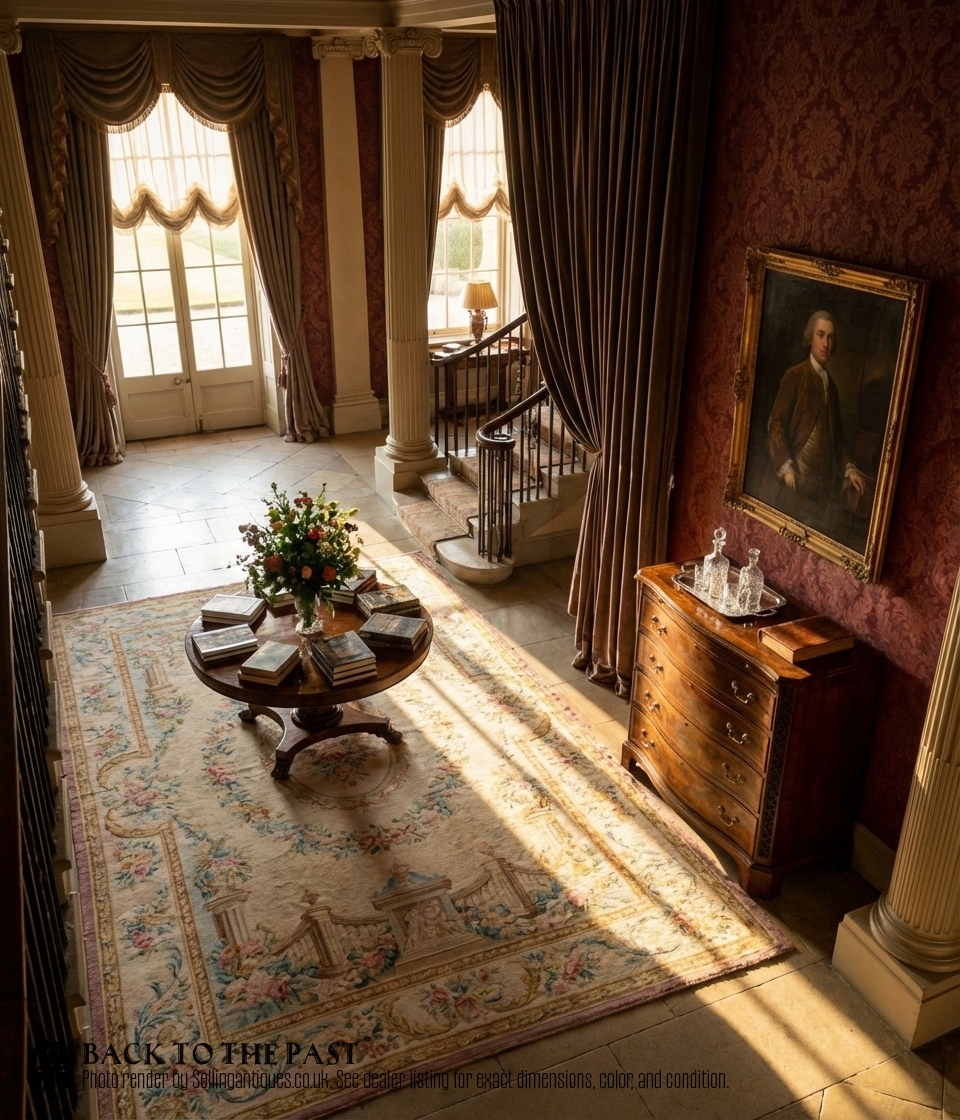
Materials and construction methods
Cabinet makers built these pieces using solid pine or fruitwood carcases overlaid with figured walnut or burr walnut veneers. The choice of walnut provided a stable substrate that accepted detailed carving and fine marquetry work.
Surface ornamentation often incorporated contrasting stringing in satinwood, alongside intricate parquetry patterns arranged in geometric motifs. Many continental pieces were finished with heavy slabs of grey or white marble fitted precisely to the top surface.
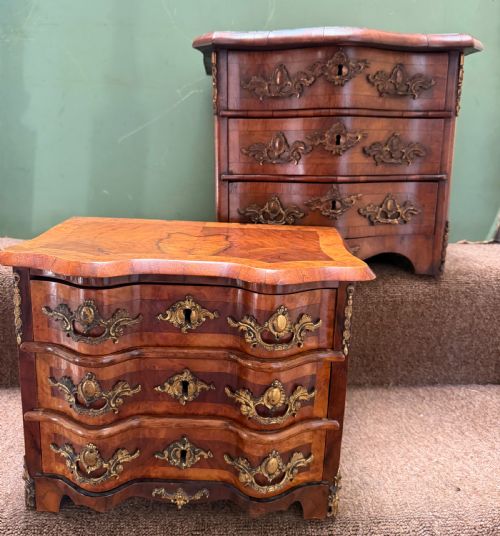
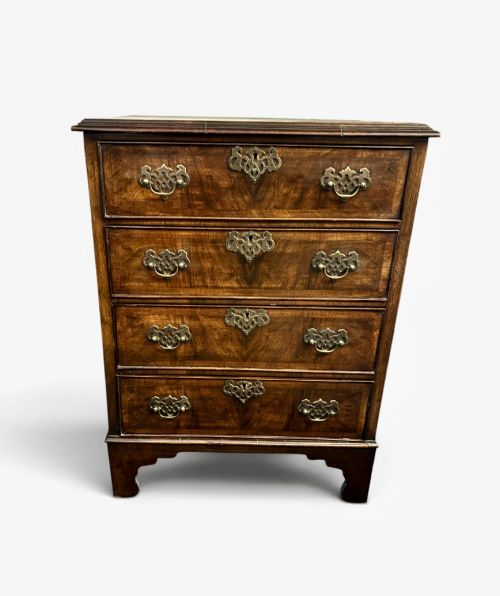
Mounts and handles cast in brass or ormolu punctuate the timber facades, following the aesthetic of the specific regional workshop. Drawer construction relies on traditional hand-cut dovetails designed to withstand decades of regular use.
19th Century Walnut Commode Retail Price Guide 2026
Typical asking prices for 19th century walnut commode among the pieces listed under this phrase on Sellingantiques today, from the lower quarter to the upper quarter. They describe what is for sale here now, not the wider market.
Some adventurous pieces even feature lift-up tops and faux bamboo turnings, proving that 19th-century cabinet makers enjoyed a touch of playful deception.
Distinguishing factors in construction and finish
The tier of a piece often reveals itself in the selection of the timber veneers and the continuity of the grain across the drawer fronts. Superior examples display symmetrical book-matched burr walnut that wraps harmoniously around the corners and carcase sides.
Execution of the marquetry and the crispness of any carved detailing mark the boundary between standard production and master craftsmanship. Furthermore, the integration of heavy stone tops, such as fitted marble slabs, points to higher workshop standards.
The precision of the drawer fit and the structural integrity of the internal framing dictate the everyday durability of the cabinet. Minor variations in the quality of cast brass handles and internal secondary woods also reflect the original cost of production.
The 19th Century Walnut Commode Glossary
- Burr walnut
- A figured wood grain derived from the growths or knots of the walnut tree, prized for its swirling patterns. It is sliced into thin veneers to cover large drawer surfaces.
- Ormolu
- Gilded bronze used for decorative mounts, feet, and handles on French furniture. This technique adds metallic contrast to the dark timber surfaces.
- Marquetry
- The art of applying small pieces of veneer to a structure to form decorative patterns or pictures. Craftsmen used various woods like satinwood and fruitwood to create tonal contrast.
- Serpentine
- A curved furniture front that waves outward at the centre and inward at the sides. This contour requires precise carpentry to maintain alignment with the drawers.
19th Century Walnut Commode: Frequently Asked Questions
Where should I place a commode?
These cabinets suit hallways, bedrooms, and living rooms where surface display and concealed storage are both required. A marble-topped version functions well as a sideboard surface or a prominent focal point against a plain wall.
Ensure the room humidity remains stable to protect the delicate walnut veneers and internal timber construction from unnecessary stress over time.
How do I care for marble tops?
Wipe the stone surface regularly with a soft, damp cloth and avoid acidic cleaners that can etch the polish. Use coasters beneath glasses and place felt pads under heavy objects to prevent scratching.
Treat the surrounding walnut timber with traditional wax polish periodically to maintain the moisture and lustre of the grain.
Are these pieces suitable for daily use?
The robust construction of dovetailed drawers and sturdy timber carcases allows for regular storage of clothing or household items. Smooth-running drawers reflect healthy internal runners that make routine access straightforward.
Take care not to overload deep drawers to preserve the alignment of the historical framework and joints.
How do I identify regional styles?
French examples frequently exhibit curved serpentine fronts and grey marble tops associated with Louis Philippe and revival designs. Biedermeier pieces from central Europe lean towards clean lines, blonde figured walnut, and minimal ornamentation.
Italian cabinets often display intricate marquetry and satinwood inlay reflecting regional neoclassical traditions.