

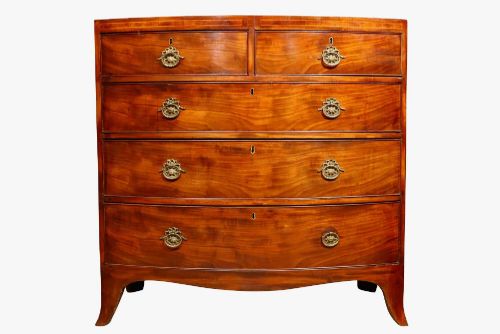
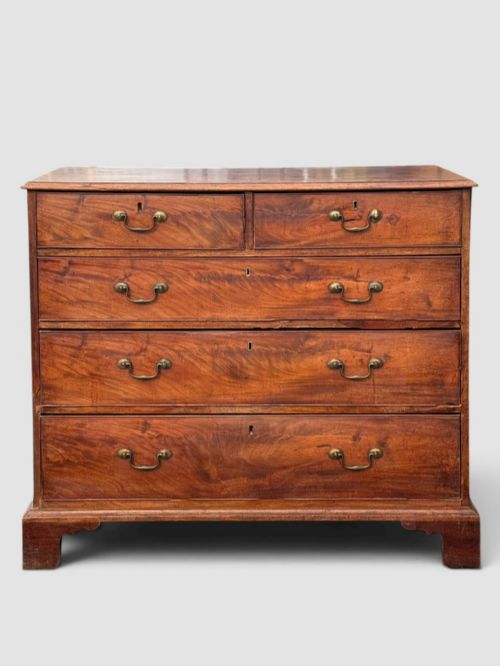
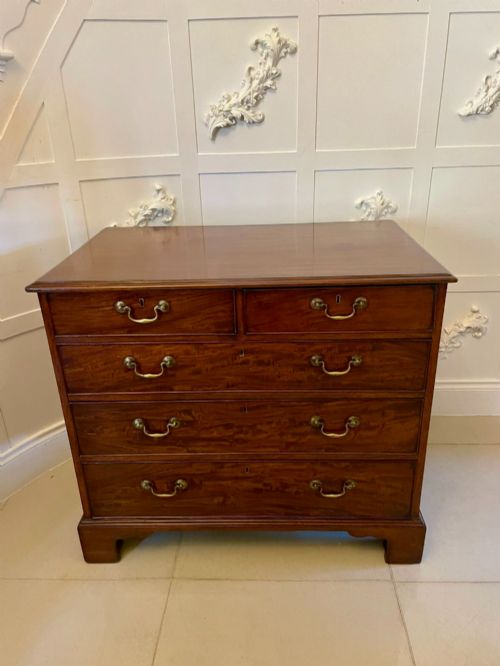
Vintage Brass Handle Dresser
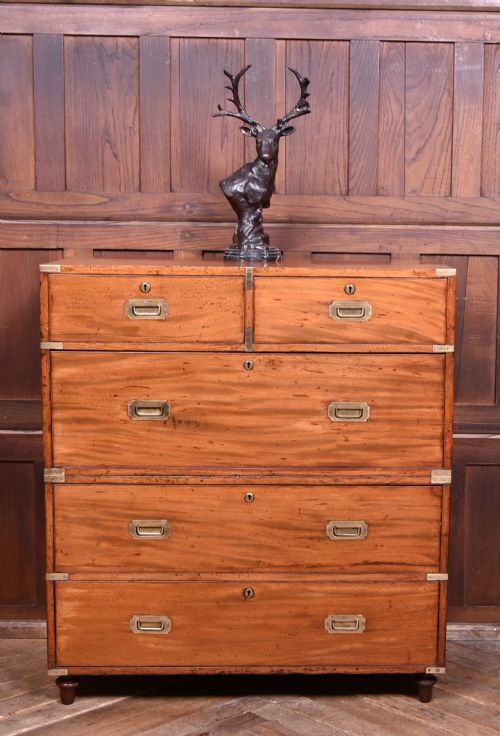
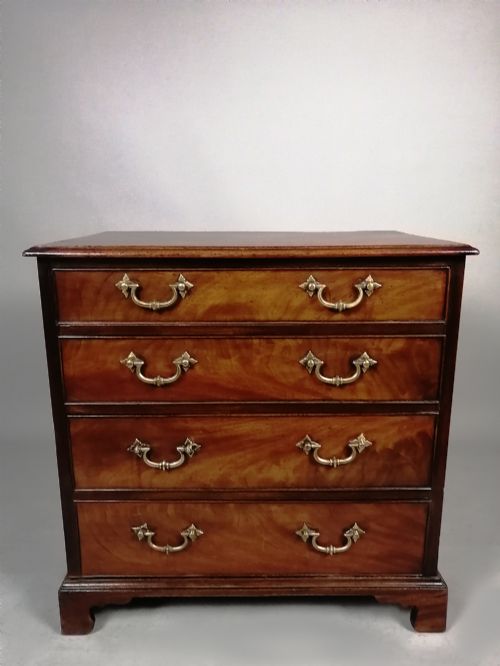
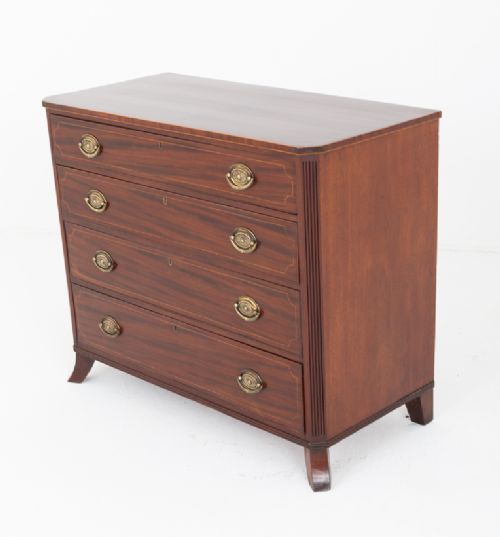
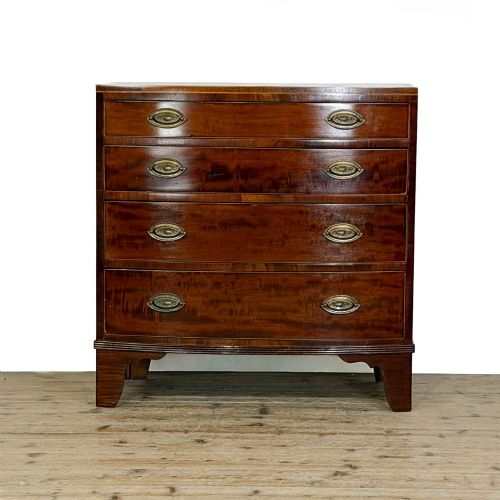
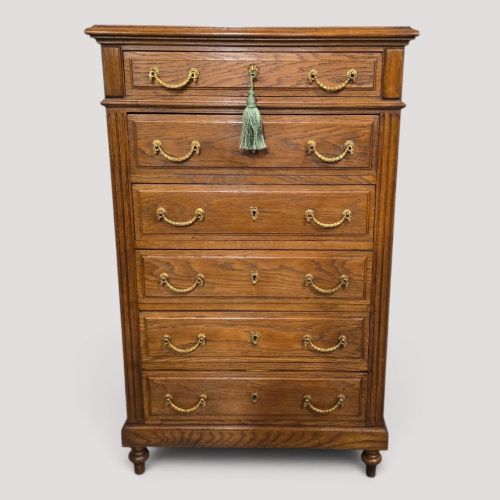
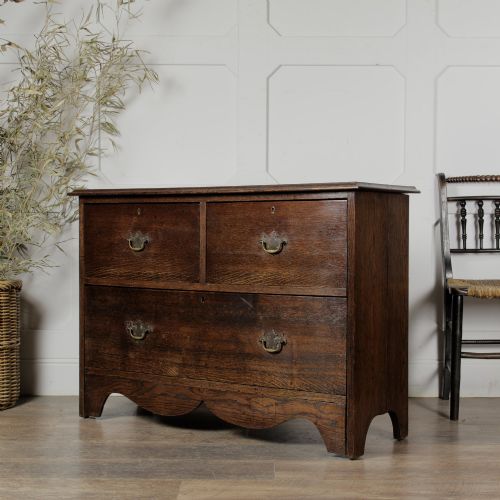
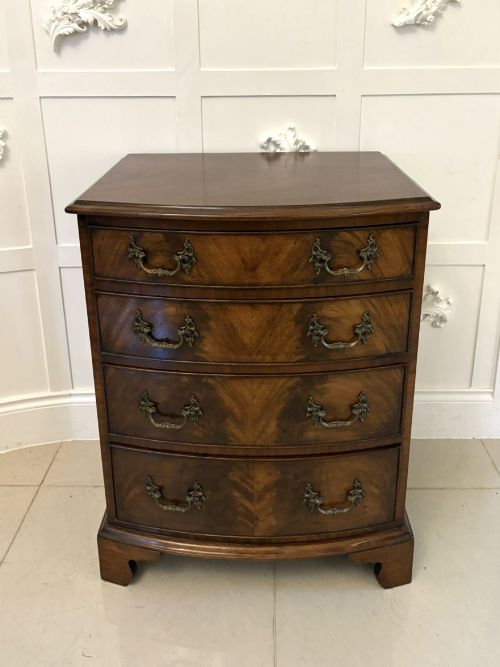
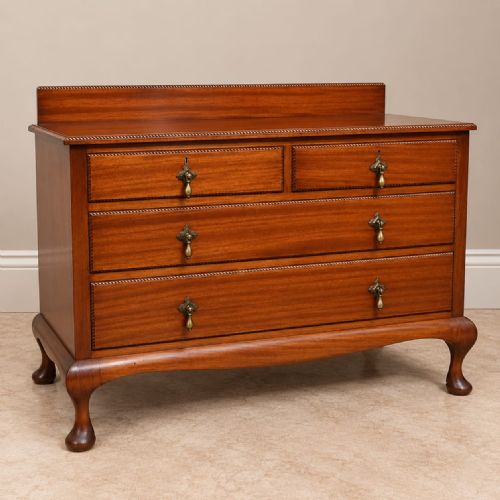
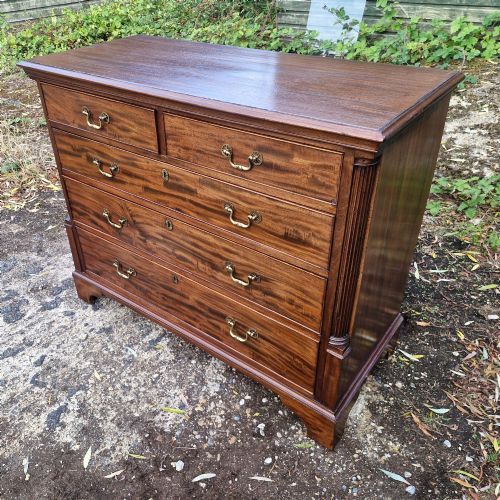
These vintage brass handle dresser pieces span Georgian, Victorian, and Edwardian periods, offering timeless storage built in mahogany, oak, and walnut.
Vintage Brass Handle Dresser
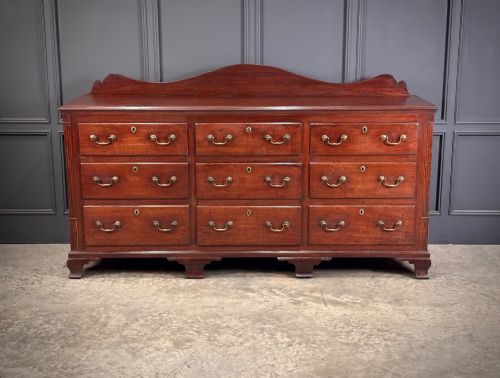
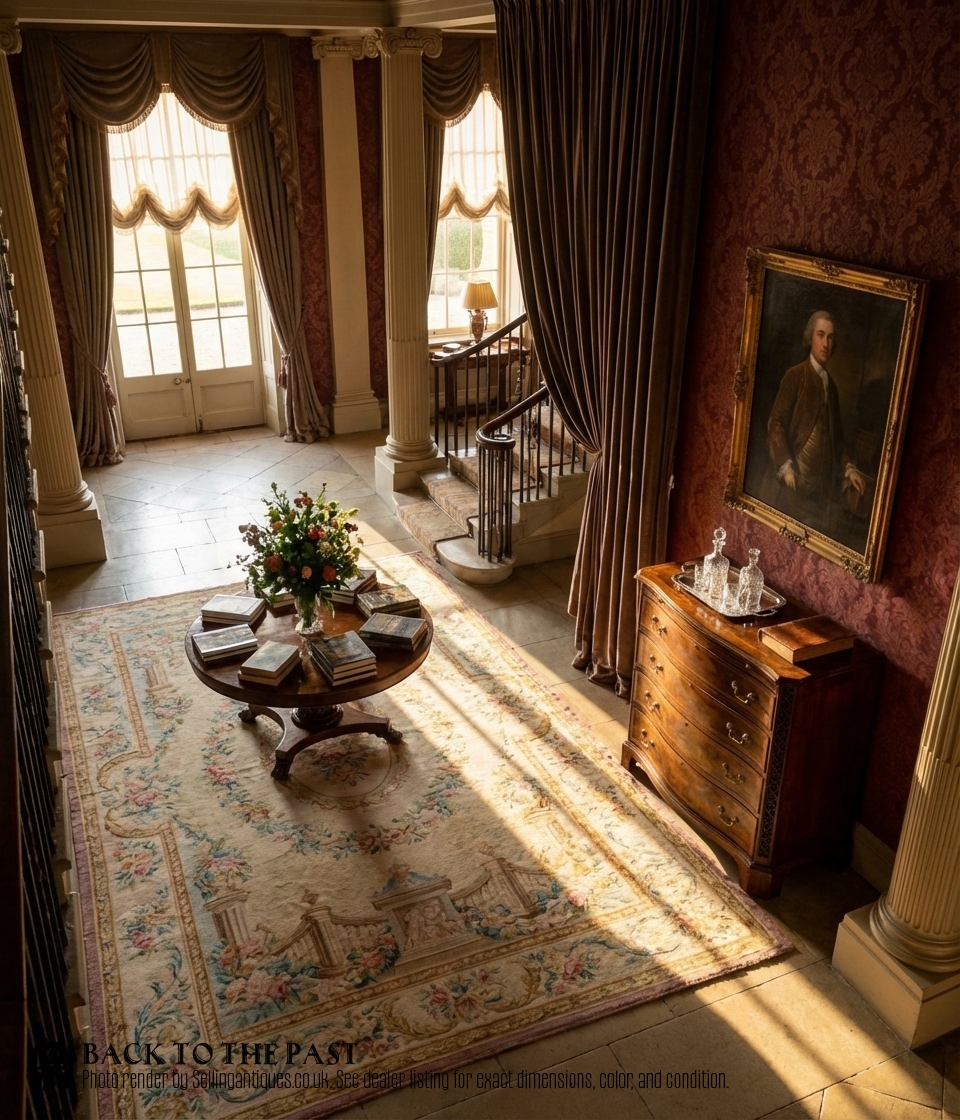
A vintage brass handle dresser or chest of drawers represents utility and fine cabinet work across multiple centuries. Buyers searching this phrase meet case furniture primarily constructed as chests of drawers, alongside occasional oak dresser bases and sideboards.
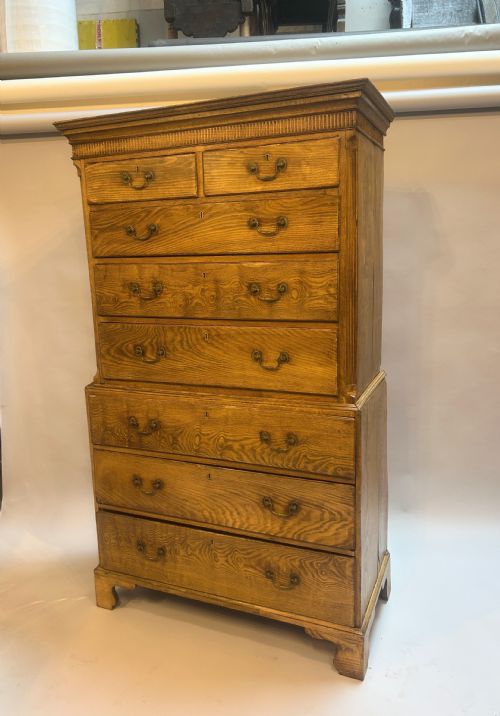
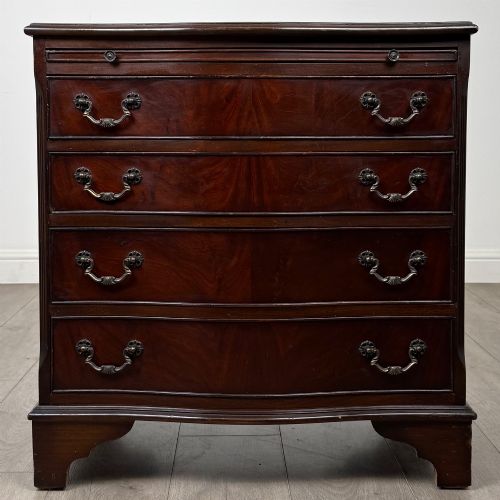
The materials span mahogany, Cuban mahogany, flame mahogany, oak, walnut, burr walnut, cedar wood, and satinwood. Forms range from low oak chests and tallboys to serpentine chests and bow front designs.
Origins stretch from the 18th Century through the Georgian, Regency, Victorian, and Edwardian eras into the 1920s and 1930s. The most common version encountered on this page is the mahogany chest of drawers featuring period brass hardware.
Judging quality in case furniture
Timber selection dictates the distinction between standard examples and top tier pieces, with figured veneers, matched grain patterns, and premium secondary woods marking superior production. The crispness of carved details and the integration of original brass hardware elevate certain items above simpler utility furniture.
Proportion and architectural balance define the upper tier of the range, particularly in complex forms like serpentine chests and tallboys where precision joinery is essential.
Drawers that slide shut with a gentle pneumatic cushion of air prove that a 250-year-old cabinet still holds its breath.
Jas Shoolbred
The Vintage Brass Handle Dresser Glossary
- Brushing slide
- A pull-out shelf integrated above the drawers, used traditionally for folding clothes or writing. It sits discreetly within the cabinet structure.
- Serpentine chest
- A chest of drawers featuring a front that curves outward in the centre and inward at the sides in an undulating shape. This sophisticated form requires advanced woodworking skill.
- Tallboy
- A tall chest of drawers, often constructed in two sections with one chest stacked upon another. This form maximises vertical storage space.
- Bow front
- A convex, outwardly curved front profile popular on Georgian and Regency chests of drawers. This design softens the rectangular mass of the case.
- Burr walnut
- Timber taken from the burl growth of a walnut tree, yielding complex, swirling grain patterns highly prized for decorative veneer work. It appears frequently on luxury cabinet pieces.
Vintage Brass Handle Dresser: Frequently Asked Questions
How do I date a chest of drawers?
Dating relies on timber choice, construction techniques, and hardware styles associated with specific periods like the Georgian or Edwardian eras. Secondary woods and dovetail joints often provide clear chronological markers.
Changes in handle design and drawer lining from the 18th Century to the 20th Century help confirm the exact era of manufacture.
Where should I place a dresser in my home?
These versatile case pieces function well in bedrooms, hallways, or living spaces to provide substantial surface area and concealed storage. Low oak chests fit smaller rooms while tallboys utilise vertical space.
Keep wooden furniture away from direct heat sources to protect the timber and natural veneer finishes.
Are brass handles original to the piece?
Original brass handles show consistent wear and correct backplate impressions matching the period of the wood case. Replacement hardware is common on older furniture.
Examine the interior of the drawer front for filled previous screw holes if authenticity of the fittings matters to your collection.
What is the difference between a dresser and a chest of drawers?
In historical terminology, dressers often denote low base cabinets with cupboards or drawers, sometimes associated with Lancashire or kitchen contexts. Chests of drawers focus strictly on stacked drawer storage.
Search phrases often blur these distinctions, grouping sideboards and multi-tier drawer units together under general headings.