

Bronzed Metal Figures
Bronzed metal figures bring classical weight and sculptural presence into a room, spanning periods from the nineteenth century through the art deco era.
Bronzed Metal Figures
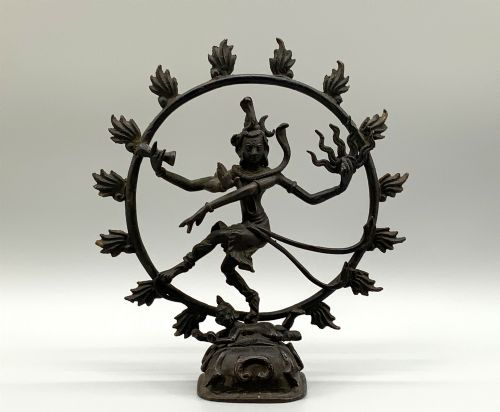
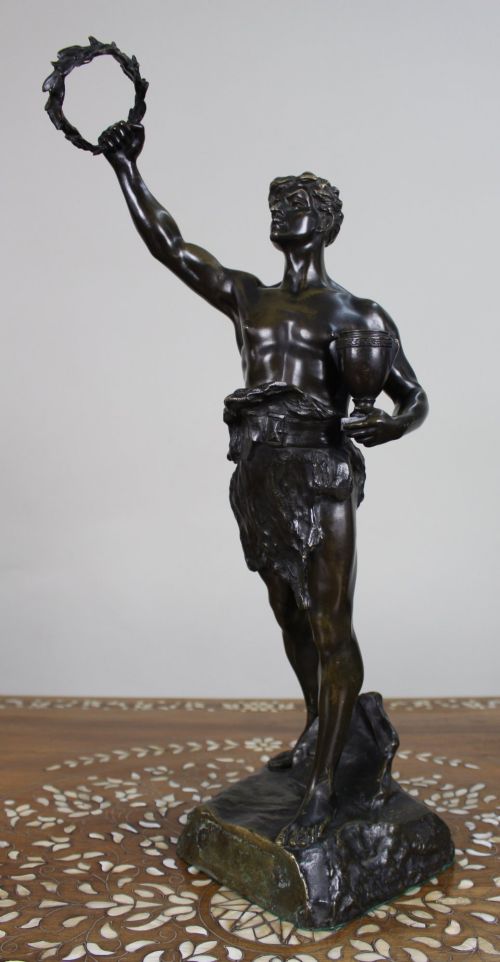
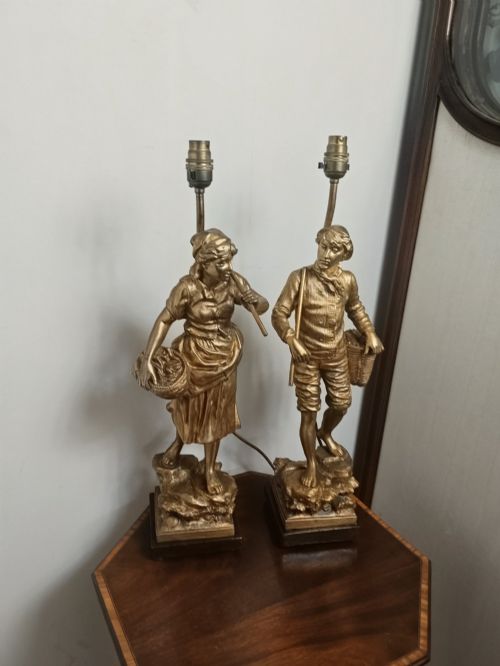
When you search for bronzed metal figures, you encounter a diverse array of sculptural works ranging from classical deities and mythical creatures to animalier studies and human subjects. These pieces serve as decorative centrepieces, mantel ornaments, and functional items such as table lamps and candlesticks.
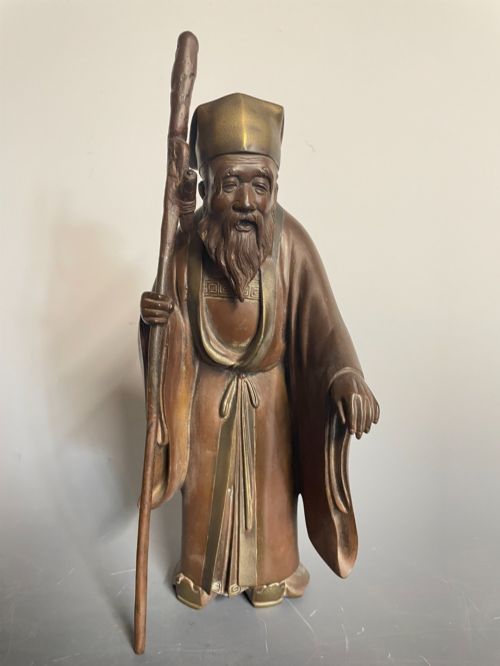
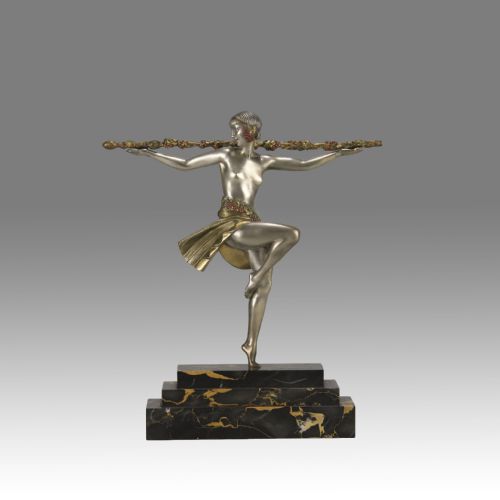
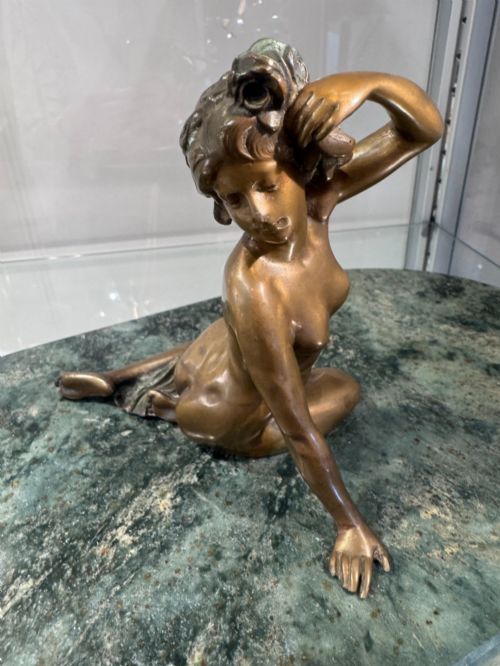
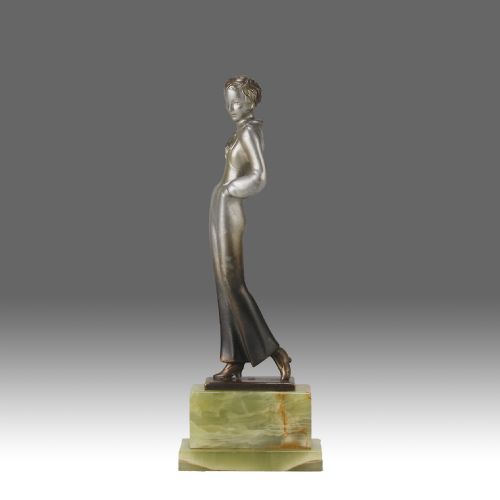
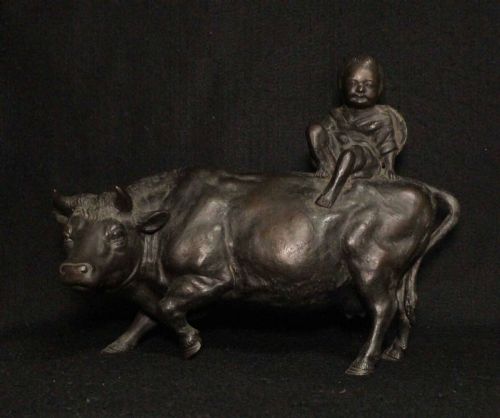
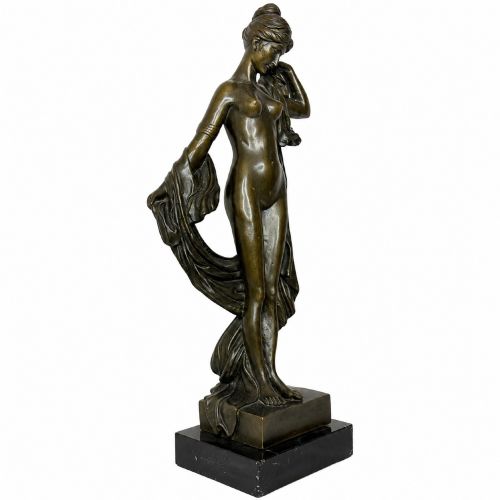
The selections on this page are predominantly nineteenth-century French casts and early twentieth-century art deco works. You will frequently find figures mounted on marble bases, alongside Japanese bronzes from the meiji period and grand tour models.
Makers and sculptors often signed their works directly into the metal or the base, providing a clear attribution to pieces depicting dancers, animals, and historical subjects. Forms vary from single standing figures to complex figural groups and pairs designed for symmetrical display.
How they were made
Foundries utilised the lost-wax method or sand casting to produce these sculptures in bronze, brass, and spelter. Molten metal poured into moulds captured intricate details in hair, drapery, and anatomical structures.
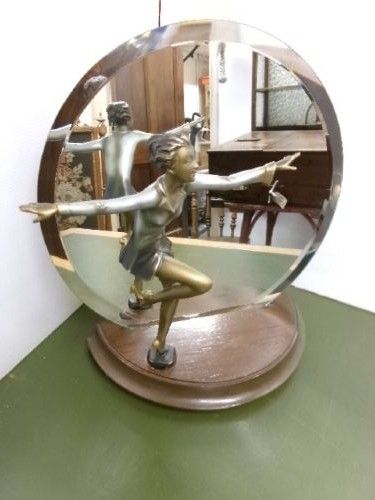
Surface treatments included cold painting, gilding, and chemical patina applications to create the characteristic bronzed finish. Artisans frequently mounted completed metal casts onto turned marble or wooden bases for stability and aesthetic contrast.
Listings feature bronze, spelter, and gilt bronze across the nineteenth and twentieth centuries, incorporating marble and wood bases.
What varies in quality
The quality of the mount and the choice of supporting materials, such as veined marble or turned hardwoods, reflect the care taken during production. Signed works by recognised sculptors carry distinct artistic depth that elevates them above anonymous foundry output.
Lemoyne·Pierre le Faguays·Josef Lorenzl·E Rousseau·F.Milliot·Claude Michel Clodian·E Villanis·Frederic Remington·L & F Moreau·Christophe Fratin·Emile Carlier·Henri Godet·Henry Wissen Senior·Sega
The Bronzed Metal Figures Glossary
- Spelter
- A zinc alloy commonly used as a less expensive alternative to bronze during the nineteenth and twentieth centuries. It accepts patination well to imitate true bronze.
- Patina
- The surface coloration and sheen developed through age or chemical treatment on metal sculptures. This finish protects the metal and adds visual depth.
- Cold-painted
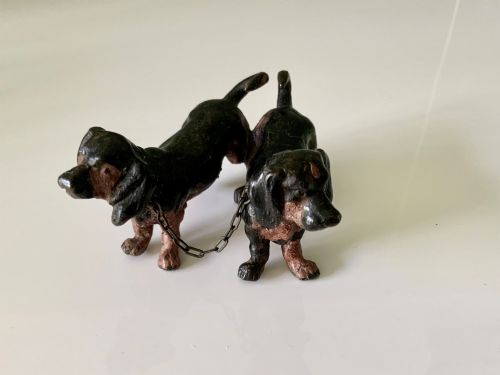
- A technique where paint is applied to a metal figure without heat firing after casting. It appears frequently on Viennese animal bronzes and art deco dancers.
- Animalier
- A nineteenth-century artistic style focusing on realistic depictions of animals in motion or repose. Sculptors in this tradition studied anatomy closely.
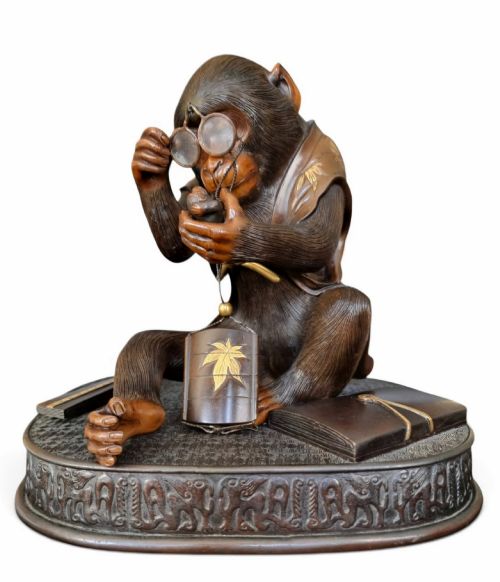
- Okimono
- A Japanese decorative figurine designed for display on a shelf or tokonoma alcove. These pieces often depict daily life, folklore, or anthropomorphic animals.
Bronzed Metal Figures: Frequently Asked Questions
How can I tell bronze from spelter?
Bronze is heavier, colder to the touch, and rings with a clear tone when tapped lightly. Spelter is softer, lighter, and often reveals a greyish-white metal underneath any worn areas of the surface finish.
Magnification helps reveal the crispness of the casting lines, which tend to be sharper in bronze than in zinc-alloy alternatives.
Where should I place these figures?
Position sculptures on sturdy mantelpieces, desks, or dedicated display tables away from direct sunlight and excessive moisture. Ensure the supporting furniture matches the weight and footprint of the marble or wooden base.
Keep figures out of high-traffic zones where they might get knocked or brushed against, protecting both the patination and any delicate extremities.
What does cold-painted mean?
Cold-painted refers to figures decorated with oil or enamel paints applied directly to the cold metal surface without kiln firing. This method allowed for vibrant colouration on small decorative bronzes.
Because the paint was not fused to the metal by heat, surviving examples often show charming areas of natural wear where handling occurred over decades.