


Late Victorian Cast Statues
Late victorian cast statues bring the tactile weight and narrative ambition of nineteenth-century sculpture straight into a room.
Late Victorian Cast Statues
Late victorian cast statues encompass diverse sculptural forms produced during the nineteenth century, including animalier subjects, portrait busts, and garden ornaments. These pieces reflect the period's fascination with realistic animal anatomy, classical drapery, and romantic character studies.
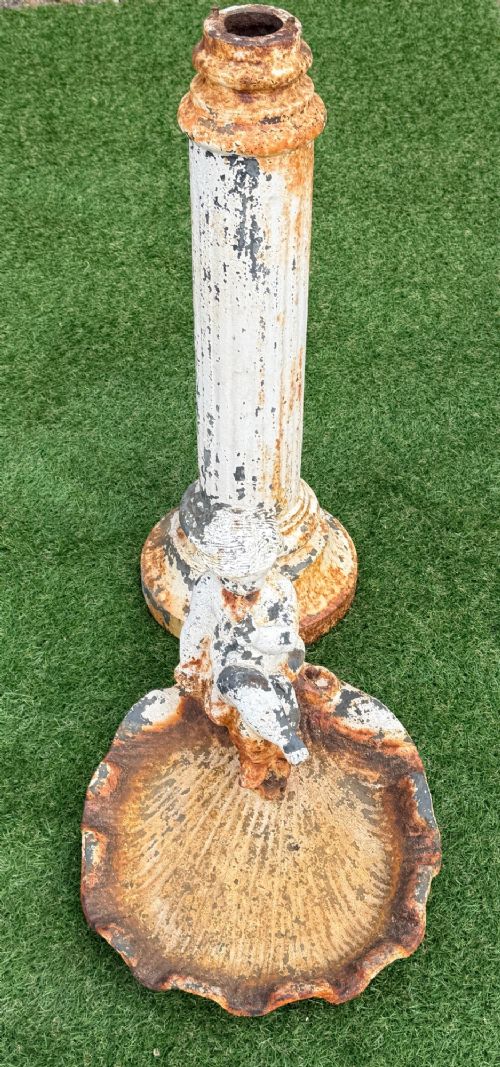
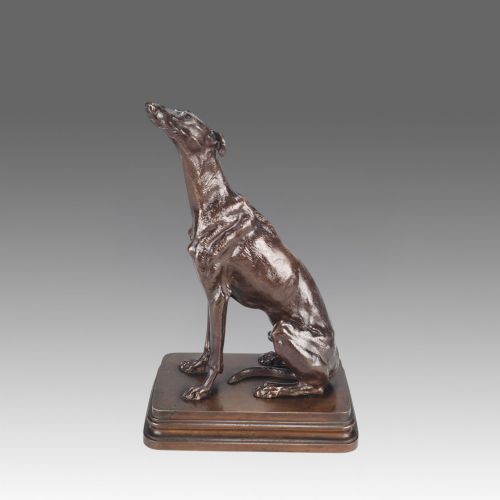
Buyers will most frequently encounter works cast in bronze and spelter, often standing on dedicated bases or columns. The selection ranges from French animalier subjects featuring dogs and horses to architectural garden pieces and literary figures.
The aesthetic vocabulary spans Victorian traditionalism, French animalier studies, and early modernist flourishes like art nouveau. Each piece captures the industrial and artistic confidence of the era through durable metal casting techniques.
Methods and materials of the foundry
Foundries utilised traditional metal casting methods to capture fine details in bronze, spelter, and cast iron. Molten metal was poured into moulds to render intricate textures, from the fur of a hound to the contours of a human face.
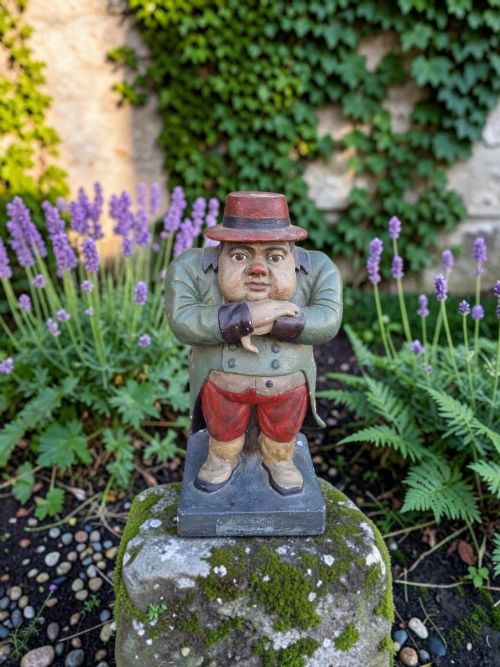
Surface treatments define the visual character of these sculptures, relying on applied patinas, polychrome paint, and natural brass finishes. Painters and patineurs applied chemical solutions or pigments to bronze and spelter to simulate aged metal or lifelike flesh tones.
Dogs feature prominently, faithfully guarding balls, bird baths, and the occasional grumpy-looking bear.
Distinctions in craftsmanship and finish
Quality separates master foundry work from commercial production through the crispness of the chase work and the fidelity of the cast. Finer pieces retain sharp muscle definition, clear signatures, and sensitive surface patination.
The choice of medium directly influences the longevity and definition of the sculpture, with high-grade bronze offering superior structural integrity compared to softer spelter. Heavier casts demonstrate a substantial use of metal that anchors the composition securely to its base.
Alfred Dubucand·Jules Moigniez·Sir Thomas Brock·Arthur Waagen
The Late Victorian Cast Statues Glossary
- Animalier
- A nineteenth-century artistic genre focusing on the realistic portrayal of animals, particularly dogs, horses, and wild beasts. Sculptors in this tradition studied anatomy closely.
- Spelter
- A zinc-based alloy commonly used as an economical alternative to bronze for decorative figures. It is softer and typically carries applied patinas or paint.
- Patina
- The surface coloration or film that develops naturally on bronze over time or is applied artificially by an artist. It enhances the visual depth of the metal.
- Polychrome
- The practice of decorating sculpture with multiple colours. This technique brings a painted realism to the surface of metal figures.
Late Victorian Cast Statues: Frequently Asked Questions
Where should I display heavy bronze statues?
Place substantial metal sculptures on sturdy furniture or dedicated stone pedestals capable of supporting significant weight safely. Ensure the display surface is level to prevent any risk of the heavy piece tipping over.
Keep the sculpture away from direct heat sources and damp environments to preserve the integrity of the metal and its finish. Proper placement also allows adequate lighting to highlight the patination and fine casting details.
What is the difference between bronze and spelter?
Bronze is an alloy of copper and tin known for its strength, durability, and ability to hold extremely fine casting details. Spelter utilises a softer zinc base, making it lighter and more susceptible to surface wear.
Examining the underside or areas of wear often reveals the underlying metal colour and weight characteristics. Bronze pieces generally feel heavier and colder to the touch than spelter equivalents.
How can I identify animalier sculptures?
Animalier works depict animals in dynamic or naturalistic poses, often reflecting the rigorous anatomical study popular in nineteenth-century European art. Look for realistic muscle structures, expressive postures, and accurate proportions.
Many of these sculptures bear the signature or foundry mark of the artist on the integral base. Common subjects in this genre include hunting dogs, horses, and wild animals caught in motion.