




Art Nouveau Metal Figures
Art nouveau metal figures bring fluid organic lines and figurative grace into a room, capturing the distinct spirit of turn-of-the-century design.
Art Nouveau Metal Figures
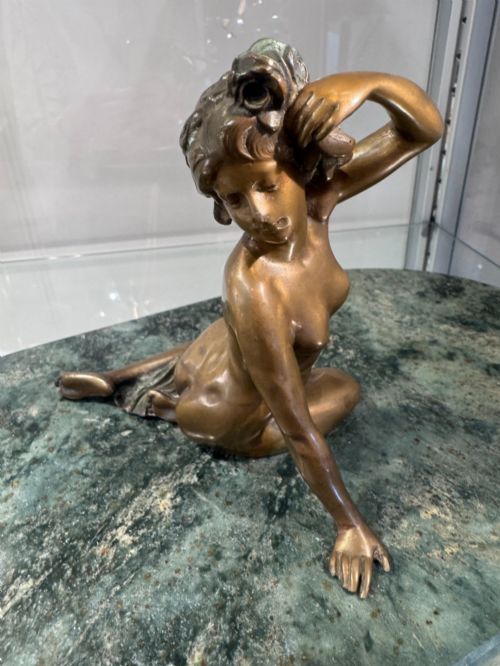
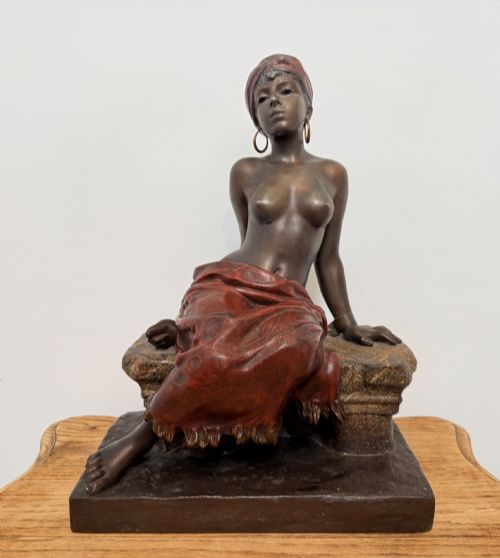
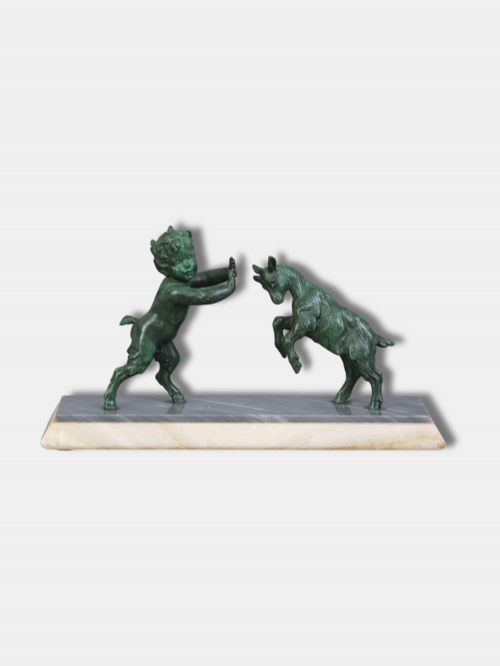
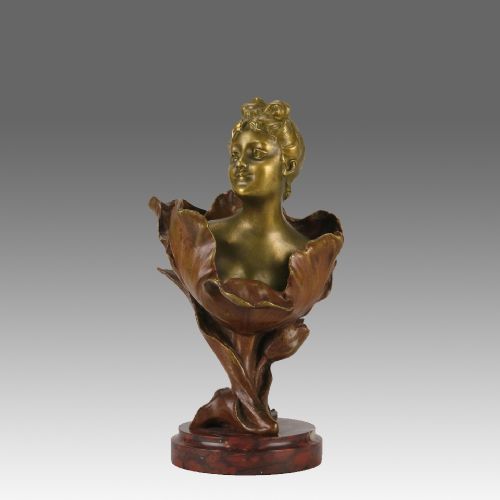
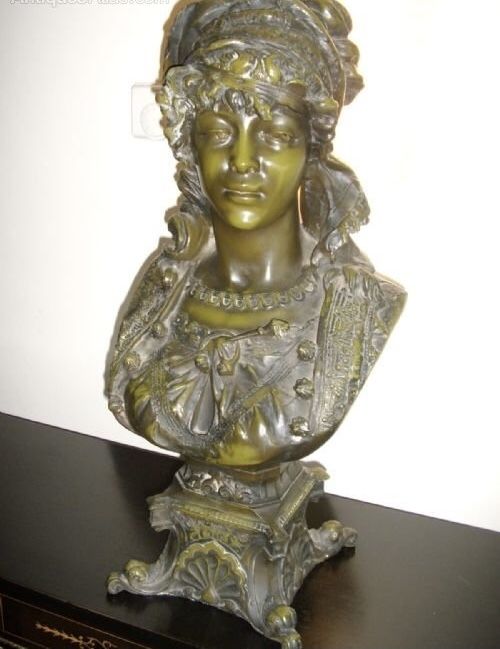
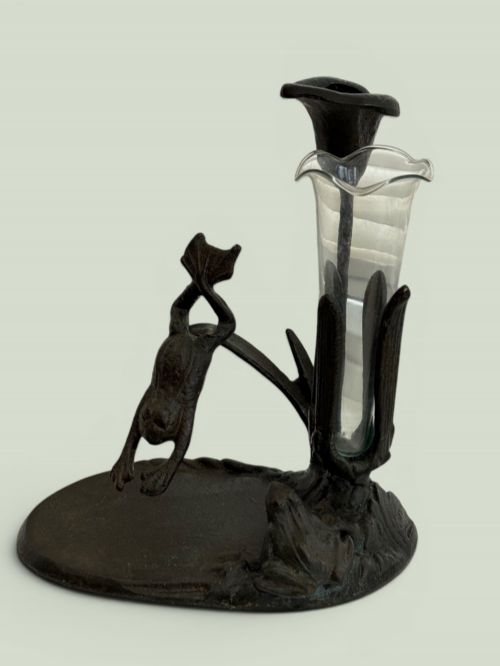
Art nouveau metal figures encompass sculptural works, table lamps, vases, card trays and table mirrors produced primarily around the turn of the twentieth century. These pieces draw heavily on natural forms, frequently depicting graceful women, nymphs and classical figures intertwined with floral motifs.
The selections available range from French bronze studies and German centrepieces to American cold painted pieces and decorative spelter models. Many incorporate functional elements such as glass bowls, lamps or marble bases, blending utility with ornamental artistry.
Originating largely from French, German and American workshops, these works span the late nineteenth century through to the early decades of the twentieth. Collectors encounter diverse materials including patinated bronze, gilt bronze and spelter, often mounted on verdi green or white marble.
Materials and methods
Foundries utilised bronze and spelter as the primary media for casting these figurative works, capturing intricate drapery and hair with precision. Spelter served as a popular, more affordable alternative to bronze, while bronze offered greater durability and finer detail in the casting process.
Many bronzes received hand-applied patination or cold painting to enhance depth, whilst spelter figures were frequently painted or gilt to simulate heavier metals. Bases were often turned from marble or wood to provide stability and a contrasting texture to the metallic finish.
Makers integrated additional components such as blown glass bowls and brass fittings, particularly in lamps and table centrepieces. These mixed-media assemblies required skilled mounting to secure the metal figures to their respective stone or glass supports.
Distinguishing quality
The refinement of the casting defines the upper tier of these sculptures, where facial expressions and subtle muscle contours remain sharp and distinct. Weaker examples exhibit softened details and blurred lines resulting from worn production moulds.
Surface finishing dictates much of the visual success of a piece, separating artisan patination from coarse or flat paint application. Superior works display nuanced patinas and careful hand-finishing that accentuate the organic curves characteristic of the period.
The integration of supporting materials such as high-grade marble bases and original glass components elevates the overall integrity of an object. Lesser examples often feature replacement elements or inferior mounting that disrupts the original balance of the design.
E Villanis·L & F Moreau·Emile Carlier·Henri Godet·Jennings Brothers·Georges Van Der Straeten·WMF
The Art Nouveau Metal Figures Glossary
- Spelter
- A zinc alloy commonly used as a cost-effective substitute for bronze in decorative figures. It accepts patination and paint readily, though it is softer and more brittle than bronze.
- Patinated bronze
- Bronze that has been treated with chemical solutions to produce a specific surface colour or aged finish. This process highlights the sculptural details and protects the metal.
- Cold painted bronze
- Bronze that has been painted with oil or enamel colours after casting, without subsequent firing. This technique allows for vivid, lifelike representation of garments and skin.
- Centrepiece
- A decorative object placed in the middle of a table, often combining a figure with a dish, tray or bowl. These versatile items served functional roles during dining or entertaining.
- Verdi green
- A mottled green colouration found on patinated metal or specifically chosen for marble bases. It mimics the natural oxidation of copper and bronze over time.
Art Nouveau Metal Figures: Frequently Asked Questions
What is the difference between bronze and spelter?
Bronze is a robust copper alloy that accepts fine detail and deep patination, making it the preferred medium for high-end sculpture. Spelter is a softer, zinc-based metal that was used to produce more accessible decorative pieces.
Spelter figures are lighter and more prone to wear, whereas bronze maintains its structural integrity and sharp definition over generations.
How were these figures used originally?
Many of these pieces served as decorative ornaments on mantelpieces, desks and sideboards within affluent households. Others were integrated into functional items such as table lamps, card trays and centrepiece bowls.
They were designed to showcase taste and appreciation for contemporary ornamental art during daily domestic life.
Where should I place a metal figure at home?
These figures suit stable surfaces away from direct moisture and excessive sunlight to protect patinas and marble bases. Placing them on side tables or mantelpieces allows the organic silhouettes to catch ambient light effectively.
Ensure larger pieces, such as lamp bases or centrepieces, rest on secure furniture where their weight is fully supported.