


Wooden Plinth Statues
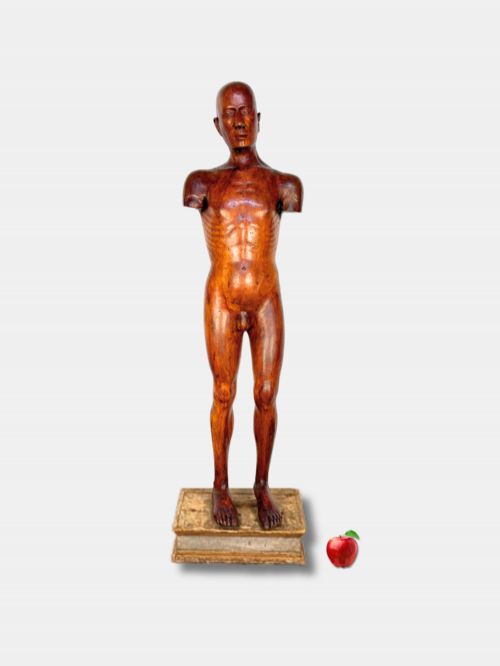
Wooden plinth statues bring solid presence into a room, uniting carved figures with architectural stands from the seventeenth to the twentieth century.
Wooden Plinth Statues
Wooden plinth statues combine solid carved figures and structural bases, offering a distinct sculptural form suited to interior display. When searching for wooden plinth statues, a buyer encounters everything from seventeenth-century polychrome figures to Victorian columns and twentieth-century animal groups.
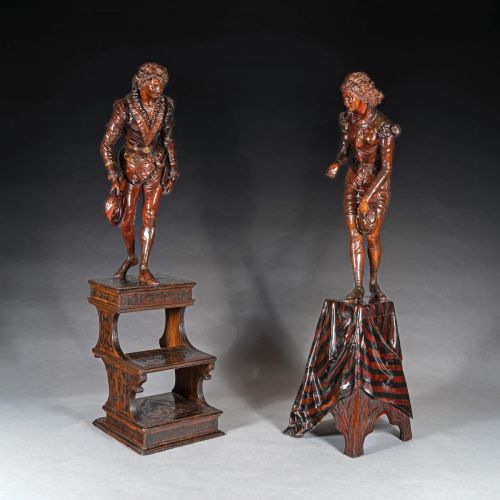
The pieces appearing on this page span several centuries, featuring nineteenth-century Victorian works alongside earlier seventeenth-century examples and twentieth-century designs. Forms range from life-size figures of men and pairs of carved lions to architectural columns and display pedestals.
Origins vary across European styles, taking in French Renaissance Revival, Italian Baroque, Gothic Revival, and Chippendale aesthetics. Buyers are most likely to meet carved wooden columns, figural statues mounted on bases, and pairs of decorative plinths.
How they were made
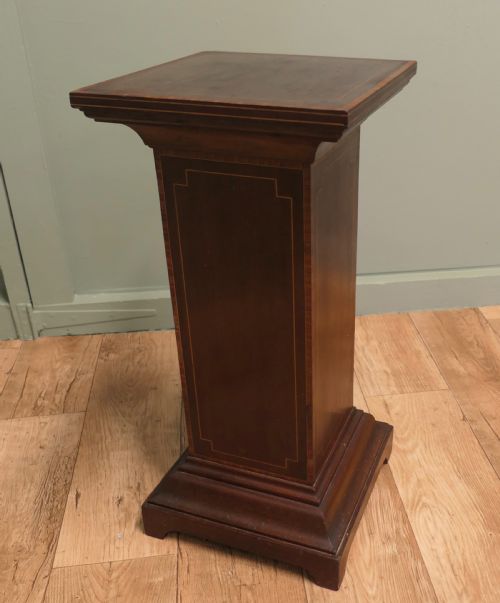
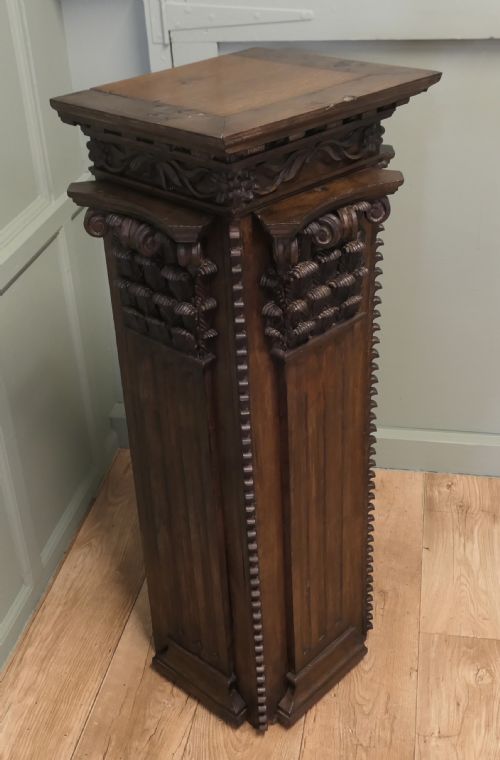
Makers shaped these pieces primarily from woods such as mahogany, oak, satinwood, and hardwood, applying carved detail by hand. Turnery techniques created cylindrical lamp stands and columns, while other works received painted or gilt finishes.
Certain figurative pieces incorporate polychrome paint layers on carved wood, while other compositions pair wood bases with bronze or cast metal elements. Guido Cacciapuoti also utilised pottery alongside wooden elements in twentieth-century groups.
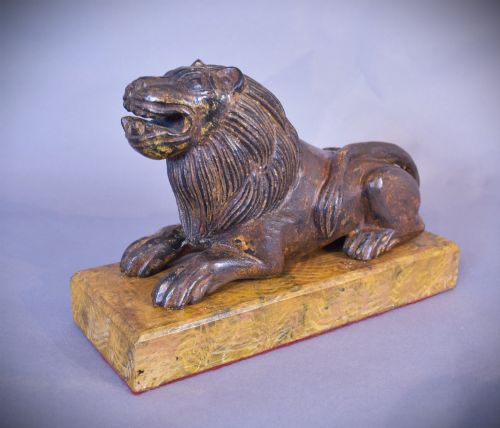
A stoic seventeenth-century carved lion on a plinth holds its ground alongside an Art Deco pottery fish group sharing a wooden base.
What varies in quality
The standard of carving distinguishes the handling of anatomy and drapery in figurative works, separating confident master carvers from simpler provincial output. Sharpness in architectural mouldings and turned columns marks out superior joinery.
The integrity of original painted and gilt surfaces preserves the historical character of pieces, while later overpainting alters the visual weight. Selection of dense timbers like mahogany and oak provides structural stability alongside rich grain patterns.
Guido Cacciapuoti
The Wooden Plinth Statues Glossary
- Polychrome
- Painted in several colours. This term describes early wooden figures decorated with pigments over a prepared ground.
- Santos
- A carved religious figure. These wooden effigies often stand on dedicated plinths or bases.
- Satinwood
- A durable exotic timber with a lustrous golden sheen. Victorian makers utilised this wood for decorative pedestals.
- Medici lion
- A classical sculptural motif depicting a guardian lion. Carved pairs of these beasts frequently mount sturdy stone or wooden plinths.
- Turned
- Shaped on a lathe. This technique produces symmetrical columns, pillars, and cylindrical lamp bases.
Wooden Plinth Statues: Frequently Asked Questions
What are wooden plinth statues?
Wooden plinth statues are sculptural works and figures mounted upon pedestals or bases, created from materials like oak, mahogany, and painted wood.
They encompass architectural columns, figural sculptures, and display stands spanning several historical periods.
How were wooden plinth statues used?
These pieces served as interior focal points, architectural supports, and decorative display stands for lamps or smaller objects in period homes.
Large figures and pairs of animals were positioned to command attention within reception rooms and halls.
How do I live with a wooden plinth statue?
Position your statue on a level surface away from direct heat sources to protect the timber and any historic painted or gilt finishes.
Allow adequate floor space around monumental pedestals and figural groups so their sculptural form remains clear.
How do I tell periods apart?
Examine the timber selection, tool marks, and stylistic revival cues such as French Renaissance or Chippendale details to establish age.
Seventeenth-century works often show heavier polychrome carving, whereas Victorian pieces frequently display turned mahogany or satinwood construction.