





Nineteenth Century Metal Statues
Nineteenth century metal statues bring classical figures, animals and allegorical forms into interiors through enduring bronze, spelter and cast iron.
Nineteenth Century Metal Statues
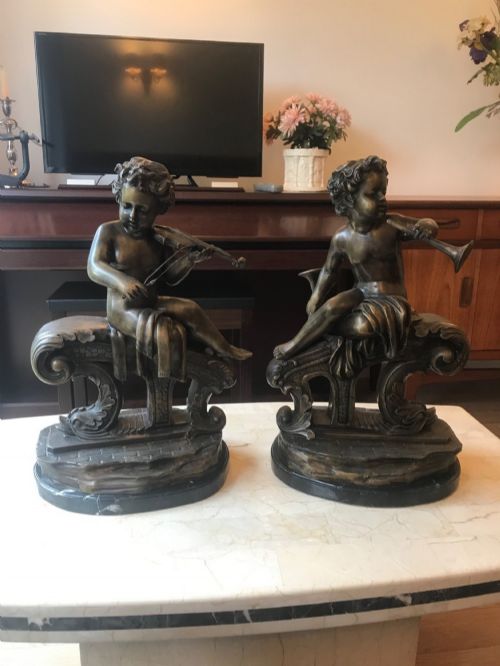
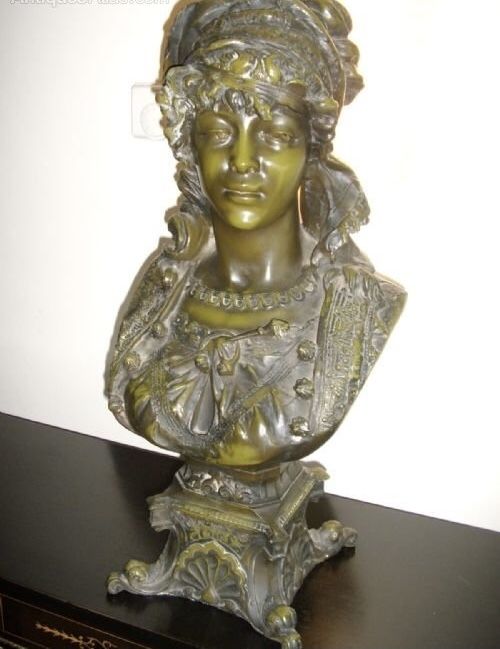
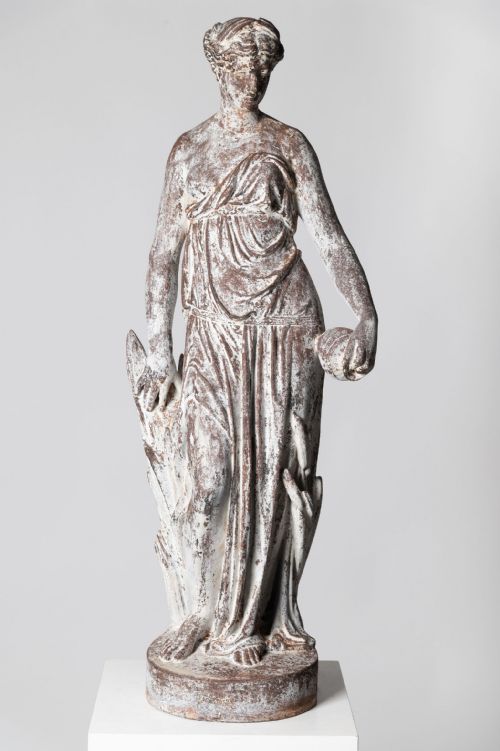
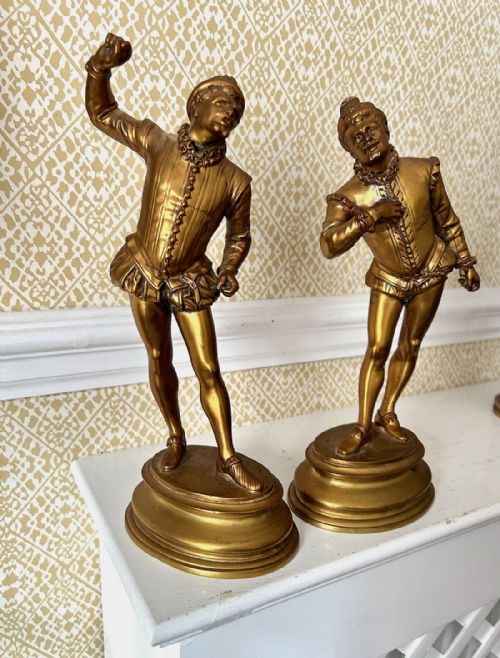
Nineteenth century metal statues encompass a diverse array of sculptures, figurines and architectural pieces ranging from small cabinet bronzes to large garden statuary. When you search for nineteenth century metal statues, you encounter works cast in bronze, spelter, cast iron and gilt metal reflecting Victorian, Art Nouveau, Meiji period and Neoclassical tastes.
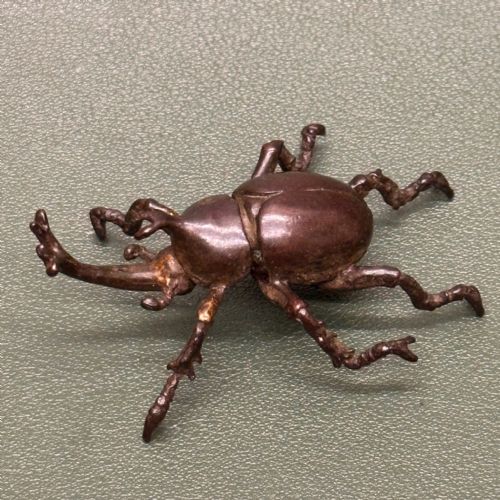
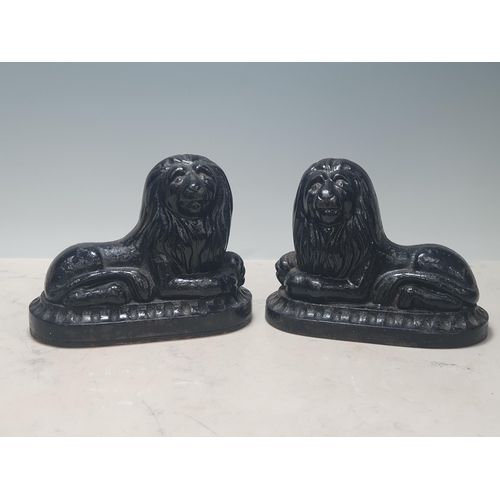
The pieces on this page include French foundry works, Japanese okimono, Grand Tour souvenirs and heavy cast iron items such as horse head hitching posts and doorstops. Figures range from mythological subjects and historical portraits to domestic animals, beetles and literary characters mounted on marble or wood bases.
How they were made
Foundries utilised traditional casting methods to produce these metal works, employing bronze, spelter and cast iron poured into moulds. Many finer pieces received patination treatments, hand-painting or gilt finishes to enhance surface detail.
Makers mounted sculptures on marble plinths, olive wood bases or incorporated subsidiary materials like malachite. Electrotype techniques also appeared for larger figures, while foundry stamps and signatures indicate specific workshops.
Listings feature works spanning the nineteenth century, including Victorian, Edwardian, Art Nouveau and Meiji period examples.
What varies in quality
The standard of a metal statue rests upon the crispness of the casting detail and the depth of the finish, whether patinated, gilt or painted. Finer works display meticulous hand-chasing after casting, which preserves the subtleties of facial expressions, drapery and texture.
The choice of base materials and the reputation of the foundry or artist involved elevate a piece. Solid bronze casts with clear signatures or foundry marks hold greater distinction than mass-produced spelter alternatives.
Val d’Osne foundry·Emile-Coriolan Guillemin·Jean Jules Salmson·C Dopmeyer·Georges Van Der Straeten·AL Barye·Barbedienne
The Nineteenth Century Metal Statues Glossary
- Bronze
- An alloy of copper and tin widely utilised for high-quality nineteenth century sculptures. It takes a fine patina and holds crisp detail from the casting process.
- Spelter
- A zinc-based alloy often used as a less costly alternative to bronze for decorative figures. It is softer and typically bears a painted or bronze-effect finish.
- Patination
- The surface treatment or chemical coloration applied to metal sculptures. It creates aged tones ranging from rich browns to deep blacks.
- Okimono
- A Japanese decorative object or carving meant for display on a shelf or tabletop. Examples in metal often depict animals with realistic observation.
- Grand Tour
- A cultural journey undertaken by wealthy Europeans that popularised small bronze replicas of classical antiquities. These souvenirs formed a distinct category of nineteenth century sculpture.
Nineteenth Century Metal Statues: Frequently Asked Questions
What is the difference between bronze and spelter figures?
Bronze is a durable copper alloy that accepts detailed chasing and rich patination. Spelter is a softer zinc-based metal typically finished with a surface coating.
Spelter figures tend to be lighter and more affordable alternatives produced in large quantities during the Victorian era.
How do I care for nineteenth century metal statues?
Keep metal sculptures away from direct moisture and extreme temperature fluctuations to protect the underlying patina or gilt surface. Dust gently with a soft, dry cloth rather than using chemical polishes.
For marble or wood bases, avoid liquid cleaners that might seep into the porous stone or unsealed timber joints.
What was the Grand Tour influence on these statues?
The Grand Tour encouraged travellers to collect small bronze copies of classical monuments and famous sculptures. These portable works brought ancient aesthetic ideals into nineteenth century homes.
Collectors valued them both as travel mementos and as markers of classical erudition.
How can I identify Japanese Meiji period metalwork?
Meiji period metal statues often showcase remarkable naturalism in animal subjects like beetles, dogs and wolves. They reflect the opening of Japan to Western trade and the high technical skill of Eastern metalworkers.
These pieces frequently carry distinct textural finishes that set them apart from contemporary European foundry work.