


Antique French Statues
Antique french statues bring classical figures, mythological subjects, and animalier studies into rooms through skilled metalwork and carving.
Antique French Statues
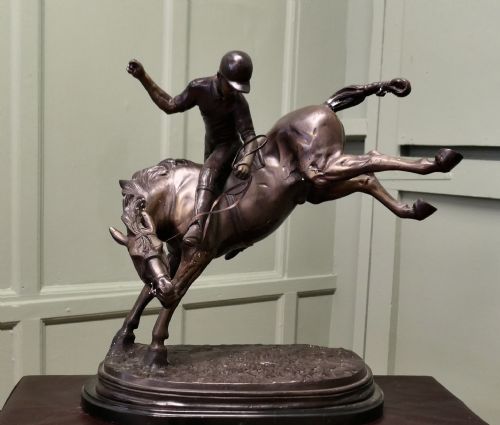
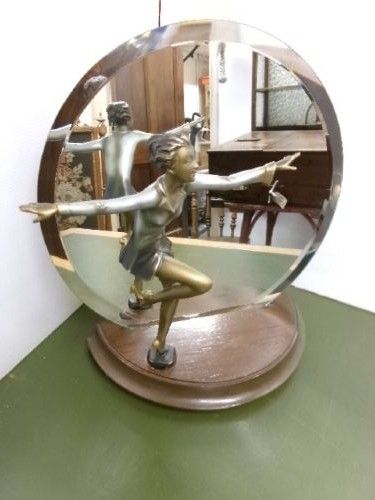
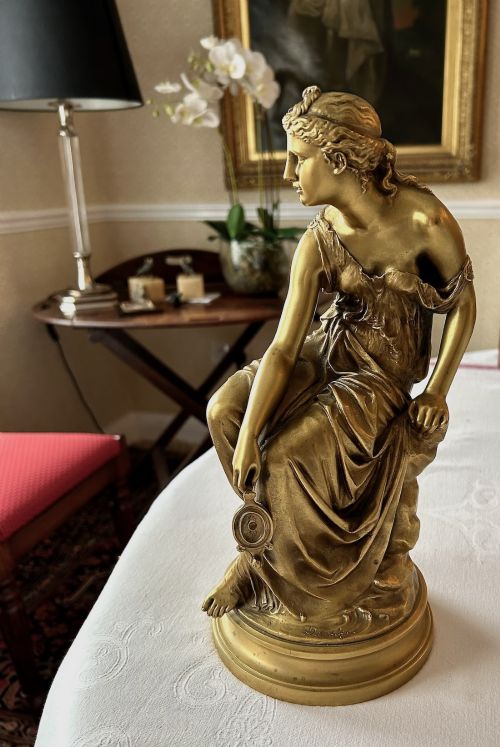
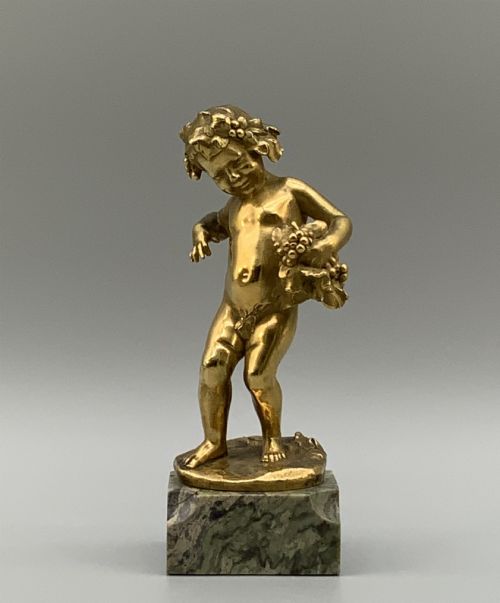
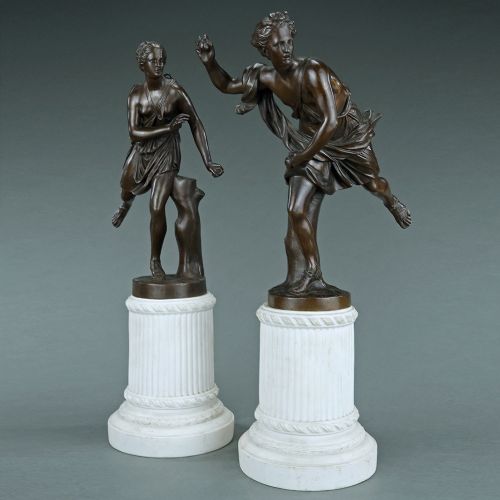
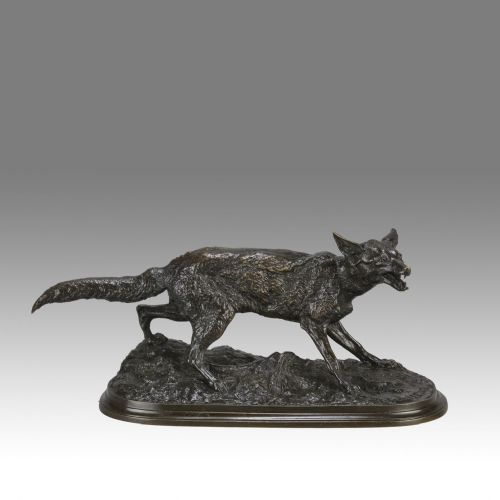
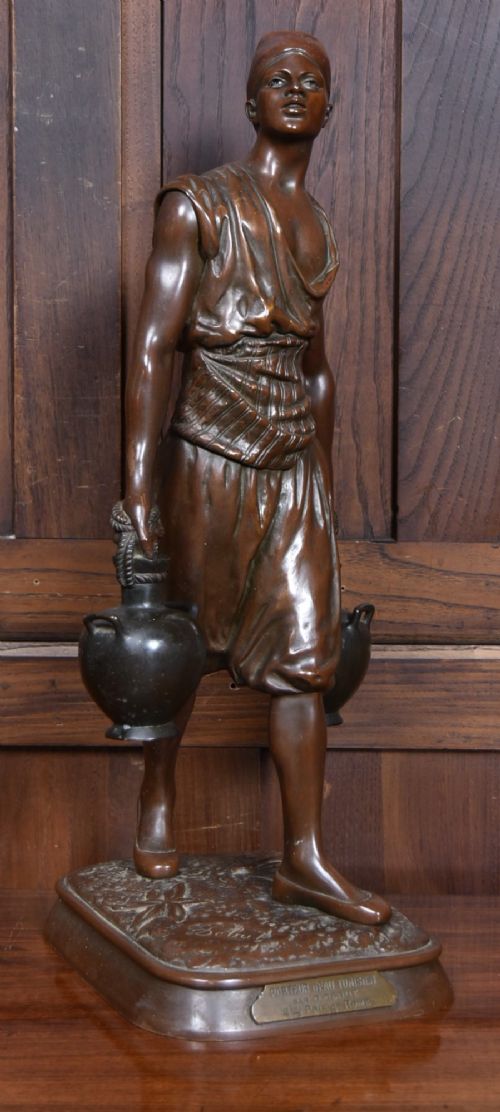
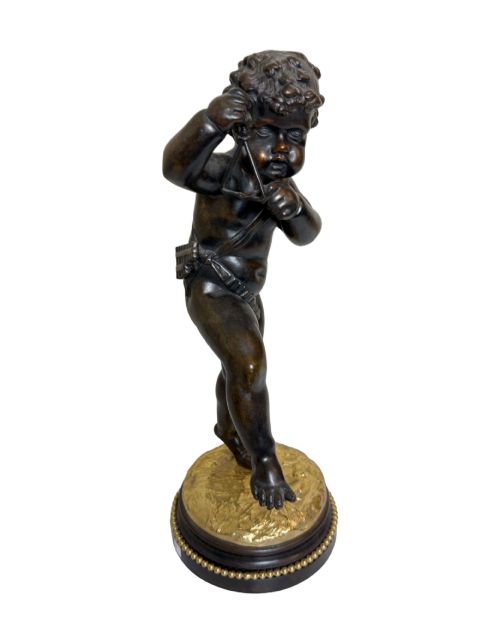
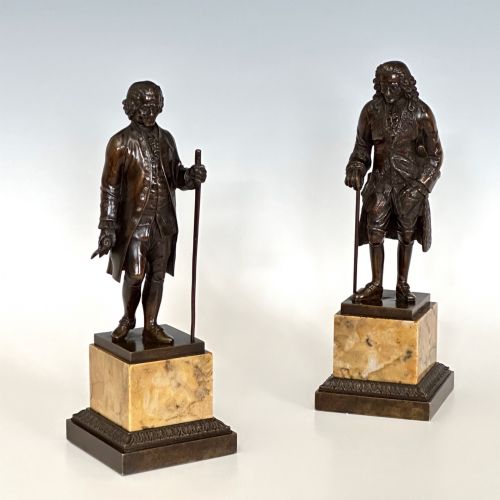
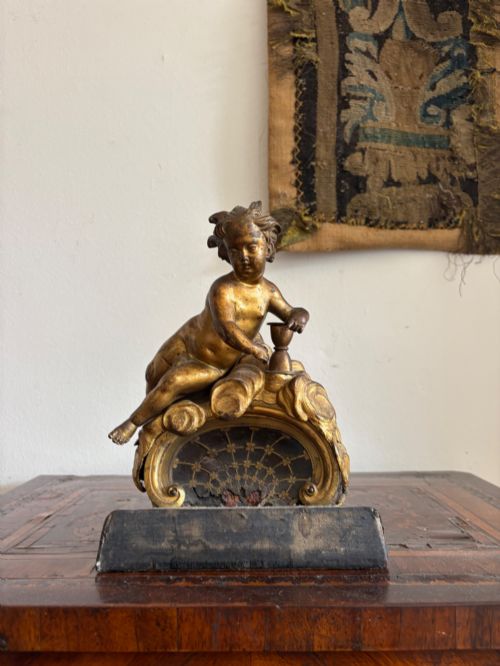
Antique french statues encompass figural works, mythological subjects, and animalier studies rendered in metal and stone. When searching for antique french statues, buyers encounter pieces ranging from nineteenth century classical maidens and putti to art deco dancers and panthers.
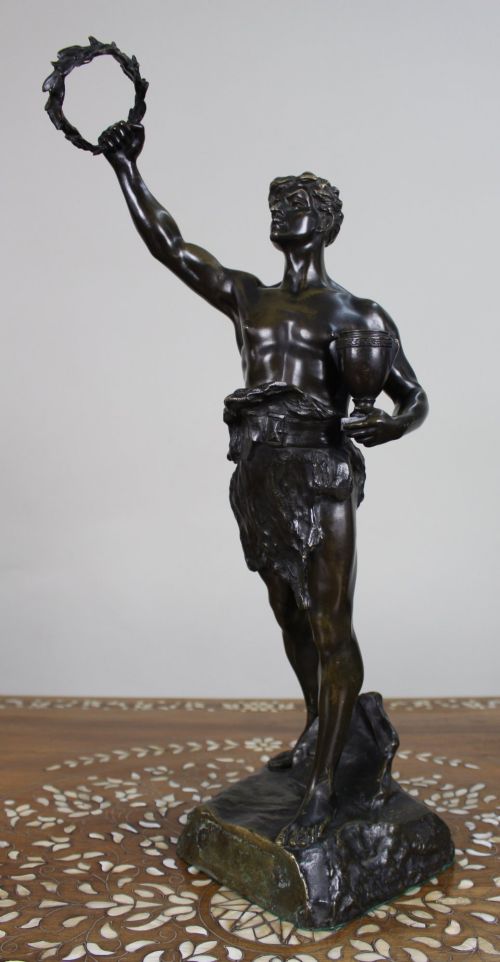
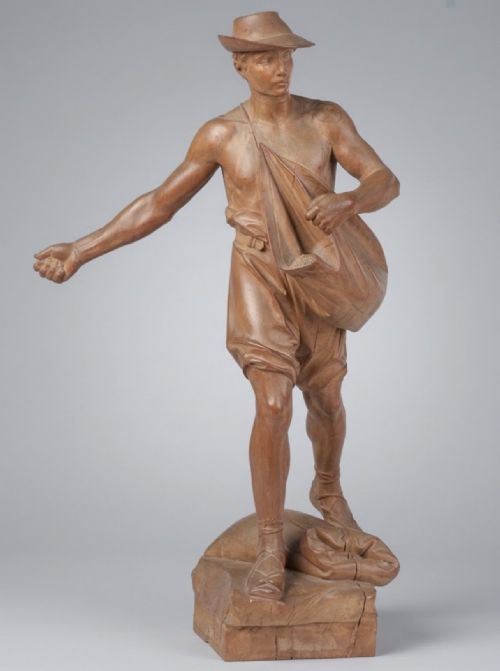
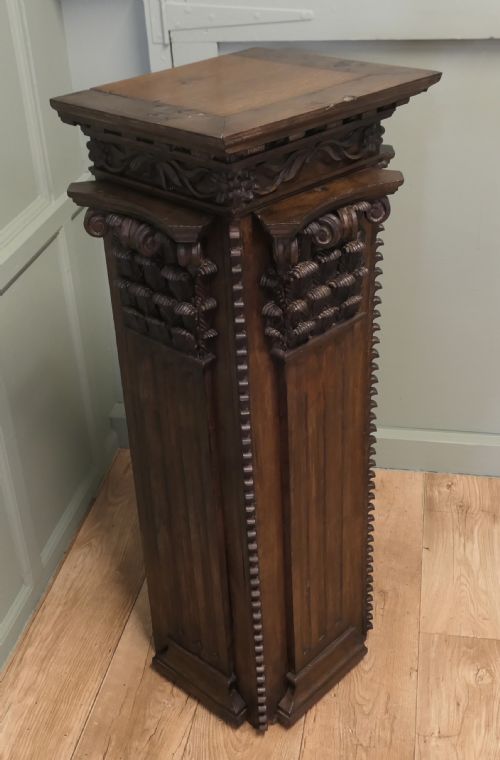
The selection includes cabinet bronzes, larger floor sculptures, and architectural columns or display pedestals designed to elevate them. Works span neoclassical, animalier, art nouveau, and art deco styles, reflecting changing tastes across the nineteenth and twentieth centuries.
Most examples originate from French foundries, studios, and individual sculptors working in bronze, spelter, marble, and carved wood. These figures frequently depict historical characters, allegorical figures, classical deities, and domestic or wild animals.
Materials and Technique
Foundries produced many of these sculptures using the lost-wax method or sand casting in bronze, applying patinas ranging from deep brown to gilt and cold-painted finishes. Spelter appears as an alternative metal medium, often given a bronze-like or polychrome coating to emulate costlier materials.
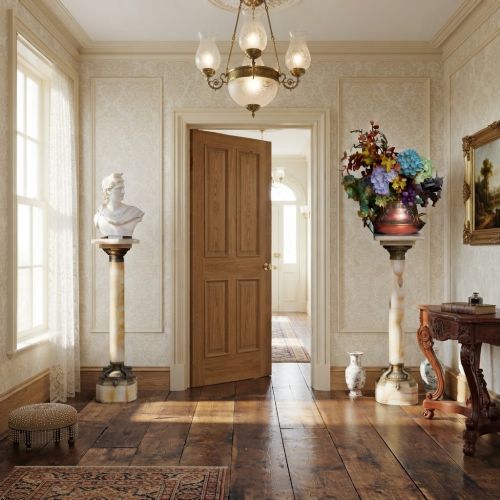
Carved marble, alabaster, and onyx provide structural bases and independent portrait busts, paired occasionally with ormolu collars or mounts. Wood carving also appears in larger figures, utilising oak and fruitwood for sculptural form and display columns.
Listings feature works from the nineteenth and twentieth centuries, spanning neoclassical, art nouveau, and art deco movements in bronze, marble, and wood.
The Spectrum of Quality
Casting crispness and chisel work separate standard commercial editions from foundry masterpieces supervised by prominent makers. Sharp detail in facial expressions, drapery folds, and musculature indicates superior execution.
The richness of the applied patina or fire gilding contributes significantly to visual depth and preservation. Base materials also dictate quality, where solid cast bronze and dense carrara marble outrank softer spelter or composite substitutes.
Etienne-Henri Dumaige·Susse Frères·Ferdinand Barbedienne·P J Mêne·Pierre le Faguays·Moreau Family·E Villanis
The Antique French Statues Glossary
- Animalier
- A nineteenth-century artistic movement focused on the realistic depiction of animals, particularly predators and horses in motion. Sculptors in this genre studied anatomy extensively at menageries.
- Spelter
- A zinc alloy commonly utilised as a less expensive substitute for bronze in decorative figures. It is softer than bronze and frequently carries a surface finish mimicking older metal.
- Ormolu
- Gilt bronze created by applying a mixture of gold and mercury to a bronze object before heating. The technique produces a durable golden surface seen on mounts and decorative details.
- Patina
- The surface coloration and sheen developed naturally over time or applied chemically by a founder. This finish protects the underlying metal and adds visual depth to sculptures.
- Lost-wax casting
- A metalworking process where a molten metal is poured into a mould that has been created by means of a wax model. The wax is melted and drained away to allow precise reproduction of fine details.
Antique French Statues: Frequently Asked Questions
How do I identify a spelter statue from bronze?
Spelter is lighter in weight than bronze and tends to feel softer when scratched beneath the base where the finish is absent. It also lacks the natural warm resonance and dense structural integrity found in cast bronze.
Examination of the surface often reveals areas where the applied bronze-coloured paint has worn thin to expose the greyish metal underneath. Bronze develops a stable oxidation layer over time, whereas spelter corrodes and flakes differently.
Were these statues signed by the sculptor?
Many nineteenth and twentieth-century French sculptures bear the signature of the artist cast directly into the bronze or carved into the marble base. Foundry stamps and cachets frequently accompany these signatures to verify production origins.
Unsigned pieces remain common, often representing studio work or later commercial editions produced without individual artist attribution. Catalogues raisonnés and foundry records help attribute unsigned works through comparison of form and casting style.
What is the purpose of marble bases on metal figures?
Marble bases provide necessary physical stability and weight to counterbalance the upper metal sculpture. They also serve an aesthetic function, contrasting the dark or gilt metal surfaces with polished stone.
During the art deco period, stepped and multi-coloured marble plinths became integral architectural elements of the design. These bases often incorporate channels or bevelled edges characteristic of specific stylistic periods.
How should antique bronze statues be cleaned?
Maintenance requires only gentle dusting with a soft, dry cloth to remove surface particles. Avoid water, commercial brass polishes, and chemical cleaners that strip away the original historical patina.
Microcrystalline wax can be applied very sparingly by experienced collectors to protect vulnerable metal surfaces from atmospheric moisture. Professional conservation is recommended for pieces showing active corrosion or structural damage.