


French Mantel Ornaments
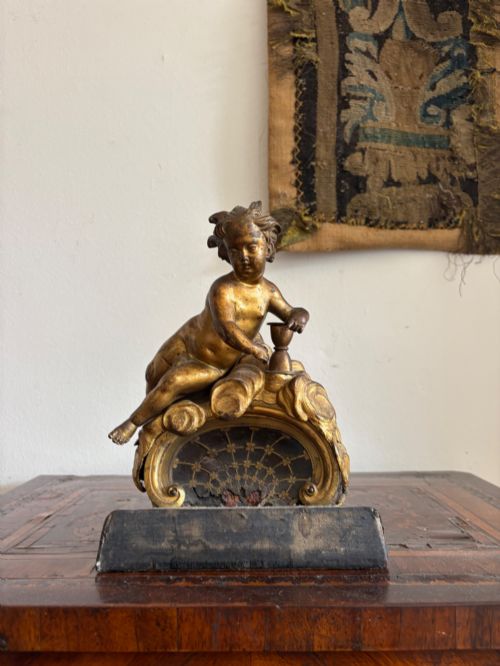
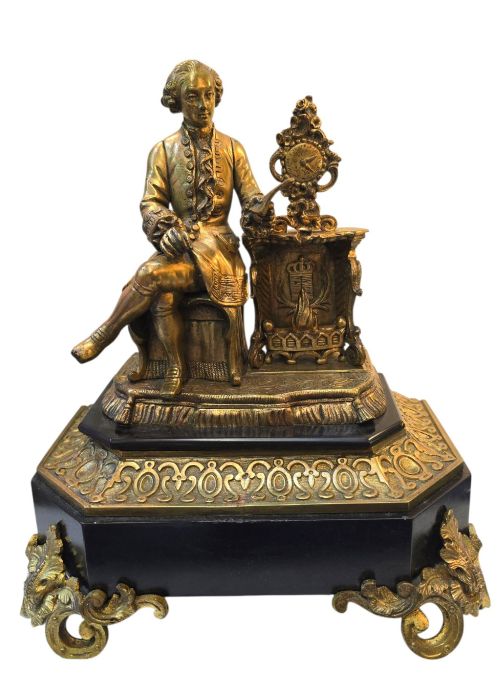
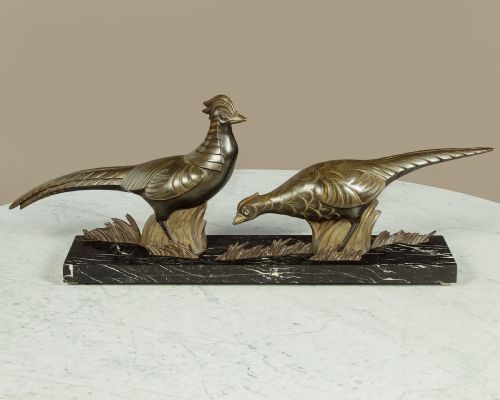
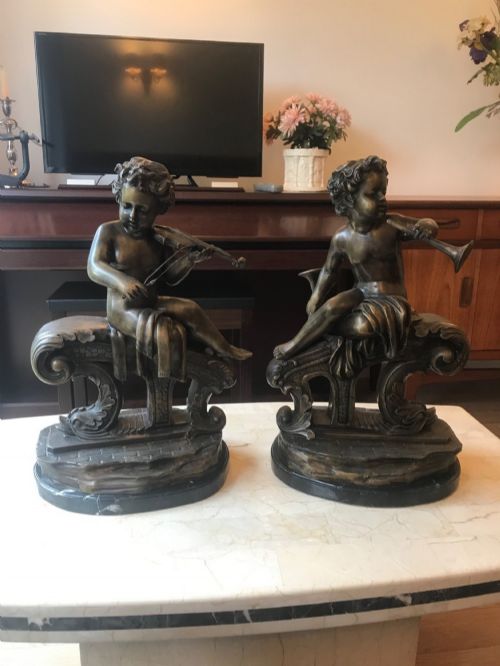
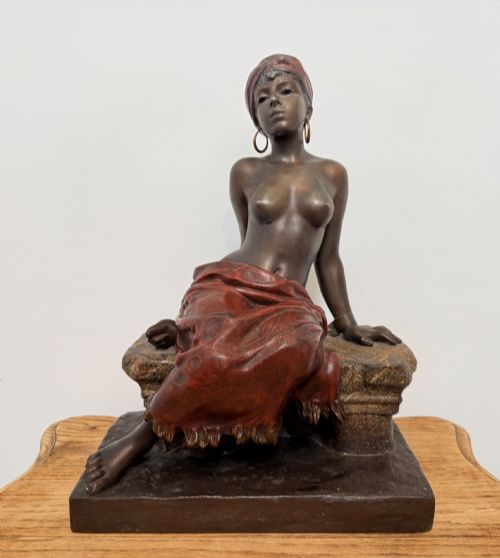
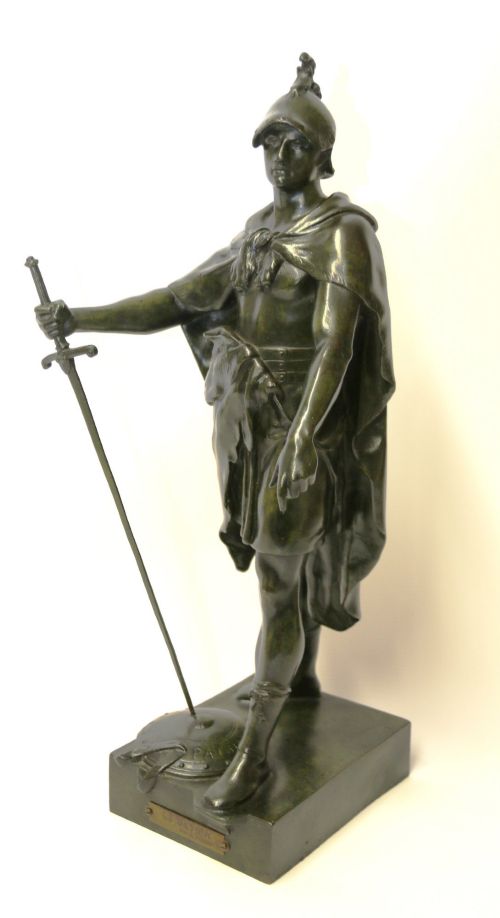
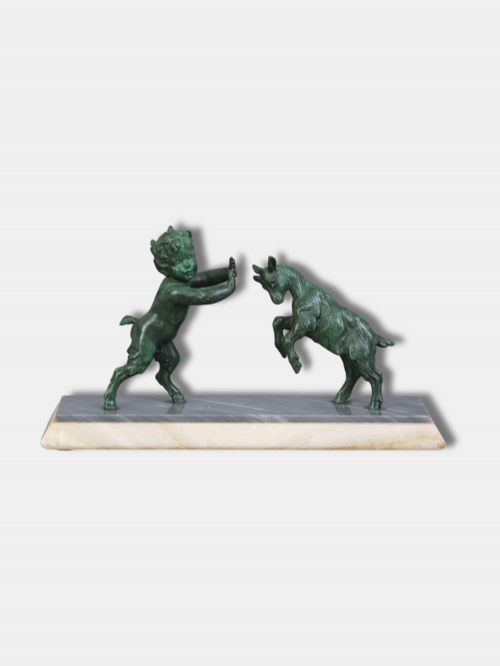
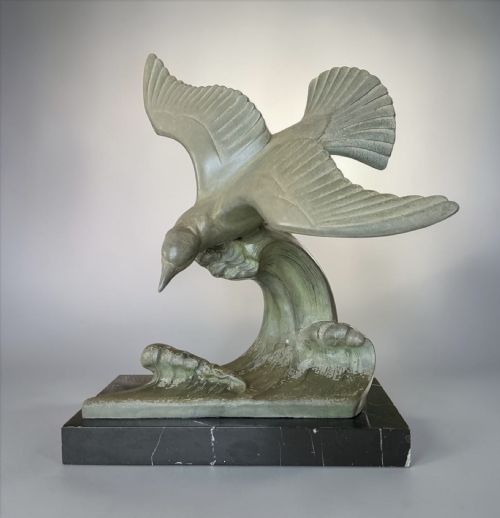
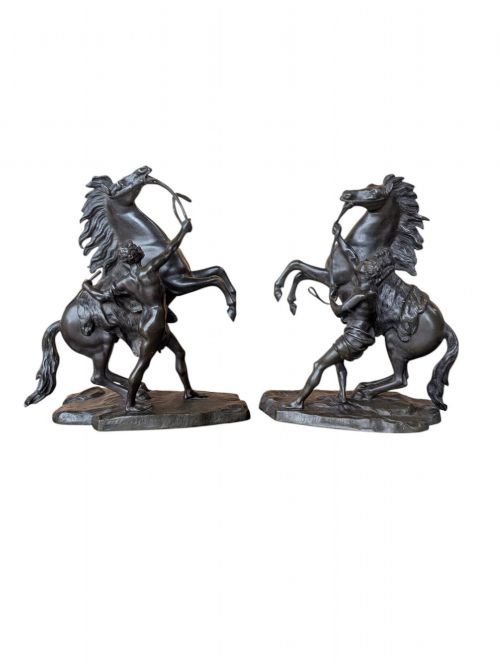
These french mantel ornaments bring character and historic weight to a room, ranging from classical bronze figures to sleek Art Deco bird studies.
French Mantel Ornaments
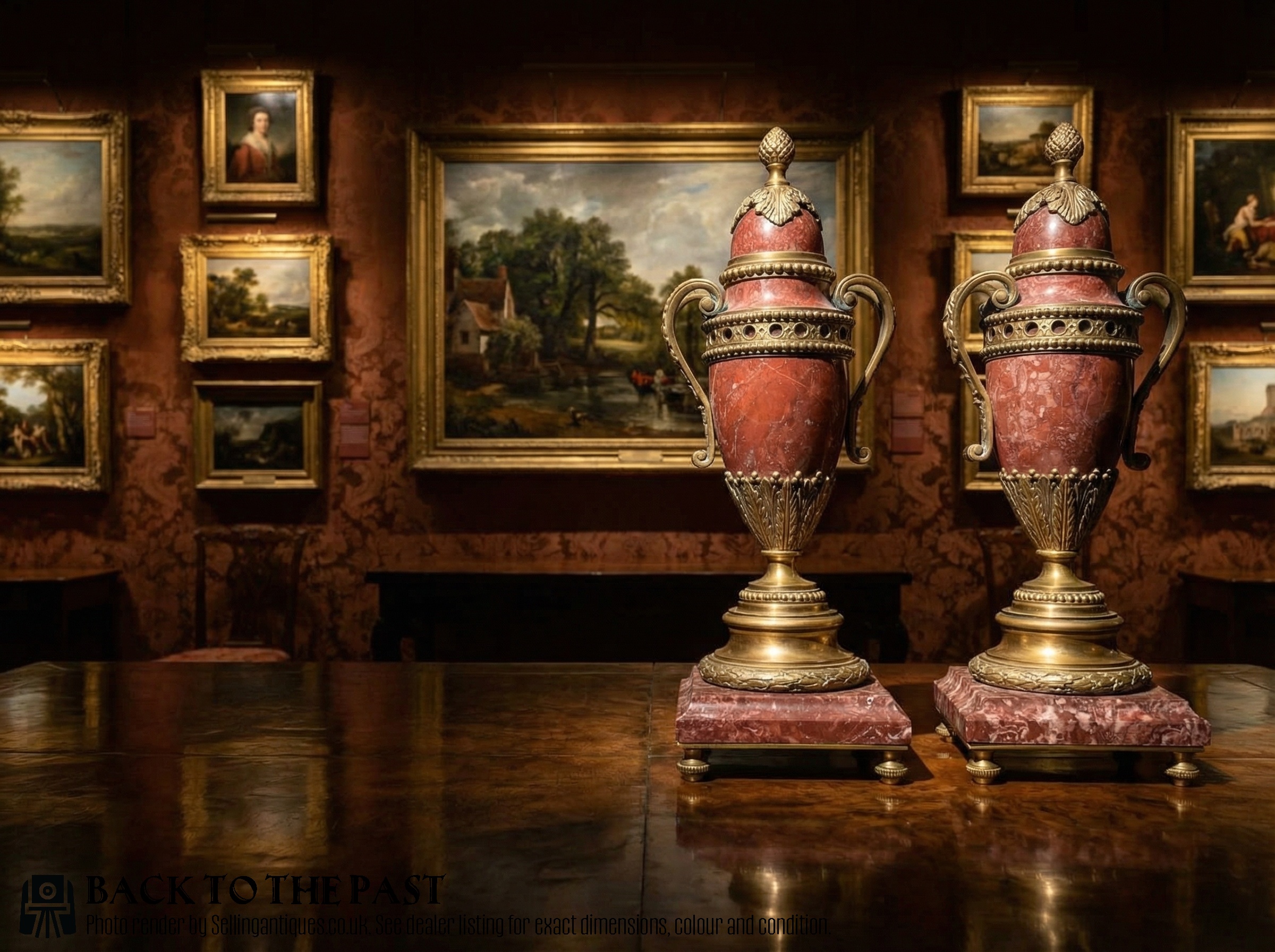
French mantel ornaments encompass a diverse array of decorative objects, sculptures, and architectural pieces designed to display upon fireplace ledges and salon surfaces. These items range from nineteenth-century bronze figures and porcelain figurines to early twentieth-century animalier studies and geometric Art Deco pieces.
How they were made
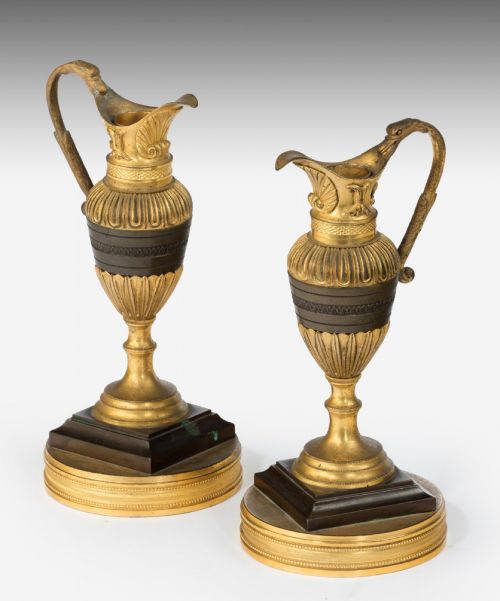
Foundry work relied on traditional casting methods, predominantly lost-wax or sand casting for bronze and spelter figures, allowing for fine anatomical and textural detail. These metal components were frequently finished with gilt bronze, ormolu, or patinated surface treatments to enhance depth and contrast.
Carved hardstones such as white marble, rouge marble, and green Egyptian onyx provided heavy, stable bases and bodies for cassolettes and obelisks. Artisans also utilised fine ceramic pastes for bisque porcelain figures and painted Parisian porcelain creations, often mounting them onto stepped plinths.
Listings span the nineteenth century through the nineteen-thirties, incorporating Art Deco, Neoclassical, and Rococo Revival styles in bronze, marble, and porcelain.
What varies in quality
The selection of base materials and the integration of mixed media separate standard production pieces from exceptional works. Fine marbling, dense onyx, and rich, even patination or gilding indicate a higher tier of workshop execution and material cost.
Émile Louis Picault·Emile Carlier·Paul Philippe·Isadore Bonheur·Clodion·Sylvain Kinsburger·Paul-Édouard Delabrièrre·Antoine Louis Barye·Barbedienne·Clovis Masson·Demetre Chiparus·P J Mêne·Claire Colinet
The French Mantel Ornaments Glossary
- Ormolu
- Gilded bronze achieved through a mercury amalgamation process or modern electroplating, imparting a brilliant golden finish to decorative mounts.
- Cassolette
- A decorative vessel, often in marble or porcelain, featuring a reversible lid that functions either as a solid vase or a burner.
- Animalier
- A nineteenth-century artistic genre dedicated to the realistic portrayal of animals, particularly predators, game, and domestic pets in dynamic poses.
- Chryselephantine
- A sculpture combining metal, typically bronze, with carved ivory elements used for faces and hands, prevalent in Art Deco works.
- Spelter
- A zinc alloy commonly utilised as a less expensive substitute for bronze in nineteenth-century decorative figures, finished to imitate bronze or paint.
French Mantel Ornaments: Frequently Asked Questions
What materials were used for french mantel ornaments?
Makers utilised a variety of substances, most notably cast bronze, spelter, and carved marbles alongside onyx and porcelain.
Surface finishes such as gilt bronze, ormolu, and hand-painted details were applied to enhance the visual appeal of these decorative objects.
How do I identify Art Deco mantel pieces?
Art Deco ornaments generally date from the nineteen-twenties and nineteen-thirties, featuring stylised geometric forms, streamlined silhouettes, and subjects like dancers or birds.
These works frequently combine silvered bronze or chryselephantine materials rather than the classical motifs seen in nineteenth-century examples.
What is an animalier bronze?
Animalier bronzes focus specifically on naturalistic depictions of animals, capturing creatures in motion or repose with careful attention to anatomy.
Sculptors working in this genre produced studies of bulls, lions, dogs, and birds intended for prominent display on domestic mantelpieces.
How should I clean bronze and marble ornaments?
Dust bronze and marble surfaces gently with a soft, dry cloth to prevent the accumulation of grime without disturbing the underlying patina.
Avoid chemical polishes and abrasive cleaners, which can strip away historic surface treatments and damage softer stones.