



Victorian Historical Figurines
Victorian historical figurines capture statesmen, warriors and literary figures in bronze, earthenware and wood, bringing tangible presence to the nineteenth-century past.
Victorian Historical Figurines
Victorian historical figurines comprise sculptural representations of notable historical and political personalities produced during the nineteenth century and associated eras. Collectors seeking these pieces encounter subjects ranging from military leaders and monarchs to patriots and literary figures.
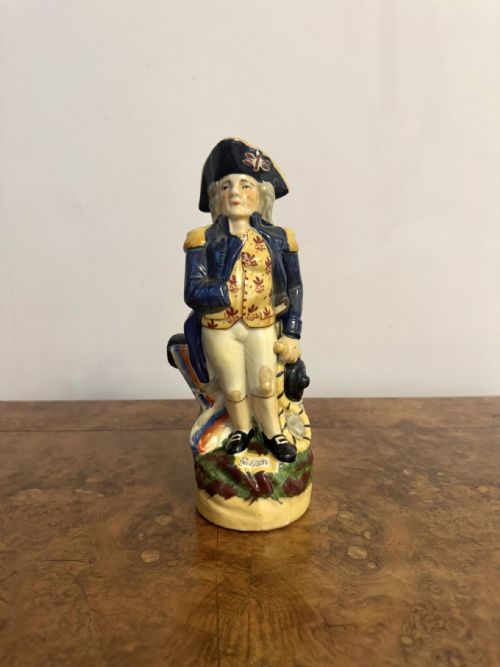
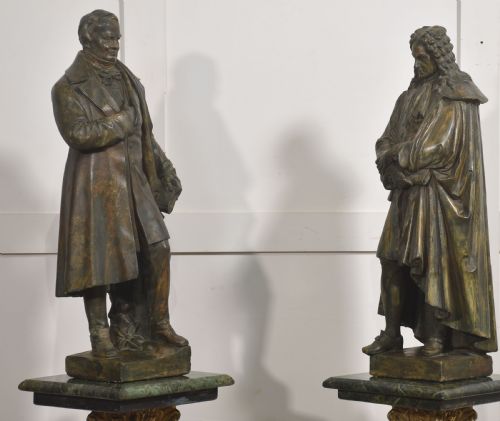
The selections span diverse forms including earthenware portrait figures, patinated bronze sculptures, chalk figures and wooden carvings. English Staffordshire pottery and nineteenth-century bronze work dominate the visual landscape of these historical portrayals.
Makers drew inspiration from figures like Lord Nelson, Oliver Cromwell, Napoleon III and Queen Boadicea, translating historical prestige into domestic display objects. These pieces function simultaneously as decorative art and as tangible markers of Victorian hero worship.
Materials and Techniques
Makers utilised bronze, earthenware, chalkware and wood to shape these historical representations, often applying paint, enamel or ceramic glaze for surface colour. Bronze sculptures and electrotype figures relied on metal casting techniques to achieve durable definition.
Pottery figures emerged from Staffordshire kilns where earthenware bodies received hand-painted details beneath protective glazes. Wood carvers worked directly on chunky timber blocks to render portraits with carved textures.
Victorian Historical Figurines Retail Price Guide 2026
Typical asking prices for victorian historical figurines among the pieces listed under this phrase on Sellingantiques today, from the lower quarter to the upper quarter. They describe what is for sale here now, not the wider market.
Some nineteenth-century potters boldly mislabelled their Staffordshire figures, casting Benjamin Franklin and naming him Washington.
Markers of Quality
Quality reveals itself in the fidelity of the portraiture and the crispness of the modelling across bronze, ceramic and wood mediums. Sculptures cast by named artists or produced in patinated bronze demonstrate finer anatomical detail than standard earthenware pressings.
The application of paint, enamel and glaze dictates the visual success of pottery and chalk figures, where clean brushwork enhances the character of the subject. Substantial weight and careful finishing separate ambitious gallery pieces from simpler commemorative wares.
Dopmeier·Jean Jules Salmson·C Dopmeyer·C.Anfrie
The Victorian Historical Figurines Glossary
- Staffordshire pottery
- Ceramic wares produced in the Staffordshire potteries, frequently taking the form of portrait figures and royal subjects. These pieces were moulded in earthenware and hand-painted.
- Patinated bronze
- A bronze sculpture treated with chemical solutions to produce a specific surface colour or aged finish. This technique highlights sculptural contours and protects the metal.
- Electrotype
- A metal-copying process utilising electroplating to deposit a thin layer of metal onto a mould. This method allowed the creation of detailed bronze figures.
- Chalkware
- Plaster of Paris moulded and painted to imitate more expensive materials like carved marble or bronze. It served as an affordable medium for decorative figures.
- Toby jug
- A pottery jug shaped like the full figure of a notable person or character, typically depicted seated with a mug and pipe. They formed a popular branch of ceramic portraiture.
Victorian Historical Figurines: Frequently Asked Questions
What materials are used for these figurines?
Makers employed bronze, earthenware, chalkware and wood to create these historical pieces. Surface decoration typically involved hand-applied paint, enamel or ceramic glaze.
Pottery pieces often originated in Staffordshire kilns, while bronze works utilised casting and patination techniques for durability and depth.
Who do these historical figurines depict?
The subjects include military commanders, political leaders, monarchs and patriots from British and European history. Figures range from Lord Nelson and Oliver Cromwell to Napoleon III and Queen Boadicea.
Creators also portrayed literary figures and lesser-known historical actors to satisfy nineteenth-century public interest.
How do I display them at home?
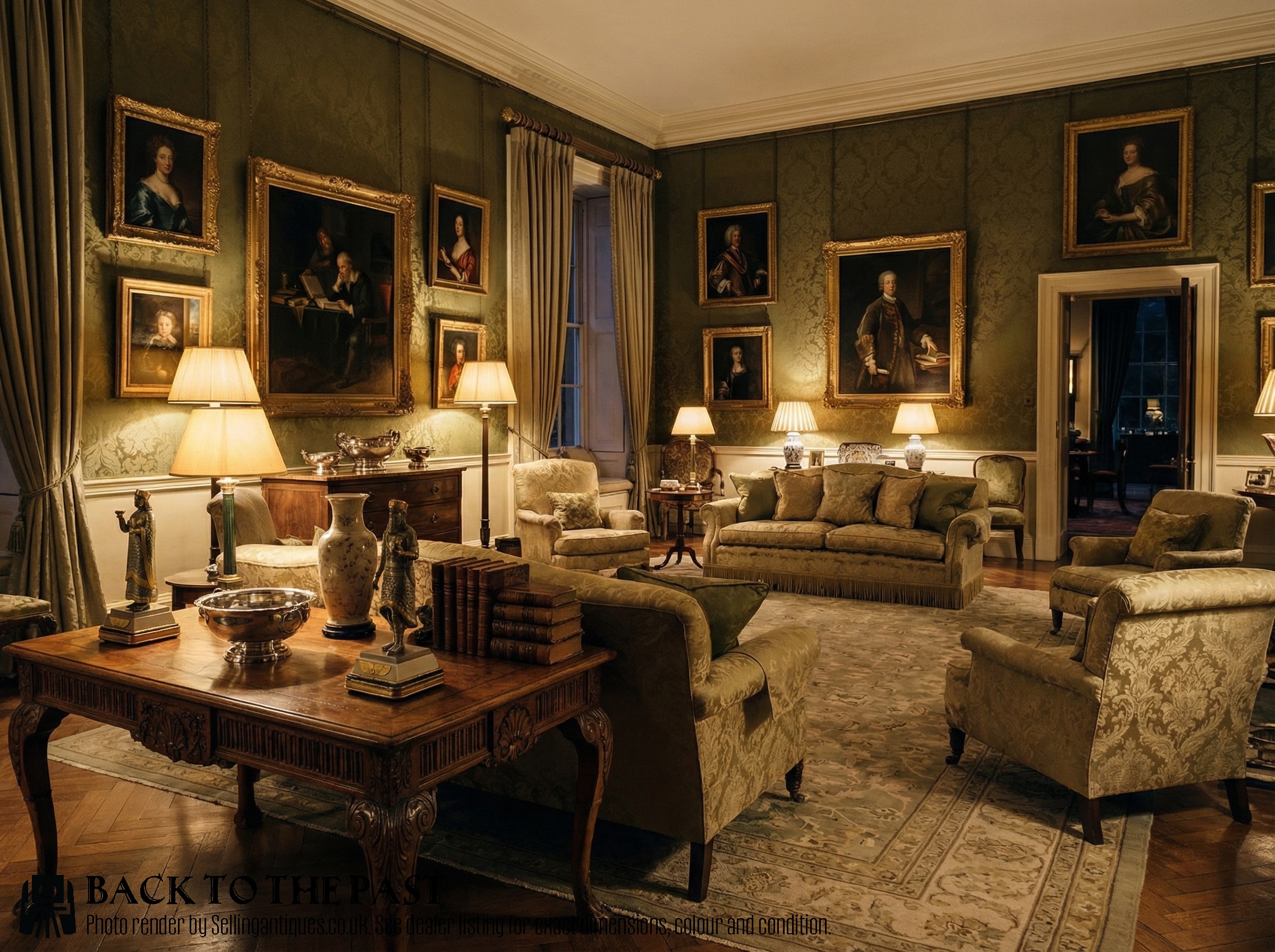
These sculptures and figures suit display on mantelpieces, bookshelves or dedicated collector cabinets where lighting can highlight their materials. Bronze pieces and chalk figures require stable surfaces away from excessive moisture.
Ceramic and wooden examples benefit from placement out of direct sunlight to preserve painted and glazed surfaces.
How are bronze and pottery figures told apart?
Bronze figures feature metal casting, patination and substantial weight, often bearing signatures or foundry marks from artists. Pottery examples show ceramic bodies with glazed surfaces and hand-painted details typical of Staffordshire production.
Chalkware offers a distinct plaster composition, whereas wood carvings reveal natural grain and chisel marks.