
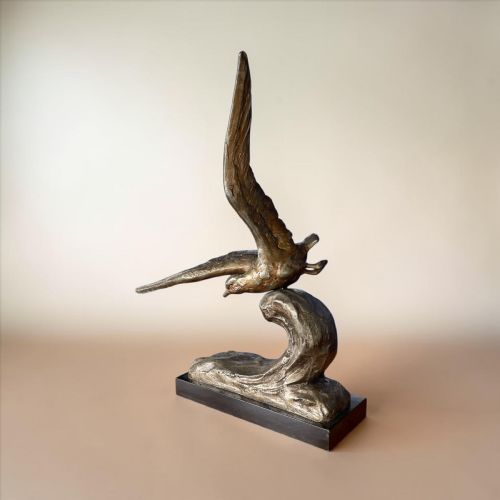


Antique Bronzed Table Ornaments
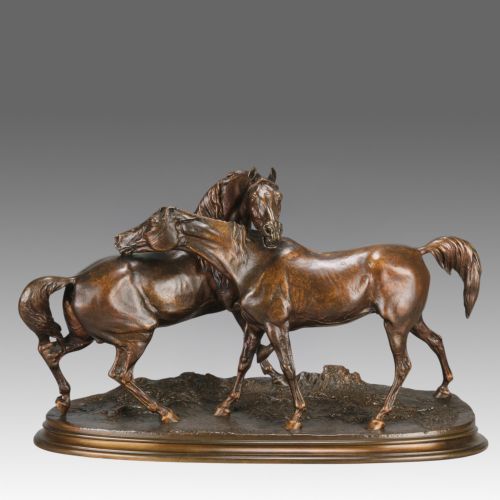
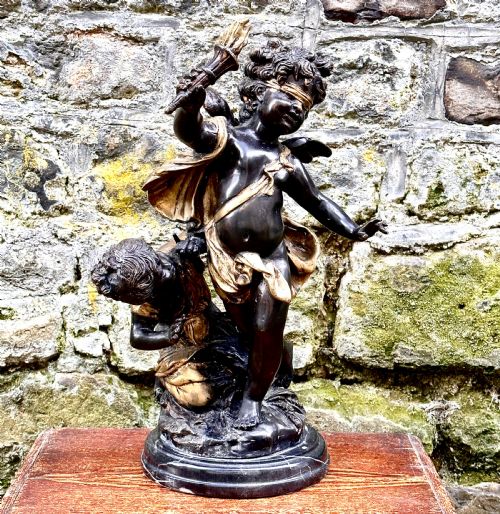
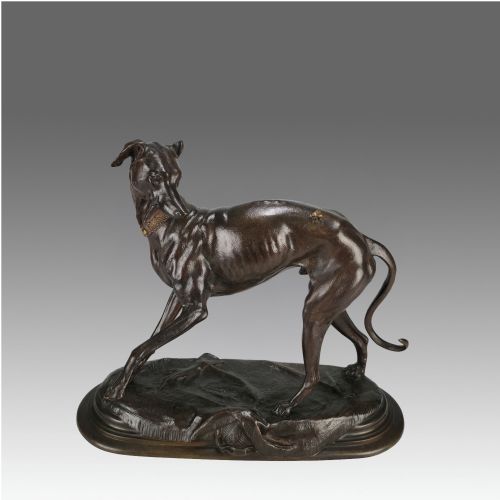
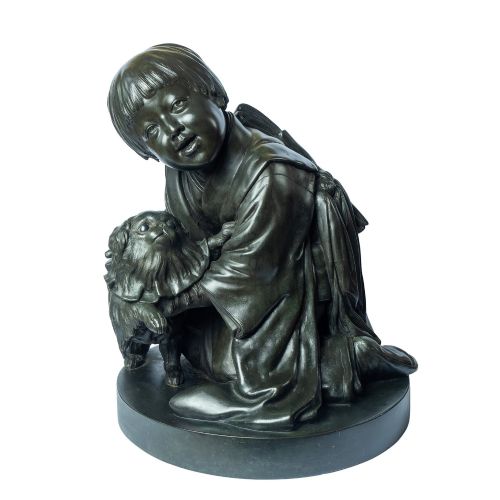
These antique bronzed table ornaments bring character to a room, ranging from small animal figures to classical figures cast in metal.
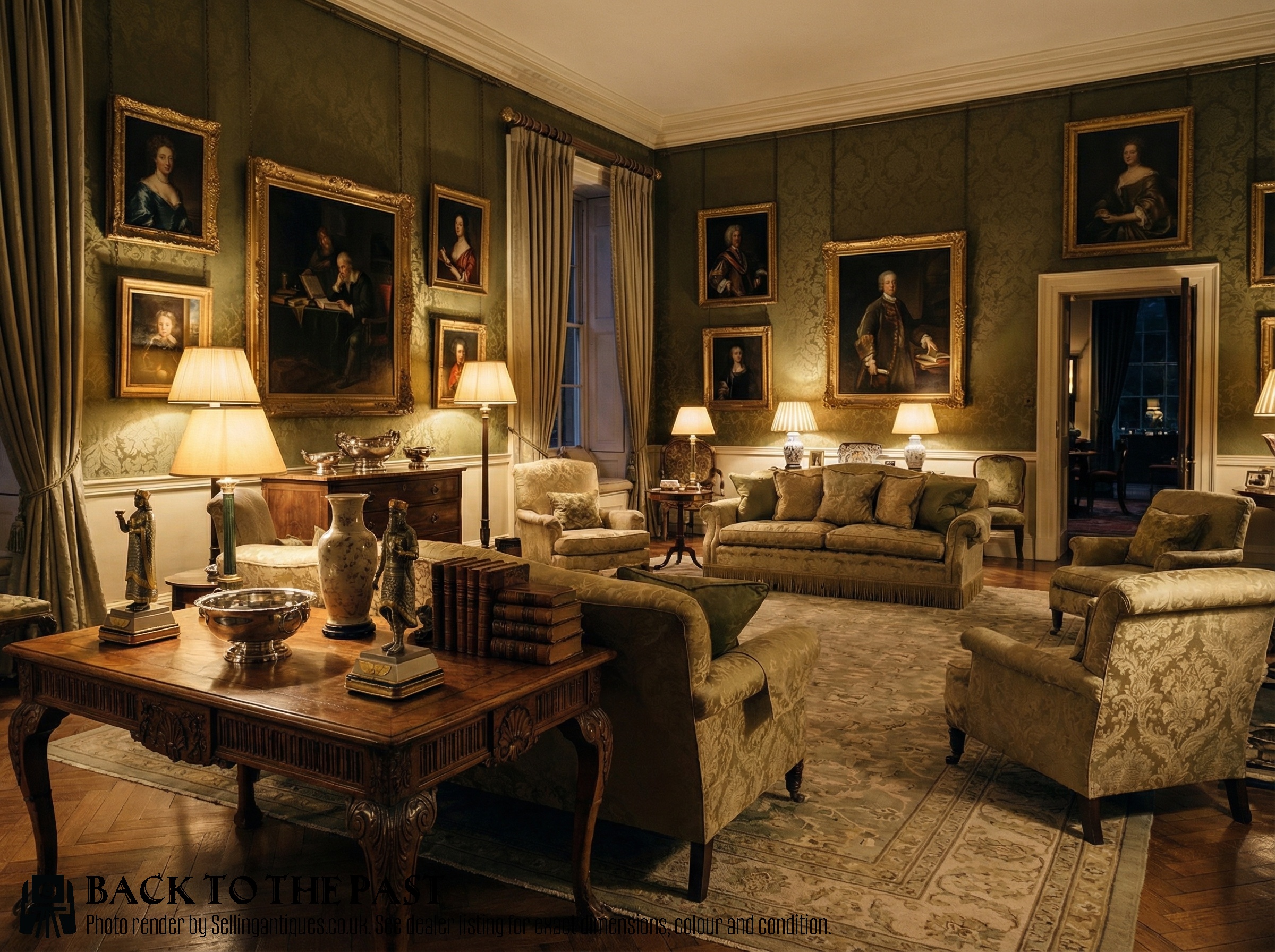
Antique Bronzed Table Ornaments
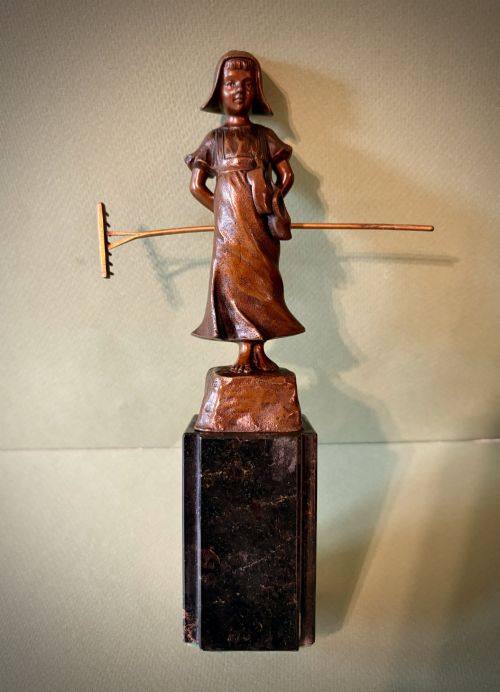
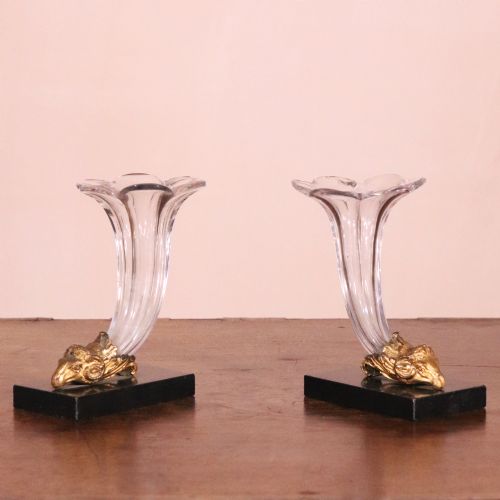
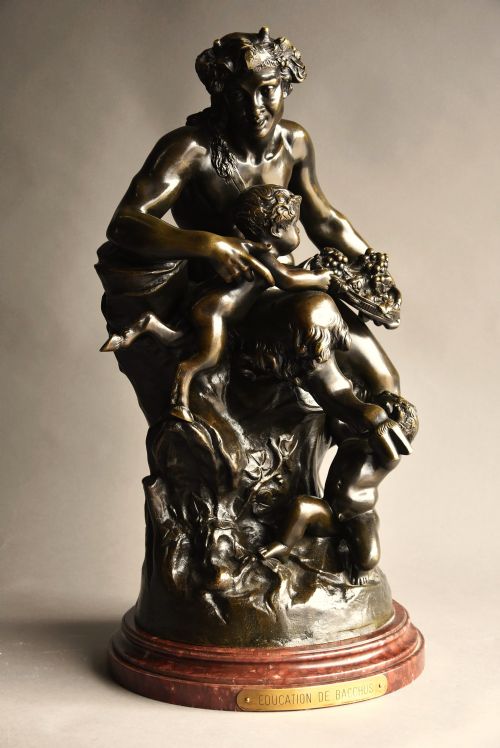
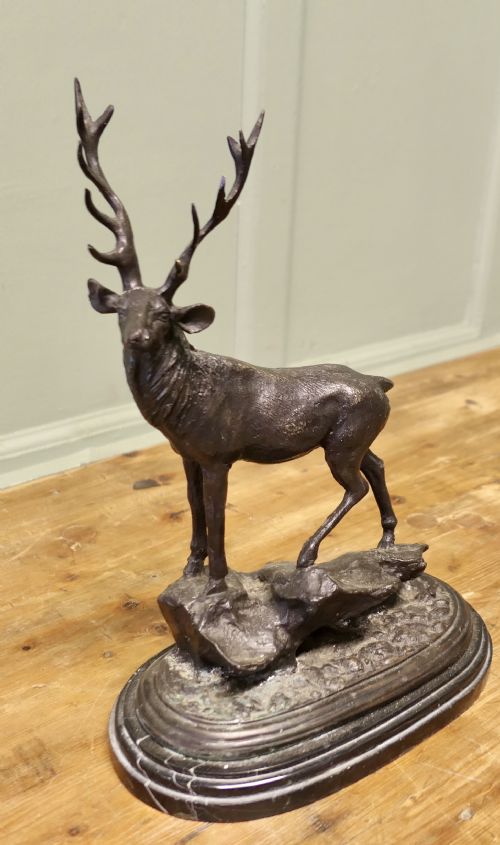
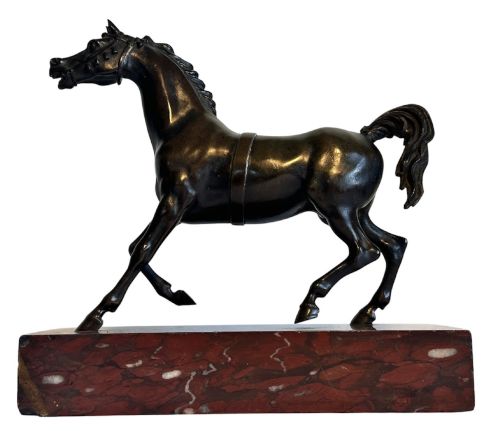
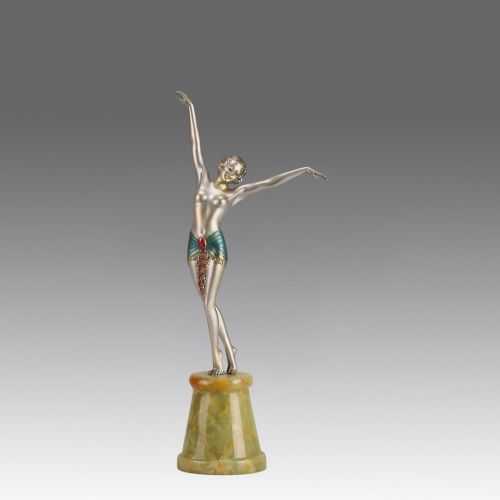
Antique bronzed table ornaments comprise sculptures, figurines, decorative vases, and ewers designed for display on surfaces within a room. When you examine this selection, you encounter items originating from the nineteenth century through the Art Deco period of the 1920s and 1930s.
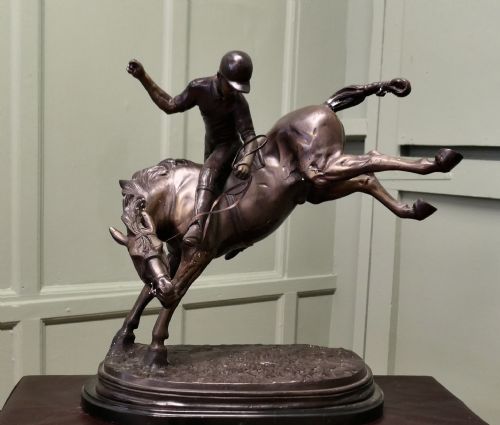
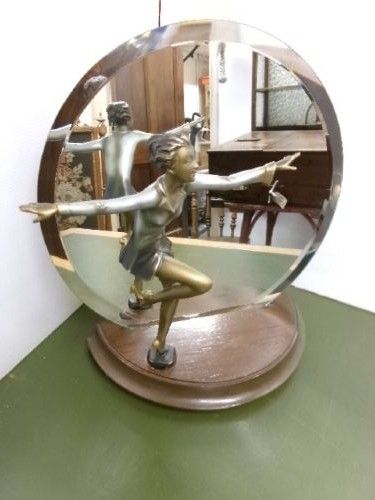
The objects span diverse cultural traditions and stylistic movements, including French Animalier works, Austrian cold-painted figures, Japanese okimono, and Neoclassical designs. Animal subjects, human dancers, and mythological motifs predominate among the forms recorded in the evidence.
Makers and foundries across Europe and Asia produced these pieces to function as ornamental centerpieces or mantel displays. Buyers meet both substantial bronze groups set on marble plinths and lighter spelter figures mounted on alabaster bases.
How they were made
Foundries cast these metal ornaments using traditional methods such as the lost-wax technique for bronze or direct casting for spelter. Molten metal filled intricate moulds to capture fine details in fur, drapery, and facial expressions.
Makers frequently combined bronze or gilt bronze with natural materials, mounting metal figures onto bases of marble, onyx, or mahogany. Certain pieces incorporate champleve enamel or glass inserts to add contrasting colour and texture.
Surface finishes vary from cold-painting with polychrome pigments to chemical patination that darkens the metal to simulate age and depth. Gilt bronze examples received layers of gold applied through mercury amalgamation or electrogilding.
A frog wearing a crown sits quietly among the table ornaments, waiting for the right moment to claim its kingdom.
What varies in quality
The definition and crispness of the cast separate superior works from simpler production pieces. Skilled chiselling and hand-finishing after the casting process remove mould seams and restore sharp details to hair, feathers, and muscular forms.
The choice and preparation of supporting materials influence the overall presence of an ornament. Heavy, well-polished marble or onyx plinths provide stability and complement the metalwork, whereas lesser items utilise simpler timber or softer stone bases.
Signature marks and foundry stamps indicate origin and authorship, connecting a piece to known sculptors or workshops. Signed sculptures by recognised artists carry greater distinction than unsigned or anonymous workshop output.
Josef Lorenzl·P J Mêne·Alfred Barye·Franz Bergman·Edith Parsons·MASAAKI
The Antique Bronzed Table Ornaments Glossary
- Spelter
- A zinc alloy utilised as a less expensive alternative to bronze for decorative figures. Manufacturers often painted or bronze-finished this metal to imitate true bronze.
- Animalier
- A nineteenth-century artistic movement focused on the realistic depiction of animals, particularly horses, dogs, and wildlife. Sculptors in this tradition studied anatomy closely through life observation.
- Cold-painted bronze
- A technique where paint is applied to a bronze object without subsequent firing or heat treatment. This method allowed for vibrant polychrome finishes on Austrian animal and human figures.
- Champleve enamel
- A decorative process where troughs or cells are hollowed out of a metal surface and filled with vitreous enamel powder before firing. The resulting design sits flush with the surrounding metal borders.
- Okimono
- A Japanese decorative object intended for display on a shelf or table, typically carved or cast in bronze or mixed metals. These pieces represent animals, figures, and natural subjects.
- Cornucopia
- A horn-shaped container traditionally symbolizing prosperity, depicted overflowing with fruit, flowers, or grain. In decorative arts, these forms appear as vases, ewers, or ornamental motifs.
Antique Bronzed Table Ornaments: Frequently Asked Questions
What is the difference between bronze and spelter?
Bronze is an alloy of copper and tin that offers durability and takes a rich patination over centuries. Spelter is a softer zinc-based alloy that feels lighter and requires careful handling to prevent surface damage.
Items cast in bronze maintain sharper details through the casting and chasing process. Spelter pieces were produced for a broader market and rely on applied surface finishes to resemble bronze.
How do I care for these metal ornaments?
Dust the surface gently with a soft, dry cloth to prevent the accumulation of grit in recessed details. Avoid chemical polishes, which can strip historic patinas and damage cold-painted finishes.
Keep pieces away from direct sunlight and damp environments to protect associated materials like marble bases or enamel inlays. Stable indoor conditions preserve the original coloration of the metal.
What periods do these ornaments come from?
The available selection spans the nineteenth century through the early decades of the twentieth century. Victorian and Regency examples sit alongside Art Deco works from the 1920s and 1930s.
Stylistic shifts distinguish these eras, moving from classical Neoclassical and Animalier subjects toward the stylised geometric forms of the Art Deco period.
Are these ornaments signed by artists?
Certain pieces bear signatures, foundry marks, or titles cast into the metal or inscribed on the base. Signatures link works to established European and Japanese sculptors and makers.
Unsigned pieces remain common and reflect the output of anonymous foundries and workshops. Quality of casting and finishing is the primary indicator of value for unsigned items.