

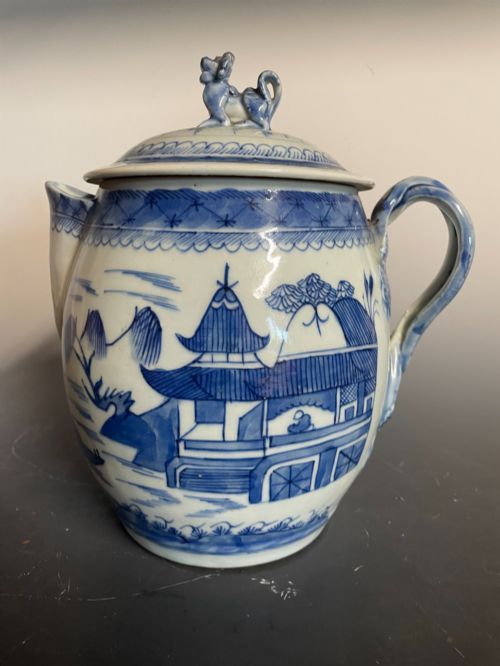


Blue White Porcelain Vessel
A blue white porcelain vessel brings cobalt decoration into conversation with ceramics across centuries of Asian and European production.
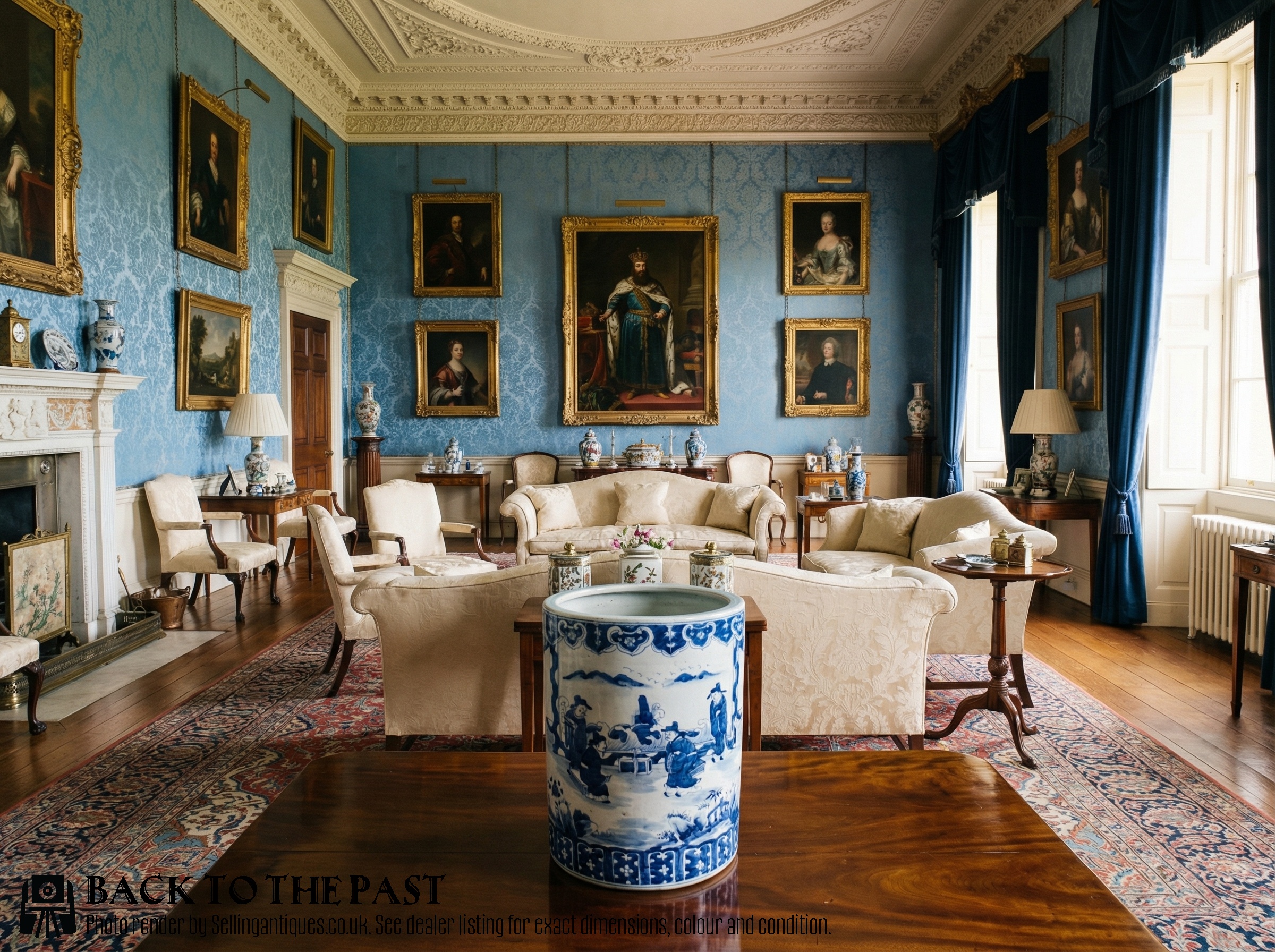
Blue White Porcelain Vessel
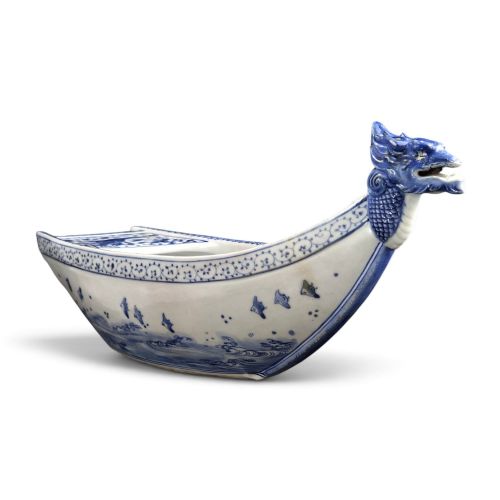
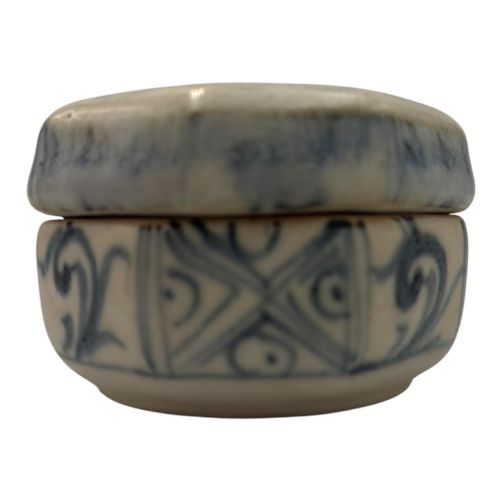
A blue white porcelain vessel encompasses forms ranging from jars and vases to brush pots, bowls, and ewers created across the seventeenth, eighteenth, and nineteenth centuries. These objects trace stylistic developments through Chinese dynasties, Japanese Arita kilns, Vietnamese kilns, Persian workshops, and English factories.
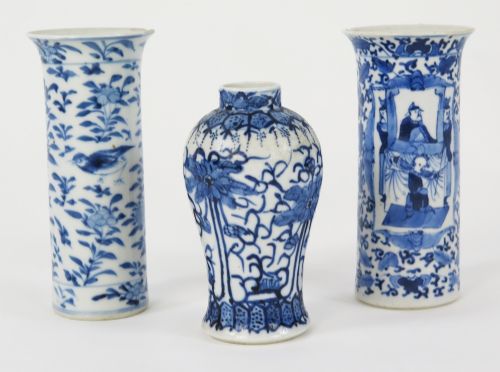
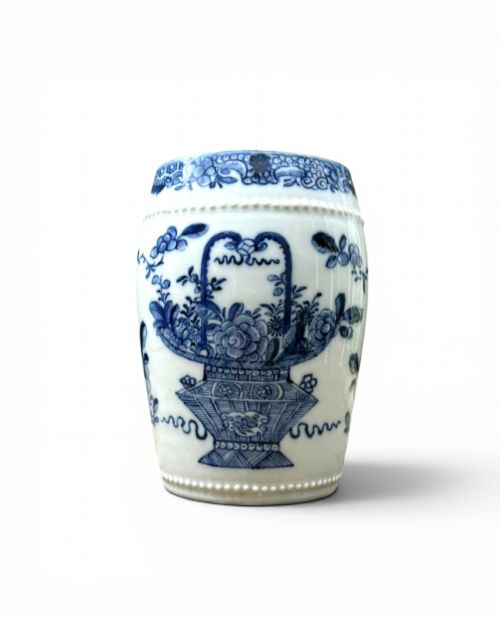
The version most commonly met on this page is the Chinese export or Qing Dynasty porcelain jar, vase, or bowl decorated in cobalt underglaze. Collectors also encounter Japanese Imari pieces, English transfer-printed pottery, and Safavid underglaze-painted pottery.
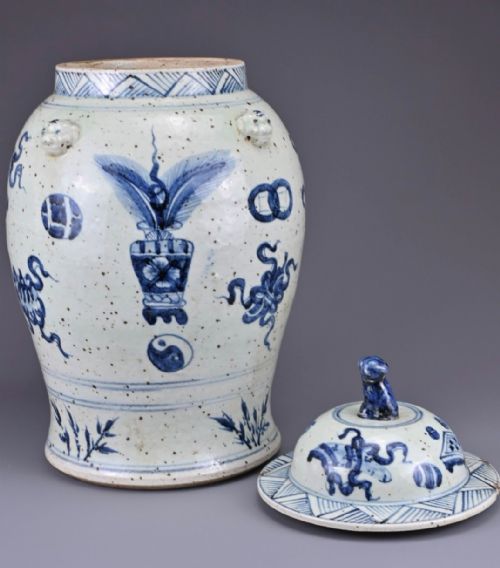
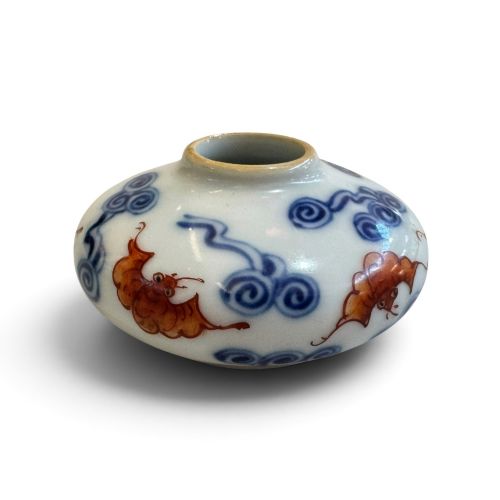
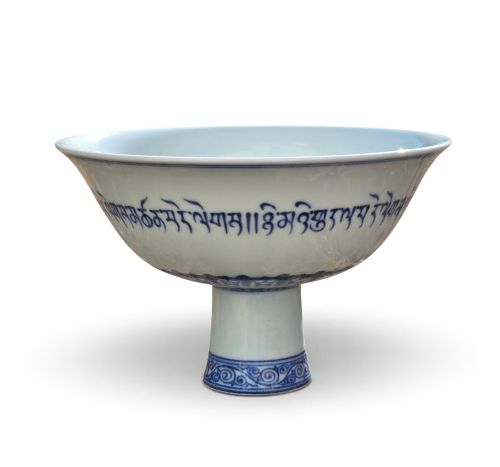
Forms serve both decorative and utilitarian roles, including ginger jars, brush washers, stem cups, kendis, and footbaths. Each piece records the specific aesthetic preferences of its period of origin, from Kangxi mark vessels to Regency footbaths.
How They Were Made
Makers utilised porcelain and ceramic bodies shaped into vessels, jars, and vases, sometimes supplemented by wood mountings. Cobalt pigment and glaze provide the defining blue and white coloration, occasionally combined with enamel, underglaze red, or gilt.
Techniques involve underglaze painting, where cobalt blue is applied to the raw clay body before glazing and high-temperature firing. Transfer printing appears in later English examples, transferring patterns onto the ceramic surface prior to glazing.
Listings feature porcelain, ceramic, and pottery materials decorated with cobalt glaze, pigment, and underglaze across eight distinct historical periods.
What Varies in Quality
Quality rests in the clarity and depth of the cobalt pigment against the porcelain ground, alongside the precision of the painted motifs. Master painters achieve fluid brushwork in designs like dragons, lotus blossoms, and figures, whereas lesser pieces show rushed or mechanical application.
The refinement of the ceramic body and the smoothness of the glaze also separate tiers of production. Imperial or high-grade export wares display controlled potting and subtle glaze tones, while utility wares exhibit heavier bodies and simpler decoration.
The Blue White Porcelain Vessel Glossary
- Cobalt Underglaze
- A blue pigment applied directly to the ceramic body before glazing and firing. This technique protects the decoration beneath a glassy surface layer.
- Kangxi Period
- A phase of Chinese porcelain production spanning from 1662 to 1722 within the Qing Dynasty. Pieces from this time often display brilliant cobalt tones and meticulous painting.
- Meiping
- A tall, narrow-necked Chinese vase form originally designed for plum branches. The shoulder swells gracefully before tapering toward the base.
- Bitong
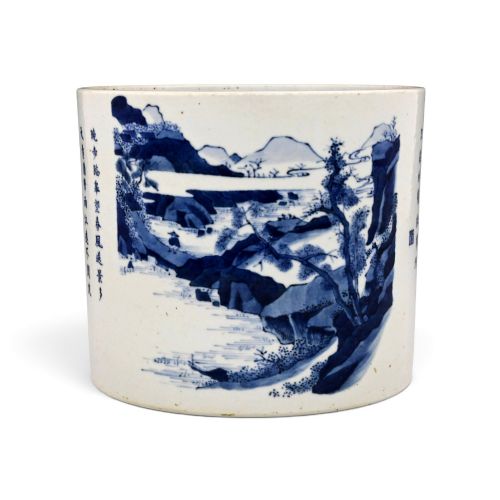
- A cylindrical scholar's brush pot used in traditional Chinese writing rooms. These vessels are typically carved from porcelain or wood.
- Doucai
- A ceramic technique combining underglaze blue outlines with overglaze enamels filled in the compartments. The method creates a vibrant multi-coloured effect on white porcelain.
Blue White Porcelain Vessel: Frequently Asked Questions
How are blue white porcelain vessels dated?
Dating relies on stylistic markers, reign marks, potting techniques, and the character of the cobalt pigment. Comparison with documented pieces from periods like the Kangxi or Qianlong reigns provides a reliable baseline.
Material analysis of the glaze and foot ring further assists in distinguishing seventeenth and eighteenth-century examples from later nineteenth-century revivals.
What is a ginger jar used for?
Ginger jars originally served to store and transport spices, salt, and oil in the domestic and export markets of China. Their high shoulders and snug lids made them practical containers for preservation.
Over time, European collectors repurposed these jars purely for interior decoration, often mounting them as lamps or displaying them on mantelpieces.
Where were Imari vessels made?
Imari vessels originated in the town of Arita in Japan and took their name from the port where they were shipped to European markets. Japanese artisans combined cobalt underglaze blue with iron red and gold.
These ceramics heavily influenced European factories during the seventeenth and eighteenth centuries, inspiring local adaptations of the distinctive palette.