


Blue White Ceramic Boat
These blue white ceramic boat forms are functional vessels and decorative dishes that bring historic cobalt decoration to the table.
Blue White Ceramic Boat
A blue white ceramic boat search reveals a specialised selection of historic tableware, primarily consisting of sauce boats, sauce tureens, pickle dishes and decorative vessels. These items date predominantly from the eighteenth and nineteenth centuries, spanning periods such as the Georgian era and the nineteenth century.
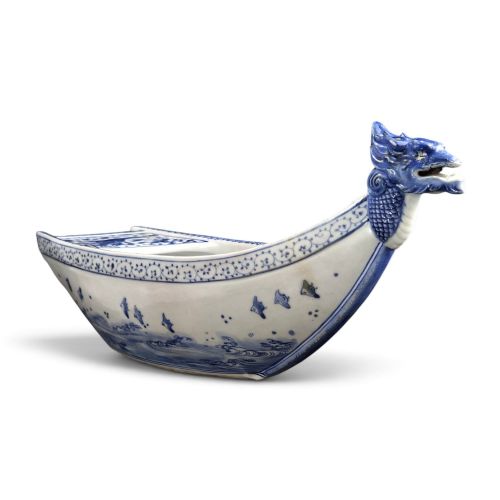
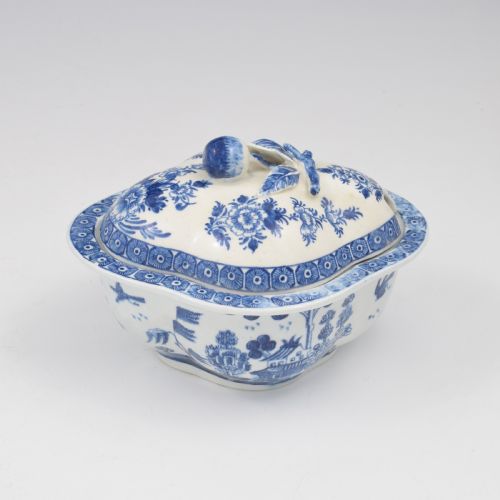
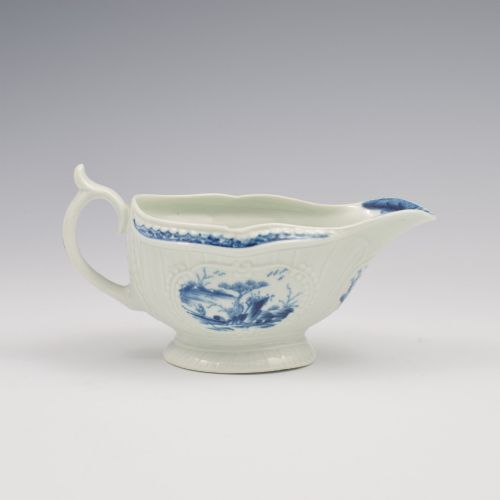
Buyers will most frequently encounter sauce boats and pickle dishes decorated in cobalt glaze on porcelain or earthenware. Forms range from simple moulded vessels to elaborate dragon-head ship vessels and double sauceboats originating from English and continental workshops.
Materials and production methods
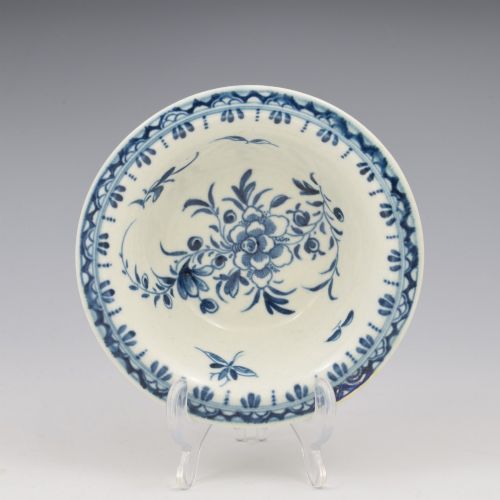
Potters utilised soft-paste porcelain, earthenware, faience and ironstone as the primary bodies for these vessels. Cobalt glaze provides the characteristic blue decoration, applied by hand or via transfer printing beneath a clear protective finish.
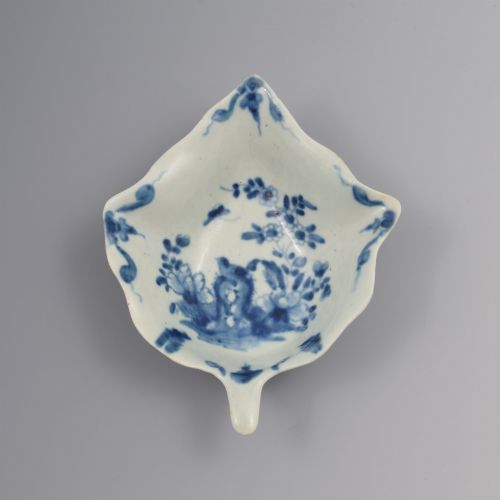
Moulding and throwing techniques shaped bodies into forms like triangular platforms, quatrefoil contours, and leaf profiles. Subsequent firing fixed the cobalt pigment into the glaze to create durable tableware.
Some vessels abandon standard maritime themes entirely to take the literal shape of dragon-head ships.
Distinctions in quality
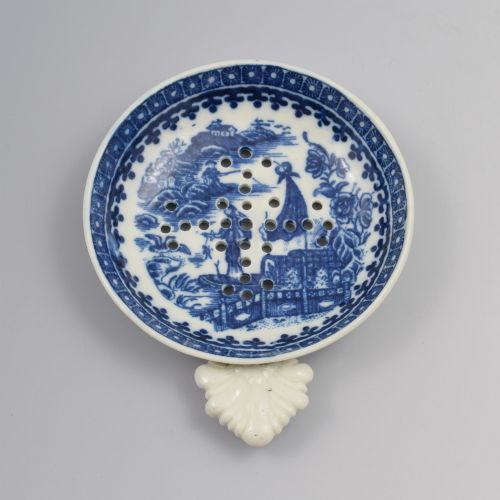
Quality rests in the crispness of the moulding and the precision of the cobalt decoration, whether hand-painted with detailed motifs like the fisherman pattern or cleanly applied through transfer printing. Early porcelain bodies show variation in translucency and glaze purity.
Condition and completeness elevate individual pieces, particularly when lids, matching stands or ladles survive alongside the main vessel. The clarity of factory marks and the sophistication of sculptural elements also define the tier of the piece.
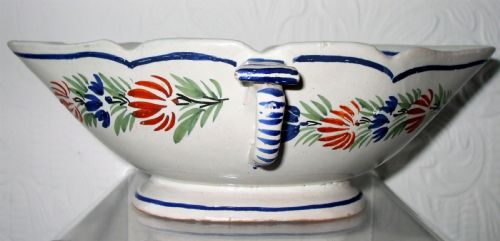
Dr Wall Worcester·Caughley Porcelain·Bow Porcelain·Derby Porcelain·Quimper French Faience·Masons Ironstone·Spode·Rogers
The Blue White Ceramic Boat Glossary
- Cobalt glaze
- A metallic oxide pigment used to achieve deep blue colouring on ceramic bodies before high-temperature firing. It reacts with the glaze to produce varied tones of blue.
- Soft-paste porcelain
- An artificial porcelain composition fired at lower temperatures than hard paste, common in eighteenth-century English factories. It exhibits a warm tone and softer glaze texture.
- Faience
- Tin-glazed earthenware produced widely in continental Europe, noted for an opaque white surface painted with pigments. Quimper pieces represent a notable regional variety.
- Transfer print
- A method of applying complex decorative patterns to ceramics by means of a paper tissue transferred from an engraved copper plate. This technique gained wide favour in the nineteenth century.
- Sauce tureen
- A covered vessel designed specifically for serving hot sauces at the dining table, often accompanied by an integral or separate stand. These pieces frequently feature decorative handles or finials.
Blue White Ceramic Boat: Frequently Asked Questions
What is a blue white ceramic boat used for?
These vessels served historic dining tables for holding and pouring sauces, gravies, or holding small condiments like pickles. Their sculptural forms made them centrepieces during formal meals.
Today they function as decorative objects, cabinet pieces, or traditional tableware for contemporary dining settings.
How do I date an eighteenth century sauce boat?
Dating relies on identifying the ceramic body, glaze characteristics, and factory practices of the period. Soft-paste porcelain and hand-painted cobalt chinoiserie scenes typically point to the eighteenth century.
Examining the base for potting rings, foot rim wear, and characteristic painterly marks helps narrow the decade of production.
What is the difference between porcelain and earthenware boat forms?
Porcelain bodies are vitrified, finer in grain, and often exhibit a degree of translucency when held to the light. Earthenware and ironstone are opaque, heavier, and fired at lower temperatures.
Both materials received blue cobalt decoration, but porcelain was favored by eighteenth-century factories while ironstone and pottery dominated the nineteenth century.
Are these pieces suitable for daily use?
Historic ceramics require careful handling due to their age and delicate materials like soft-paste porcelain or faience. Hand washing in warm water preserves the glaze and painted decoration.
Many collectors prefer to display them or reserve them for special dining occasions rather than heavy daily service.