
Dr Wall Worcester Ceramic
Dr Wall Worcester ceramic pieces are eighteenth-century soft-paste porcelain objects created for tea service and decorative display, offering collectors delicate painterly craft and historic forms.
Dr Wall Worcester Ceramic
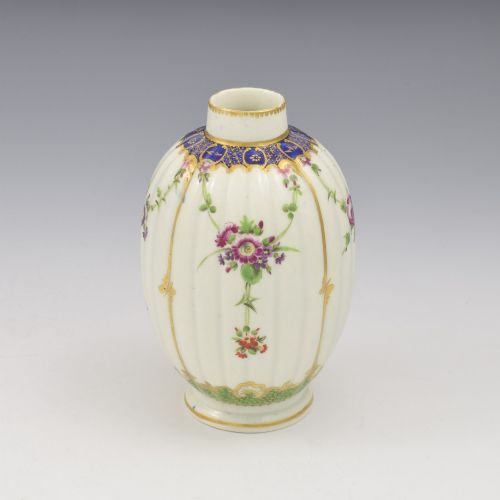
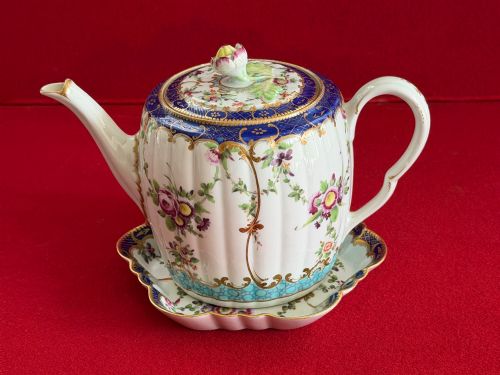
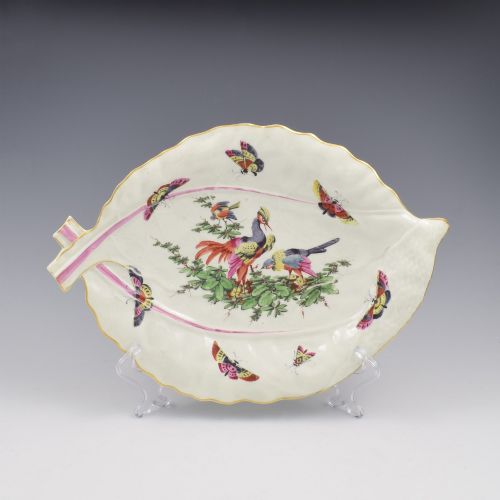
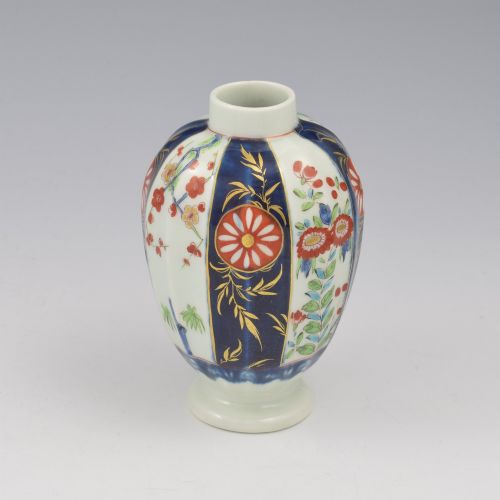
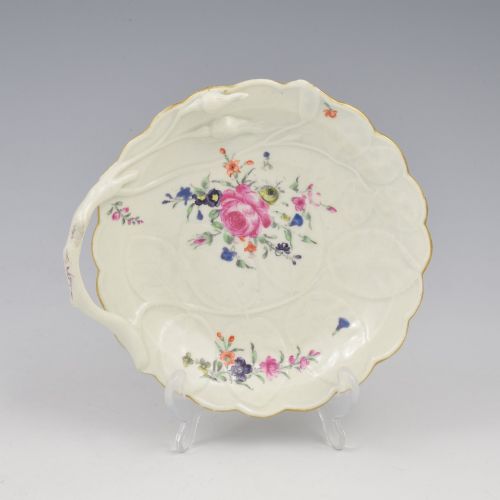
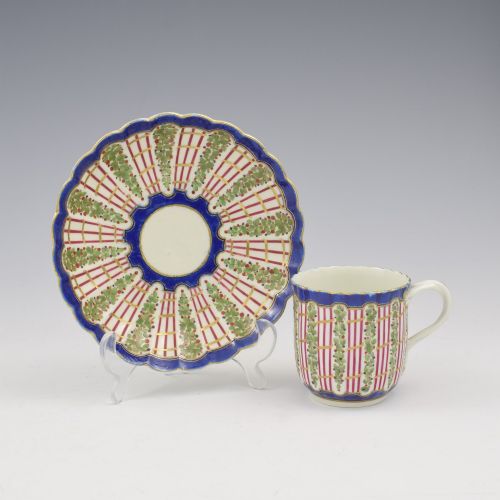
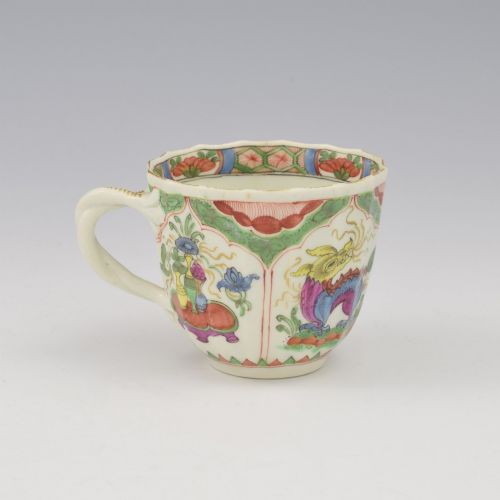
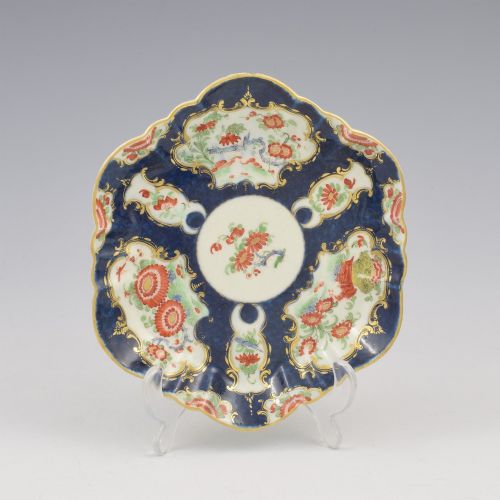
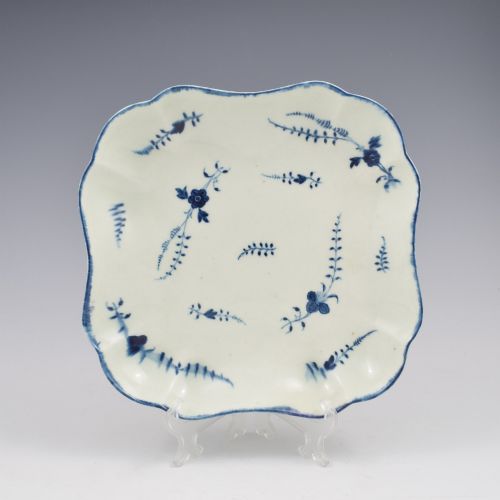
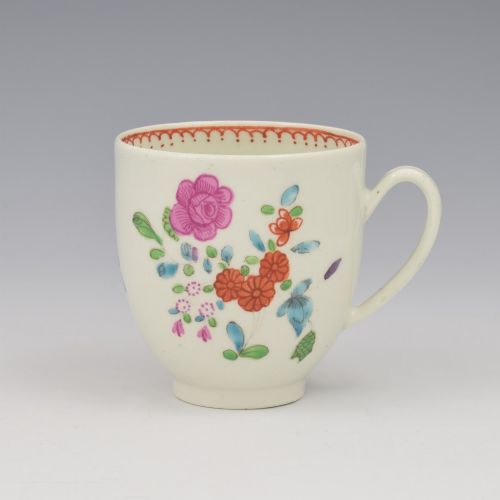
Dr Wall Worcester ceramic pieces encompass a wide variety of tableware and serving vessels from the eighteenth century. Collectors frequently encounter forms such as teapots, coffee cups, sauce boats, and decorative leaf dishes originating from the Georgian period.
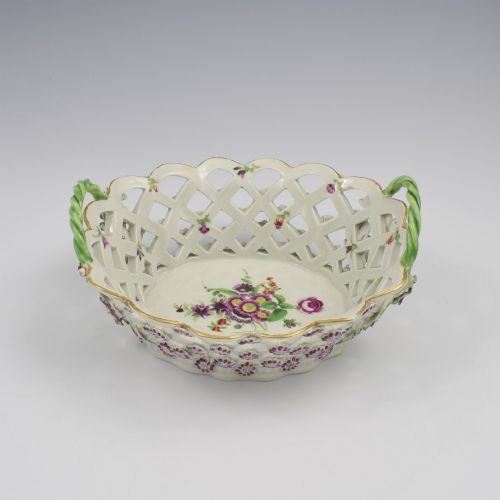
The selection ranges from functional items like sugar bowls and milk jugs to elaborate centrepieces and chestnut baskets. These objects reflect both Chinese-inspired motifs and European rococo or neoclassical tastes of the seventeen-fifties to seventeen-eighties.
Materials and production
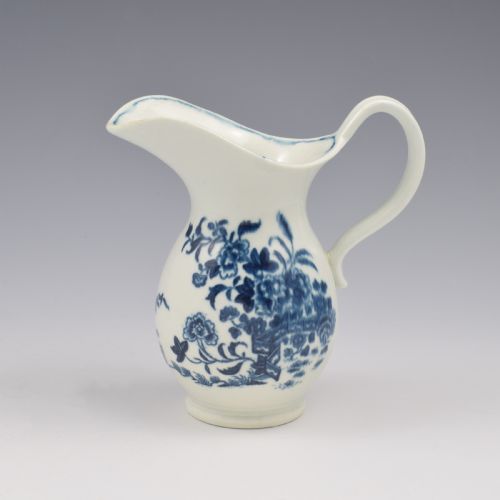
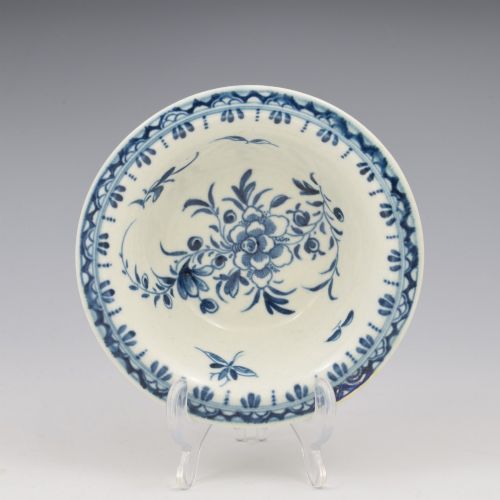
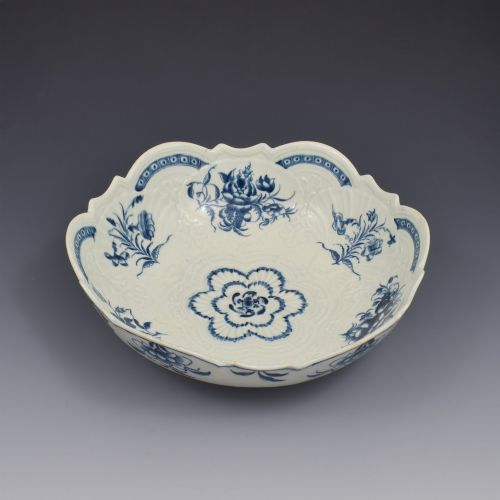
Potters utilised soft-paste porcelain body mixtures combined with lead glazes to achieve a warm, translucent finish. Artisans applied cobalt glaze underglaze for blue and white designs or hand-painted enamel colours directly onto the fired surface.
Gilding and gold leaf additions enriched finer tableware items, while moulded elements created relief patterns such as pine cones, flutes, and shells. Kiln firing fixed the pigments and glazes, establishing the durable character of these eighteenth-century wares.
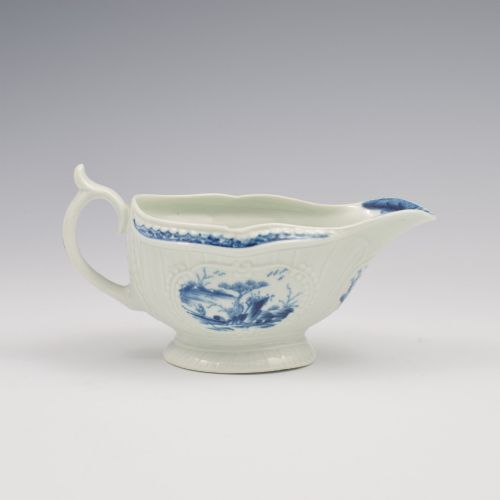
Listings feature eighteenth-century soft-paste porcelain forms including sauce boats, leaf dishes, and teapots decorated with cobalt glaze and enamel.
Assessing quality in the range
Quality differences depend on the precision of the hand-painting, particularly in complex pictorial subjects like fancy birds, Chinese figures, and floral sprays. Crispness of the moulded relief on leaf dishes and baskets also distinguishes superior examples.
The sophistication of the palette and the evenness of the glaze application separate standard utilitarian wares from ambitious cabinet pieces. Exceptional items display careful brushwork and harmonious integration of gilding with painted borders.
The Dr Wall Worcester Ceramic Glossary
- Soft-paste porcelain
- A vitreous ceramic composition fired at lower temperatures than hard-paste porcelain, common in eighteenth-century English factories. It presents a slightly softer body and a warm glaze appearance.
- Chinoiserie
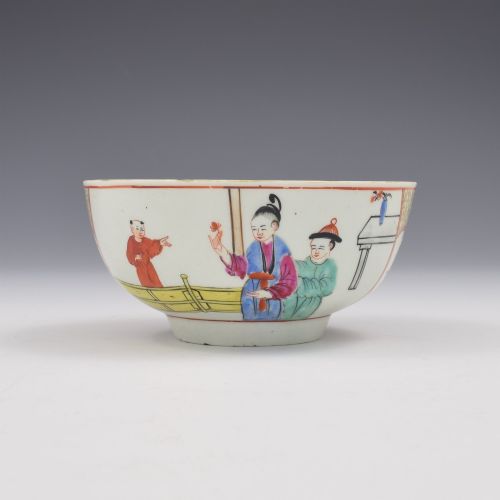
- A European decorative style reflecting imaginative interpretations of Chinese and East Asian artistic traditions. It appears frequently on tea wares and tableware through painted figures and pavilions.
- Sauce boat
- A utilitarian pouring vessel for table sauces featuring a shaped spout and handle. Eighteenth-century versions often adopted moulded leaf or rococo scroll designs.
- Sweetmeat dish
- A small shallow vessel designed for serving confectionery, nuts, or sweet preserves. These frequently took the form of scallop shells or lobed leaves.
- Underglaze
- A decoration technique applied to ceramic bodies before the final glaze coating and firing. This method protects the pigment beneath a glassy protective layer.
Dr Wall Worcester Ceramic: Frequently Asked Questions
How do I identify a dr wall worcester piece?
These eighteenth-century ceramics often feature characteristic soft-paste bodies with underglaze blue decoration, polychrome enamels, or moulded leaf shapes. Many pieces display painterly motifs ranging from floral sprays to intricate chinoiserie scenes.
Examining the weight, translucency, and painting style helps separate these early English porcelains from later nineteenth-century reproductions and copies.
Were these ceramics used daily?
Many items, such as tea bowls, coffee cups, and teapots, served functional roles within Georgian dining and tea-drinking rituals. Wealthy households utilised them during formal social gatherings.
Larger decorative baskets, junket dishes, and punch bowls functioned as both serving vessels and centrepieces for display during elaborate meals.
How should I display my porcelain?
Display these delicate soft-paste objects in stable cabinets away from direct sunlight to protect enamel colours and gilt highlights. Ensure shelves are secure and free from heavy vibrations.
Handling should remain minimal, supporting the base of teapots, jugs, or dishes rather than relying on applied handles or spouts.
What patterns are most common?
Blue and white floral patterns, fisherman scenes, and pine cone motifs appear frequently across standard tablewares. More elaborate pieces showcase fancy birds, scale borders, and European landscape painting.
Chinoiserie designs featuring Chinese figures and garden pavilions also represent a major portion of the surviving eighteenth-century output.