
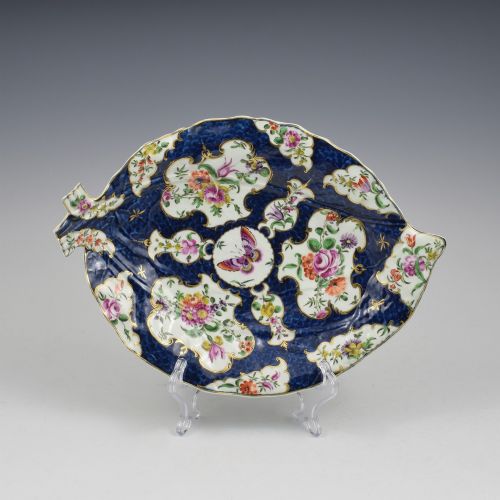


Blue Porcelain Tray
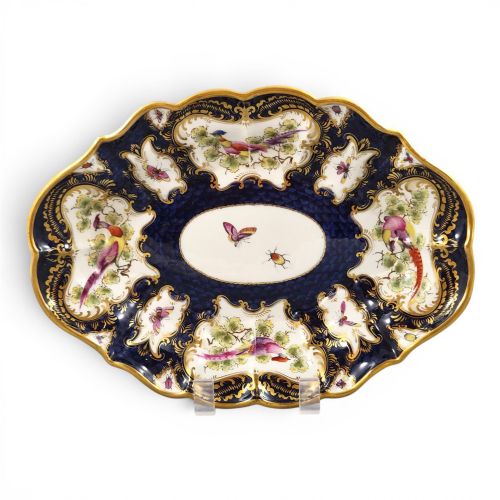
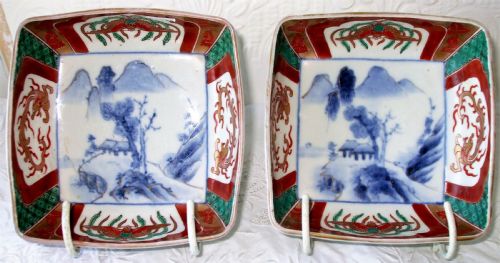
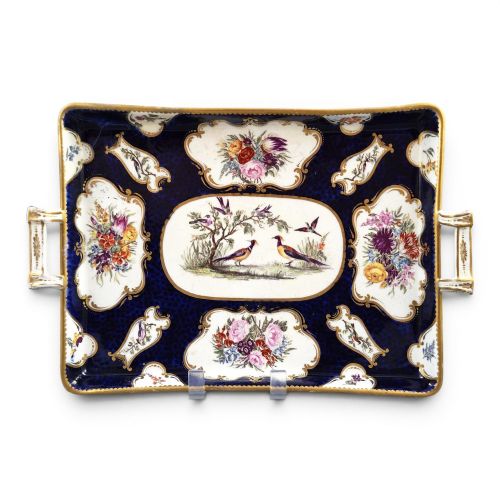
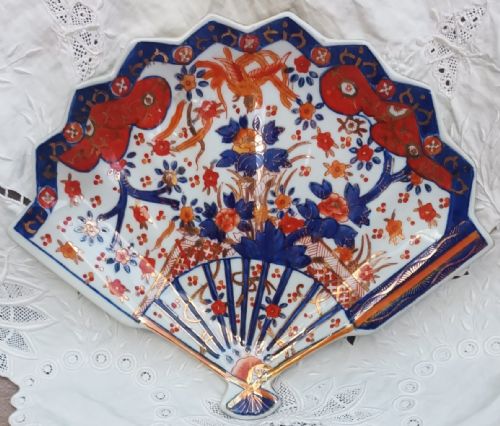
These pieces of blue porcelain tray bring together cobalt decoration and functional ceramic forms from the eighteenth century onwards.
Blue Porcelain Tray
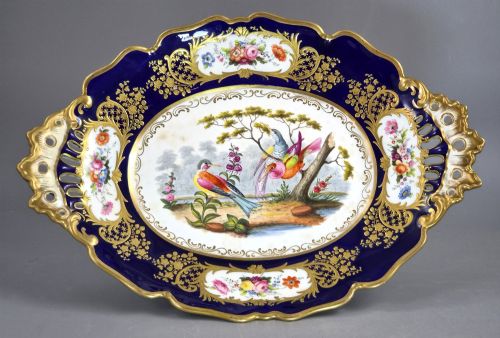
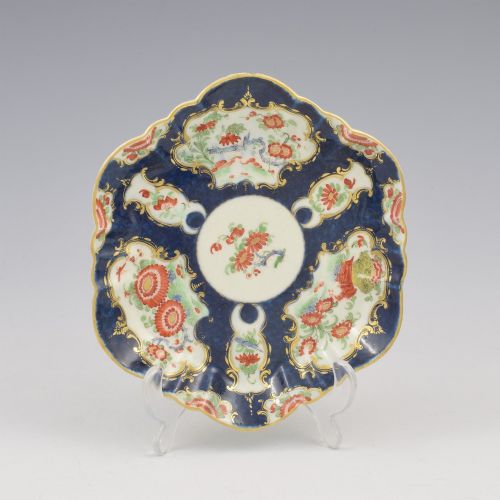
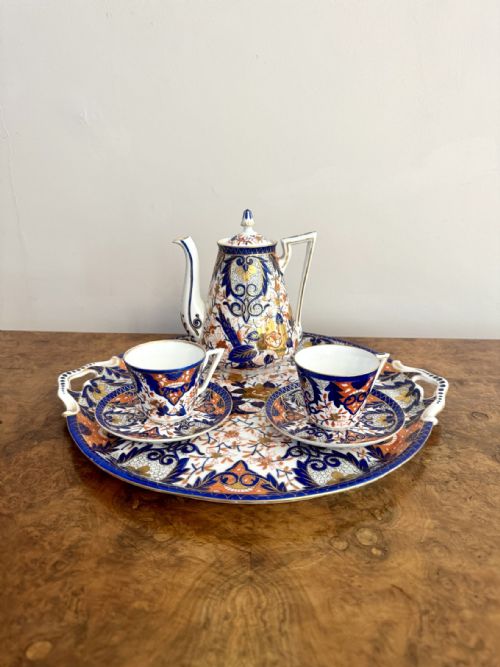
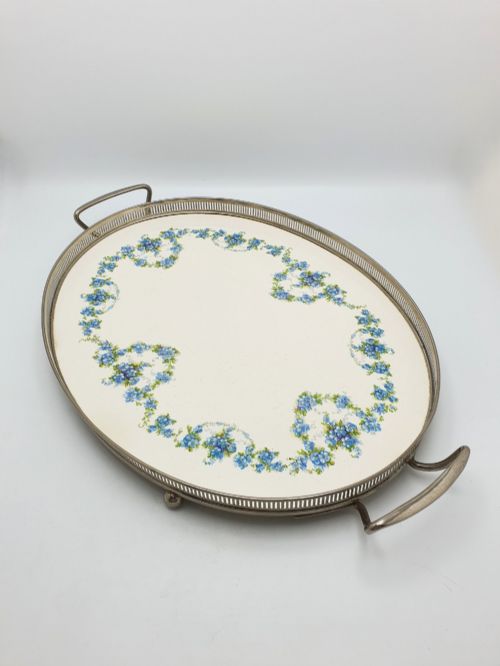
When searching for a blue porcelain tray, collectors encounter a diverse group of objects spanning decorative dishes, serving platters, pickle dishes, and tea wares produced from the eighteenth century through the Edwardian period.
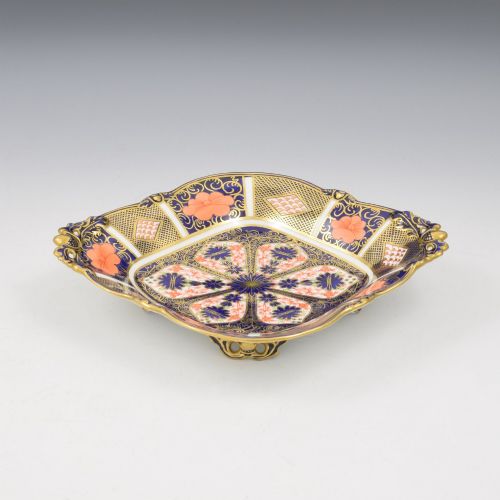
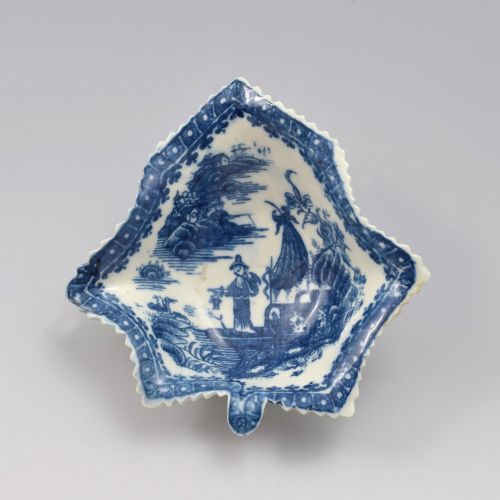
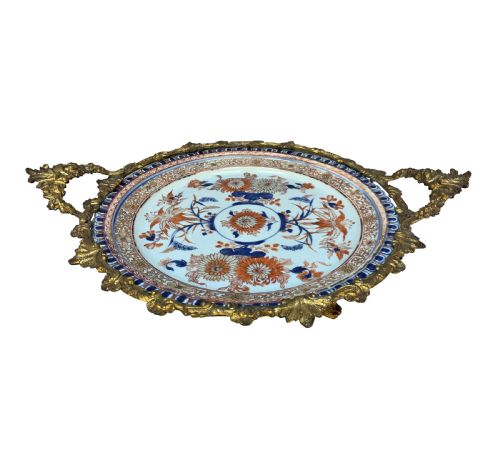
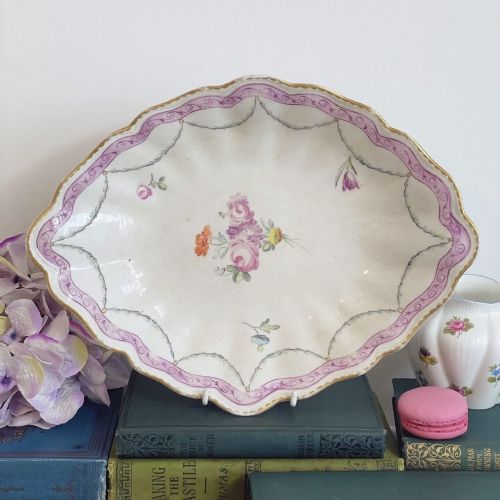
The most common examples on this page take the form of eighteenth-century English leaf-shaped pickle dishes, nineteenth-century serving dishes, and Japanese Imari porcelain plates dating to the Meiji period.
Makers and factories across England, continental Europe, and Asia utilised cobalt blue pigments underglaze or on the glaze, creating functional vessels that served dining tables, dressing rooms, and tea services.
How they were made
Potters shaped porcelain, soft-paste porcelain, bone china, and ceramic bodies before applying cobalt blue pigments, often supplemented by handpainted polychrome enamels, gilding, and gold leaf highlights.
Many pieces underwent high-temperature kiln firings to fuse the glaze, while others received secondary low-temperature firings to fix overglaze enamels in styles ranging from Japanese Imari to Rococo Revival and Chinese Nanking blue and white.
Listings feature porcelain, soft-paste porcelain, bone china, and ceramic pieces decorated with cobalt blue, enamel, and gold leaf.
What varies in quality
The sophistication of the handpainting dictates the visual success of the piece, separating rapid factory output from meticulous brushwork seen on eighteenth-century Worcester or Sevres porcelain.
The crispness of the moulded form, the purity of the white ceramic body beneath the cobalt glaze, and the preservation of any supplementary gold leaf or enamel details determine the overall standing of the item.
Royal Crown Derby·Royal Worcester
The Blue Porcelain Tray Glossary
- Cobalt blue
- A deep blue metallic oxide pigment used widely underglaze on ceramics for its stability at high kiln temperatures.
- Imari
- A Japanese export porcelain style featuring dense cobalt blue, iron red, and gold decoration, later copied by European factories.
- Pickle dish
- A small, often leaf-shaped domestic ceramic dish utilised during meals for holding pickles, relishes, or sauces.
- Soft-paste porcelain
- A ceramic material composed of clay and glass frit fired at lower temperatures than hard-paste porcelain, common in eighteenth-century English factories.
- Underglaze
- Decoration applied directly to the unbaked ceramic body or bisque before the protective glass glaze is applied and fired.
Blue Porcelain Tray: Frequently Asked Questions
What were blue porcelain trays used for?
These ceramic trays served various domestic functions, from holding small food items like pickles to carrying tea wares and displaying decorative flowers in dining rooms.
Over successive periods, their use shifted from utilitarian dining table accessories to ornamental display pieces within fashionable interiors.
How do I identify eighteenth-century pieces?
Eighteenth-century examples often display soft-paste porcelain bodies with handpainted underglaze blue designs, such as wheatsheaf or butterfly motifs characteristic of early English factories.
Examining the glaze pooling, footrims, and specific cobalt shades helps distinguish these early productions from later nineteenth-century revivals.
How should I care for antique porcelain?
Antique porcelain and bone china require gentle handling and careful dusting to preserve fragile overglaze enamels, gilding, and gold leaf details.
Keeping these ceramic items away from abrasive cleaners and sudden temperature changes ensures the glaze and painted decoration remain intact.