

19th Century French Ceramics
These 19th century french ceramics span useful tablewares and decorative figures that bring colour and texture into a room.
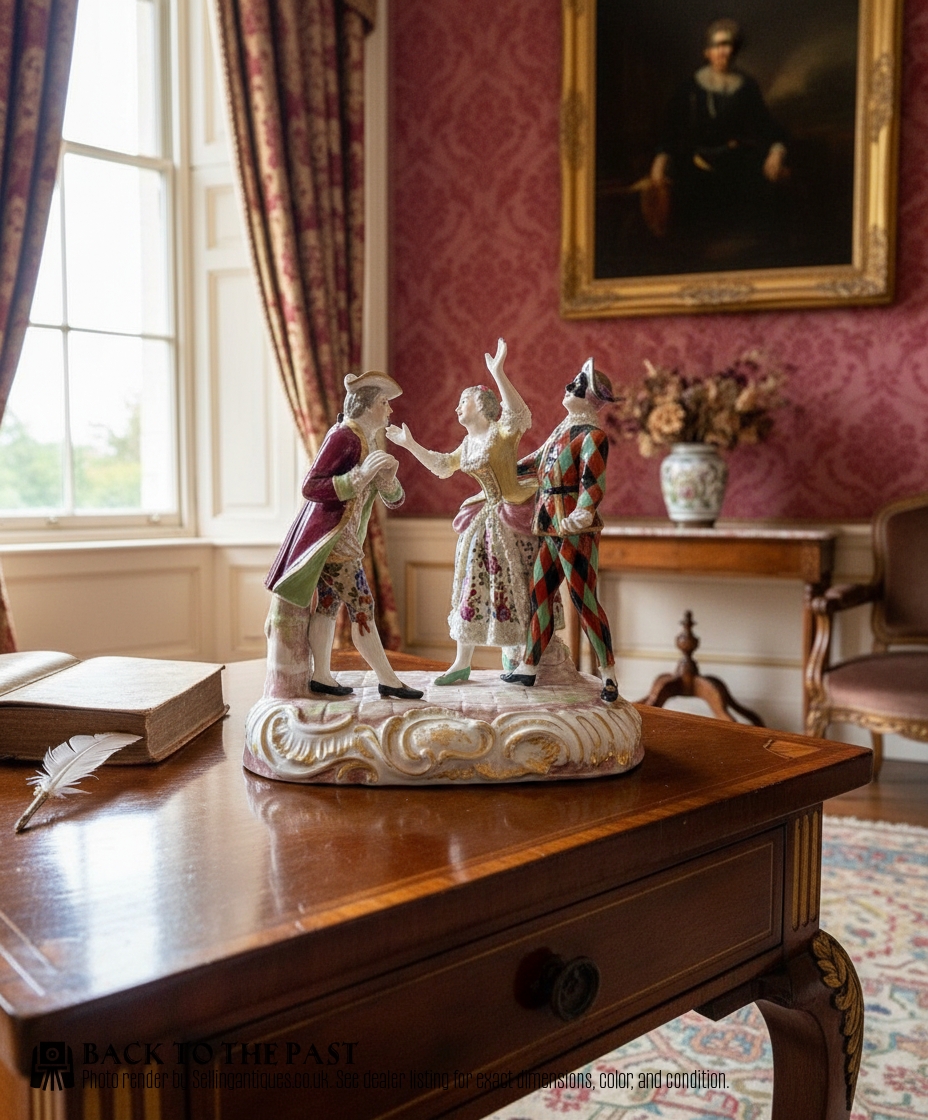
19th Century French Ceramics
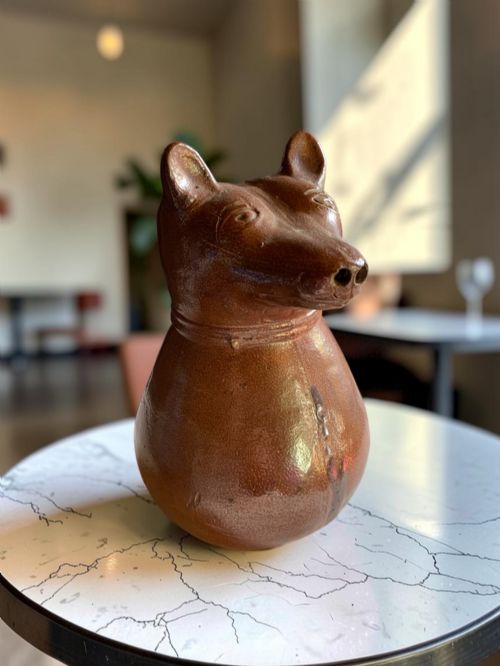
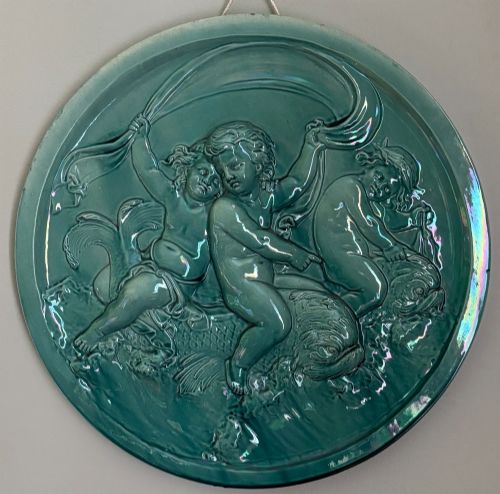
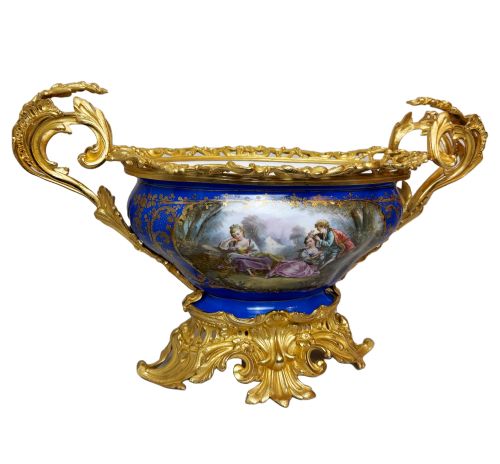
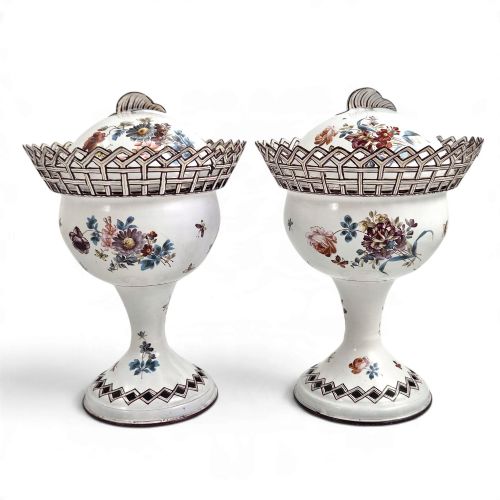
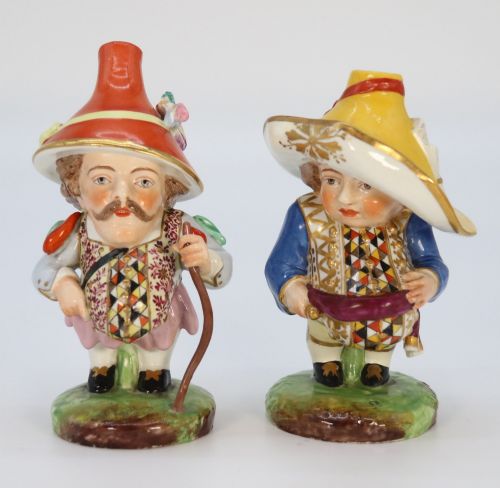
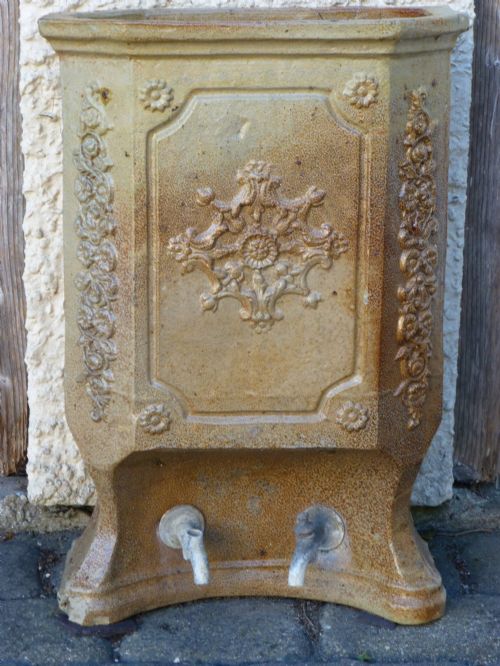
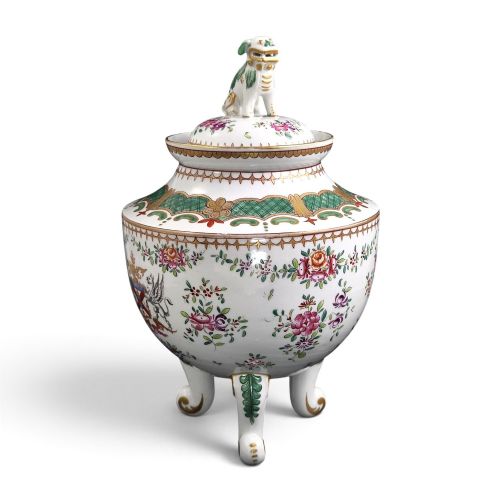
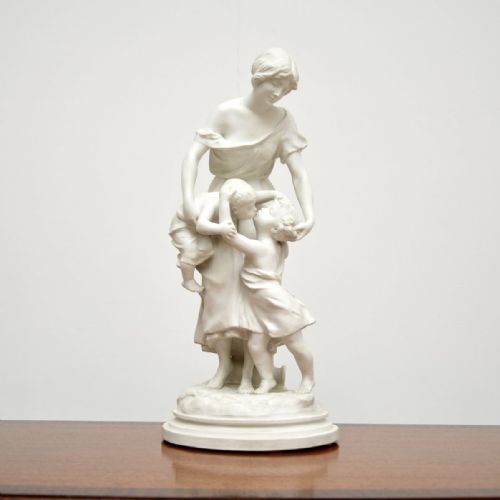
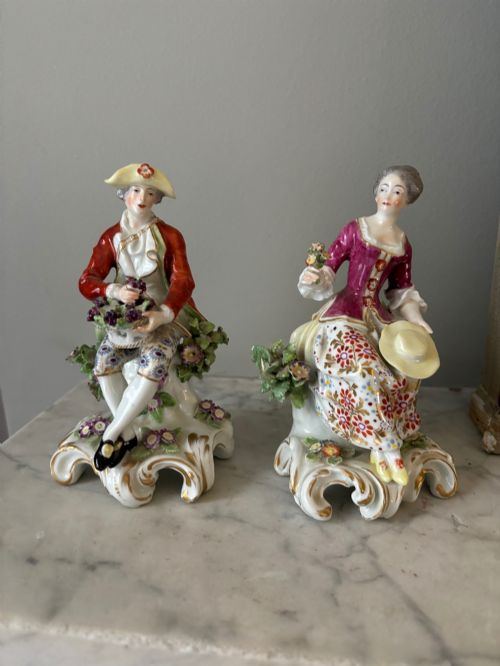
When you search for 19th century french ceramics, you encounter porcelain, earthenware, stoneware and terracotta pieces ranging from practical apothecary jars and confit pots to decorative vases, perfume bottles and figurative groups. The items on this page lean heavily toward porcelain tablewares and decorative objects from Paris workshops, alongside salt-glazed utilitarian vessels and earthenware faience.
Makers in this category often drew on earlier aesthetics, producing items in Rococo Revival, Chinoiserie and Neoclassical styles, or copying famous factories such as Sèvres and Chelsea. You will find items dated across the decades from the 1830s through to the end of the century, representing both domestic utility and ornate display.
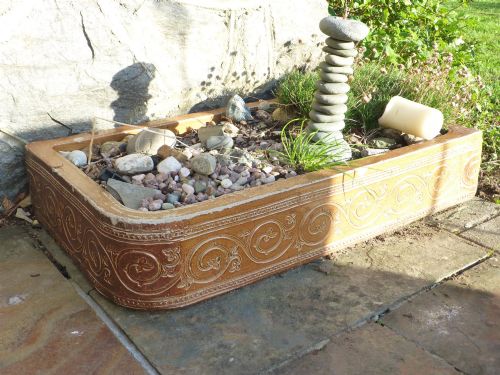
Domestic forms like water filtration fountains, umbrella stands and window planters appear alongside cabinet items such as trinket boxes, plates and lidded dishes. This variety reflects the broad output of French kilns during a period of intense industrial and artistic development.
How they were made
The physical construction of these pieces relies on traditional throwing, moulding and casting techniques in clay, earthenware or hard-paste porcelain body pastes. Artisans applied coloured glazes, enamel paints and gold leaf highlights before firing the pieces in kilns to vitrify the ceramic bodies and fix the surface decoration.
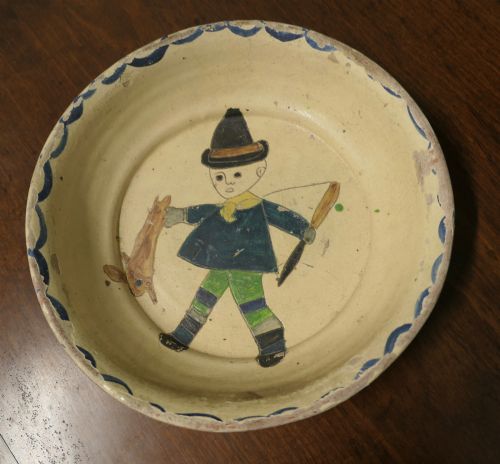
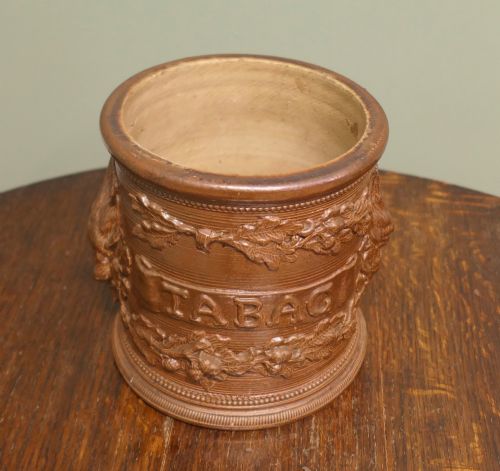
Salt-glazed stoneware vessels achieved their distinctive pitted surfaces through the introduction of salt into the kiln during high-temperature firing. Faience and earthenware pieces typically received an opaque tin glaze that provided a smooth white ground for hand-painted scenes and floral motifs.
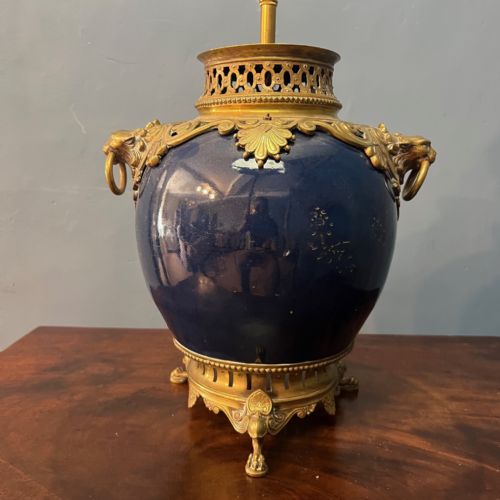
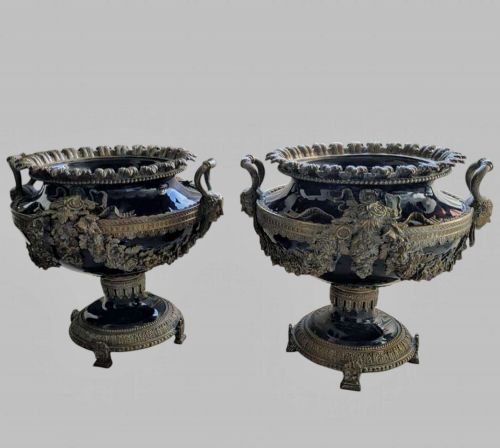
Many ornamental objects combined ceramic bodies with cast metal mounts in brass or gilt bronze, securing handles, rims and bases. Surface techniques such as pate sur pate built up layers of slip to create low-relief cameos against a contrasting coloured ground.
19th Century French Ceramics Retail Price Guide 2026
Typical asking prices for 19th century french ceramics among the pieces listed under this phrase on Sellingantiques today, from the lower quarter to the upper quarter. They describe what is for sale here now, not the wider market.
Listings feature hard-paste porcelain, salt-glazed stoneware, terracotta and earthenware across the nineteenth century.
What varies in quality
The standard of painting on hand-decorated surfaces dictates much of the visual success in these ceramics, distinguishing hurried factory output from meticulous artistic work. Fine brushwork, precise facial expressions on figures and careful application of gold leaf indicate superior craftsmanship.
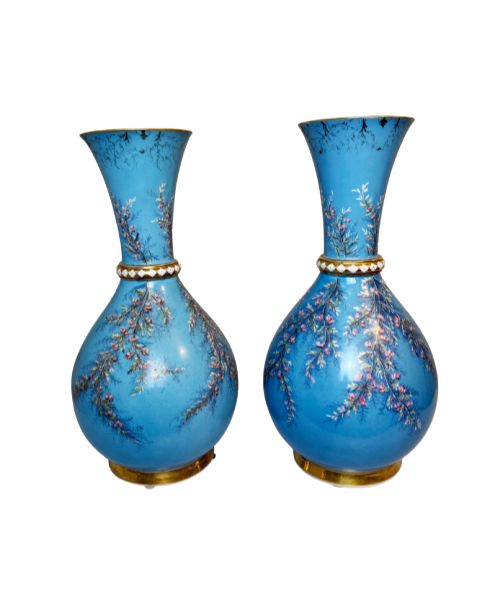
The clarity and depth of coloured grounds, such as bleu céleste or turquoise, show the skill involved in chemical formulation and kiln temperature control. Uniformity in glaze thickness and the absence of firing distortions separate master potteries from standard commercial production.
Edmé Samson·Jacob Petit·Théodore Deck·Bourdois and Bloch·Fourmaintraux-Courquin
The 19th Century French Ceramics Glossary
- Confit pot
- A glazed earthenware jar used historically in the French countryside for preserving food. These pots typically feature a fully glazed upper section and an unglazed lower body.
- Faience
- Tin-glazed earthenware produced in France and other European regions. It provides a bright opaque surface suitable for detailed hand-painted decoration.
- Pate sur pate
- A ceramic decoration technique where successive layers of liquid clay slip are painted onto a body to build up a low-relief design. The method demands great skill to achieve translucent gradations.
- Hard-paste porcelain
- A vitrified ceramic composed of kaolin and petuntse fired at high temperatures. It yields a durable, translucent body that resists scratching and absorbs no moisture.
- Blue ground
- A coloured background ceramic glaze, often seen in shades of turquoise or royal blue on ornamental vases and tableware. It frequently serves as a contrasting field for gilt or painted panels.
19th Century French Ceramics: Frequently Asked Questions
What are French confit pots?
Confit pots are traditional earthenware vessels made in the French countryside for storing preserved meats and other foods. They usually feature a rich green or yellow glaze on the upper portion while the lower clay remains exposed.
Today, these jars serve as decorative planters or umbrella stands in traditional and rustic interiors. Their aged patinas and robust forms make them popular for interior styling.
How do I identify Sèvres-style porcelain?
Sèvres-style pieces imitate the luxurious output of the royal French porcelain factory, often featuring rich coloured grounds like turquoise or bleu céleste. They frequently include hand-painted figural scenes or floral medallions set within elaborate gilt bronze mounts or raised gold tracery.
Many of these items were produced by other nineteenth-century Paris firms paying homage to the historic factory designs rather than originating from Sèvres itself. Examining the quality of the hand-painted details and any underlying maker marks helps clarify the true origin.
What is faience pottery?
Faience is a type of tin-glazed earthenware that gained popularity across France for domestic vessels and decorative figures. The white tin glaze created an absorbent background that allowed artisans to paint colourful portraits, gallant scenes and floral sprays directly onto the surface.
These pieces bring a softer, more rustic aesthetic to a collection compared to hard-paste porcelain. They require gentle handling to prevent chips along the glazed edges.
How should I display porcelain table lamps?
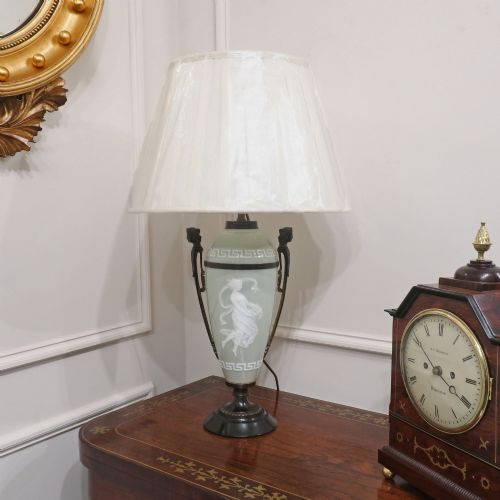
Nineteenth-century porcelain table lamps combine functional lighting with sculptural ceramic bodies, often mounted on gilt bronze bases. Placing them on side tables or desks allows the glazed surfaces and hand-painted motifs to catch ambient light.
Ensure that any modern wiring respects the historic base without damaging the ceramic body. Pair them with simple silk or linen shades to let the antique porcelain remain the visual focus.