
French Hand Painted Porcelain
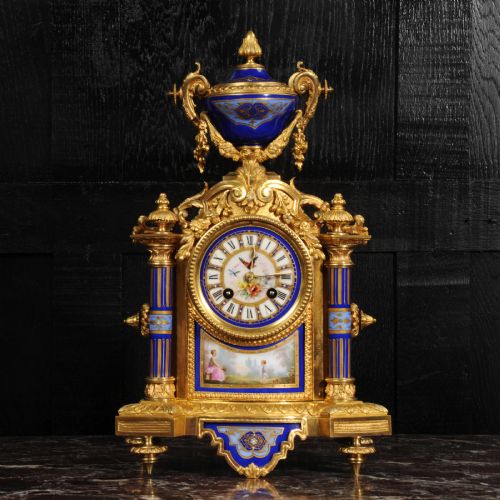
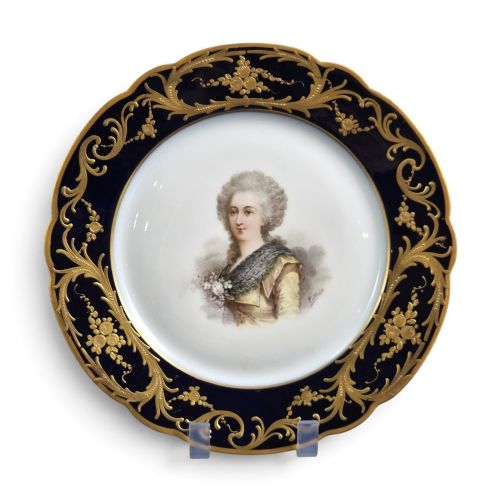
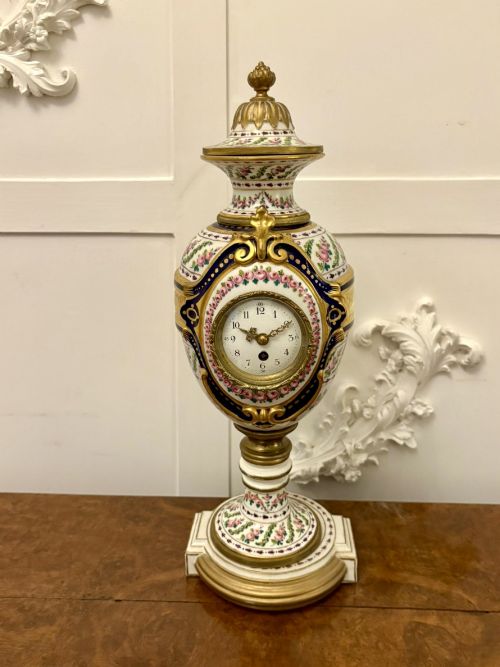
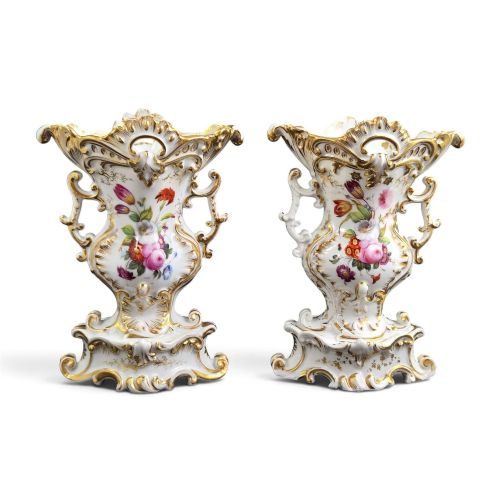
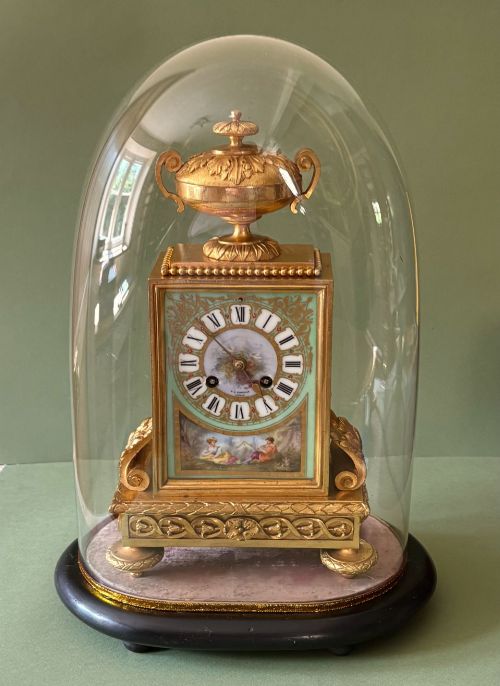
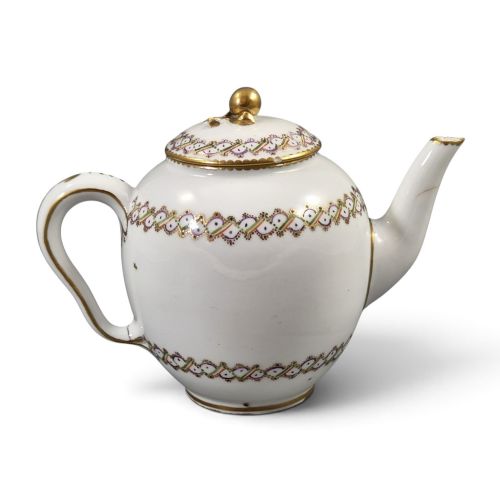
When searching for french hand painted porcelain, collectors encounter ornate mantel clocks, decorative vases, and cabinet plates spanning the eighteenth and nineteenth centuries.
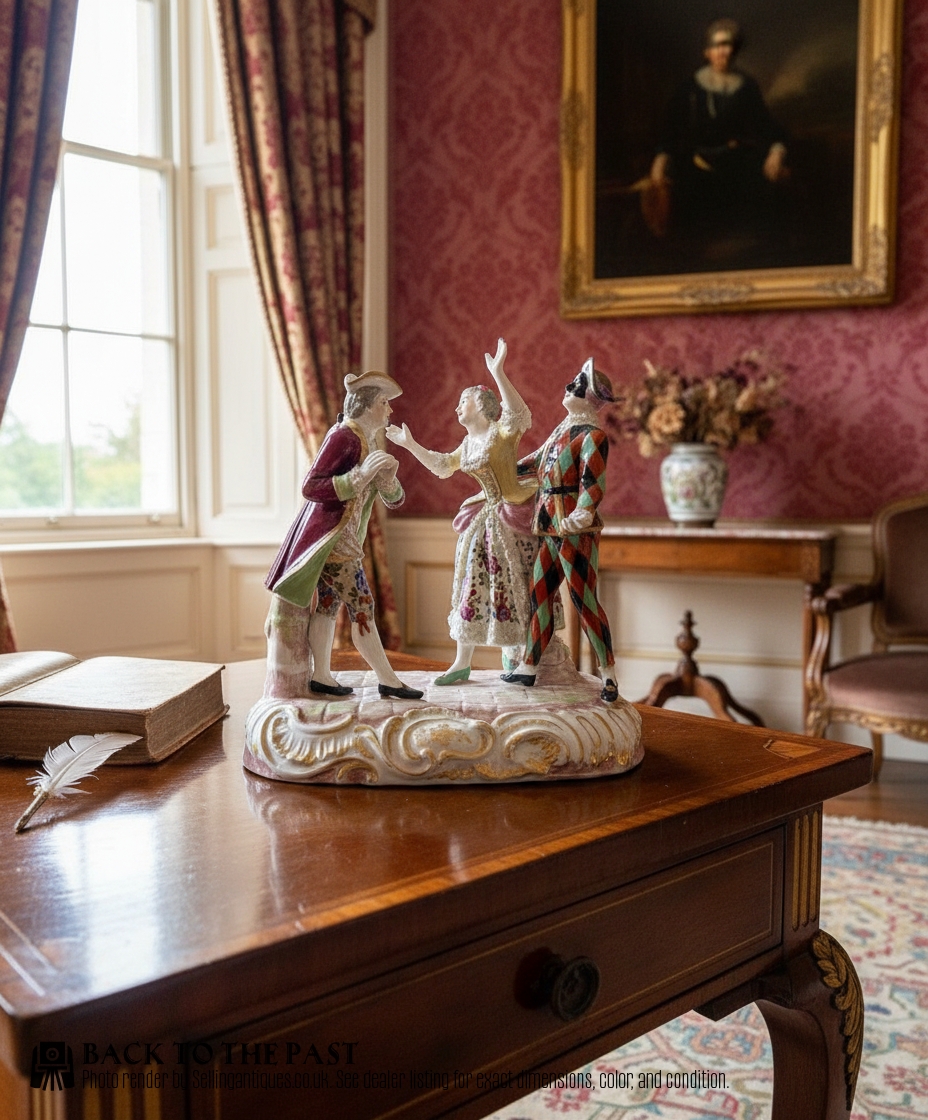
French Hand Painted Porcelain
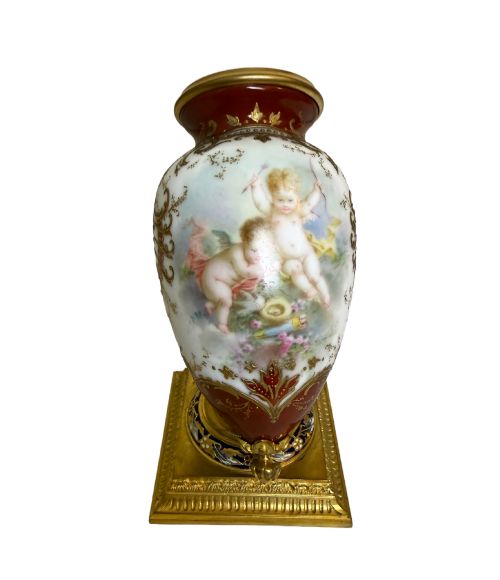
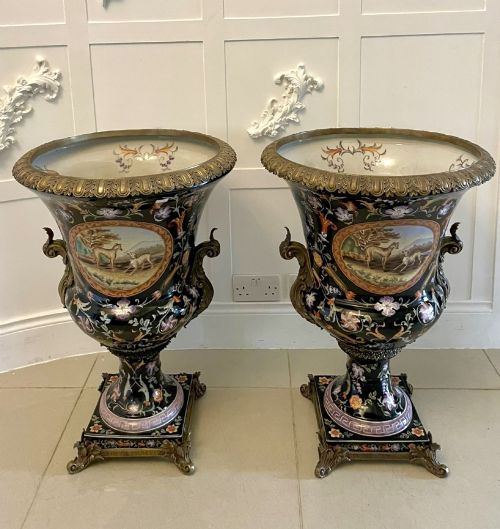
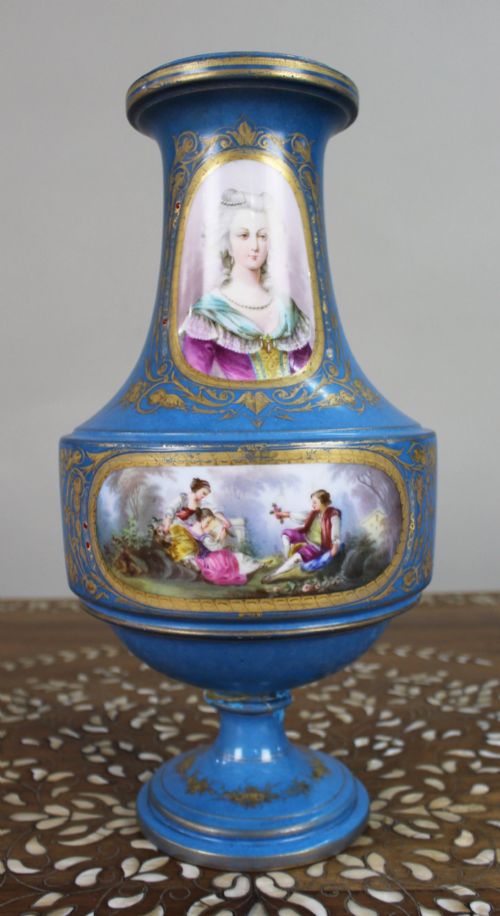
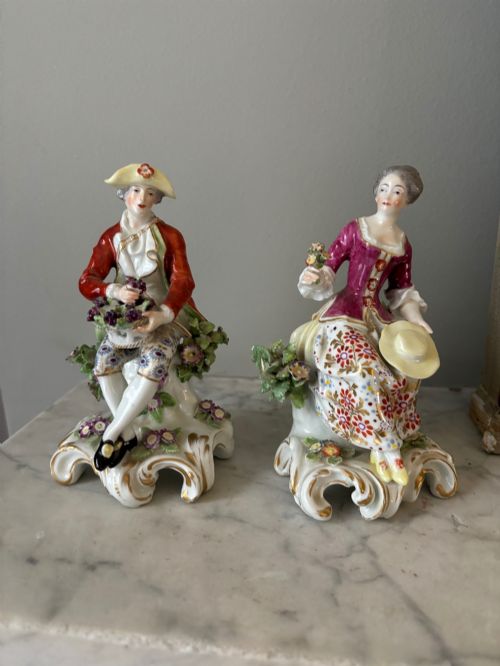
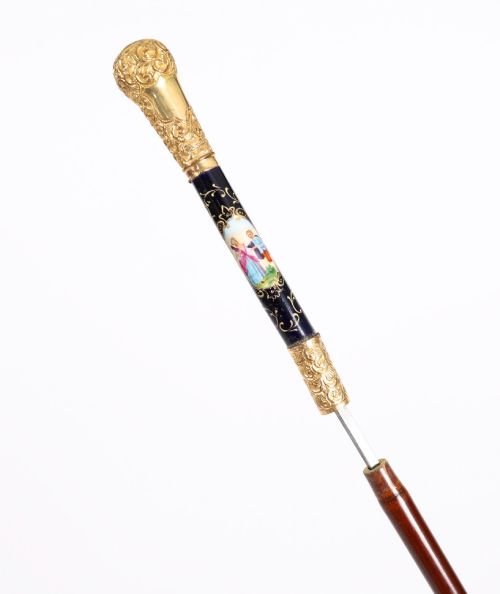
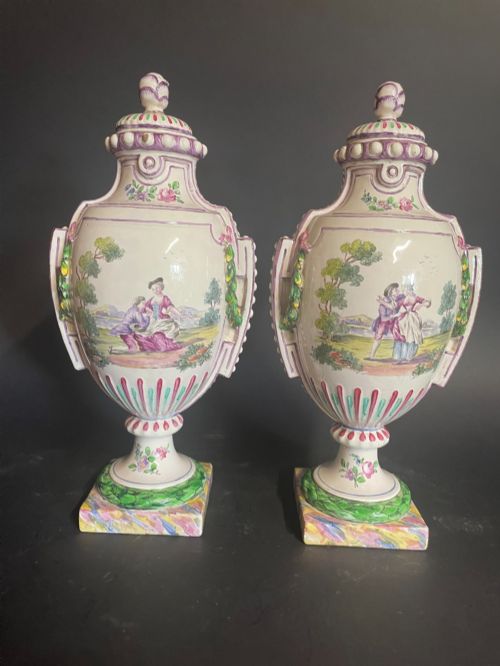
The category encompasses diverse utilitarian and decorative forms, ranging from monumental palace urns and lidded vases to delicate cabinet cups, pill boxes, and wall plaques. These pieces typically display detailed hand-painted figurative scenes, portraits, or botanical subjects upon glazed ceramic surfaces.
Nineteenth-century interpretations dominate current selections, frequently channelling earlier royal aesthetics through revivalist movements. Pieces span functional table wares, intricate timepieces mounted in gilt bronze, and dedicated display items created for affluent domestic interiors.
Materials and Manufacture
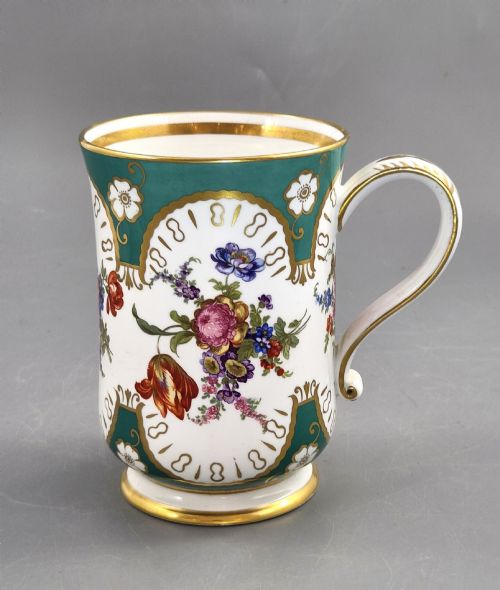
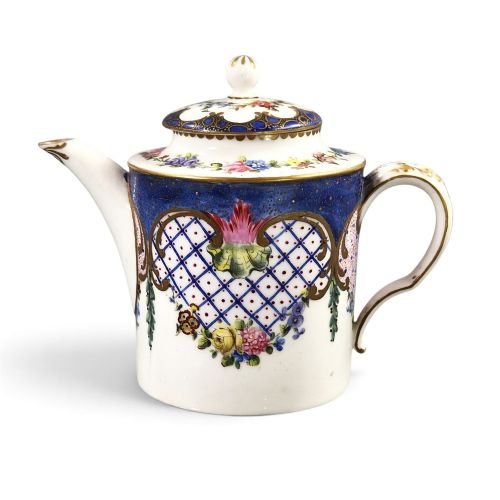
Firms utilised both hard-paste porcelain and soft-paste bodies, often applying rich ground colours such as cobalt blue, bleu céleste, and emerald green before adding meticulous brushwork. Gilding with gold leaf or gold plate frequently highlights the painted panels and structural borders.
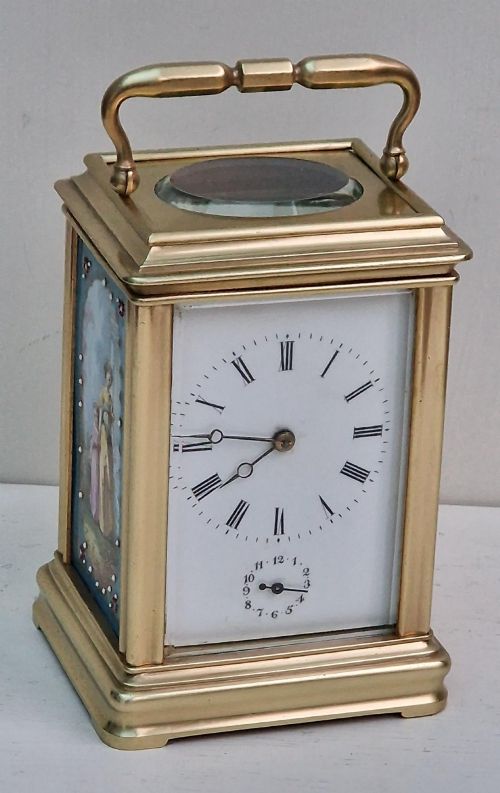
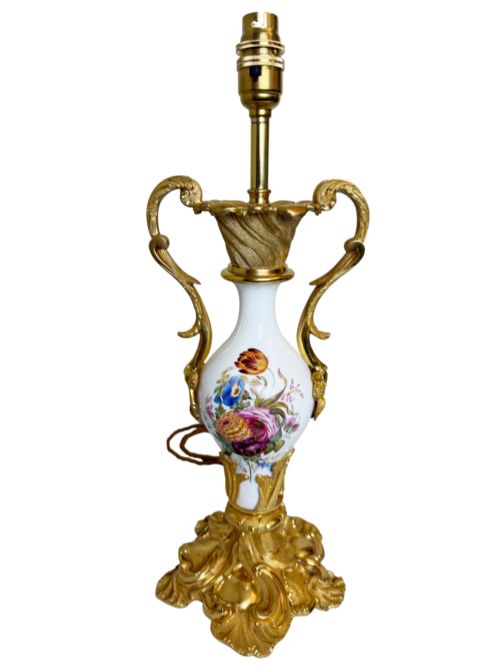
Many ceramic bodies integrate heavy metal mounts, employing ormolu, gilt bronze, brass, and champlevé enamel to frame the porcelain plaques and vessels. Craftsmen combined ceramic throwing and moulding with precision metal casting to construct complex clocks, caskets, and garniture sets.
Current listings demonstrate a strong nineteenth-century focus, combining Sèvres-style revival vases with Old Paris cabinet cups, gilt bronze clocks, and Samson copies.
Distinctions in Quality
Superior examples reveal exceptional mastery in the miniature brushwork of the painted scenes, where facial expressions, drapery, and natural foliage remain crisp and finely shaded. Lesser pieces rely on stencilled outlines or hurried, repetitive brushstrokes with minimal depth.
The integration of the metal mounts dictates overall execution standards, with premium items featuring hand-chased ormolu and heavy gilt bronze securely fitted to the porcelain body. Inferior production often displays loose mounts, thin plating, or standardised cast elements lacking hand-finishing.
Jacob Petit·Edme Samson·Bourdois and Bloch·Joseph Gaspard Robert·Ambroise Michel
The French Hand Painted Porcelain Glossary
- Bleu Céleste
- A vibrant sky-blue ground colour developed at eighteenth-century royal kilns and widely imitated in later nineteenth-century revival pieces. This bright hue provides high contrast for gilt detailing and painted reserves.
- Ormolu
- Finely ground high-carat gold applied to a bronze base metal through a mercury amalgamation process, or cast in modern equivalents to simulate solid gold mounts. It frames porcelain panels on clocks, caskets, and garnitures.
- Soft-Paste
- A glassy porcelain composition fired at lower temperatures than hard-paste, producing a warmer-toned body with a softer glaze. It is frequently associated with early eighteenth-century factory production.
- Garniture
- A set of three or more matching decorative vessels, such as vases or urns, designed to display together on a mantelpiece or sideboard. They often feature matching hand-painted panels.
- Faience
- Tin-glazed earthenware produced in traditional centres such as Marseille and Sceaux rather than true porcelain. These pieces offer opaque white grounds decorated with colourful lead-glazed pigments.
French Hand Painted Porcelain: Frequently Asked Questions
How do I identify a Sèvres style piece?
Sèvres style pieces generally feature rich coloured grounds like bleu céleste or cobalt, bordered by heavy raised gilding and central hand-painted medallions depicting romantic or historical subjects. Many incorporate imitation marks underneath, though the overall weight, gilding quality, and painting fineness reveal true nineteenth-century factory skill.
Buyers should examine the precision of the enamel work and the integration of any gilt bronze mounts. Authentic revival pieces from major Paris workshops match the ambition of royal eighteenth-century output even when bearing secondary signatures.
Were these porcelain clocks meant to keep time?
Porcelain-mounted mantel clocks and carriage timepieces were fully functional domestic instruments designed for wealthy drawing rooms. The delicate ceramic cases and painted dials housed quality mechanical movements driven by springs or pendulums.
While many retain their original working mechanisms, buyers often acquire them as sculptural centrepieces. Professional servicing ensures the delicate gear trains operate smoothly alongside the fragile porcelain housings.
What is Old Paris porcelain?
Old Paris, or Vieux Paris, refers to the unbranded porcelain produced by numerous independent workshops operating in and around Paris from the late eighteenth through the nineteenth centuries. These factories produced everything from cabinet cups to large mantel vases, characterised by bright colours and heavy gilding.
Without a single governing royal monopoly, these independent makers experimented freely with romantic motifs and sculptural forms. Their output represents the accessible backbone of nineteenth-century French domestic ceramics.