



Samson Edme Porcelain
Samson edme porcelain offers playful reproductions of earlier European and Asian ceramics, bringing cabinet-ready figures and armorial plates into your collection.
Samson Edme Porcelain
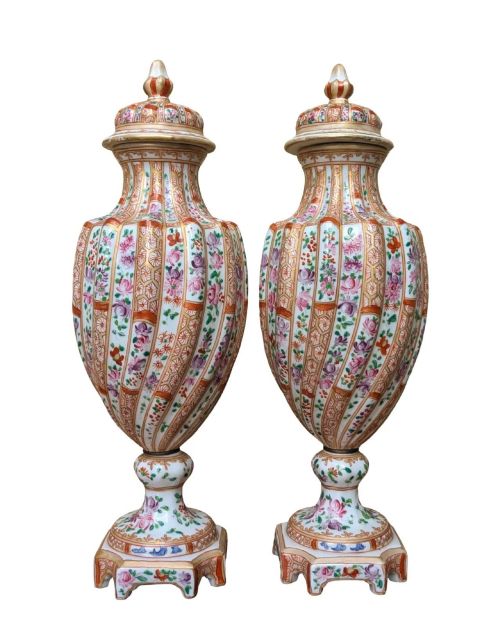
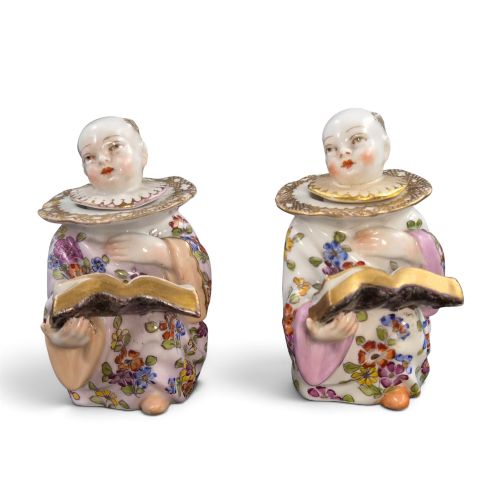
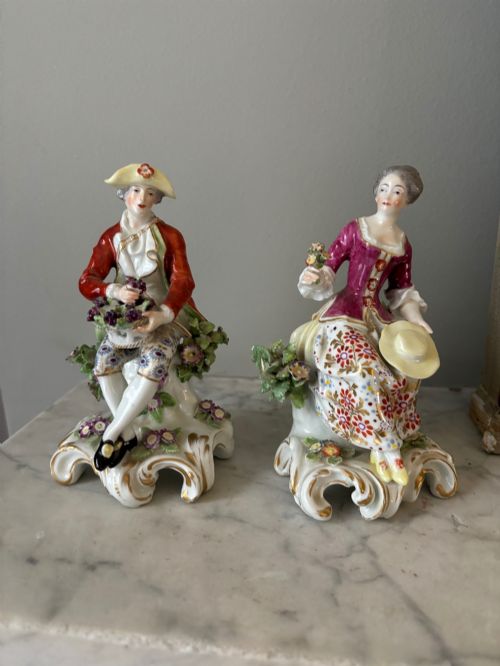
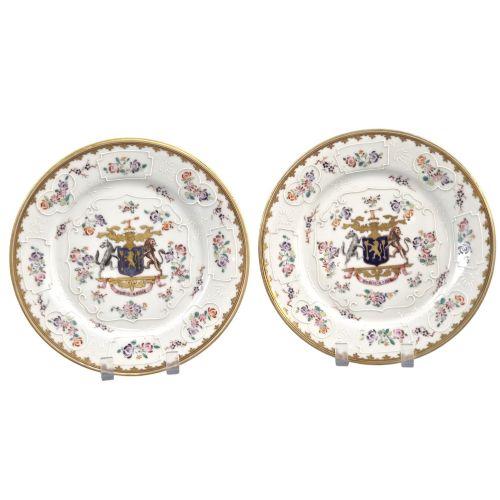
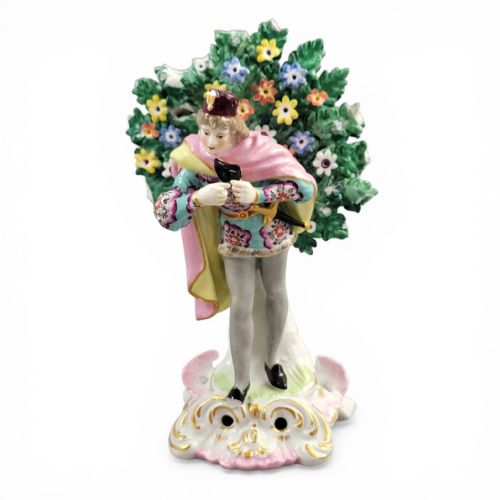
When you search for samson edme porcelain, you encounter nineteenth-century French imitation wares produced in Paris by the Samson firm. The selection centres on decorative objects, from figurines and vases to inkwells, trinket boxes, and armorial plates.
Many of these pieces imitate earlier styles and famous factories, drawing on Chelsea, Derby, and Chinese models. You will frequently find figures of street vendors, mythological characters like Venus and Cupid, and richly painted Rococo revival forms.
The objects span the nineteenth century, with dates clustering around the middle and later decades of the period. Forms range from small bonbonnières and figural inkwells to large campana vases and soup tureens.
Assessing Quality
Quality rests primarily on the crispness of the porcelain modelling and the execution of the hand-painted details. Finer pieces display carefully rendered facial expressions, precise polychrome work, and controlled application of gilding.
The ambition of the form also shapes the standard, distinguishing straightforward utilitarian vessels or simple figurines from elaborate armorial plates and complex multi-figure groups.
Listings feature porcelain, enamel, and gold leaf applied to decorative objects spanning the nineteenth century.
Edmé Samson·Samson of Paris·Edmé Samson and Cie
The Samson Edme Porcelain Glossary
- Armorial
- Bearing a coat of arms or heraldic crest. These designs were often copied from eighteenth-century Chinese export or European services.
- Campana
- A bell-shaped vase form popular in classical antiquity and revived during the nineteenth century. They often feature twin handles and pedestal feet.
- Chinoiserie
- A European interpretation of Chinese and East Asian artistic traditions. This style influenced many painted scenes on trays and vases.
- Polychrome
- Decorated in multiple colours. Enamels of this type bring vibrancy to figures and scenic panels.
- Rococo Revival
- A nineteenth-century stylistic movement that imitated the ornate, asymmetrical curves of the eighteenth-century French rococo period.
Samson Edme Porcelain: Frequently Asked Questions
What is samson edme porcelain?
These items are nineteenth-century ceramic reproductions and interpretations created in Paris by the Samson workshop. They replicate famous historical styles, ranging from English porcelain figures to Chinese export armorial plates.
Collectors prize them for their decorative quality and the skill required to imitate earlier ceramics. They function as attractive display pieces rather than utilitarian tableware.
How can I date these pieces?
Dating relies on stylistic clues, historical marks, and the types of paste and enamel used by the Parisian workshop. Most surviving examples date from the mid to late nineteenth century.
Examining the base and the method of gilding helps distinguish earlier nineteenth-century production from later Victorian outputs.
Are these pieces genuine antiques?
Yes, they are antique objects produced during the nineteenth century. While they imitate earlier historical styles from factories like Chelsea or Derby, they are distinct nineteenth-century creations in their own right.
They were made as high-quality tributes or cabinet pieces rather than deliberate deceptions, though some bear pseudo-marks of earlier makers.
How should I display them?
Porcelain figures, vases, and trinket boxes suit enclosed cabinets or mantelpieces where they are protected from accidental knocks. Their bright polychrome enamels and gilding stand out against neutral backgrounds.
Keep them away from direct sunlight to preserve the vibrancy of the hand-painted enamel colours over time.