


Gilt Porcelain Tray
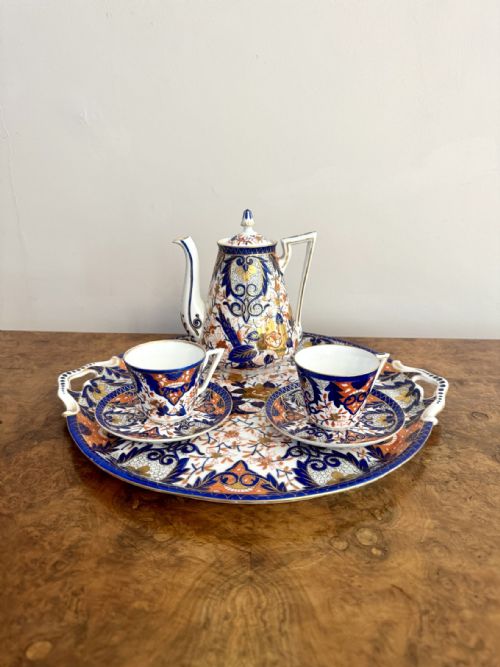
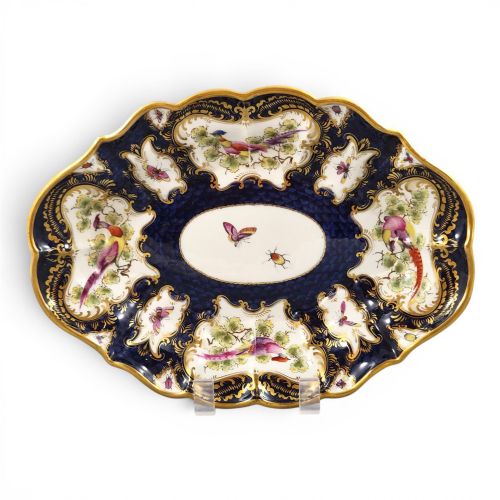
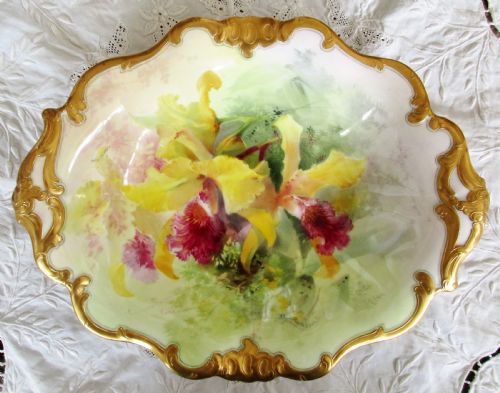
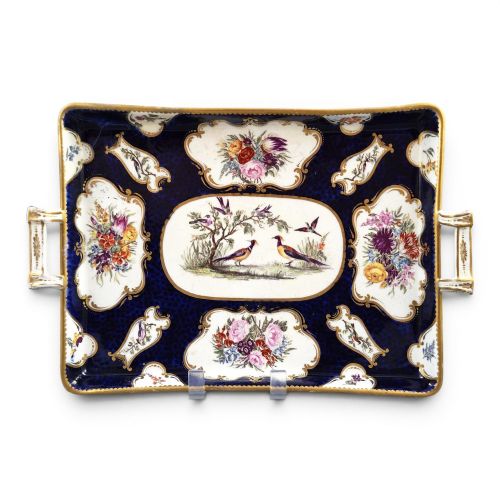
These gilt porcelain tray examples bring refined Victorian and mid-century elegance to any surface.
What They Are
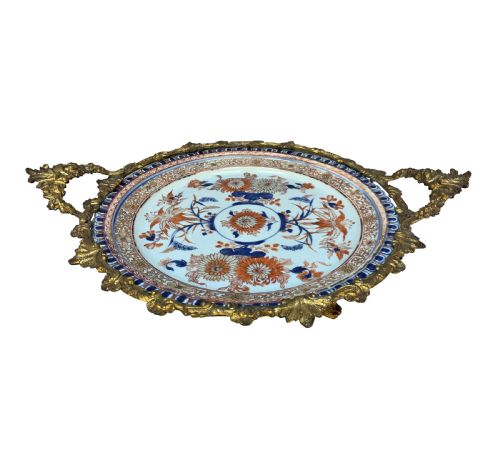
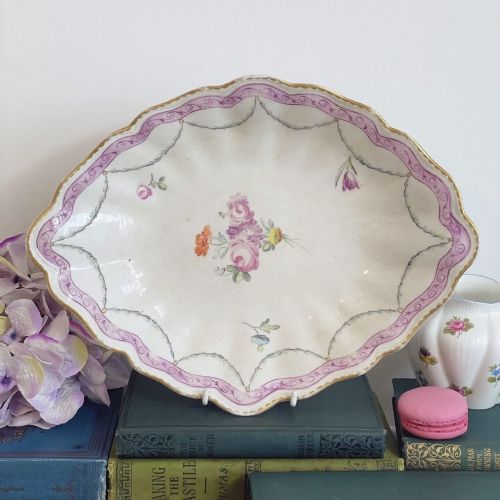
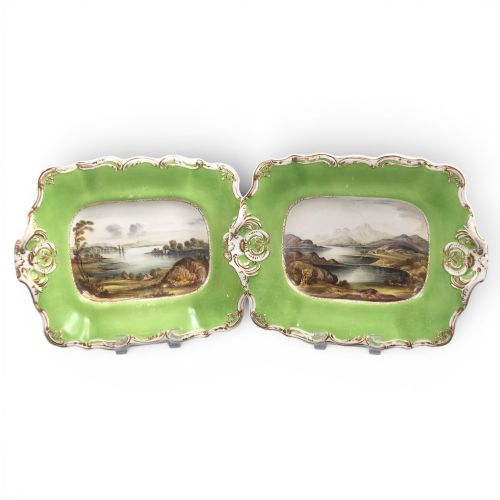
A gilt porcelain tray brings together fine ceramic bodies and metallic gilding for display or service. These pieces cross utility and decorative arts, often taking the form of serving trays, decorative trays, or pencil trays. You encounter traditional English and Rococo Revival styles spanning from eighteen eighty to nineteen fifty.
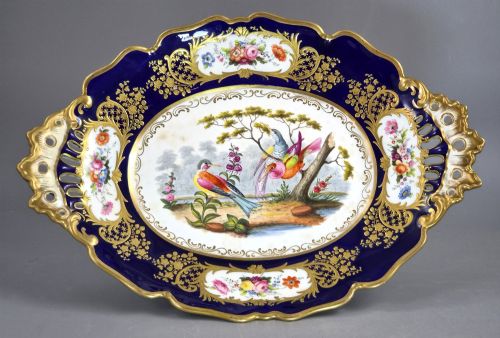
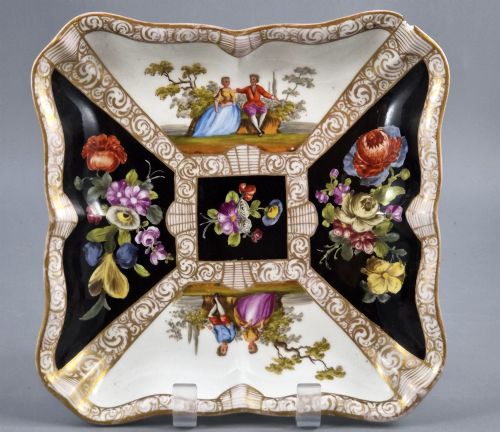
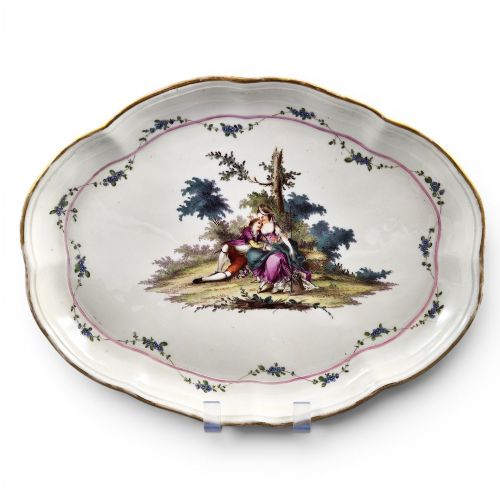
The selection ranges from Minton blue and white china to Royal Worcester painted fruit and Samson Paris bleu céleste pieces with Watteau scenes. Each object reflects the prevailing taste of its decade, whether mid-Victorian production or mid-century studio painting.
How They Were Made
Maker workshops shape ceramic and porcelain bodies before applying enamel paints and gold leaf highlights. Firing fixes the glaze and pigments to the porcelain base, after which artisans add fine gilt details by hand.
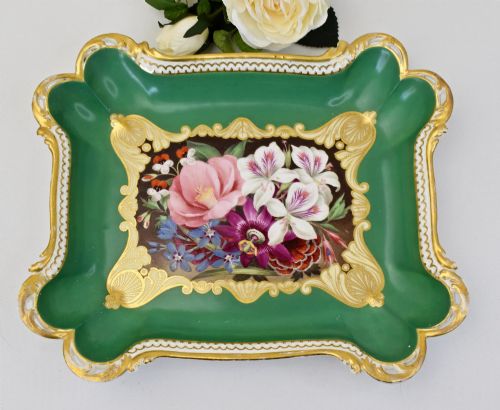
Specialised artists paint decorative subjects directly onto the glazed surface, as seen in signed botanical or figural panels. Gilding is then layered over or around the ceramic design to frame the composition.
Artists occasionally signed even the smallest pencil trays, ensuring miniature fruit still bears an ego.
What Varies in Quality
The refinement of the painted decoration separates standard production from exceptional studio output. Hand-signed artwork and detailed figurative scenes demand higher skill than simple transfer printing.
The weight and purity of the porcelain body along with the preservation of the gold leaf dictate the overall standard. Rich cobalt grounds and intact enamel work indicate superior craftsmanship.
The Gilt Porcelain Tray Glossary
- Bleu céleste
- A bright sky-blue enamel ground colour often used on French porcelain to imitate Sèvres production. This hue provides a striking contrast for gilt borders and painted panels.
- Gilt
- A thin layer of gold leaf or gold paint applied to the surface of porcelain. It highlights rims, handles, and decorative motifs.
- Enamel
- Opaque glass-like paint fused to the porcelain body during firing. It allows for vibrant, lasting polychrome decoration.
- Rococo Revival
- A nineteenth-century design style favouring asymmetrical scrollwork, natural curves, and ornate framing. This aesthetic heavily influences nineteenth-century trays.
- Pencil tray
- A narrow rectangular ceramic dish designed for desk use. These smaller items often feature detailed hand-painted fruit or floral subjects.
Frequently Asked Questions
How do I use a gilt porcelain tray?
These trays suit surface display on desks, dressing tables, or sideboards. They accommodate small items such as writing implements or decorative trinkets.
Avoid heavy daily service to protect the painted enamel and gold leaf from wear over time.
How do I date a porcelain tray?
Examine the style, body material, and any maker marks on the underside of the ceramic base. Victorian pieces from eighteen eighty often display heavier Rococo Revival moulding and traditional English motifs.
Mid-century items from nineteen fifty tend to feature finer artist signatures and distinct painted fruit subjects.
What is bleu céleste?
Bleu céleste translates to sky blue and describes a specific bright turquoise enamel ground colour used on porcelain. It was popularised by French factories to create luxurious decorative wares.
Trays with this ground often feature reserved panels painted with figural scenes.