


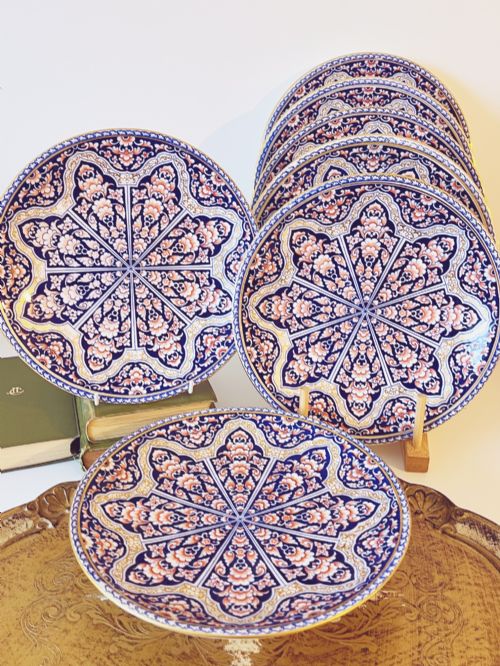
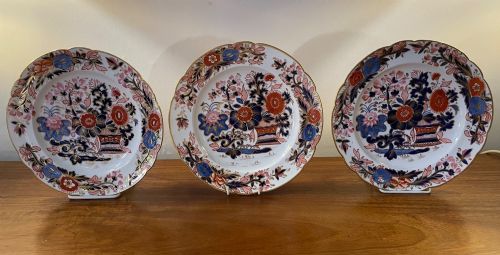
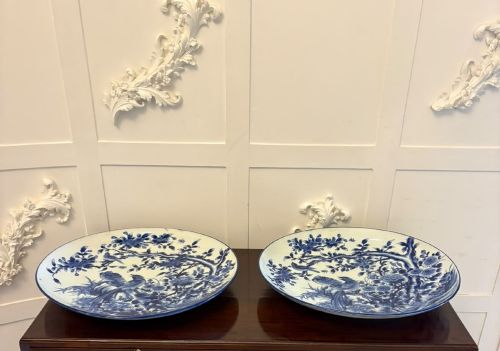
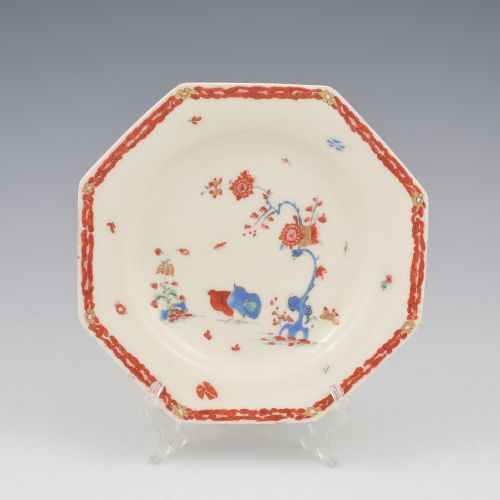

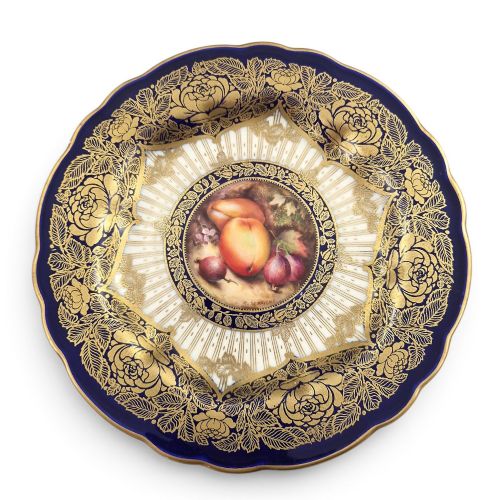
Blue Porcelain Display Plates
Blue porcelain display plates bring vibrant cobalt underglaze patterns and rich historical character directly into your interior scheme.
Blue Porcelain Display Plates
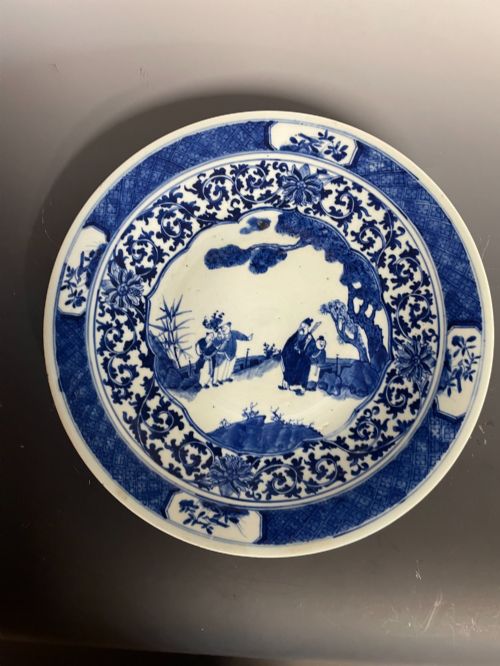
Blue porcelain display plates encompass decorative tableware created primarily for visual appreciation rather than daily dining. When searching for blue porcelain display plates, you encounter pieces spanning the eighteenth century through the twentieth century, originating from English potteries, European factories and Japanese kilns.
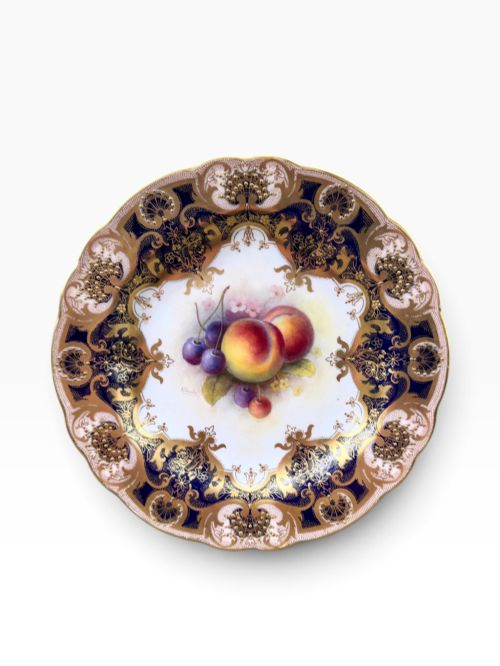
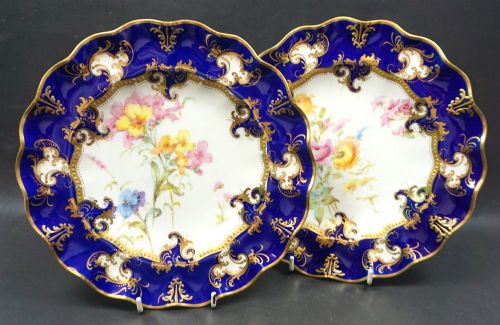
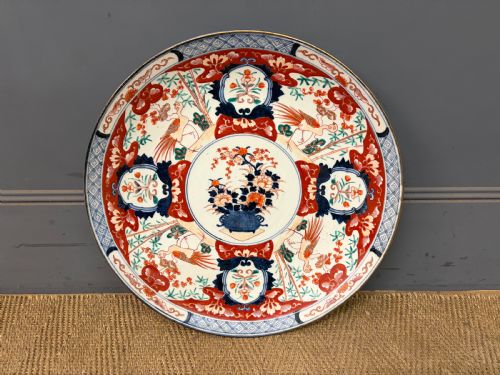
The selection frequently includes large chargers, cabinet plates and dessert service dishes adorned in cobalt underglaze, Imari palettes and Chinoiserie motifs. Common forms range from traditional round platters to octagonal, hexagonal and scalloped display dishes designed to hang on walls or sit upon surfaces.
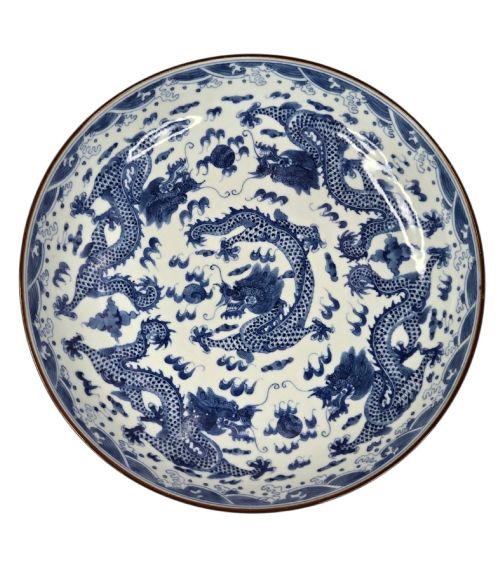
Examples originate from diverse cultural traditions, incorporating Dutch Delft styles, Qing Dynasty dragon motifs and Japanese Meiji period aesthetics alongside traditional English manufactories. Each piece represents a specific period of ceramic artistry, utilising glaze and porcelain body characteristics unique to its origin.
Materials and production methods
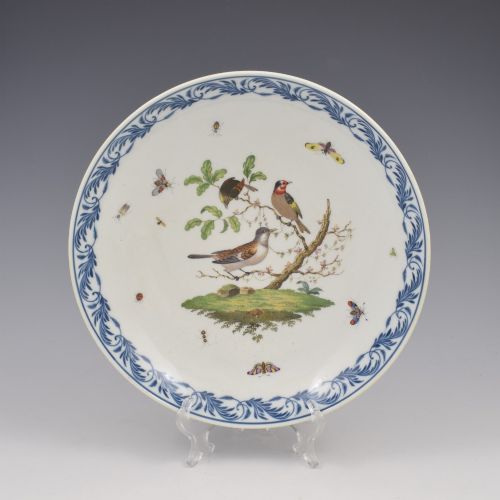
Makers utilised fine porcelain and bone china bodies, shaping them into plates, chargers and serving dishes before applying cobalt underglaze pigment. This blue pigment withstands high firing temperatures, allowing intricate designs such as dragons, birds and botanical scenes to fuse permanently with the ceramic body.
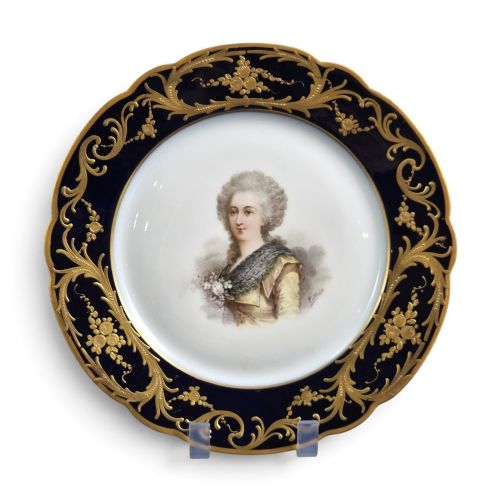
Many items incorporate subsequent applications of enamel colours, gilding and gold leaf over the initial glaze to enrich the visual depth. Artisans often hand-painted specific botanical studies, portraits and landscape scenes onto cabinet plates before final kiln firings fixed the surface decoration.
Listings feature porcelain, bone china, enamel, gold leaf and gilding across periods spanning the eighteenth, nineteenth and twentieth centuries.
Distinguishing quality in porcelain plates
Quality rests upon the precision of the hand-painted brushwork, the clarity of the cobalt underglaze and the refinement of the porcelain or bone china body. Superior examples display meticulous control in fine details such as feathers on ornithological studies, facial expressions on portrait plates and symmetry within geometric borders.
The application of secondary elements such as gilding, enamel highlights and gold leaf distinguishes standard production from exceptional cabinet pieces. Greater artistic investment by named painters and established factories yields stronger depth of colour, balanced composition and overall decorative presence.
Royal Crown Derby·Royal Worcester·Meissen Porcelain·Bow Porcelain·Stubbs
The Blue Porcelain Display Plates Glossary
- Cobalt Underglaze
- A blue metallic oxide pigment applied to the raw ceramic body before glazing and firing, producing a durable cobalt blue design beneath a clear glossy surface.
- Imari Palette
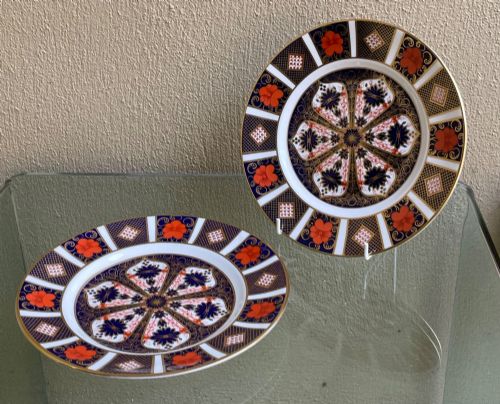
- A decorative colour scheme originating in Japan, combining underglaze cobalt blue with iron red and supplementary gilding.
- Cabinet Plate
- A decorative porcelain plate intended for display in a cabinet or on a wall rather than for functional dining use.
- Charger
- A large ornamental plate or platter used primarily for display or as a base setting beneath other tableware.
- Kraak Style
- A type of Chinese porcelain characterised by panelled borders and central motifs of birds, flowers or landscapes, widely imitated in Dutch Delftware.
Blue Porcelain Display Plates: Frequently Asked Questions
What are blue porcelain display plates?
These items are decorative ceramic dishes created for visual display rather than daily domestic use. They encompass cabinet plates, large chargers and dessert service pieces decorated with blue pigments.
Originating across European and Asian traditions, they showcase techniques including cobalt underglaze painting, enamel work and gilding.
How were display plates used historically?
Historically, fine porcelain plates served as status symbols displayed on sideboards, mounted on walls or utilised within wealthy households for formal dessert courses.
Cabinet pieces were often commissioned to commemorate specific events or showcase the finest artistry of a particular pottery workshop.
How do I display these plates safely?
Displaying these plates involves utilising secure wall hangers designed specifically for porcelain or placing them firmly on stable plate stands within cabinets.
Keeping them away from direct sunlight preserves enamel colours and prevents any delicate gilding from fading over time.
How can I tell different periods apart?
Distinguishing periods relies on observing stylistic markers, paste consistency, glaze characteristics and any factory marks or signature details present on the reverse.
Evolving aesthetics, from eighteenth-century hand-painted motifs to Victorian and twentieth-century interpretations, provide clear clues to each piece's era of manufacture.