


Blue Ceramic Bowl
A blue ceramic bowl brings rich colour and enduring utility to a room, offering both practical service and striking display.
What a blue ceramic bowl is
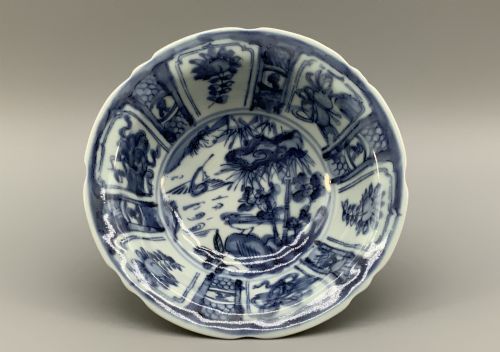
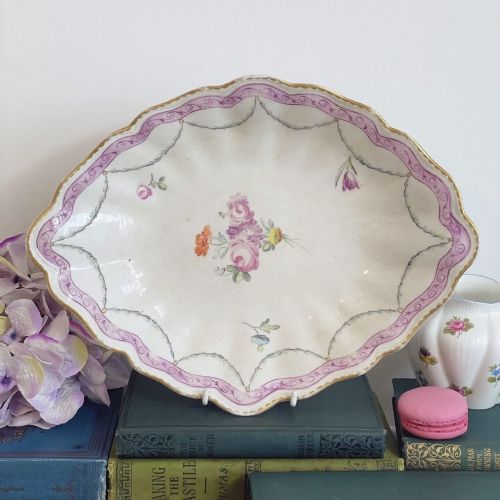
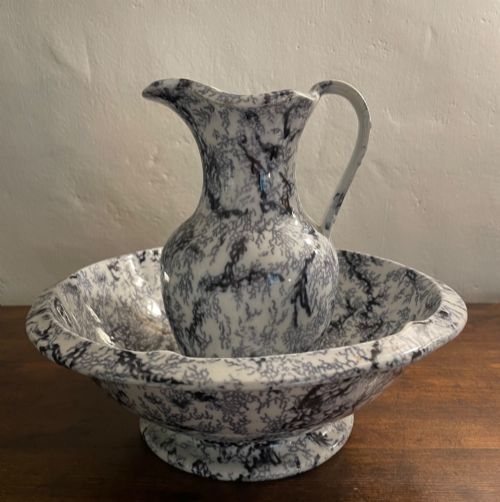
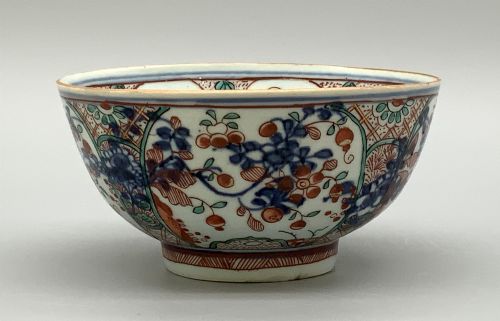
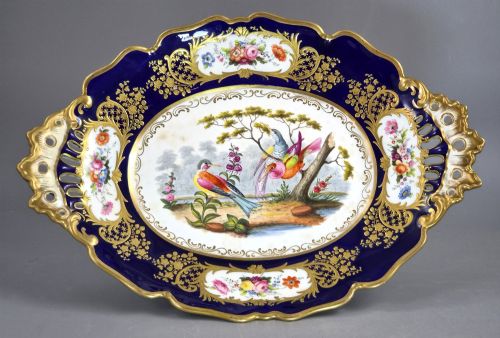
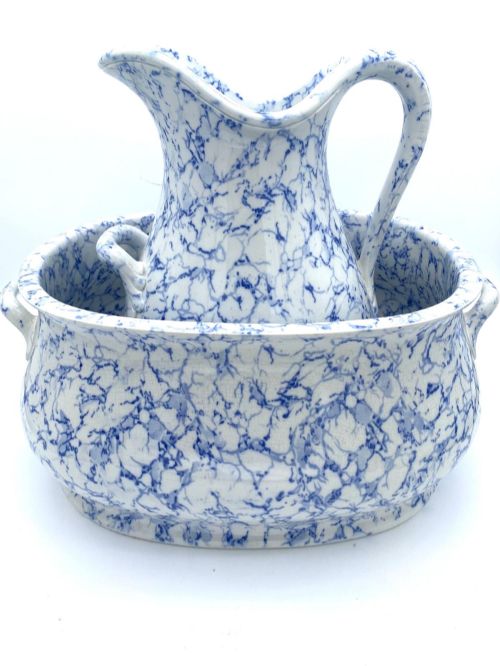
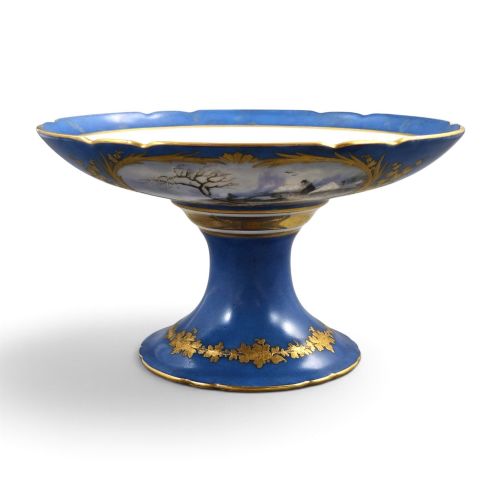
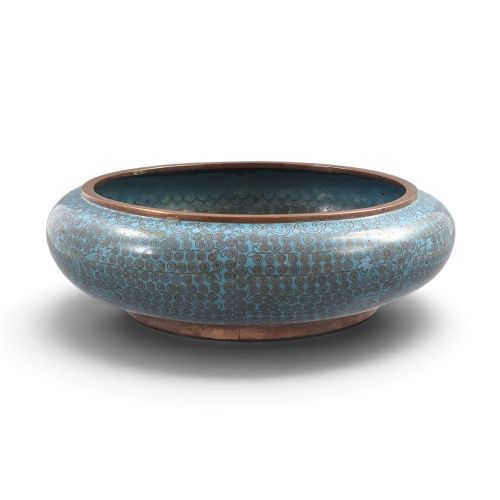
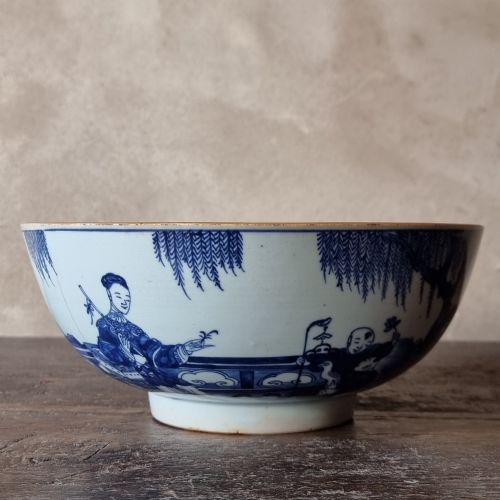
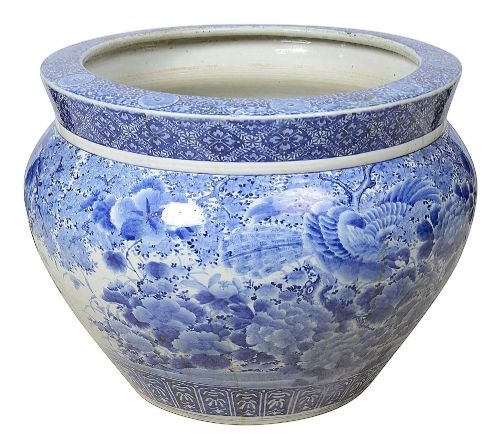
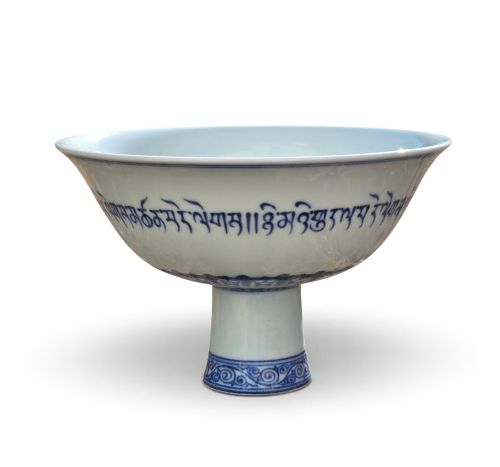
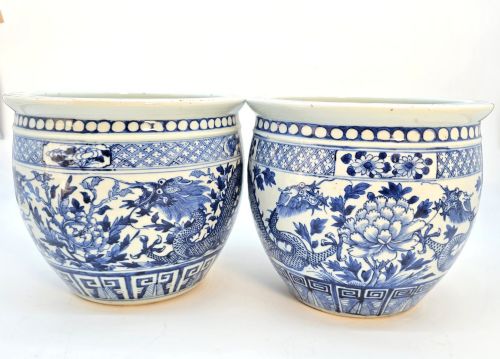
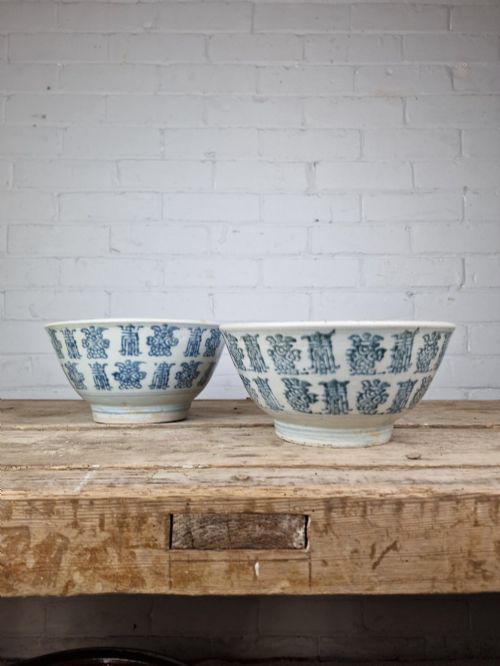
A blue ceramic bowl encompasses everything from eighteenth-century soft-paste porcelain junket dishes to twentieth-century earthenware vessels. When you search for a blue ceramic bowl, you encounter diverse forms ranging from large wash bowls and serving dishes to decorative centrepieces and jardiniere plant stands.
The pieces appearing here span Georgian, Victorian, Art Nouveau, and Arts and Crafts styles, reflecting changing domestic tastes over three centuries. Georgian examples often feature intricate underglaze painting, whereas later twentieth-century pieces lean into rich cobalt glazes and tube-lined pomegranate motifs.
How they were made
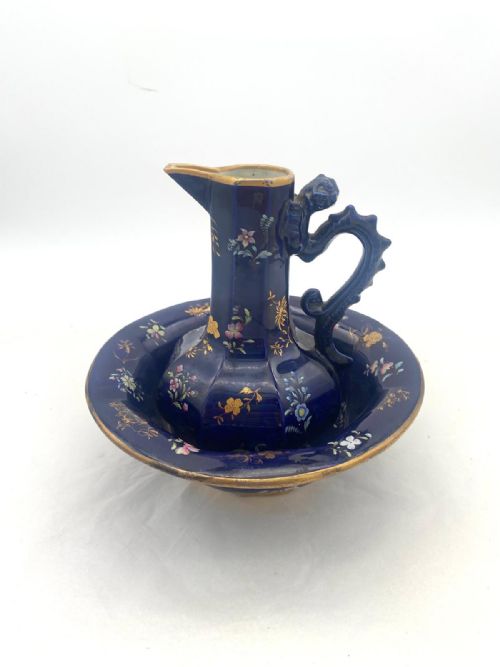
Maker's workshops utilised varied ceramic bodies including soft-paste porcelain, bone china, and glazed earthenware shaped into bowls and dishes. Artisans applied cobalt glaze beneath or over the surface, sometimes incorporating enamel decoration and gilt highlights to enrich the visual depth.
Specific pieces demonstrate specialised manufacturing techniques such as the lustre glazes seen on Wedgwood designs or the raised tube-lining characteristic of Moorcroft pottery. Each method required precise kiln firing to achieve the durable finishes and vibrant blue tones visible across the selection.
Retail Price Guide 2026
Typical UK retail prices for blue ceramic bowl, calculated from the Sellingantiques database of over a million retail prices indexed since 2003. This retail price guide relies exclusively on Sellingantiques data; no external sources or auction records are used, so the figures do not describe the wider market.
Art styles represented include Georgian, Victorian, Art Nouveau, and Arts and Crafts.
What varies in quality
Quality rests upon the crispness of the moulding, the precision of the hand-painted or transferred underglaze decoration, and the stability of the ceramic body. Early eighteenth-century porcelain exhibits remarkable translucency and meticulous brushwork, setting a high standard for detail.
Later twentieth-century studio output relies on the depth of the glaze chemistry, particularly in how cobalt interacts with lustre or enamel overlays. Superior examples display balanced proportions, clean foot rims, and controlled firing without surface distortion.
Wedgwood·James Hodgkiss·Moorcroft
The Blue Ceramic Bowl Glossary
- Soft-paste porcelain
- An artificial porcelain compound fired at lower temperatures than hard-paste, common in eighteenth-century English factories. It produces a warm, slightly creamy body ideal for delicate underglaze blue decoration.
- Junket dish
- A shallow ceremonial vessel traditionally used for serving curds, cream, or soft cheeses at Georgian tables. These often feature fluted or moulded rims designed to showcase fine blue and white transfer printing.
- Lustre glaze
- A metallic film applied to pottery and fired in a reduced oxygen atmosphere to create an iridescent sheen. Wedgwood utilised this technique to give earthenware surfaces a shifting, reflective quality.
- Tube-lining
- A decorative method where liquid clay is squeezed through a fine nozzle onto the unglazed body to outline a pattern. Moorcroft famously employed this technique to contain rich pools of dark blue and crimson glaze.
- Wash bowl
- A large domestic basin intended for personal hygiene or water containment within a bedroom setting. These utilitarian pieces often received robust earthenware bodies and generous blue and gold decoration.
Frequently Asked Questions
What is a blue ceramic bowl used for?
These vessels served diverse domestic functions, from nineteenth-century bedroom hygiene in wash bowls to eighteenth-century dining in junket dishes.
Today, collectors utilise them primarily for decorative display, tabletop service, or holding floating flowers and potpourri.
How do I date a blue ceramic bowl?
Dating relies on identifying the underlying ceramic material, such as soft-paste porcelain versus heavier twentieth-century earthenware, alongside stylistic markers.
Examining factory marks, glaze characteristics, and historical forms like Arts and Crafts or Georgian styles provides a reliable chronological framework.
Are these bowls made of porcelain or earthenware?
The materials vary considerably across different periods, encompassing refined soft-paste porcelain, bone china, and robust glazed earthenware.
Earlier eighteenth-century items lean toward delicate porcelain bodies, while later Victorian and twentieth-century examples frequently employ durable earthenware.
How do I care for an antique bowl?
Antique ceramic vessels require gentle handling and should be washed by hand in lukewarm water using mild, non-abrasive soap.
Avoid placing them in dishwashers or exposing them to rapid temperature changes that might stress the historic glaze or ceramic body.