


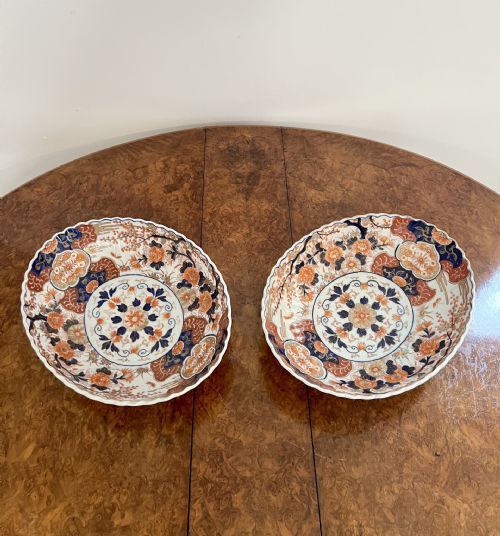

Asian Porcelain Display Dish
An asian porcelain display dish brings centuries of East Asian kiln craft into a room, offering rich painted palettes for tabletop or wall display.
Asian Porcelain Display Dish
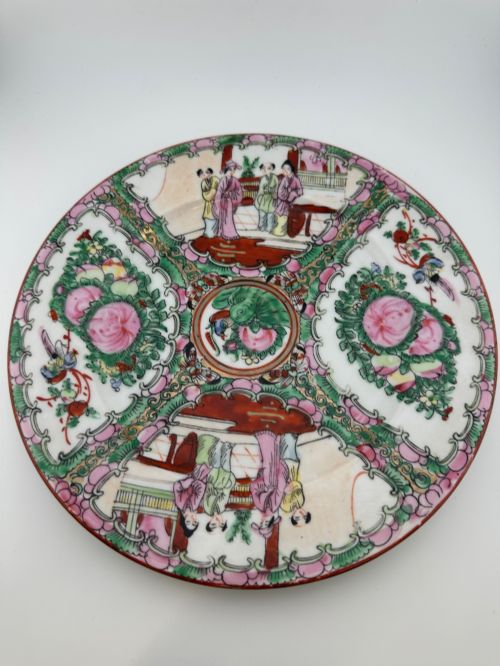
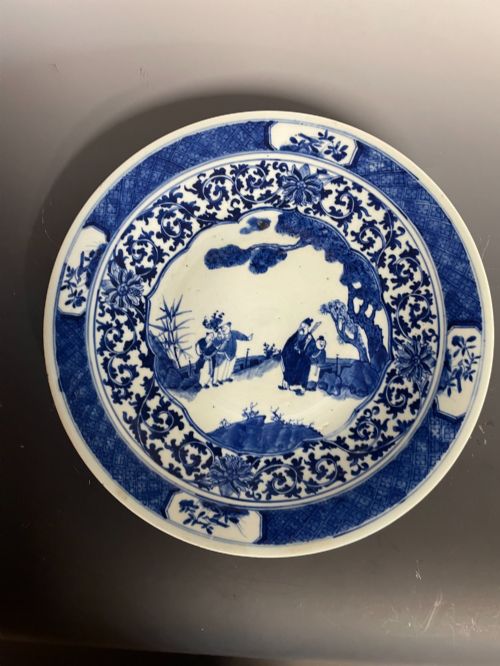
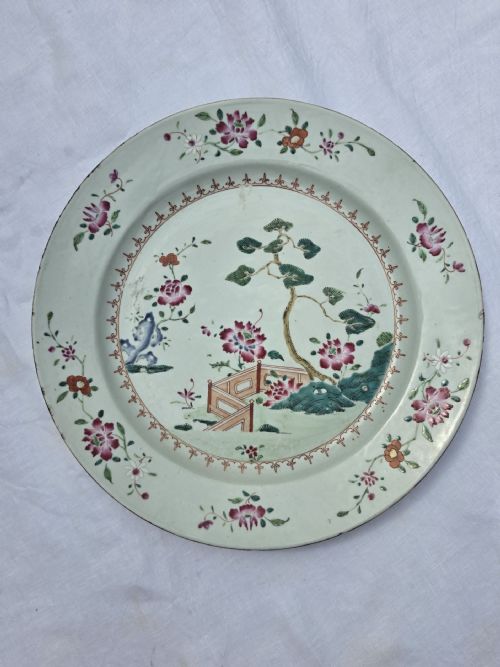
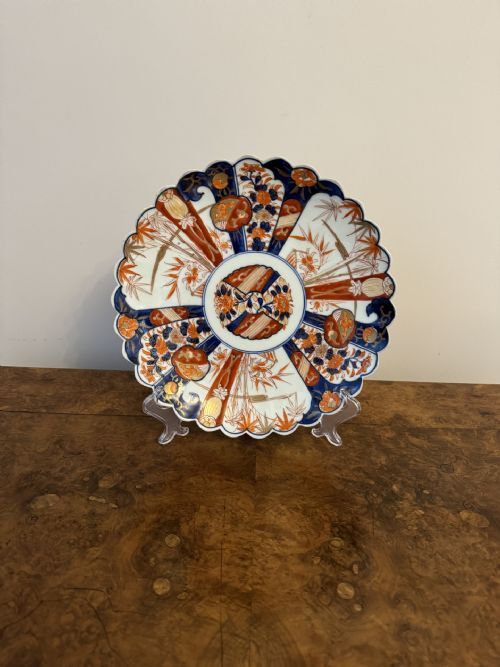
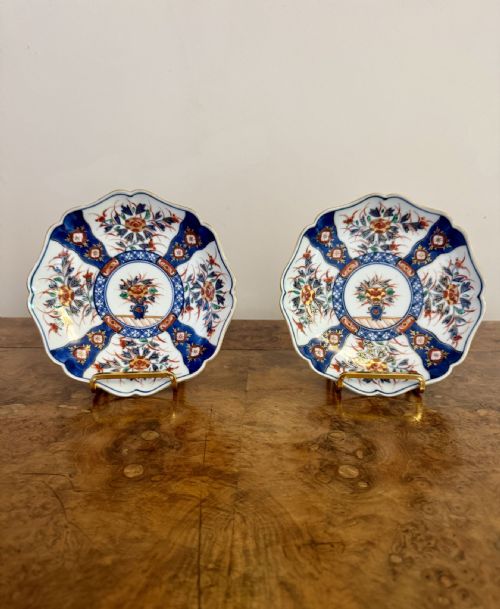
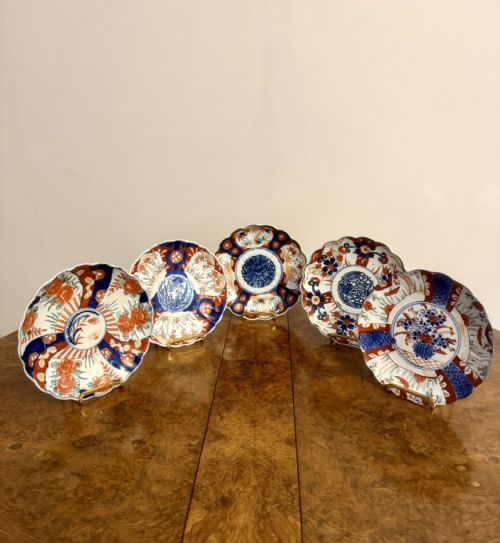
An asian porcelain display dish spans varied forms including decorative plates, chargers, bowls, and platters created for visual impact. Most examples met on this page belong to the nineteenth and early twentieth centuries, featuring distinct regional aesthetics from Japan and China.
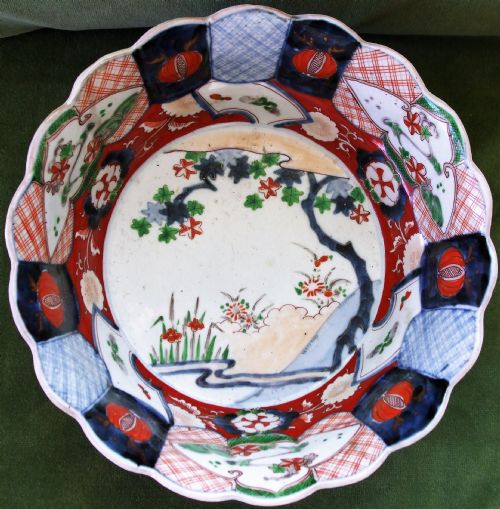
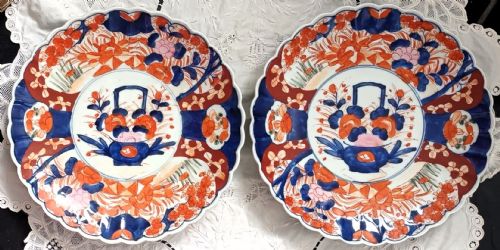
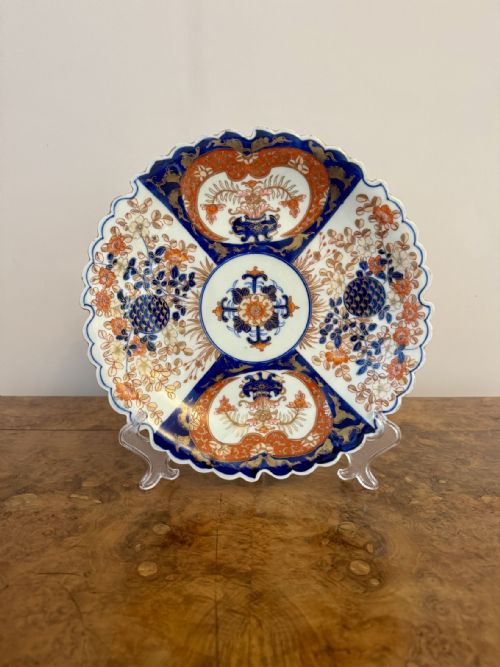
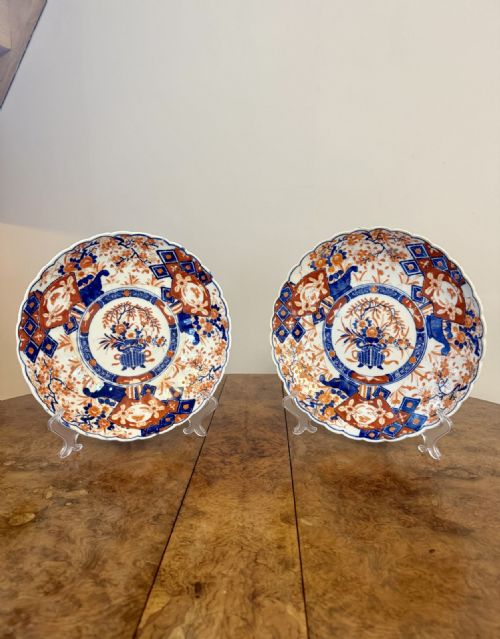
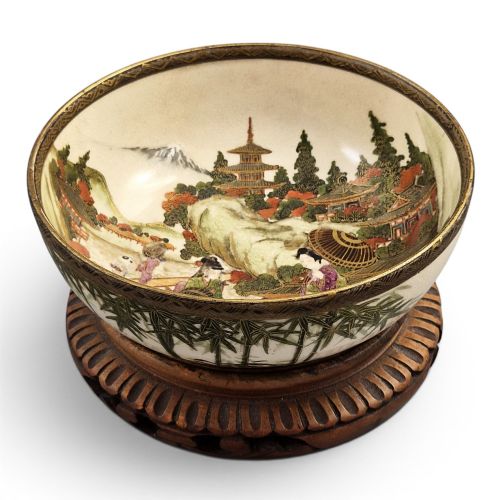
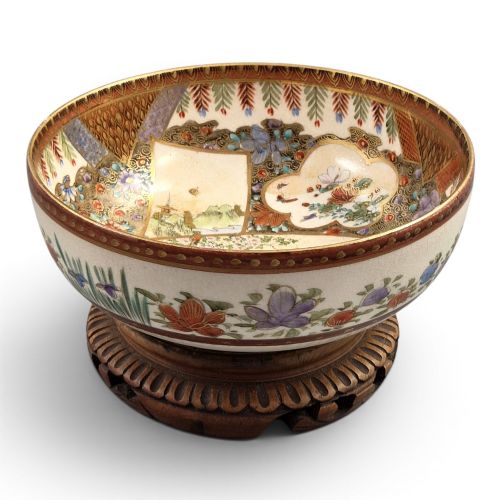
Japanese Imari ware dominates the selection, appearing in forms from standard round plates to scalloped, hexagonal, square, and shell-shaped dishes. Alongside these sit Satsuma earthenware, Chinese export porcelain, and celadon dishes.
The periods represented stretch from the eighteenth century through the Meiji period and into the early twentieth century. These pieces served primarily as decorative items or ceremonial vessels rather than everyday tableware.
Materials and production techniques
Potters shaped fine porcelain and ceramic bodies before applying cobalt glaze, enamel, and gold leaf to create intricate surface designs. Hand painting defined the decoration, requiring skilled brushwork for detailed motifs such as exotic birds, floral scrolls, and figures.
Fostered in historic kilns, pieces underwent high-temperature firing to vitrify the porcelain and set the cobalt underglaze, followed by low-temperature firings for overglaze enamels and gilding. Moulded elements also appear, adding relief texture beneath the glaze on celadon dishes and shaped chargers.
Keep an eye out for exotic birds peering out from Imari plates, seemingly supervising the household from their porcelain perch.
Distinctions in quality and execution
The fineness of the hand-painted detail separates ordinary items from superior examples, particularly in the precision of brushwork on Imari patterns and Satsuma figures. Complexity of form also dictates distinction, as scalloped edges, hexagonal profiles, and moulded floral scrolls demand greater skill from the potter.
The richness of the palette, including the depth of the cobalt glaze and the application of gold leaf and enamel, determines visual presence. Signed pieces from noted workshops or makers add a layer of distinction through documented craftsmanship.
Koshida·Kozan
The Asian Porcelain Display Dish Glossary
- Imari
- A style of Japanese porcelain featuring a distinct palette of cobalt blue, iron red, and gold, named after the port from which the wares were shipped. These designs often incorporate floral and geometric motifs.
- Satsuma
- A type of Japanese earthenware characterised by a pale, ivory crackle-glaze finished with elaborate polychrome enamel and gilt decoration. Satsuma pieces frequently depict figures, landscapes, and dense floral patterns.
- Celadon
- A term for ceramics featuring a pale green or grey-green transparent glaze, often laid over moulded or carved relief decoration. The colour mimics jade and results from iron oxide reacting in the kiln atmosphere.
- Charger
- A large decorative plate or platter intended for display on a sideboard or wall rather than for serving food. Chargers provide an expanded canvas for complex painted compositions.
- Meiji Period
- The era of Japanese history lasting from 1868 to 1912, noted for a surge in decorative arts produced for international export. Pieces from this time often exhibit exceptional technical refinement.
Asian Porcelain Display Dish: Frequently Asked Questions
What is an Imari dish?
An Imari dish is a piece of Japanese porcelain decorated in a traditional palette of cobalt blue underglaze and iron red and gold overglaze. These wares were produced primarily for export and prized for their vibrant, contrasting patterns.
They often display floral panels, birds, and brocade motifs arranged in symmetrical layouts. The style originated in the Edo period and continued through the Meiji era.
How do I display a charger safely?
Chargers can be shown on sturdy plate stands placed on sideboards or hung using secure, rubber-coated wall brackets designed for heavy ceramics. Ensure the weight is evenly supported across the base.
Avoid hanging pieces in areas subject to direct sunlight or vibration from doors. Proper mounting protects the edges and glaze from accidental knocks.
How can I tell Satsuma from Imari?
Satsuma ware is an earthenware with a characteristic ivory crackle-glaze and densely applied enamel and gold decoration, often featuring figural scenes. Imari is true porcelain with a smoother, vitrified body and a brighter palette dominated by cobalt blue and iron red.
Running a finger over the surface reveals that Satsuma often has a slightly textured, matte feel from the enamels, whereas Imari presents a harder, glossier finish.
Are these dishes meant for dining?
These pieces are intended for display and decorative use rather than daily dining. Their delicate overglaze enamels and gold leaf can wear down with frequent washing and cutlery use.
Historic porcelain and earthenware also benefit from gentle handling away from active kitchen environments. Clean them with a dry duster or a very soft, damp cloth when needed.