



18th Century Imari Plate
An 18th century imari plate brings vibrant colour and intricate glaze work to a room, offering a rich blend of Eastern and Western aesthetic traditions.
18th Century Imari Plate
An 18th century imari plate encompasses a striking variety of decorative wares produced in both China and Japan, often featuring characteristic palettes of blue, iron red, black, and gold leaf. Buyers exploring this phrase will frequently encounter Chinese export iterations alongside Japanese Arita dishes and chargers from the Edo period.
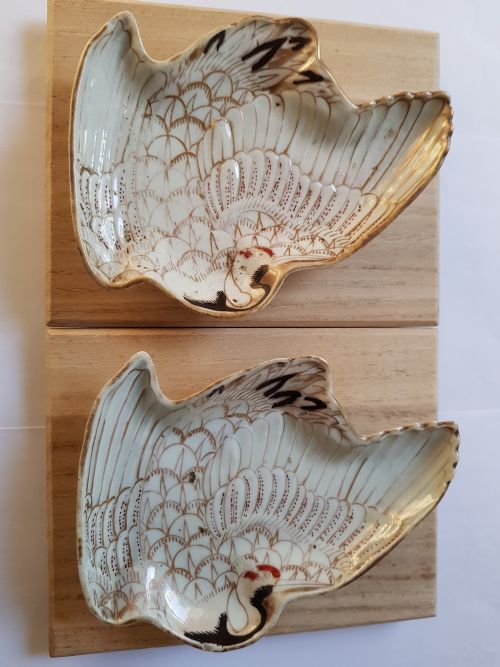
The selections span functional shaving bowls, large chargers, and delicate display plates, reflecting global trade routes and domestic tastes of the period. Forms range from standard circular platters to moulded crane-shaped dishes in shallow relief.
Originating across different dynasties and periods such as the Qianlong and Edo eras, these pieces showcase diverse cultural interpretations of traditional imari designs. Many examples survive as matched pairs or sets, suited for decorative display or cabinet collections.
How they were made
Makers utilised porcelain and soft-paste porcelain bodies as the foundation, shaping plates and dishes before applying initial underglaze blue painting. Subsequent firing fixed the cobalt pigments beneath a glossy glaze.
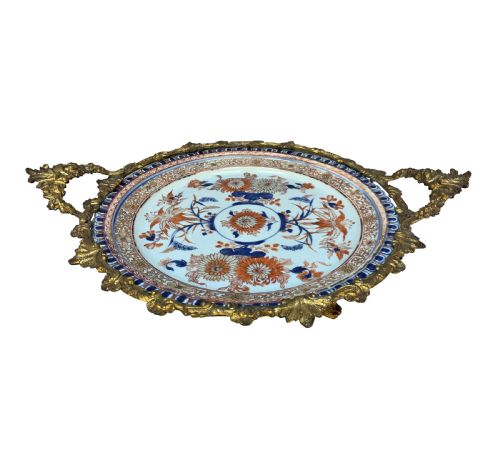
Overglaze enamel and gold leaf were applied in later stages to introduce rich iron red, black, and gilt details. Certain European market pieces received luxury additions such as ormolu or gilt bronze mounts after arrival.
Moulded techniques allowed artisans to produce items in specific shapes, such as crane motifs, which required precise control during firing and enamel application.
Early craftsmen occasionally transformed sturdy plates into elegant crane-shaped dishes, proving that dinnerware could take flight.
What varies in quality
The precision and vibrancy of the overglaze enamel and gold leaf painting distinguish finer examples from standard production wares. Crispness in the cobalt blue underglaze and the complexity of scrolling foliate borders indicate skilled workshop execution.
The condition of the porcelain body, the uniformity of the glaze, and the sophistication of any additional metal mounts such as ormolu or gilt bronze contribute to the overall standing of an individual plate or dish.
Early Derby Porcelain
The 18th Century Imari Plate Glossary
- Imari
- A style of ceramic originating in Japan and subsequently copied in China, characterised by a palette of underglaze blue, iron red, and gilt highlights. The style was named after the port from which the wares were shipped.
- Arita
- The Japanese town and surrounding region where the production of porcelain first began, known for high-grade raw materials and skilled potters. Arita wares formed the basis of Japanese imari exports.
- Ormolu
- Cast and chased bronze that has been gilded with gold, often utilised for European mounts on imported Asian porcelain. This technique elevated functional plates into decorative art objects for grand interiors.
- Overglaze enamel
- Decorative pigments applied on top of the fired glaze and subjected to a subsequent lower-temperature firing. This technique allowed for the inclusion of vibrant iron red, black, and gold details.
- Qianlong Dynasty
- A period of Chinese imperial rule associated with prolific export porcelain production for Western markets. Wares from this era often demonstrate exceptional technical refinement.
18th Century Imari Plate: Frequently Asked Questions
Were these plates used for dining?
While manufactured as functional tableware, many eighteenth-century imari plates were destined for display in European cabinets and formal rooms. The presence of delicate overglaze enamels and gold leaf meant owners often treated them as decorative items rather than daily service ware.
Larger chargers and specialised dishes were similarly employed to showcase wealth and global trade connections. Surviving examples often retain surface qualities that suggest minimal practical use.
What does ormolu mounting indicate?
Ormolu mounts demonstrate the European practice of retrofitting Asian porcelain with cast and gilded bronze frames. This addition transformed exotic imported dishes into high-status furnishings for French Rococo and Georgian interiors.
Mounts were typically added by skilled metalworkers who prized the porcelain for its rarity and visual impact. Such pieces combine two distinct craft traditions into a single decorative object.
How should I care for an imari plate?
Cleaning requires gentle dusting with a soft, dry cloth to protect fragile overglaze enamels and gold leaf highlights. Avoiding harsh chemical cleaners and abrasive materials preserves the historical surface integrity.
Display environments should maintain stable humidity and temperature levels to protect both the ceramic body and any metal mounts. Secure wall hangers or stable stands ensure physical safety during exhibition.