



Asian Art Wood Carving
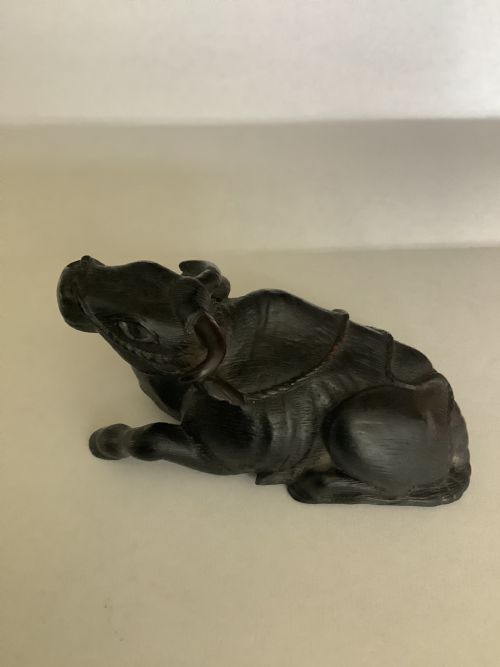
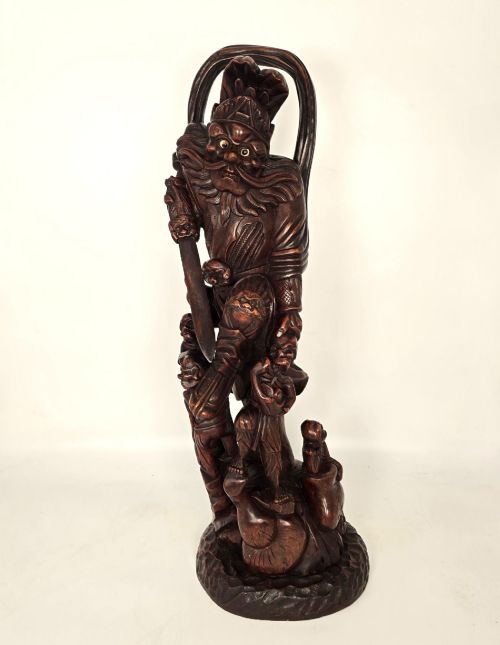
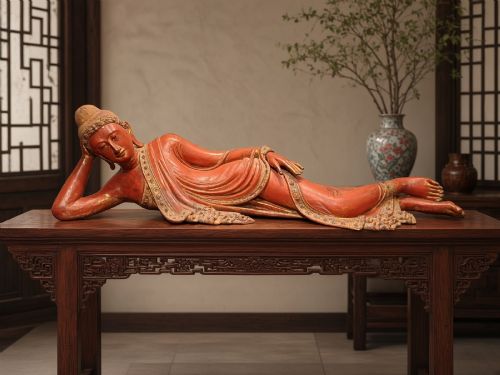
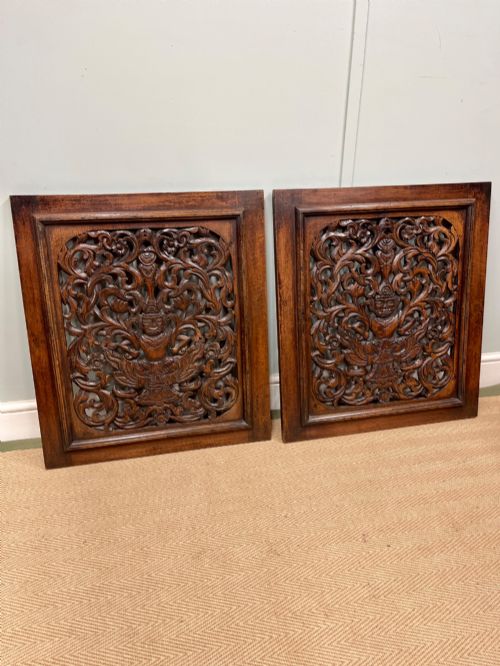
These pieces of asian art wood carving bring ritual figures, temple panels and naturalistic sculptures from across Asia into modern rooms.
Asian Art Wood Carving
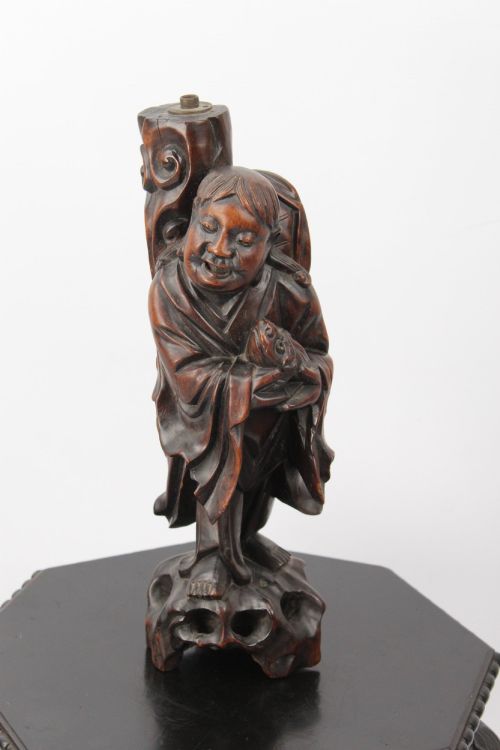
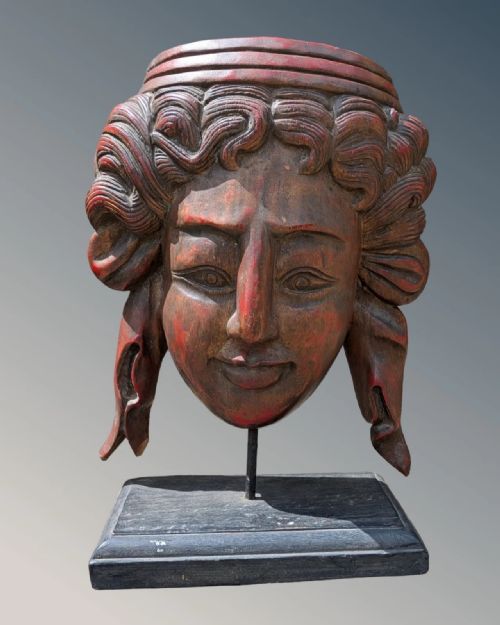
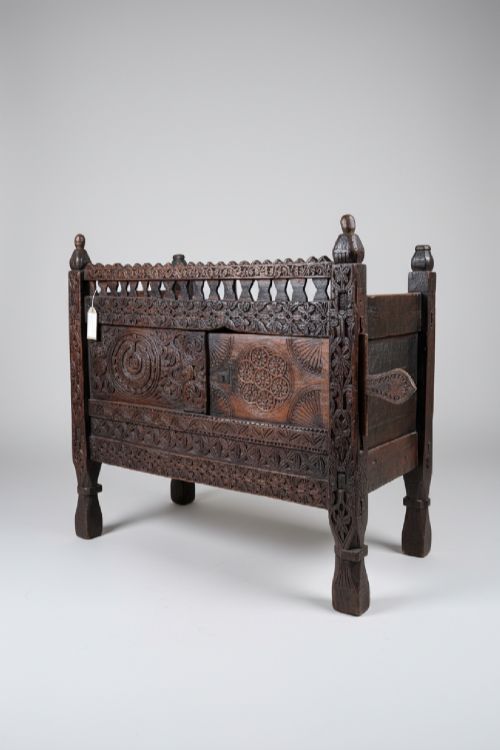
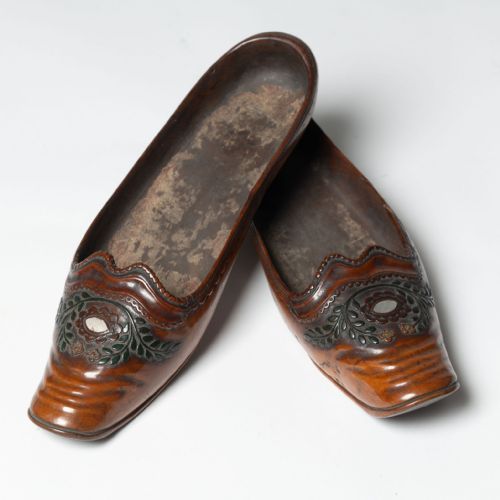
Asian art wood carving encompasses a diverse range of sculptures, wall panels, and ritual objects originating from China, Japan, Burma, India, and Southeast Asia. The inventory frequently includes figures of deities, Buddhas, immortals, and mythical guardians produced across the nineteenth and early twentieth centuries.
Buyers will frequently encounter traditional Chinese hardwood figures, Burmese gilt wood sculptures, and intricate architectural panels from temple complexes. Smaller decorative items such as Japanese netsuke and okimono also appear regularly alongside larger root wood carvings and tribal doors.
Originating from periods spanning the Qing Dynasty through to the early decades of the twentieth century, these objects reflect distinct regional iconographies and local craftsmanship traditions. Each piece serves either as a functional architectural element, a household altar figure, or a portable decorative carving.
Materials and Techniques
Makers utilised dense regional timbers including native hardwoods, teak, and gnarled root wood to ensure structural stability for intricate undercut details. These woods were chosen for their grain structure, which allowed carvers to execute deep relief work without splintering.
Many surfaces received applied finishes such as gold leaf, lacquer, or polychrome paint layers to highlight facial expressions and ceremonial garments. Root wood pieces often utilised the natural contours of the timber to suggest human forms or animals with minimal intervention.
Materials represented across the inventory include carved hardwood, root wood, lacquer, gold leaf, and polychrome paint.
Quality and Execution
The distinction between standard works and superior examples lies in the depth of relief and the precision of the hand-carved detail. Master carvers exploited the natural grain of the hardwood to create dynamic movement in drapery and musculature, whereas lesser pieces rely on shallow surface incisions.
Preservation of original gilding, polychrome paint, and lacquer finishes significantly affects the integrity of a piece. Examples retaining their untouched historic surface texture command greater interest than those stripped or aggressively cleaned over time.
The Asian Art Wood Carving Glossary
- Netsuke
- A small carved toggle used in traditional Japanese dress to secure a pouch or small container to the sash. They are typically rendered in wood or ivory with intense attention to miniature detail.
- Okimono
- A Japanese standalone decorative ornament designed for display in a domestic alcove. These carvings frequently depict animals, folk figures, or daily scenes.
- Giltwood
- Timber that has been coated with a thin layer of gold leaf or gold paint. This technique was frequently applied to temple panels and Buddhist sculptures to denote sacred status.
- Root wood
- Timber sourced from the gnarled underground root system of a tree, celebrated for its twisted and irregular natural shapes. Chinese artisans shaped these sections into scholars, immortals, and naturalistic sculptures.
- Polychrome
- Painted in several distinct colours. This decorative treatment brings life to wooden ritual figures and temple masks.
Asian Art Wood Carving: Frequently Asked Questions
How do I care for antique wood carvings?
Keep these pieces away from direct sunlight and dramatic fluctuations in central heating to prevent the timber from splitting or warping.
Dust gently with a dry, soft cloth and avoid applying modern polishes or oils to historic finished surfaces.
Where were these wooden panels originally displayed?
Many of the larger panels and decorative plaques originated as architectural elements within domestic homes, ancestral halls, or Buddhist temples.
Others served as functional items including dowry chests, temple screens, and tribal doors.
How are Chinese and Japanese carvings distinguished?
Chinese pieces often utilise dense hardwoods, root wood, or polychrome painted surfaces depicting scholars, deities, and daily life scenes.
Japanese examples frequently comprise smaller, highly detailed netsuke, okimono, or lacquered plaques rooted in distinct folkloric traditions.
What does the term root wood mean?
Root wood refers to the subterranean growth of a tree, characterised by natural twists, knots, and irregular hollows.
Carvers worked directly with these organic shapes to suggest the bodies of scholars, mythical figures, or animals.