




Antique Japanese Toggle
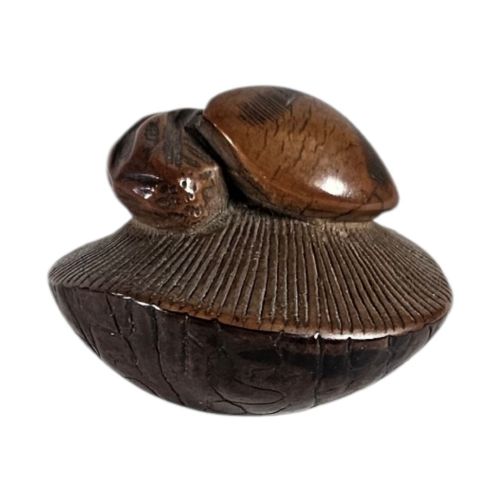
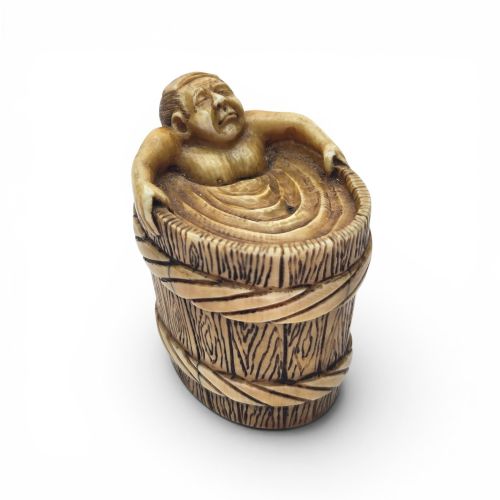
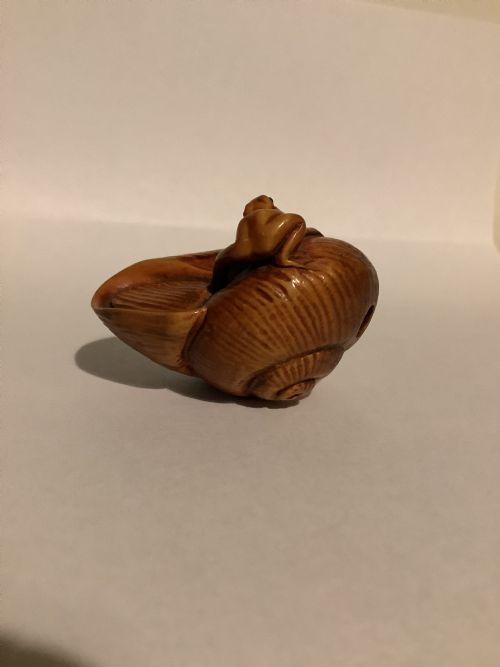
These antique japanese toggle pieces are miniature carved sculptures of wood, bone, and antler designed to secure traditional robes.
Antique Japanese Toggle
The selections visible here predominantly span the nineteenth century, including specific pieces originating from the Edo and Meiji periods. Forms range from traditional figural netsuke and toad carvings to specialised manju kagamibuta variations incorporating champleve cloisonne enamel.
Originating as utilitarian accessories, these small carvings served to suspend pouches and medicine boxes from traditional sashes. Today, collectors appreciate them both for their historical function and their dense, intimate sculptural detail.
Materials and carving techniques
Carvers utilised dense organic substances including boxwood, cherry amber, stag antler, carved bone, and inlaid horn to withstand daily wear while holding microscopic detail. Boxwood provided a fine, close-grained surface ideal for deep relief work and smooth patination through handling.
Listings feature items spanning the nineteenth century, including the Edo, Meiji, and Taisho periods, utilising boxwood, stag antler, and cherry amber.
Assessing craftsmanship and execution
The distinction between standard items and superior examples lies in the vitality of the carving and the subtlety of the surface finish. Finer pieces demonstrate anatomical precision, deep undercut work, and a tactile quality that rewards handling.
Signed works associated with recognised schools or specific carvers generally reflect higher levels of artistic ambition and execution. The natural ageing of the material, visible in the warm patina of boxwood or antler, contributes significantly to the visual presence of a superior toggle.
Masayuki
The Antique Japanese Toggle Glossary
- Netsuke
- A miniature Japanese toggle used to secure a small container or pouch to the obi sash. These functional carvings developed into highly sophisticated sculptural art objects.
- Manju
- A flat, circular style of netsuke shaped like a traditional Japanese sweet. They often feature carved decoration or inlaid metalwork elements on the surface.
- Kagamibuta
- A specific form of netsuke featuring a shallow bowl enclosing a metal disc decorated with enamel or relief carving. The name translates literally as mirror lid.
- Edo Period
- A historical epoch in Japanese history lasting from sixteen hundred and three to eighteen hundred and sixty-eight. This era established the foundational aesthetic standards for traditional netsuke carving.
- Meiji Period
- The era spanning from eighteen hundred and sixty-eight to nineteen hundred and twelve characterised by increased international trade and refined craftsmanship. Carvings from this period often display heightened naturalism and distinct artistic signatures.
Antique Japanese Toggle: Frequently Asked Questions
What is a netsuke toggle?
A netsuke is a small carved toggle historically used in Japan to anchor suspended pouches and containers from traditional clothing sashes.
These pieces acted as counterweights, combining everyday utility with miniature sculptural artistry.
How do I care for boxwood?
Boxwood requires minimal maintenance, relying principally on occasional gentle handling to develop a natural patina over time.
Keep these organic sculptures away from excessive moisture and direct heat sources to prevent timber splitting.
What materials were used?
Carvers utilised a range of organic materials including boxwood, cherry amber, stag antler, and carved bone.
Some specialised examples also incorporated inlaid horn, pigment, and champleve cloisonne enamel.
How are periods identified?
Dating relies upon stylistic markers, material ageing, and specific historical eras such as the Edo and Meiji periods.
Signatures from recorded carvers or known schools additionally help establish the timeframe of creation.