


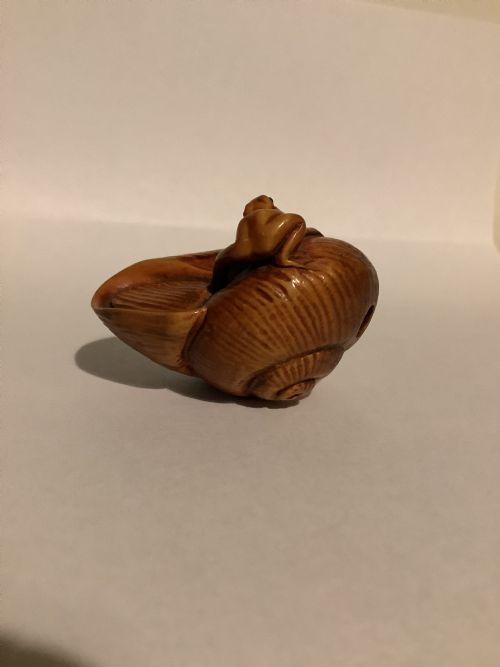


Japanese Netsuke Carving
These japanese netsuke carving examples are tactile toggles and miniature sculptures shaped in boxwood, stag antler and horn for traditional dress.
Japanese Netsuke Carving
When you examine a japanese netsuke carving, you look at miniature figural sculptures and toggle objects designed to secure pouches and small containers to traditional sashes. The pieces collected here span the Edo, Meiji, and Taisho periods, ranging from the mid nineteenth century into the early twentieth century.
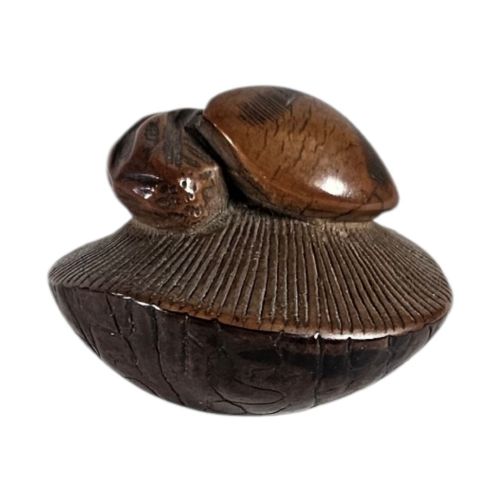
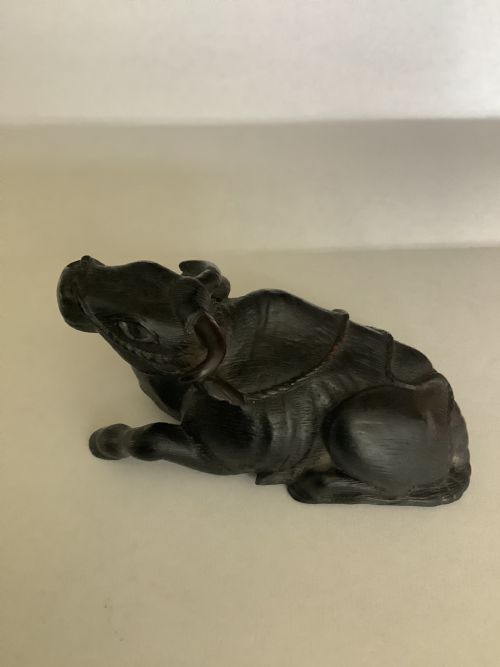
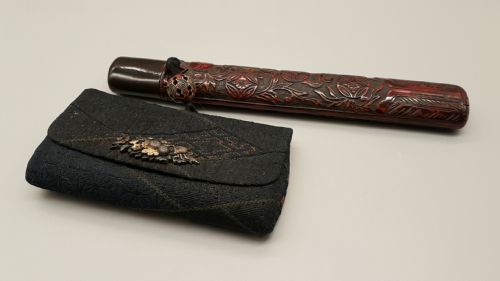
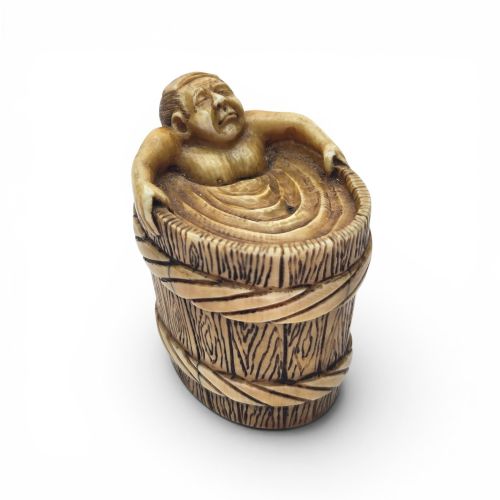
The forms you are most likely to encounter include animal subjects such as toads, frogs, rats, cats, boars, and snails on mushrooms, alongside human figures like wise men, bathers, demons, and the deity Ebisu with a Tai fish. You also find smoking accessories including tobacco boxes, pipecases, and complete smoking ensembles paired with silk pouches and ojime beads.
Makers recorded in these listings include Tomochika, the Tomochika School, and Masayuki, representing signed works from the nineteenth century. These objects function simultaneously as practical toggles and highly detailed decorative sculptures carved from organic materials.
Judging quality in these carvings
Quality rests upon the naturalism of the carving and the dexterity shown in rendering fur, expression, and posture within a miniature scale. Pieces attributed to named carvers or specific workshops display superior anatomical precision and textural variation across the organic material.
The tactile nature of the surface finish separates standard production from exceptional work, where the handling over generations deepens the patina of the boxwood or antler. The integration of the cord holes into the overall design without disrupting the sculptural form also marks the higher tier of these objects.
The listings span the nineteenth century, Edwardian era, Taisho period, and early Showa period, utilising boxwood, stag antler, horn, silk, lacquer, and metal.
Tomochika·Masayuki
The Japanese Netsuke Carving Glossary
- Netsuke
- A miniature toggle carved from wood, antler, or horn, used to suspend a pouch or container from a traditional Japanese kimono sash.
- Okimono
- A standalone decorative sculpture intended for display rather than functional use as a clothing toggle.
- Ojime
- A small bead threaded on the cord between a netsuke and a pouch to secure the opening.
- Manju
- A flat, disc-shaped netsuke resembling a traditional Japanese sweet, often featuring intricate surface carving or metalwork.
- Sashi
- A long, slender form of netsuke designed to be thrust directly behind the obi sash rather than toggled.
- Himotoshi
- The integrated channel or holes through which the suspension cord passes on a netsuke.
Japanese Netsuke Carving: Frequently Asked Questions
What is a japanese netsuke carving used for?
These objects served as functional toggles, attached to cords hanging from traditional kimono sashes to secure small containers like medicine boxes or tobacco pouches.
Over time they evolved into miniature sculptures collected for their intricate detail, wit, and intimate scale.
How do I tell Edo period pieces from Meiji period ones?
Edo period examples often lean toward more rustic, functional forms and earlier interpretations of traditional figures and animals.
Meiji period pieces frequently display a higher degree of naturalistic flourish, tighter signature carving, and greater anatomical precision.
What materials were used for these carvings?
Carvers relied heavily on boxwood, exotic woods, stag antler, horn, and boar's tusk for the sculptures themselves.
Some examples incorporate metal details, champleve cloisonne enamel, or are paired with silk tobacco pouches and ojime beads.
Are all of these pieces signed by makers?
Many examples feature artist signatures or school attributions carved directly into the wood or antler, while others remain unsigned.
Signed works frequently attribute the carving to known nineteenth-century figures such as Tomochika or Masayuki.
How should I display these objects at home?
Because they were originally handled daily, these miniature sculptures benefit from being placed where their tactile surfaces and patinated boxwood can be appreciated close up.
They require stable indoor conditions away from direct heat sources to protect the organic wood, antler, and silk components.