



Japanese Collectables
These Japanese antique collectables span carved netsuke, smoking accessories and swords from the Edo, Meiji and Showa periods.
Japanese Collectables
When you search for japanese antique collectables, you encounter a diverse range of objects spanning multiple centuries and traditional craft forms. The selection includes carved wood and cherry amber netsuke, silk tobacco pouches with pipecases, and champlevé cloisonné enamel pieces.
You are most likely to meet nineteenth-century Meiji period items on this page, alongside earlier Edo period works and mid-twentieth-century military pieces. These artefacts reflect the varied domestic, decorative and martial arts of Japan.
The assortment extends from small personal accessories like spectacle cases and pipe case holders to larger decorative vases and plates. Each object represents specific functional or artistic traditions from its respective era.
How they were made
Maker studios shaped these Japanese antique collectables from organic and mineral materials such as carved wood, cherry amber, lacquer and silk. Artisans employed detailed carving techniques to render intricate figures, animals and patterns.
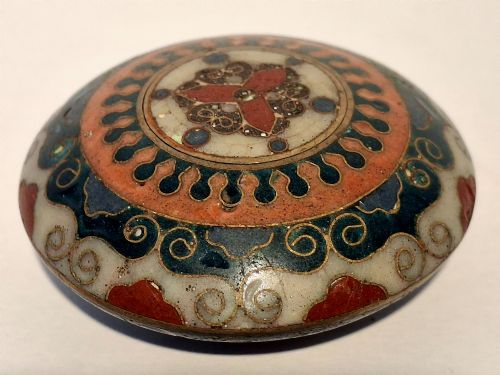
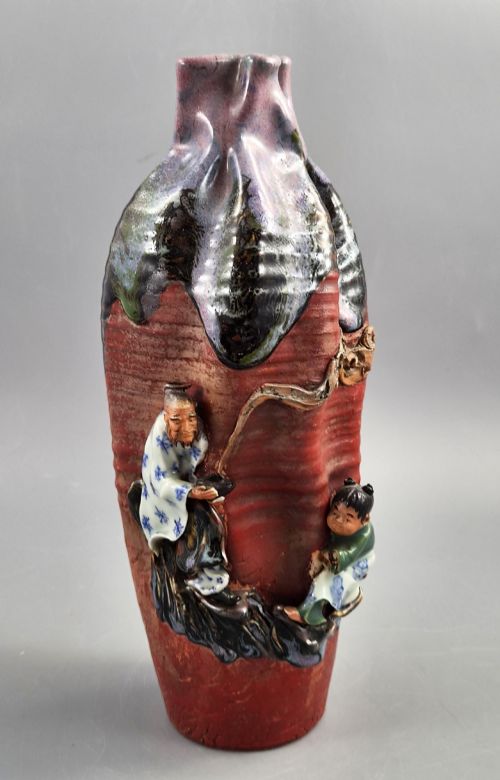
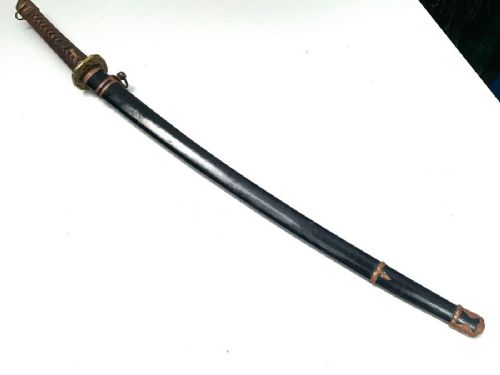
Metal and steel appear in edged weapons and military swords, while glazed terracotta and ceramics form vessels like vases and decorative plates. Specialised techniques such as champlevé cloisonné enamel further adorned composite objects like manju kagamibuta.
Signatures by artists appear on several carved netsuke and ceramics, indicating individual authorship within traditional workshops. Textiles and metal fittings complete composite items such as smoking ensembles.
Japanese Collectables Retail Price Guide 2026
Typical asking prices for japanese collectables among the pieces listed under this phrase on Sellingantiques today, from the lower quarter to the upper quarter. They describe what is for sale here now, not the wider market.
Listings feature items from the nineteenth-century Meiji period and the Edo period, utilising wood, lacquer, silk and champlevé cloisonné enamel.
What varies in quality
The preservation of delicate components, such as original silk cords, ojime beads and intact enamel work, distinguishes superior survivals from heavily worn items. Signed pieces by recognised makers often demonstrate higher artistic ambition.
The sophistication of the glaze on ceramics and the structural integrity of steel blades and metal mounts set the benchmark for material excellence. Consistency between the primary material and associated decorative elements defines the better specimens.
Ban-ni
The Japanese Collectables Glossary
- Netsuke
- A small carved toggle used to secure a pouch or container to a traditional kimono sash. These miniature sculptures often depict animals, figures or mythical subjects.
- Meiji
- A historical period spanning from eighteen sixty-eight to nineteen twelve, characterised by significant opening to Western trade and flourishing decorative arts. Objects from this era often display exceptional technical refinement.
- Edo
- The period of Japanese history lasting from sixteen hundred and three to eighteen sixty-seven, preceding the Meiji era. Items from this time reflect traditional shogunate culture.
- Ojime
- A small bead threaded on the cord between a pouch and a netsuke, used to slide down and close the pouch. They are frequently carved from metal, wood or stone.
- Champleve
- An enamelling technique where troughs or cells are sunken into a metal surface and filled with vitreous enamel before firing. This method creates colourful geometric or pictorial designs.
Japanese Collectables: Frequently Asked Questions
What is a netsuke used for?
A netsuke served as a practical toggle for men's kimono clothing, preventing hanging pouches and medicine containers from slipping. Wearers tucked the cord beneath their sash while the carved toggle rested securely on top.
Over time, these functional fasteners evolved into highly collectible miniature sculptures showcasing exceptional carving skill and humorous or symbolic subjects.
How do I identify Meiji period items?
Meiji period pieces date between eighteen sixty-eight and nineteen twelve, a time when Japanese craftsmanship reached new levels of international exposure. Look for distinct signatures, refined carving in wood or ivory, and elaborate decorative techniques.
Many items from this era combine traditional motifs with innovative manufacturing methods developed during the rapid modernisation of Japan.
What are smoking ensembles?
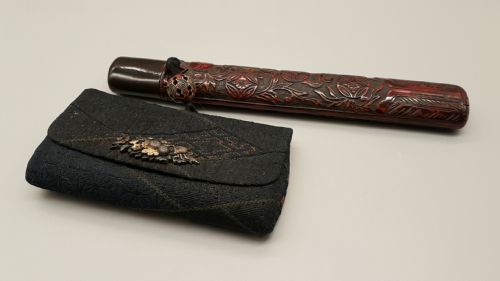
Smoking ensembles were personal accessory sets containing a silk tobacco pouch, a rigid pipecase, and securing beads called ojime. Men carried them daily tucked into their traditional sashes alongside a netsuke toggle.
These sets demonstrate the coordination of textiles, metalwork and carving in everyday Japanese dress before the widespread adoption of Western styles.
How should I display netsuke?
Display netsuke on stable flat surfaces away from direct sunlight and extreme temperature fluctuations to protect organic materials like wood and cherry amber. Handling them with clean hands preserves the natural patina developed over centuries.
Because they are miniature sculptures designed to be viewed closely from all angles, place them where their three-dimensional carving can be easily appreciated.