





Meiji Period Netsuke
Meiji period netsuke are small carved toggles created during the late nineteenth and early twentieth centuries to secure personal pouches and containers to traditional clothing.
Meiji Period Netsuke
When you search for meiji period netsuke, you are looking at miniature sculpted toggles originating from nineteenth century and early twentieth century Japan. These miniature sculptures typically depict animals, figures, deities, and mythological creatures carved in round or flat forms.
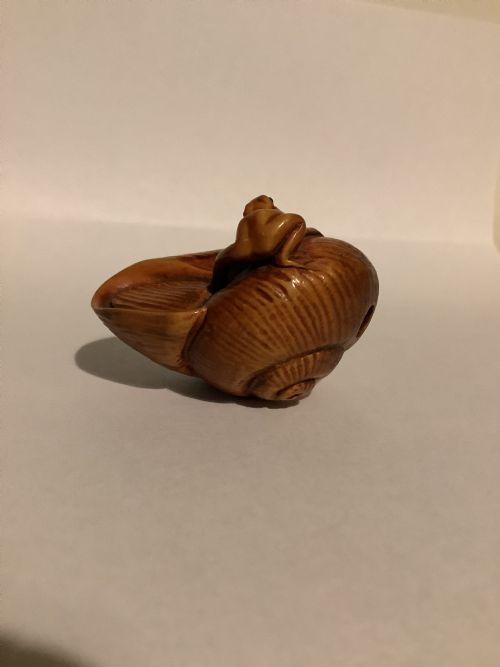
The version you are most likely to meet on this page is a carved wooden sculpture, frequently fashioned from boxwood or alternate dense timbers. Many examples record specific subjects such as monkeys, frogs, dogs, and traditional characters like Daruma or Ebisu.
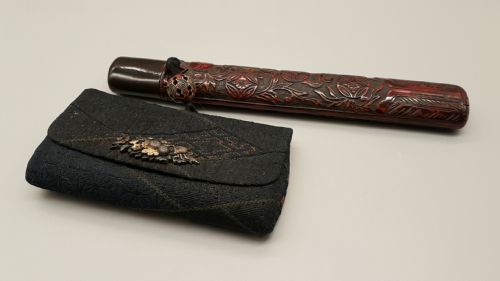
These items frequently intersect with smoking accessories, tobacco boxes, and pipe case holders as part of historic Japanese attire. Their primary historical function was practical, serving to anchor hanging containers to the obi sash.
Materials and Techniques
Carvers utilised organic materials such as boxwood, cherry amber, horn, nuts, and historical ivory for these miniature sculptures. Wood varieties range from standard boxwood to exotic timbers chosen for naturalistic grain and tactile qualities.
Execution relies on intricate hand-carving techniques, often incorporating detailed surface incisions, hollowed sections, and inlaid highlights in mixed metals or gold. Signatures or carver seals are frequently incised directly into the body of the sculpture.
Listings demonstrate diverse subjects ranging from mythological figures like Daruma and Raiden to naturalistic animal groupings in carved boxwood and mixed metals.
Assessing Quality and Execution
The distinction between tiers rests upon the depth of anatomical observation, the crispness of surface detail, and the natural flow of the carving around the contours of the subject. Master carvers achieved distinct facial expressions and textures that interact convincingly with light and touch.
Another factor is the integration of the cord holes, known as himotoshi, which demonstrate how structural utility meets sculptural form. Pieces bearing recognised artist signatures or associated with specific schools tend to show superior mastery in handling the material.
Tomochika·Masayuki
The Meiji Period Netsuke Glossary
- Netsuke
- A small carved toggle used in traditional Japanese dress to suspend a pouch or container from an obi sash. These objects evolved from utilitarian fastenings into highly intricate miniature sculptures.
- Himotoshi
- The parallel or integrated cord channels carved into a netsuke to allow the fastening cord to pass through securely. Their placement is essential for balancing the toggle when worn.
- Okimono
- A standalone Japanese display figurine intended for interior decoration rather than fastening to clothing. While distinct in purpose, they share materials and carvers with wearable toggles.
- Ojime
- A small decorative bead threaded on the cord between a netsuke and a pouch to keep the container closed. They frequently match the craftsmanship and materials of the primary toggle.
- Manju
- A flat, circular disc-shaped netsuke often decorated with relief carving, inlay, or engraved designs. The name derives from their visual resemblance to a traditional Japanese sweet bun.
Meiji Period Netsuke: Frequently Asked Questions
What is a meiji period netsuke?
A meiji period netsuke is a small, hand-carved toggle produced in Japan between eighteen sixty-eight and nineteen twelve. They were worn on traditional garments to secure hanging pouches and tobacco containers.
Craftsmen utilised woods, ivory, and mixed metals to shape these miniature sculptures into animals, legendary figures, and everyday objects. Each piece balances functional design with detailed artistic expression.
How were netsuke used?
These items functioned as practical toggles for securing personal belongings to the obi sash of traditional Japanese clothing. A cord connected the hanging pouch to the toggle, which rested above the sash to prevent slipping.
This method allowed individuals to carry small items like medicine boxes or tobacco pouches without pockets in their garments. The toggle remained visible on the outside of the sash as both a fastener and an ornament.
How do I care for wooden netsuke?
Wooden netsuke benefit from stable environmental conditions away from direct sunlight and rapid humidity fluctuations. Gentle dusting with a soft, dry brush helps maintain the surface without disturbing the natural patina.
Avoid applying liquid cleaners, oils, or waxes to the carved wood surface. Handling the object with clean hands allows natural skin oils to preserve the historic finish over time.
Are these pieces signed?
Many examples feature artist signatures, studio inscriptions, or red seals incised directly into the material. These signatures usually appear on the underside or base of the sculpture near the cord channels.
Signatures help attribute pieces to specific carvers or artistic lineages active during the period. Unsigned examples remain common and were often produced by skilled regional workshops.