




Hand Carved Netsuke
These hand carved netsuke pieces are traditional Japanese toggles shaped from boxwood, horn, and antler to secure kimono robes.
Hand Carved Netsuke
Hand carved netsuke items function as traditional Japanese toggles designed to secure small pouches or boxes suspended from a kimono sash. You will encounter various forms on this page, including figural representations, animals, and natural clusters.
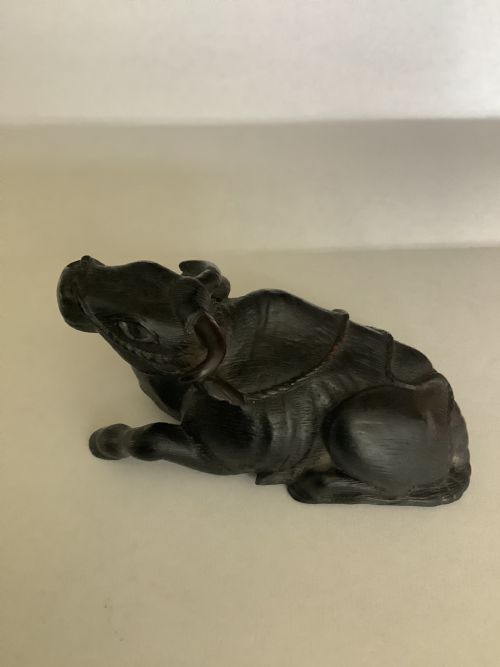
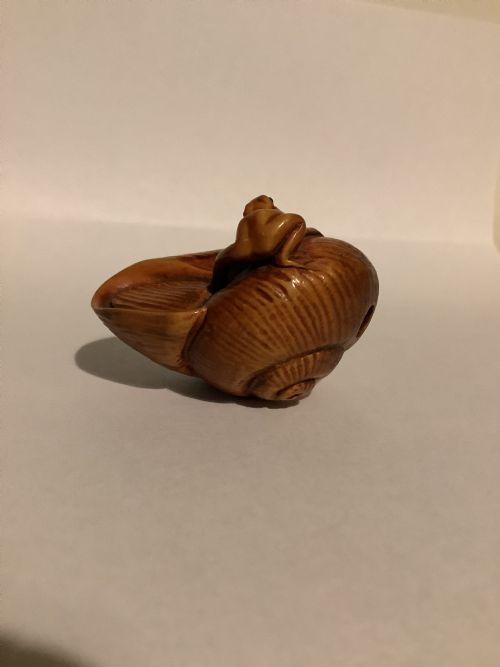
The selections span the nineteenth century through the Taisho period, reflecting traditional Japanese artistry. Common subjects include bearded figures, rodents, frogs, rabbits, boys upon rams, and dragons.
Most examples found here utilise boxwood and other carved woods, alongside boar tusk and horn. These materials provide the tactile qualities and durability necessary for daily historical wear.
Materials and carving techniques
Makers shaped these miniature sculptures primarily from boxwood, various woods, stag antler, and boar tusk. Each piece relies on subtractive carving techniques to achieve detailed textures, from animal fur to human expressions.
Makers often applied stains to highlight the grain and depth of the carved wood or tusk surfaces. Naturalistic detailing dominates the construction, ensuring both visual interest and a smooth, tactile finish suitable for handling.
Listings feature items dated across the nineteenth century, Edwardian period, and Taisho period, utilising boxwood, horn, and boar tusk.
Judging the work
Quality rests upon the depth of the carving and the naturalism of the subject matter. Finer examples display precise anatomical detail in figures and animals, whereas simpler pieces offer broader execution.
The tactile nature of the object influences its standing, with superior specimens utilising the grain of boxwood or the curvature of boar tusk to enhance the sculptural form.
The Hand Carved Netsuke Glossary
- Netsuke
- A small carved toggle used in traditional Japanese dress to suspend pouches from an obi. These objects evolved from utilitarian fastenings into intricate miniature sculptures.
- Okimono
- A Japanese display figurine intended for placement on a tokonoma or shelf rather than for fastening to clothing. These decorative sculptures share materials and subjects with smaller toggles.
- Sashi netsuke
- A long, slender form of toggle that slips behind the obi sash rather than securing a cord through side channels. This variety held pipe cases or similar hanging items.
- Obi
- The broad traditional sash worn around a kimono. Netsuke toggles anchored items suspended from this belt.
- Boxwood
- A dense, pale wood favoured by carvers for its fine grain and ability to hold microscopic detail without splintering.
Hand Carved Netsuke: Frequently Asked Questions
What is a hand carved netsuke?
A hand carved netsuke is a small Japanese toggle used historically to secure pouches and containers to a kimono sash. These miniature sculptures evolved into highly detailed works of art depicting animals, figures, and natural motifs.
Craftsmen shaped them from materials like boxwood, horn, and boar tusk, ensuring they felt smooth to the touch through frequent handling.
How were netsuke used?
Netsuke functioned as practical toggles on Japanese traditional dress, anchoring suspended containers such as medicine boxes or tobacco pouches to the obi sash.
A cord ran from the pouch, through the toggle, and hooked over the sash to keep the container secure while the wearer moved.
What materials are used for netsuke?
Makers carved these objects from various organic materials, with boxwood and general hardwoods appearing most frequently in this selection.
Other materials include boar tusk, horn, and stag antler, each chosen for strength and the ability to accept fine carved detail.
How do I identify periods?
Dating relies on stylistic clues and material characteristics spanning the nineteenth century through the early twentieth century, including the Meiji and Taisho periods.
Naturalistic carving styles and specific subject choices help place these pieces within their historical production eras.