




Meiji Wood Netsuke
When seeking a Meiji wood netsuke, collectors pursue miniature carved toggles that secure traditional Japanese robes.
Meiji Wood Netsuke
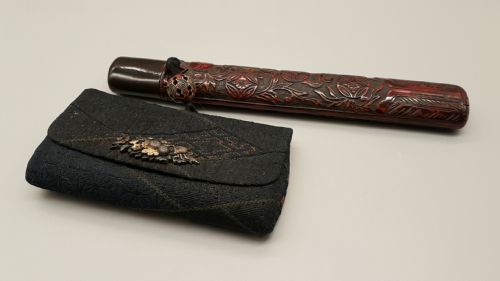
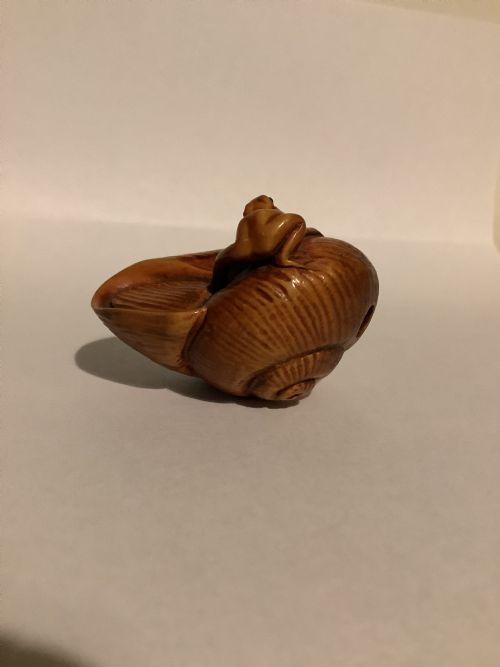
A meiji wood netsuke serves as a functional toggle fastened to the cords of suspended pouches and containers worn during the nineteenth and early twentieth centuries. These miniature sculptures depict figures, animals, deities, and natural forms like clusters of nuts, frogs, and rats.
The objects appearing most frequently on this page originate from the Meiji period and the nineteenth century, executed primarily in boxwood. Carvers also rendered subjects such as Daruma, Ebisu, and various mythical creatures in structured formats including manju and sashi styles.
Beyond traditional toggle forms, related pieces encompass smoking accessories, tobacco boxes, and okimono figures. These diverse objects share the same intricate carving traditions and dense timber mediums characteristic of Japanese craftsmanship from the era.
How They Were Made
Artisans carved these pieces predominantly from boxwood and exotic timbers, utilising the dense grain to achieve minute facial expressions and textured surfaces on animals like rats, stags, and boars. Selected items incorporate secondary materials such as horn, mother-of-pearl, and lacquer highlights.
Master carvers shaped the timber with hand chisels and knives, often integrating natural voids and Himotoshi channels for cord attachment without disrupting the sculptural silhouette. Signed works demonstrate individual artistry through fluid lines and controlled undercuts.
What Varies in Quality
The standard of a carving rests upon the liveliness of the subject and the depth of the undercutting, separating fluid anatomical movement from rigid execution. Superior examples display careful attention to tactile qualities, ensuring the object feels balanced and engaging in the hand.
Tomochika·Masayuki·Masanao·Shumin·Michikawa·Yoshihide·Masayoshi·Minkoku
The Meiji Wood Netsuke Glossary
- Netsuke
- A miniature carved toggle used to secure suspended personal containers from the sash of a traditional Japanese garment.
- Okimono
- A standalone decorative sculpture intended for display on a shelf or tabletop rather than serving as a garment fastening toggle.
- Manju
- A flat, disc-shaped netsuke often decorated with relief carving or openwork designs resembling a traditional Japanese confection.
- Sashi
- A long, slender style of netsuke designed to be thrust directly behind the sash for secure suspension.
- Himotoshi
- The integrated cord channels carved into a netsuke to allow the fastening string to pass cleanly through the object.
Meiji Wood Netsuke: Frequently Asked Questions
What is a meiji wood netsuke?
A meiji wood netsuke is a small carved toggle produced in Japan during the nineteenth or early twentieth century. These miniature sculptures secured pouches and small containers hung from traditional robes.
Carvers utilised boxwood and other dense timbers to shape figures, animals, and mythological subjects. Each piece combined practical fastening functions with intricate decorative artistry.
How were netsuke used?
Wearers slipped the carved toggle beneath the fabric sash of their kimono to anchor cords attached to personal items. This system kept tobacco pouches, medicine boxes, and writing sets securely suspended.
The cord passed through integrated channels known as himotoshi, allowing the sculpture to pivot and lock against the sash during movement.
How do you display them?
Collectors typically display these miniature carvings on open shelves or within specialised cabinets where the tactile wood surfaces can be examined closely. Proper placement ensures adequate lighting to reveal fine undercuts and engraved signatures.
Because these objects were designed to be handled, placing them on stable flat surfaces allows viewers to appreciate their three-dimensional forms from multiple angles.
What subjects appear on them?
Carvers drew inspiration from folklore, daily life, the natural world, and religious traditions. Common depictions include deities like Hotei and Ebisu, mythical beings such as Kappas and Oni, and animals including rats, frogs, and horses.
Other popular motifs feature theatrical masks, seasonal plants, and clustered fruits or nuts, reflecting the diverse observational skills of Meiji period artisans.