




Miniature Japanese Carving
Miniature Japanese carving offers small, highly detailed works of art in boxwood, stag antler, and cherry amber from the Edo and Meiji periods.
Miniature Japanese Carving
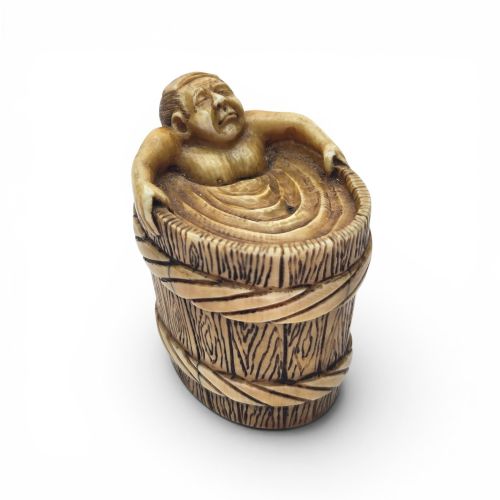
Miniature Japanese carving encompasses small-scale objects such as netsuke, okimono, and table screens originating from the Edo and Meiji periods. These pieces serve as intimate representations of animals, deities, and figures carved from natural materials.
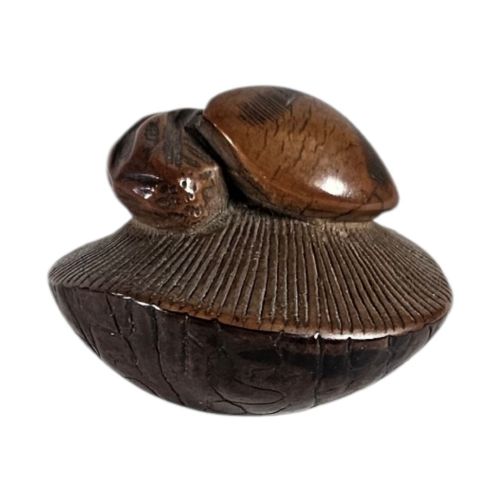
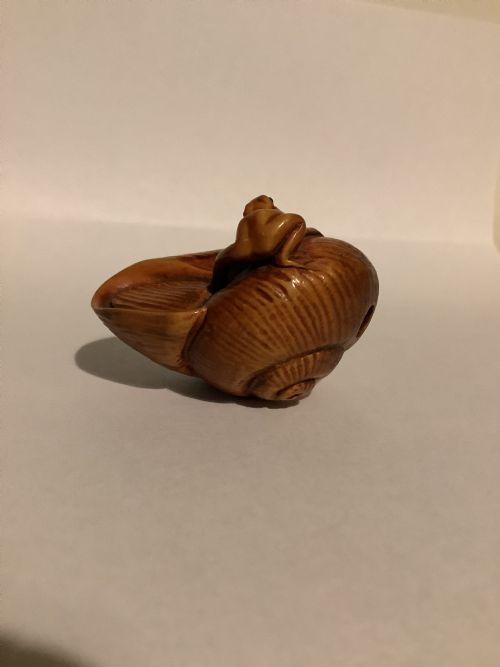
The most common form on this page is the netsuke, frequently carved from boxwood or various other woods in the nineteenth century. Examples depict subjects ranging from snails on mushrooms to figures like Ebisu with Tai fish.
Makers from the Meiji era and earlier, including Tomochika and Masayuki, produced signed works that reflect traditional Japanese craftsmanship. Pieces span the mid-nineteenth century up to around nineteen hundred.
Materials and construction
Carvers utilised organic materials such as boxwood, hardwood, stag antler, bone, and cherry amber to create these miniature sculptures. Each medium required distinct techniques to achieve the smooth contours and intricate textures seen on creatures and figures.
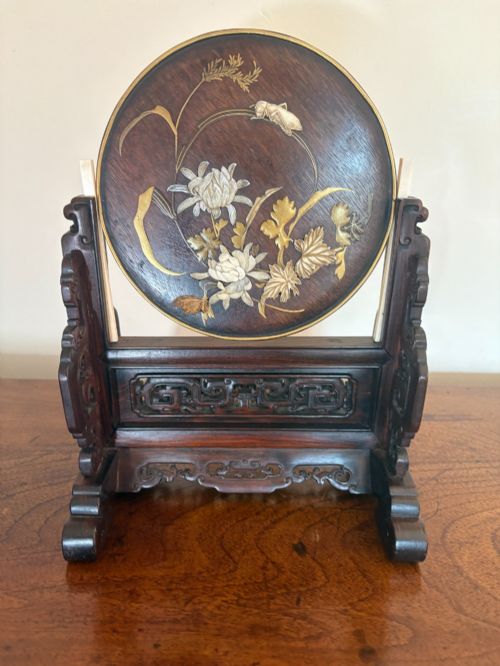
Many items feature hand-carved details, sometimes incorporating signature marks or inlay work such as mother-of-pearl seen on table screens. The natural grain of the wood or antler was often integrated directly into the design of the carving.
A tiny snail makes its slow journey across a mushroom cap in nineteenth-century boxwood.
Distinctions in quality
Quality in these carvings rests on the precision of the detail and the expressiveness of the subject, whether depicting a curled cat, a toad, or a demon. Finer examples display a keen command of anatomical form and texture that brings the miniature subject to life.
The presence of a clear signature by a recognised artisan, such as Tomochika or Masayuki, elevates a piece significantly. Superior execution in difficult materials like stag antler or cherry amber further separates standard works from exceptional ones.
Tomochika·Masayuki
The Miniature Japanese Carving Glossary
- Netsuke
- A small carved toggle fastener worn in traditional Japanese dress to suspend a pouch or box from a sash. These items typically feature a hole or channel for cord attachment.
- Okimono
- A standalone decorative sculpture intended for display rather than practical fastening. These figures often depict deities, animals, or scenes from daily life.
- Shibayama
- A decorative technique employing inlaid materials such as mother-of-pearl, ivory, and shell to create pictorial surfaces on screens and objects. This style creates a colourful, textured contrast against the base material.
- Meiji Period
- The era in Japanese history spanning from eighteen sixty-eight to nineteen twelve, characterised by increased international trade and refined craftsmanship. Works from this time often show exceptional technical mastery.
- Edo Period
- The period of Japanese history lasting from sixteen hundred and three to eighteen sixty-eight, noted for domestic peace and distinct cultural arts. Many netsuke originated during the later decades of this era.
Miniature Japanese Carving: Frequently Asked Questions
What is a netsuke?
A netsuke is a small toggle carved from materials like boxwood or stag antler, originally used to secure pouches on traditional Japanese garments. Artisans shaped these objects into figures of animals, humans, and mythological subjects.
Over time, these functional fasteners evolved into highly collectible miniature sculptures prized for their intricate detail and tactile qualities.
How do I date a carving?
Dating relies on stylistic markers associated with the Edo and Meiji periods, alongside material choices like boxwood, bone, or cherry amber. Nineteenth-century pieces often reflect specific transitional artistic shifts during Japan's opening to the West.
Signatures from known artisans such as Tomochika or Masayuki also help narrow down the period of production within the eighteen hundreds.
Are these pieces signed?
Some pieces feature artist signatures carved directly into the wood, antler, or amber, usually found on the underside or back. Signatures by master carvers like Tomochika indicate a higher level of workshop output.
Unsigned pieces remain common and are judged entirely on their carving quality, material, and subject matter.
How should I display them?
These miniature sculptures require stable display conditions away from direct sunlight and extreme humidity to protect organic materials like wood, bone, and antler. Placing them in enclosed cabinets or on flat surfaces allows safe handling and close inspection.
Because they were designed to be handled and viewed from all angles, rotating them occasionally lets you appreciate the carving in the round.