




Japanese Wood Netsuke
These Japanese wood netsuke are miniature carved toggles shaped by traditional artisans to secure pouches and boxes worn suspended from traditional kimono sashes.
Japanese Wood Netsuke
A Japanese wood netsuke serves as both a practical clothing toggle and a miniature sculpture, designed to sit neatly at the top of a sash. When exploring this selection, buyers frequently encounter pieces originating from the Edo and Meiji periods.
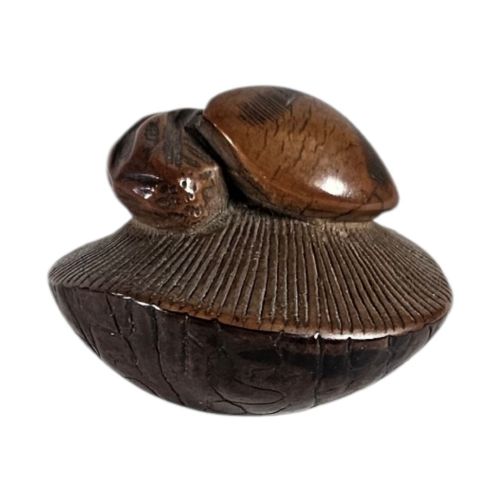
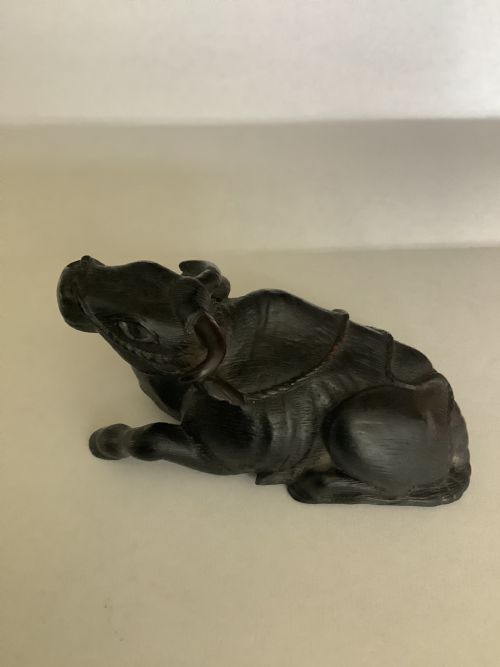
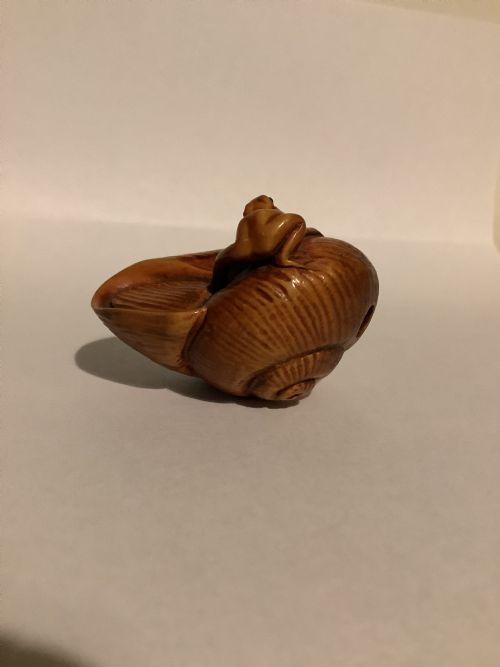
The subjects depicted encompass a wide range of natural forms and figures, including animals such as rats, toads, dogs and horses, alongside traditional mythical beings and human characters. Many examples take the traditional button shape known as manju, while others adopt the elongated form of a sashi netsuke.
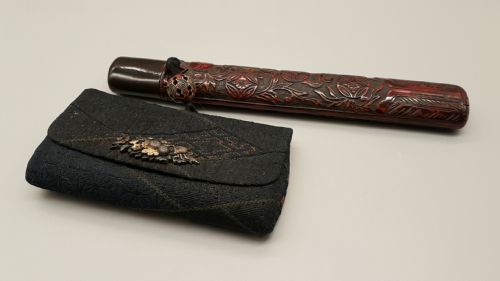
Beyond standalone carvings, the category occasionally includes related smoking accessories, tobacco pouches and metal-inlaid kagamibuta pieces featuring wooden bodies. Each object reflects the daily life, folklore and artistic concerns of historical Japanese society.
Materials and carving techniques
Boxwood forms the primary material for the vast majority of these carvings, chosen for its dense grain and capability to hold exceptionally fine detail without splintering. Artisans also utilise alternative woods, horn and occasional contrasting elements such as mother-of-pearl or metal inlay.
Carvers delighted in unexpected pairings, placing studious frogs atop old well buckets and tiny rats inside baskets of mushrooms.
Distinctions in craftsmanship
The standard of a carving depends largely on the precision of the cutter's knife and the vitality captured in the subject's posture. Superior examples display careful anatomical observation, balanced proportions and thoughtful integration of the natural grain.
Signed pieces by recognised carvers often command greater attention, though unsigned works frequently demonstrate comparable sculptural merit. The condition of the surface finish and the integrity of the original cord holes further influence the standing of an individual piece.
Tomochika·Masayuki·Masanao·Shumin
The Japanese Wood Netsuke Glossary
- Netsuke
- A miniature carved toggle used in traditional Japanese dress to suspend a container from a kimono sash.
- Manju
- A flat, rounded style of netsuke resembling a traditional Japanese rice cake, often decorated with carved or inlaid designs.
- Sashi
- A long, slender type of netsuke designed to be pushed directly behind the sash rather than toggled across it.
- Okimono
- A decorative figurine intended for display on a shelf or tabletop rather than for practical fastening use.
- Himotoshi
- The cord channels carved into the body of a netsuke, allowing the suspension cord to pass securely through the object.
Japanese Wood Netsuke: Frequently Asked Questions
What is a Japanese wood netsuke used for?
These carved objects functioned as practical toggles in traditional Japanese dress. They anchored hanging pouches and boxes to the wearer's sash.
Over time, they evolved from utilitarian fasteners into highly collectable miniature sculptures showcasing the carver's skill.
How do I tell an Edo period piece from a Meiji piece?
Edo period carvings typically display robust forms and deep naturalistic wear associated with earlier usage. Meiji period works often exhibit highly refined surface details reflecting shifting production methods.
Examining the style, subject matter and depth of the patina helps distinguish between the two eras.
Why are some netsuke signed?
Many master carvers signed their finished works with signature characters carved directly into the base or side of the object. A signature indicates the maker or workshop responsible for the carving.
Unsigned examples remain common and often demonstrate the same high level of artistic execution.
How should I care for an antique wood netsuke?
Keep the object away from direct sunlight, excessive heat and rapid humidity changes to protect the boxwood. Gentle handling allows the natural oils from your hands to maintain the historic patina.
Avoid using modern cleaning polishes or abrasive cloths on the carved surface.