

Art Deco Timepiece
An art deco timepiece brings geometric precision and distinct period materials into daily living spaces, offering reliable mechanisation wrapped in striking design.
Art Deco Timepiece
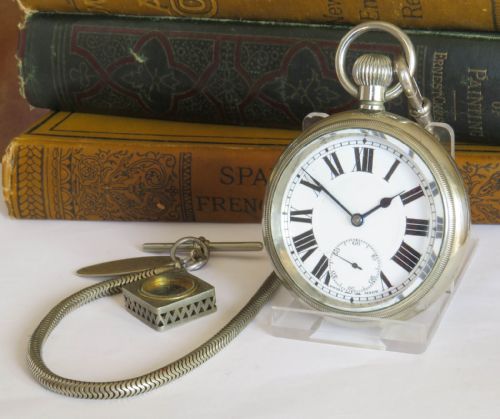
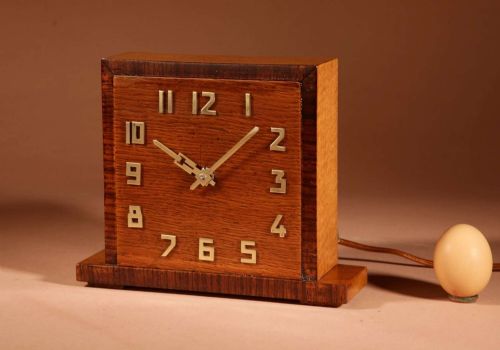
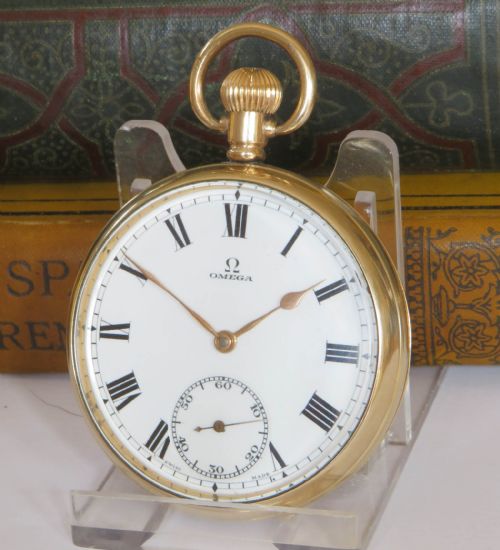
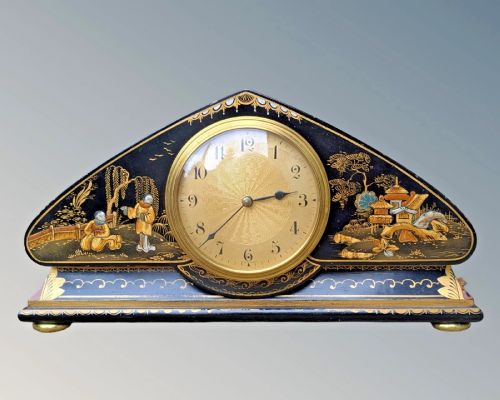
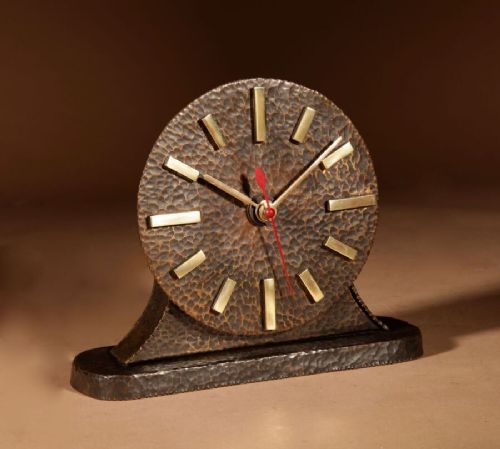
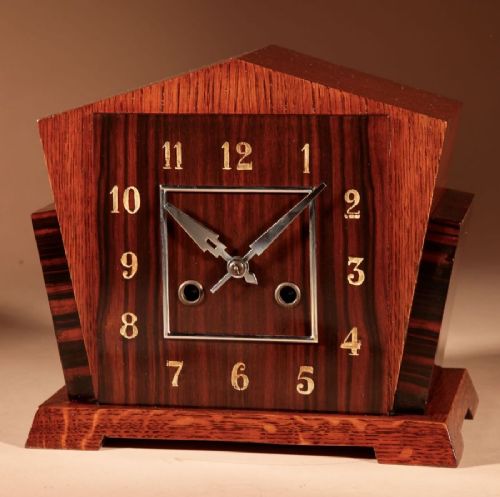
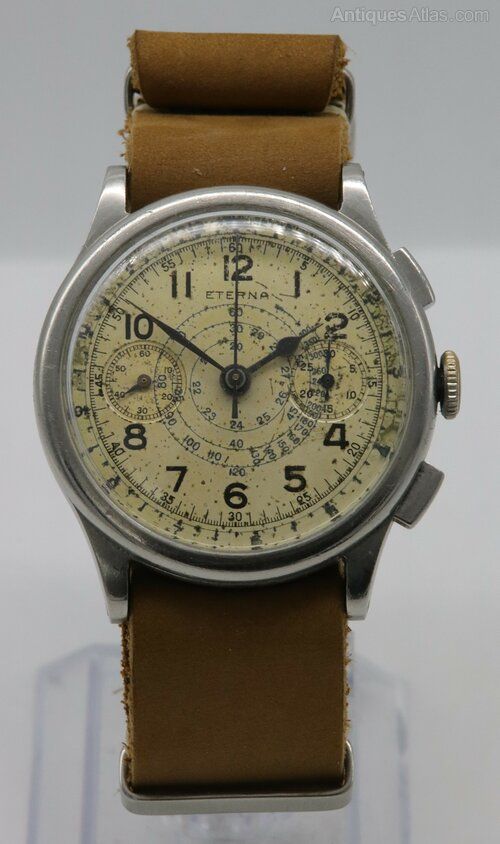
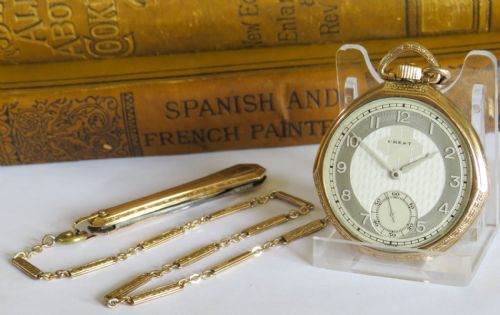
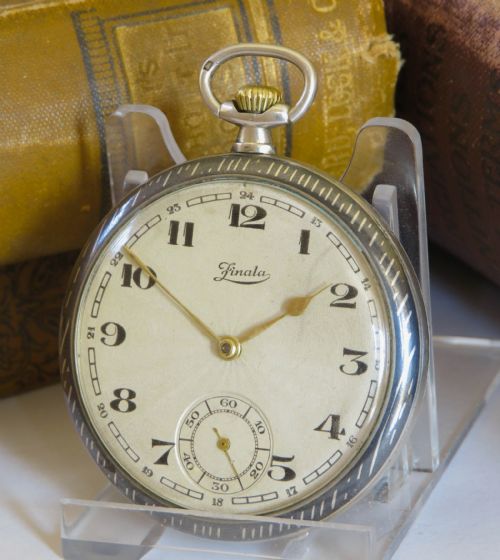
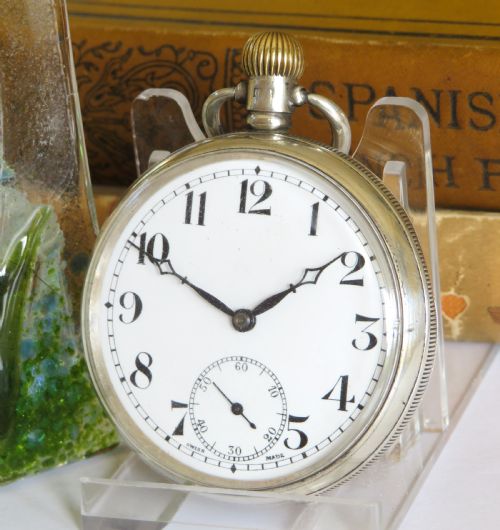
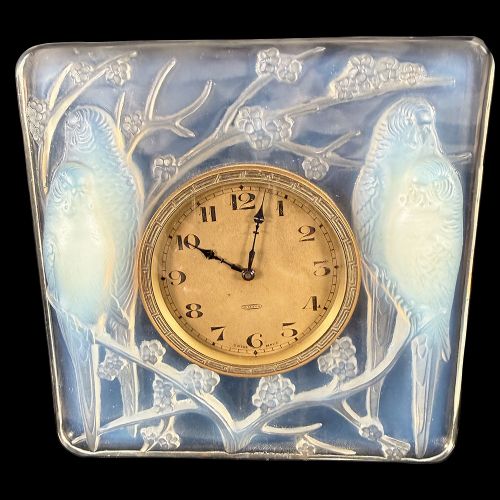
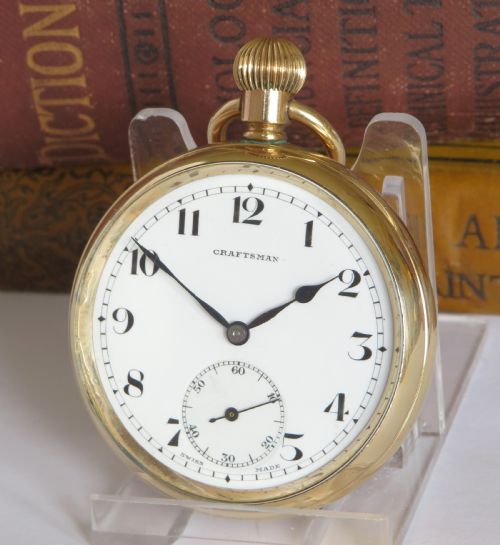
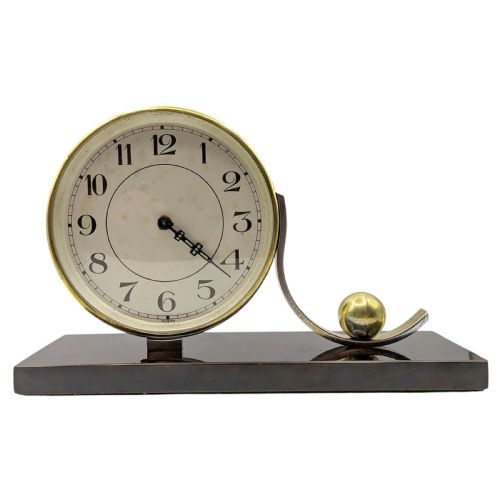
An art deco timepiece encompasses everything from portable pocket watches and wristwatches to substantial mantel clocks, desk clocks, and wall-hung pieces. Most examples encountered here originate from the nineteen-thirties and nineteen-twenties, showcasing the characteristic geometric lines and stylistic restraint of the era.
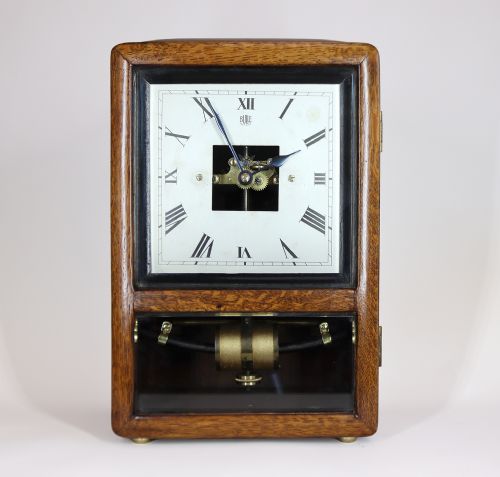
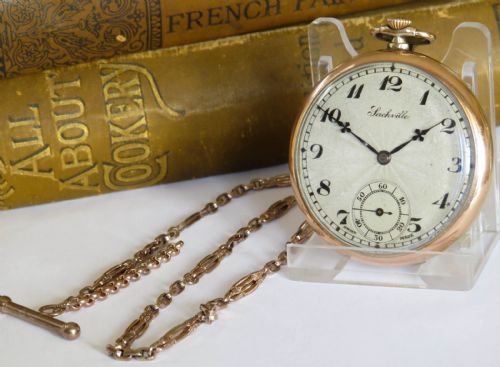
The domestic interior forms of these pieces range from oak and macassar ebony mantel clocks to chromium-plated desk variants and glass sculptural designs. Alongside these sit personal timekeepers, including pocket watches with chains and cocktail wristwatches set in platinum with diamonds.
Materials and construction methods
Makers utilised a diverse palette of materials, combining traditional cabinet timbers like oak, rosewood, and walnut with contemporary industrial substances such as chrome, brass, bakelite, and glass. Opalescent moulded glass, enamel, green onyx, and tortoiseshell also appear frequently across the casings and dials.
Mechanical movements, including eight-day mechanisms, early electrical systems, and wind-up calibres, drive these objects, often paired with specialist decorative techniques like hammered patinated finishes, champlevé enamel, and guilloché work.
Art Deco Timepiece Retail Price Guide 2026
Typical asking prices for art deco timepiece among the pieces listed under this phrase on Sellingantiques today, from the lower quarter to the upper quarter. They describe what is for sale here now, not the wider market.
Listings feature clocks and watches spanning from nineteen hundred through to nineteen sixty, with nineteen thirty representing the peak period.
Distinctions in quality and execution
Quality rests upon the sophistication of the movement and the integrity of the housing, where the integration of precious metals like platinum or fine hardwoods distinguishes superior examples from standard production pieces. The reputation of the maker or retailer, from high-end houses to specialised clockmakers, further defines the grade of the object.
The crispness of architectural details, the preservation of original enamel or opalescent glass elements, and the successful servicing of internal mechanical movements mark the difference between average survivals and exceptional collector pieces.
Smiths Clockmakers·Mappin & Webb·Harrods of London·R Lalique
The Art Deco Timepiece Glossary
- Champlevé
- An enamelling technique where troughs are carved into a metal surface and filled with vitreous enamel before firing.
- Guilloché
- A decorative engine-turning technique producing precise, intricate geometric patterns upon metal surfaces beneath translucent enamel.
- Bakelite
- An early form of synthetic plastic utilised extensively for twentieth-century clock cases and electrical components.
- Mantel clock
- A freestanding clock designed to sit upon the shelf or mantelpiece above a fireplace.
- Carillon
- A set of tuned bells played by a clock mechanism to chime the hours and quarters.
Art Deco Timepiece: Frequently Asked Questions
How do I wind an antique desk clock?
Most mechanical desk clocks utilise a key or a thumb-wind mechanism attached to the back plate. Care must be taken not to over-wind the mainspring.
Consulting the specific movement instructions ensures the longevity of the vintage mechanism.
What is an electrical mantel clock?
Early electrical mantel clocks represent a transitional phase where batteries or electromagnetic pulses began driving the pendulum or balance wheel instead of traditional weights.
These systems offer a fascinating glimpse into early twentieth-century horological innovation.
Where were most period pocket watches made?
Pocket watches from this era originated across Swiss, British, and American workshops. Prominent watchmakers supplied movements housed in silver, rolled gold, or base metal cases.
Maker signatures on the dial and inner dust cover usually indicate the origin.
How should I care for a glass clock?
Moulded glass pieces require stable placement away from edges where accidental knocks might occur. Cleaning should involve soft, dry cloths to protect delicate patination.
Avoiding harsh chemical cleaners preserves the original surface finish.