
Antique Wooden Container
An antique wooden container serves multiple domestic purposes across centuries, taking forms from utilitarian salt boxes to delicate tea caddies.
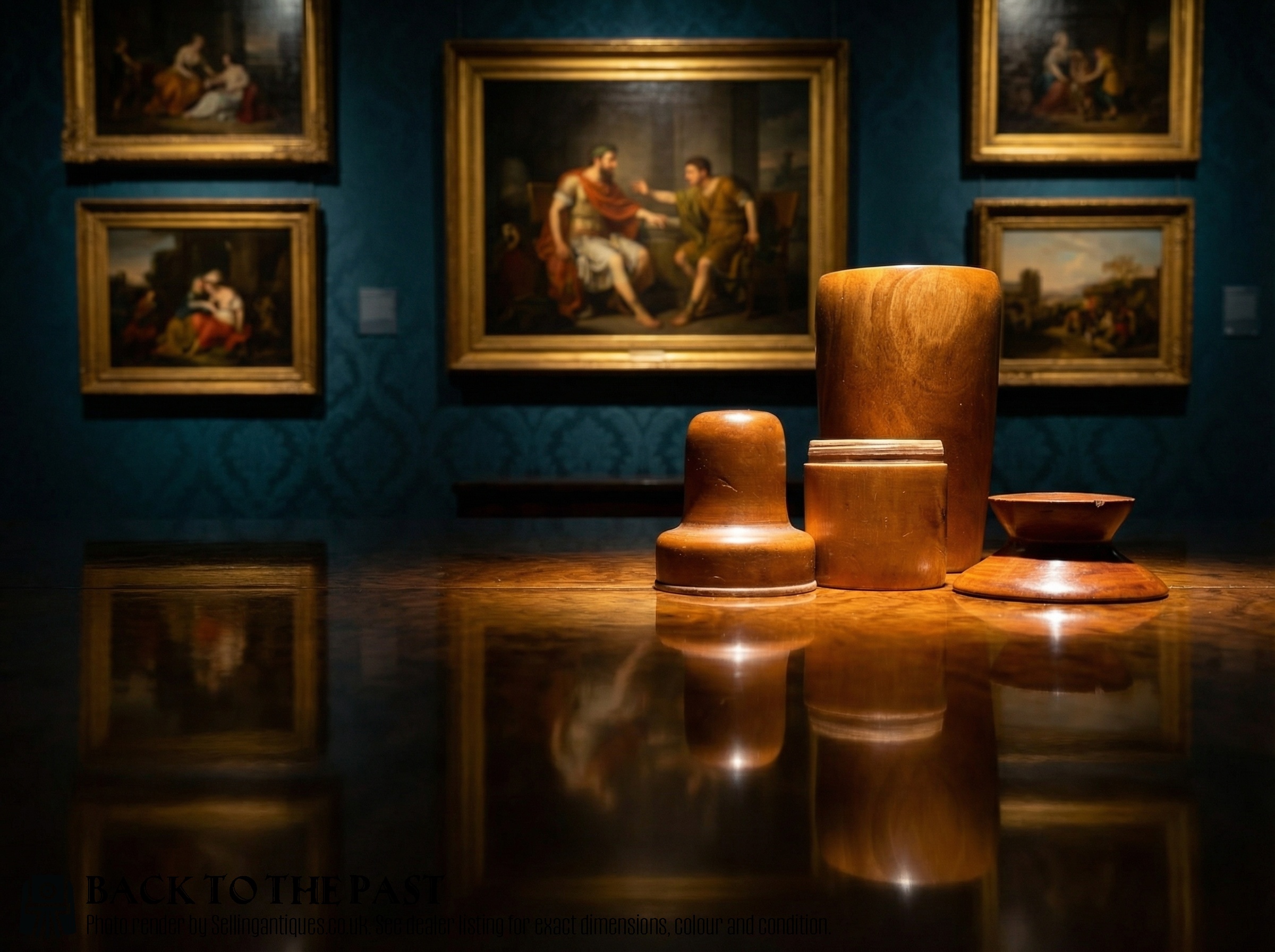
Antique Wooden Container
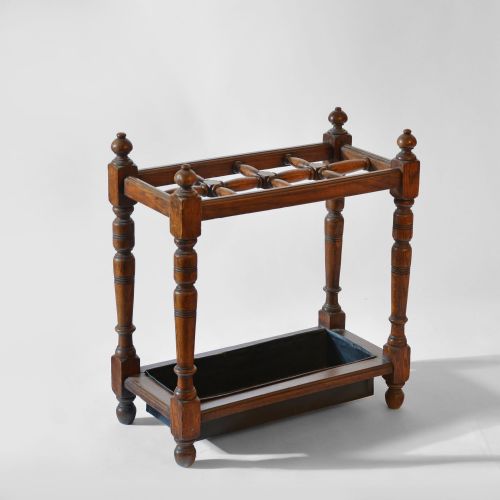
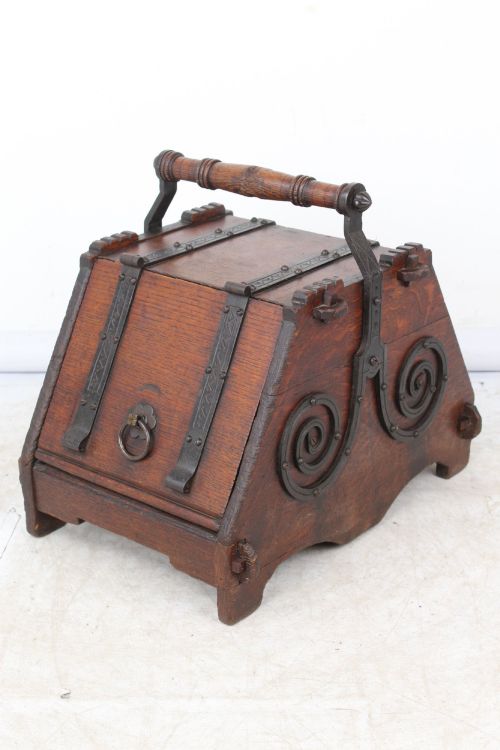
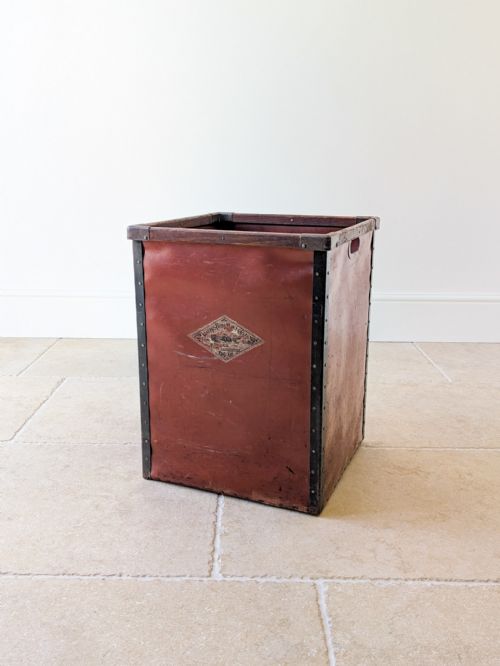
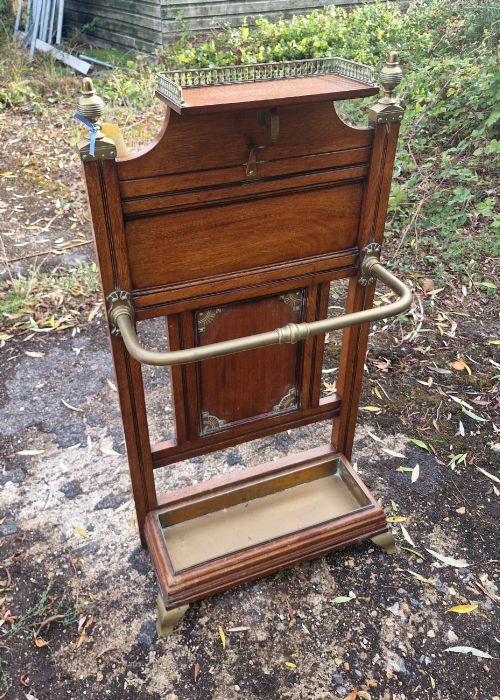
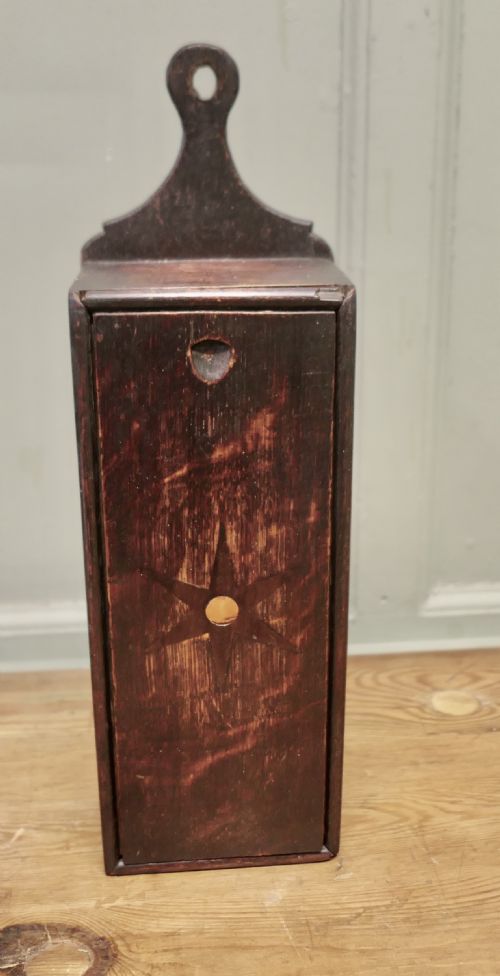
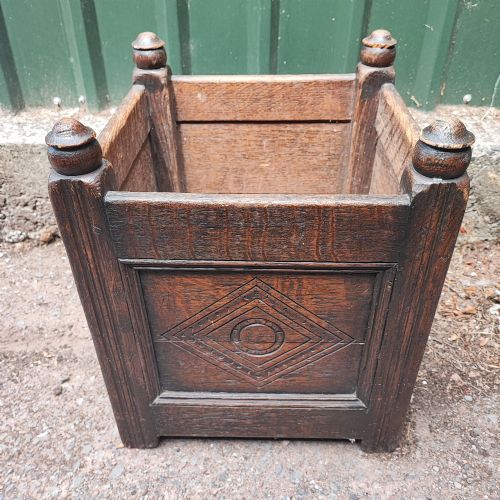
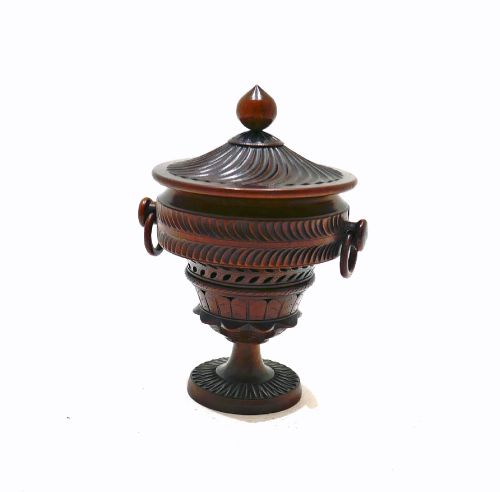
An antique wooden container encompasses a diverse array of utilitarian and decorative domestic objects spanning from the seventeenth century through the Edwardian era. Buyers searching for an antique wooden container encounter domestic items such as tea caddies, wall boxes, salt boxes, umbrella stands, and coal scuttles.
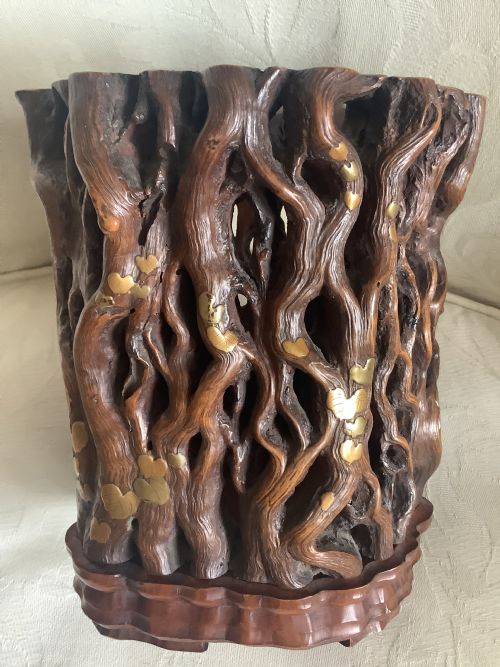
The selection reflects both formal Georgian mahogany pieces and rustic country oak items. Continental and Asian pieces also appear, including Chinese hardwood brush pots and Indian teak spice boxes alongside British treen and vernacular country house items.
Materials and Technique
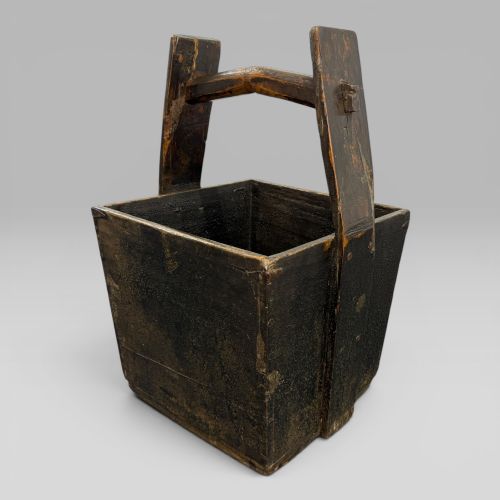
Maker construction relies on native and exotic timbers including oak, mahogany, walnut, fruitwood, elm, and pitch pine. Structural integrity often depends on traditional joinery methods, coopered staves with metal bands, and hand-carved elements.
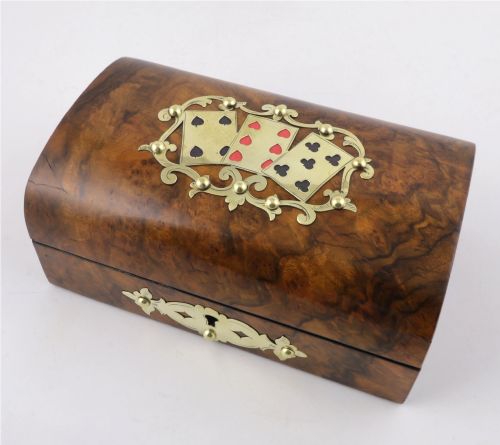
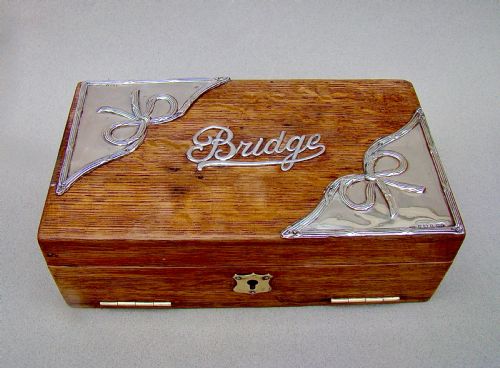
Surface embellishment incorporates brass hardware, iron hinges, silver mounts, and intricate decorative techniques such as parquetry, Tunbridge Ware inlay, and painted finishes.
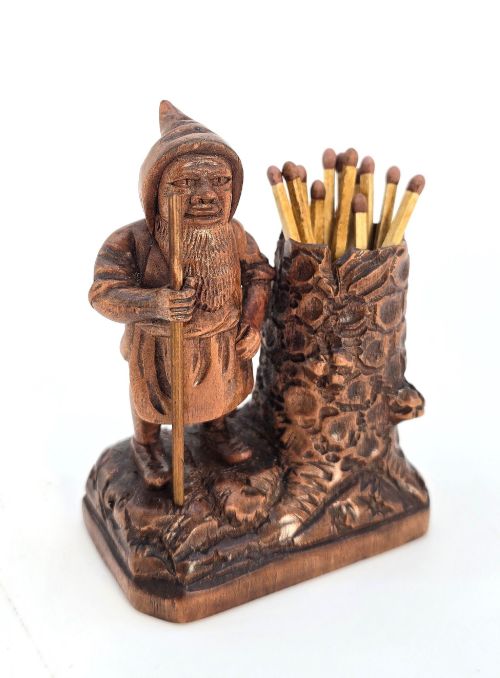
A carved limewood match striker takes the cheerful form of a gnome.
Craftsmanship and Material Depth
Quality separates through the selection of timber and the precision of decorative execution, visible in detailed hand-carving or complex parquetry work. Superior examples retain original hardware, mounts, and fitted interiors without modern replacement components.
The integrity of surface patination and finish distinguishes masterwork pieces from standard utility wares, alongside the structural honesty of period joinery and cooperage.
Christopher Dresser·Levi & Salaman
The Antique Wooden Container Glossary
- Treen
- Small handmade wooden domestic objects. These items include utilitarian wares and decorative containers created prior to the twentieth century.
- Tea Caddy
- A box designed to store loose tea leaves. They frequently feature fitted interiors and locking lids to protect valuable contents.
- Coopered
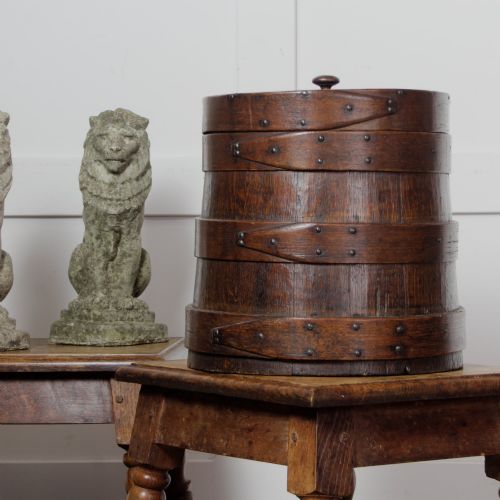
- Constructed using curved wooden staves bound with metal hoops. This technique provides the strength required for liquid containers, buckets, and coal scuttles.
- Tunbridge Ware
- Woodworking characterised by tiny mosaic tiles forming pictorial or geometric patterns. These veneers decorate small boxes and caddies.
Antique Wooden Container: Frequently Asked Questions
What is a treen container?
Treen describes small wooden objects made for domestic utility or personal use. These items showcase traditional woodturning and carving skills from past centuries.
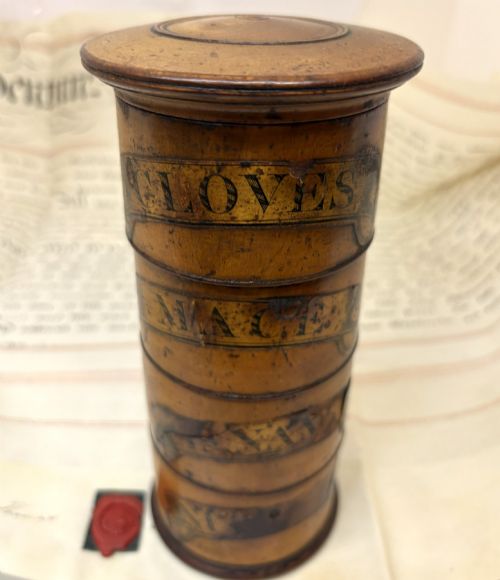
Containers in this category include snuff boxes, spice towers, and lidded cups.
How were tea caddies used?
Tea caddies stored precious tea leaves securely under lock and key during periods when tea was an expensive commodity. Interior compartments often separated different tea varieties.
Many examples include fitted mixing bowls and delicate internal lids.
What timber was used for salt boxes?
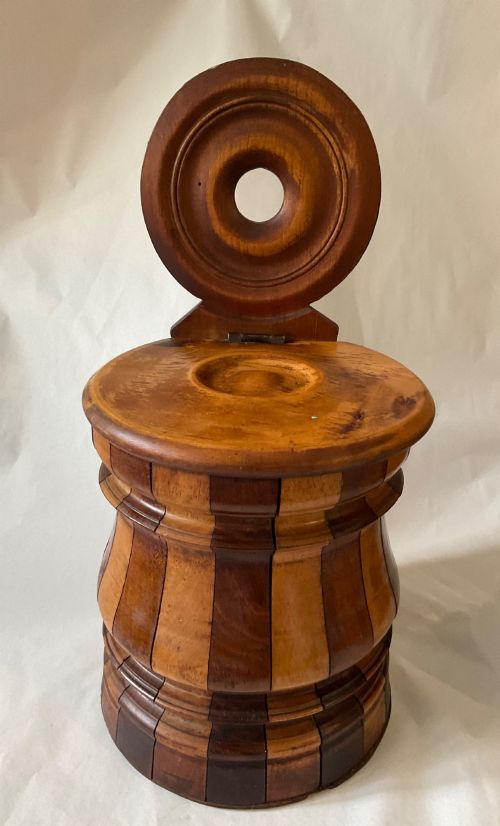
Salt boxes were commonly fashioned from durable domestic hardwoods like oak and mahogany to withstand daily kitchen use. These wall-hanging containers kept salt dry.
Survival often depends on the quality of the original iron or brass hardware.
How do I date a wooden box?
Dating relies on construction methods, timber choice, lock mechanisms, and decorative styles characteristic of periods like the Georgian or Victorian eras. Hand-cut dovetails and original fixings offer reliable clues.
Matching stylistic details to known manufacturing techniques confirms the period.