




Antique Apothecary Pot
An antique apothecary pot holds centuries of medical history, offering collectors tangible links to old dispensaries through ceramic and wooden vessels.
Antique Apothecary Pot
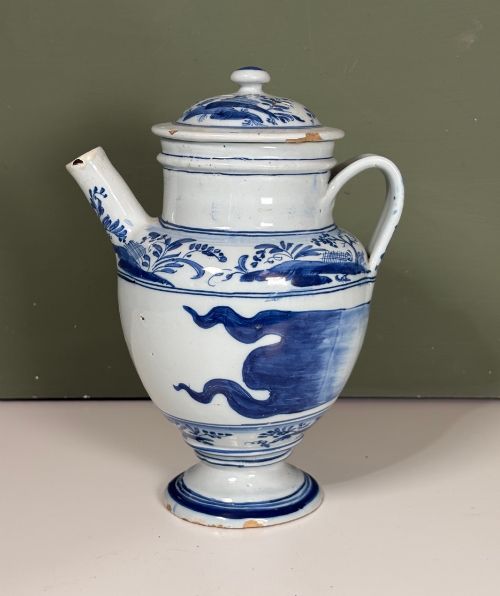
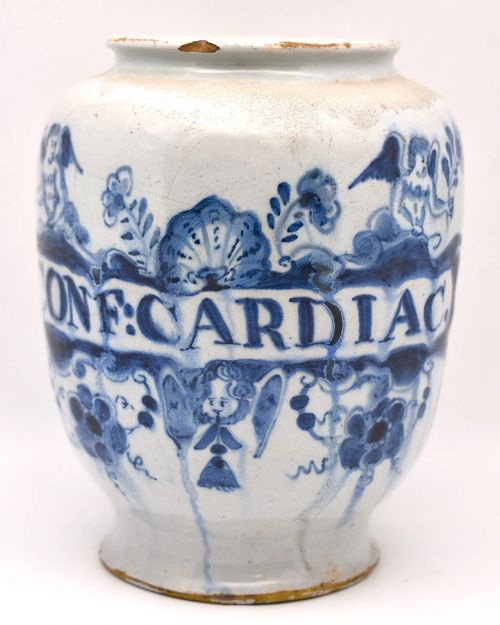
When searching for an antique apothecary pot, buyers encounter diverse forms ranging from ceramic storage jars to wooden containers used in historic dispensaries. The pieces visible here span several centuries, with a strong representation of tin-glazed earthenware and delftware alongside treen vessels.
The inventory encompasses pharmacy wet drug jugs, dry albarelli, and heavy metal mortars alongside turned wood boxes. Regional origins stretch across English, Italian, and Dutch workshops, reflecting the broad European trade in medicinal wares.
Materials and methods
Potters shaped tin-glazed earthenware and majolica on the wheel before applying white opacified glazes and hand-painted cobalt pigment or polychrome decoration. These ceramic vessels required careful kiln firing to fix the mineral pigments used for drug labels and decorative motifs.
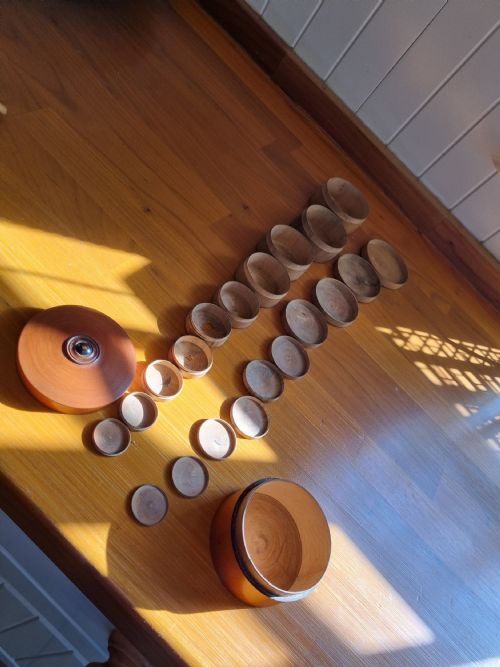
Turned wooden items utilise dense timbers such as boxwood, sycamore, lignum vitae, and fruitwood, shaped on lathes into containers and measures. Metal mortars rely on cast bronze alloys, poured into moulds and finished by hand.
Early boxwood containers managed to conceal up to ten smaller internal vessels, creating portable pharmacy nesting systems for the discerning traveller.
Assessing craftsmanship
Quality rests upon the clarity of the hand-painted inscriptions and the precision of the cobalt pigment work on tin-glazed pieces. Finer specimens display crisp lettering, balanced proportions, and well-preserved glaze surfaces without heavy restoration.
In wooden and metal works, craftsmanship shows in the sharpness of turned mouldings, the density of the grain, and the integrity of fitted lids. Superior examples retain their original surface patination and authentic internal wear consistent with historic use.
Samuel Alcock and Co·Maws and Son London
The Antique Apothecary Pot Glossary
- Albarello
- A cylindrical earthenware jar used in pharmacies to hold ointments and dry drugs. This distinct form originated in the Near East before becoming popular across Italian and Dutch workshops.
- Tin-Glazed Earthenware
- Pottery covered with a lead glaze made opaque by the addition of tin oxide. This surface provided a smooth white ground suitable for painted drug labels and decoration.
- Treen
- Small handmade wooden household objects and containers turned on a lathe. Collectors prize early examples fashioned from dense woods like boxwood and lignum vitae.
- Majolica
- Italian tin-glazed pottery decorated with colourful metal oxide pigments. These vessels often feature rich polychrome palettes depicting historical or floral designs.
- Drug Jar
- A ceramic vessel specifically labelled to contain medicinal herbs, syrups, or pharmaceuticals. They formed the standard stock of historic apothecary shops.
Antique Apothecary Pot: Frequently Asked Questions
What were apothecary pots used for?
Historic dispensaries utilised these vessels to store dried herbs, medicinal powders, syrups, and ointments prepared by pharmacists. Each jar kept sensitive ingredients secure from moisture and light.
Labels painted directly onto the ceramic identified the contents for the apothecary during daily compounding and dispensing tasks.
How do I identify a delft apothecary jar?
Delft vessels typically feature a porous earthenware body covered in a white tin glaze, often painted with blue cobalt pharmaceutical labels. Stylistic markers point to 18th-century Dutch or English production.
Examination of the footring and unglazed base areas helps confirm the period manufacturing techniques used by historic potteries.
Are wooden apothecary containers durable?
Treen containers turned from dense hardwoods like boxwood or lignum vitae survive centuries of handling if kept away from excessive humidity. These woods resist splitting and maintain tight lid tolerances.
Regular care involves maintaining stable environmental conditions to preserve the natural oils and historic patination within the timber.
How can I tell Italian majolica from Dutch delft?
Italian majolica pieces frequently employ vibrant polychrome palettes with rich mineral pigments and complex pictorial scenes. Dutch delft leans toward simpler cobalt blue designs on a stark white tin glaze.
Clay body characteristics and painting styles provide strong indicators of whether a vessel originated in Mediterranean or Northern European kilns.