


Antique Wall Plates
When you search for antique wall plates, you find a diverse mix of decorative ceramic dishes, chargers, and framed wall mirrors that bring historical character to domestic interiors.
Antique Wall Plates
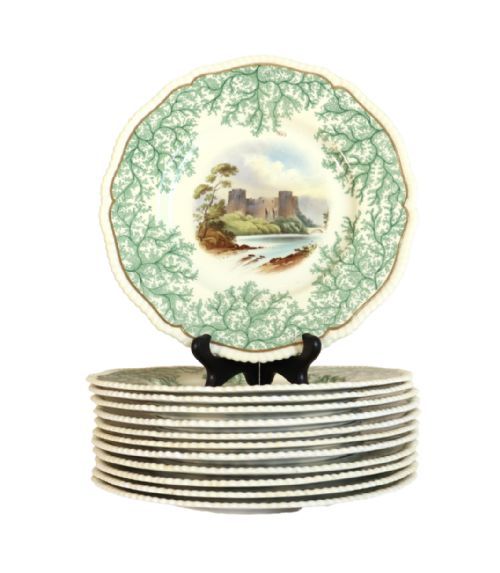
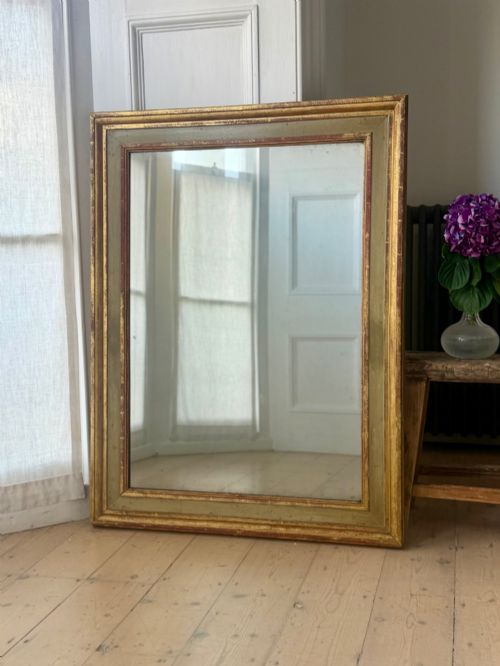
The term antique wall plates covers both ceramic display pieces intended for hanging and the antique mirror plates incorporated into period wall frames. Buyers searching this phrase commonly discover English and continental porcelain or earthenware dishes, alongside large decorative chargers designed for display on walls or plate racks.
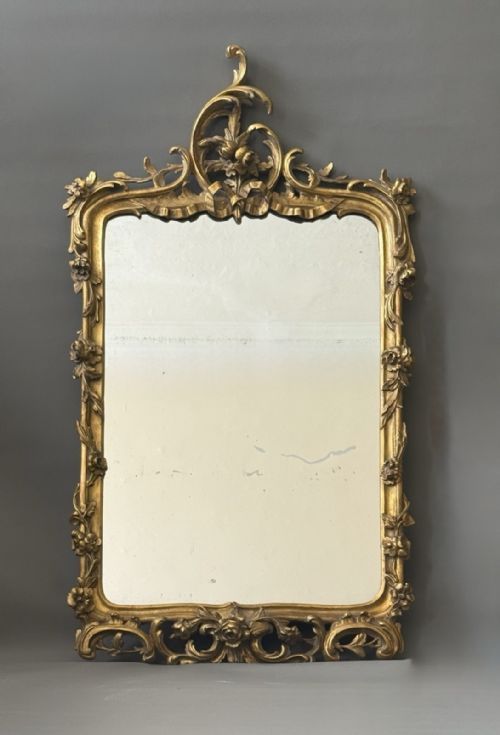
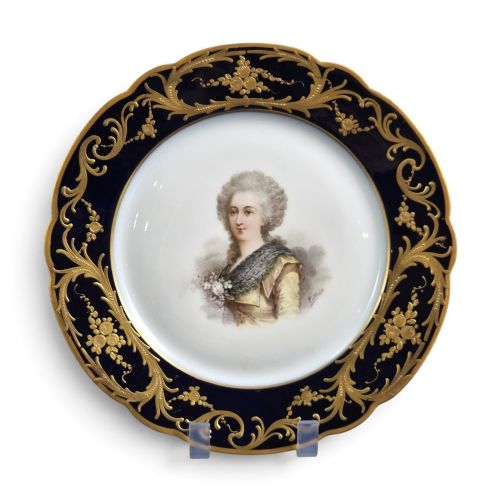
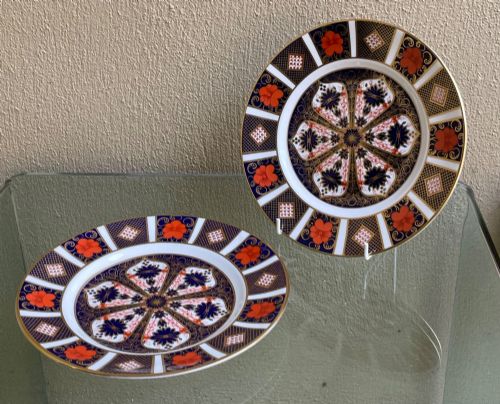
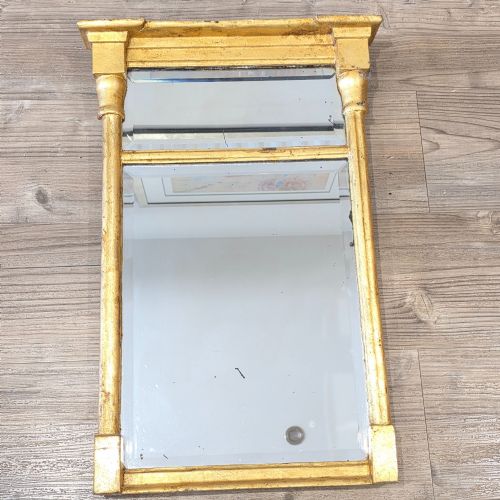
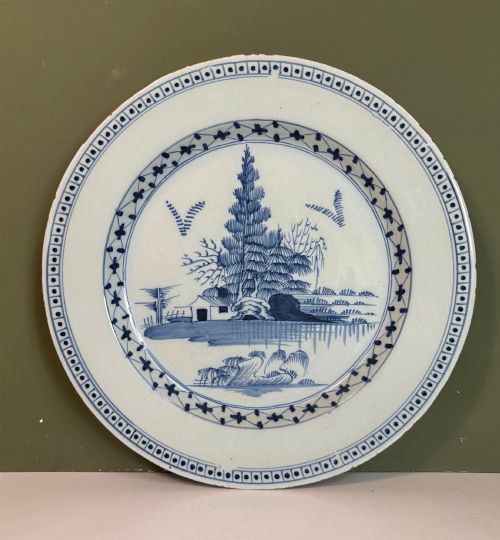
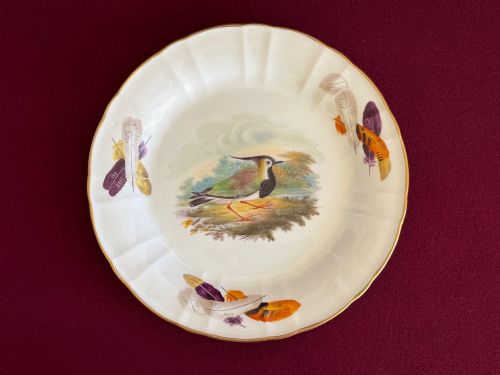
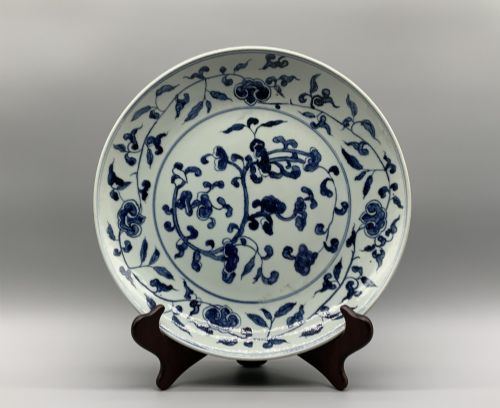
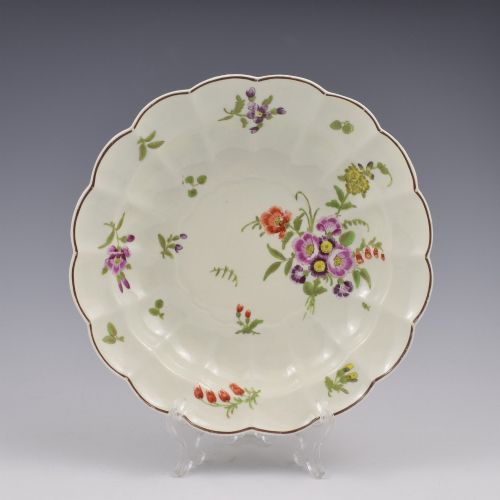
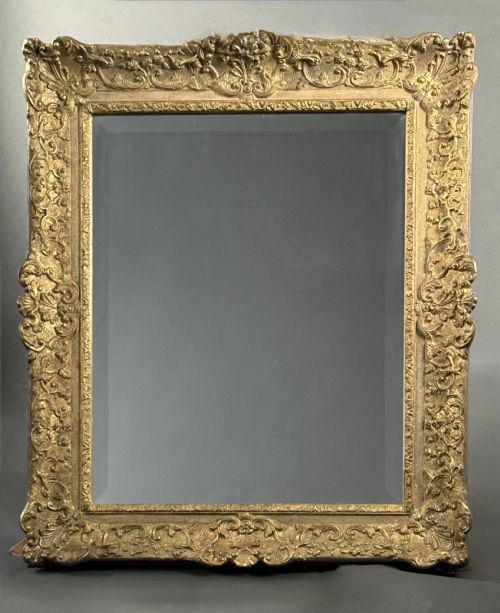
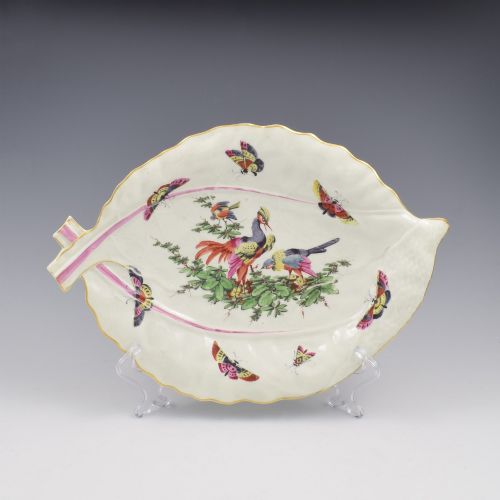
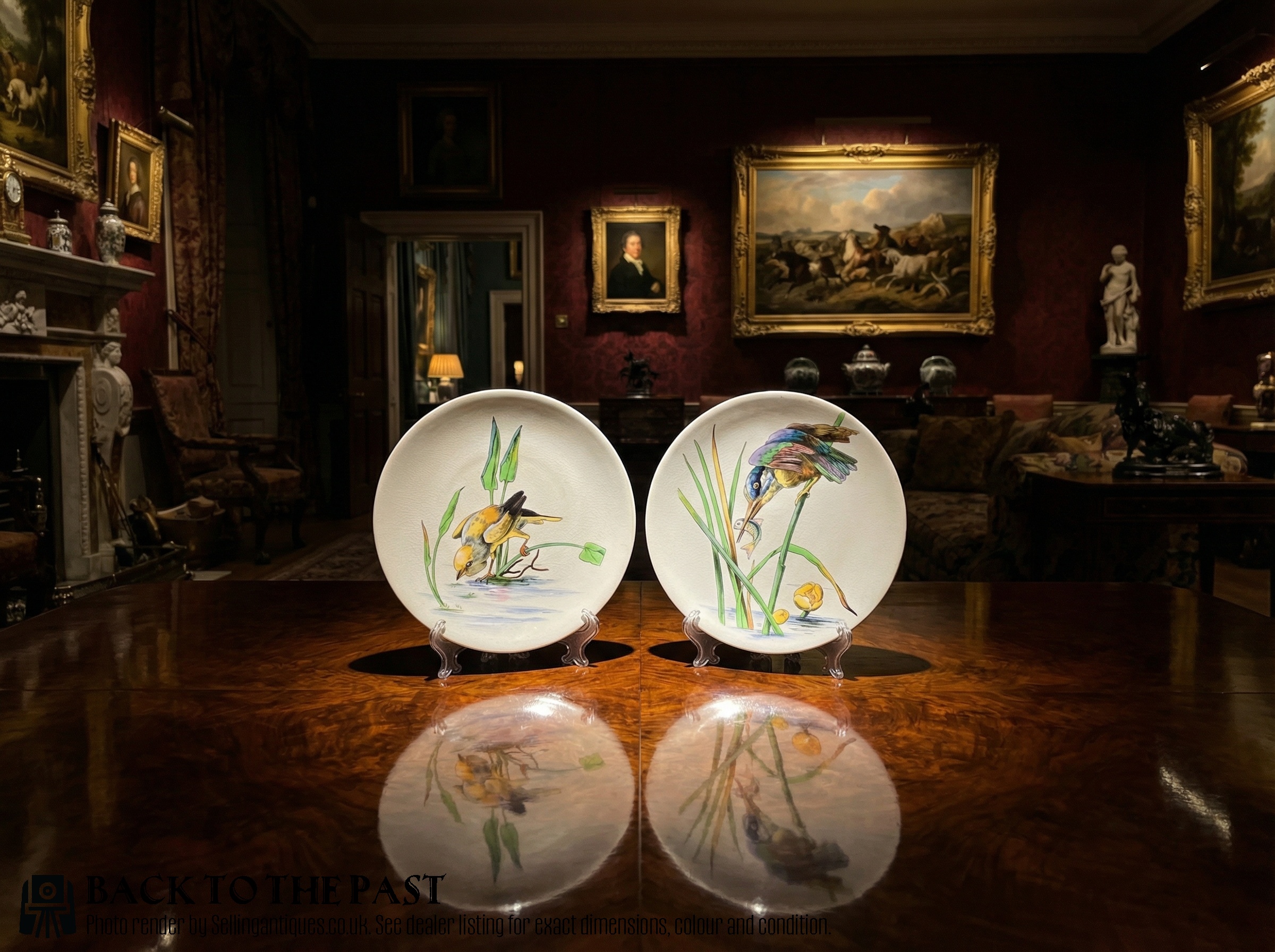
Porcelain and earthenware plates span the eighteenth and nineteenth centuries, featuring hand-painted botanical motifs, traditional Imari palettes, and cobalt blue designs. Alongside these sit large chargers in delftware and Japanese cloisonné enamel, plus carved giltwood wall mirrors containing historic glass plates.
Regional variations include English bone china, Dutch delftware, and Japanese Imari export wares, often displayed on oak dresser racks or mounted directly as wall art. The selection ranges from eighteenth-century soft-paste porcelain to later nineteenth-century decorative services and framed mirrors.
Materials and construction
Ceramic plates and chargers employ earthenware, bone china, and porcelain bodies finished with coloured glazes, hand-painted underglaze blue, or detailed enamel decoration. Makers utilised traditional kilns to fire pieces at high temperatures, fixing pigments beneath or above the glaze.
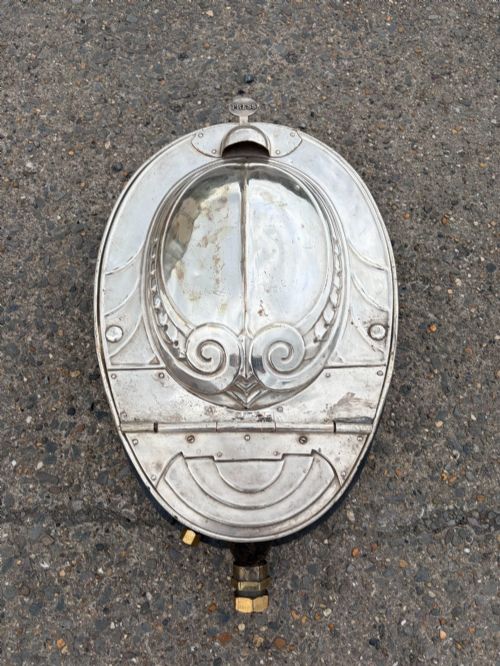
Mirrors and framed items rely on carved giltwood, gesso, mahogany, and pine, often incorporating mercury glass or bevelled mirror plates set securely within the timber frame. Metalwork items utilise silver plate, copper, and repoussé techniques to shape decorative surfaces.
Framed wall racks and shelving units use solid oak and pine construction, utilising traditional joinery to support heavy display earthenware and delft chargers securely.
Current listings feature porcelain, earthenware, and glass alongside carved giltwood frames and oak dresser plate racks from the eighteenth and nineteenth centuries.
Markers of distinction
Quality rests in the crispness of hand-painted detail and the preservation of the original glaze, enamel, or gilding. Superior ceramic plates display fine, even potting and carefully controlled polychrome brushwork without significant glaze pooling or firing distortions.
In framed mirrors and wall plates, the integrity of the original glass plate and the depth of hand-carved gesso on the giltwood frame determine the overall calibre. Pieces retaining their original mercury glass plates and unpolished surface patination command greater appreciation among collectors.
Royal Crown Derby·Wedgwood·Spode·Liberty and Company
The Antique Wall Plates Glossary
- Charger
- A large decorative plate, typically exceeding standard dinnerware dimensions, intended for display on a sideboard or wall rather than general dining use.
- Imari palette
- A distinctive decorative scheme originating in Japan and copied by European factories, utilising rich iron red, underglaze blue, and gilt highlights on a white porcelain ground.
- Mercury glass
- A double-walled blown glass type featuring a silvering solution inserted between the layers, creating a reflective mirror plate with characteristic mottled depth.
- Delftware
- Tin-glazed earthenware produced in England and the Netherlands during the seventeenth and eighteenth centuries, known for its opaque white surface and blue painted scenes.
- Repoussé
- A metalworking technique where a design is hammered into relief from the reverse side of a sheet of metal to create decorative wall plaques and chargers.
Antique Wall Plates: Frequently Asked Questions
How do I hang antique wall plates safely?
Displaying antique plates securely requires specialised spring-loaded brass hangers that distribute weight evenly across the rim without causing structural stress to the ceramic body.
For larger chargers or framed mirror plates, ensure wall fixtures anchor directly into solid masonry or stud work rather than relying solely on standard plasterboard plugs.
Can antique ceramic plates still be used for dining?
Historical porcelain and earthenware plates often feature delicate enamel painting, soft glazes, and age-related crazing that makes daily food use impractical.
Surface pigments can be vulnerable to acidic foods and modern detergents, so these pieces are best reserved for visual display and wall mounting.
How do I identify eighteenth-century delftware?
Eighteenth-century delft chargers typically exhibit a porous buff earthenware body covered in an opaque white tin glaze that often shows minor chipping along the raw edges.
Hand-painted blue designs sink softly into the absorbent glaze surface, displaying subtle variations in tone characteristic of early kiln firing methods.
What is the difference between a pier mirror and an overmantle mirror?
Pier mirrors are traditionally taller and narrower, designed specifically to hang on the wall space between two windows.
Overmantle mirrors feature a wider horizontal format built to sit directly above a fireplace hearth, frequently incorporating multiple mirror plates within a giltwood frame.