


Victorian Bird Plates
These Victorian bird plates and related decorative chargers combine natural history with domestic display, offering charming ornithological scenes for your table or wall.
Victorian Bird Plates
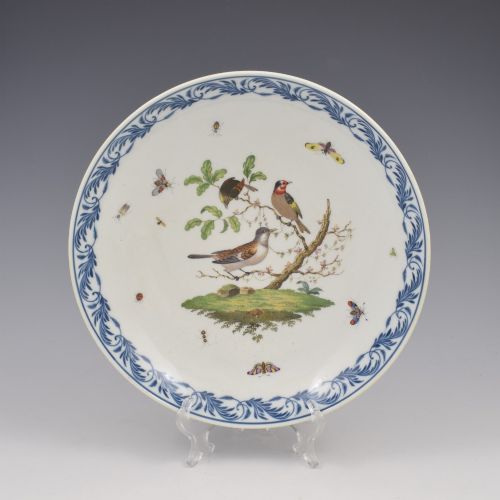
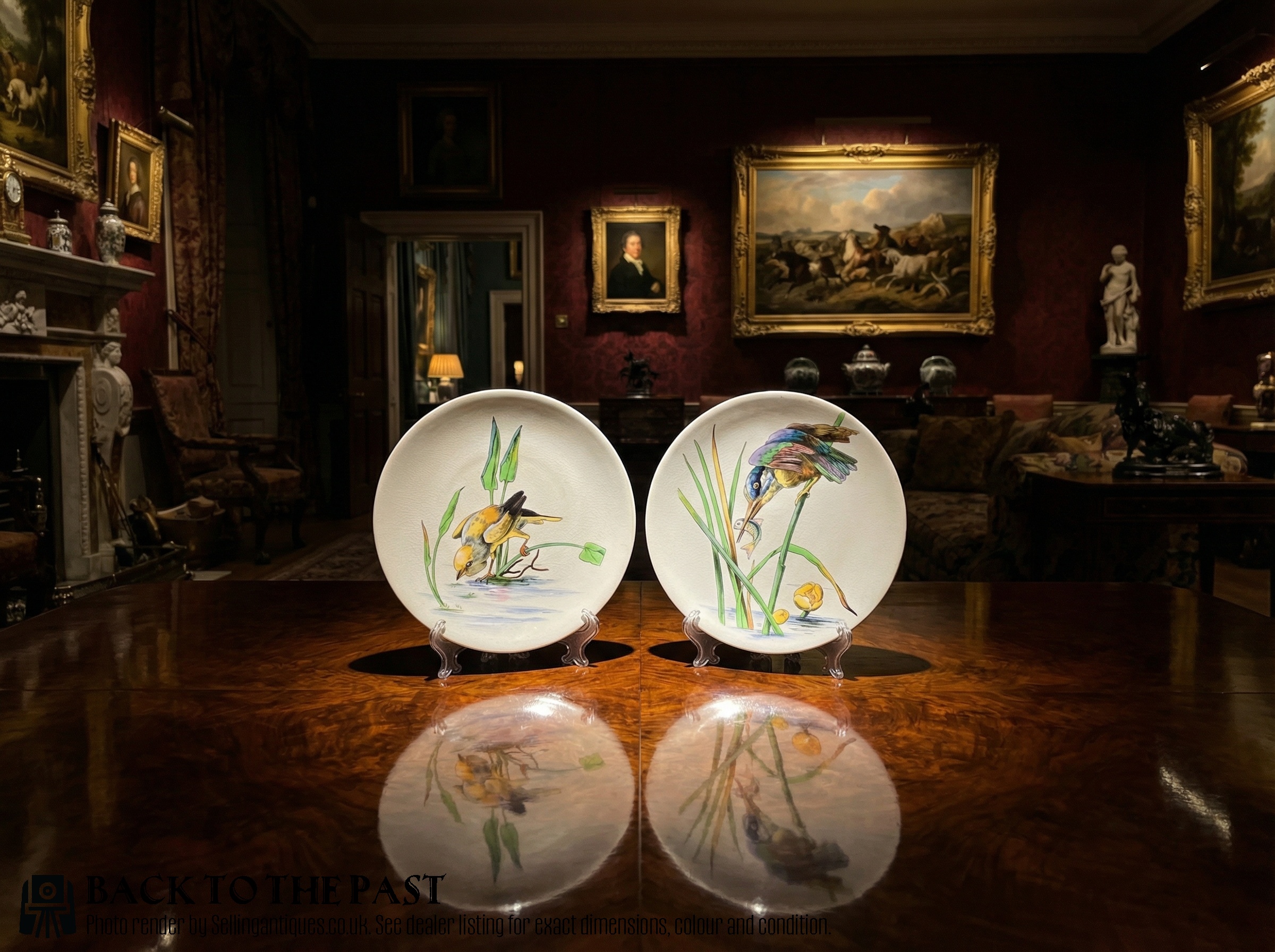
When you search for victorian bird plates, you encounter a surprisingly varied selection of decorative ceramics, porcelain, and metalware featuring avian motifs. The pieces range from hand-painted cabinet plates to large chargers and reticulated dessert dishes.
The selection on this page spans the nineteenth century, including objects from the Victorian era proper alongside related examples from continental European makers and the broader nineteenth century. Forms include decorative plates, biscuit barrels, and centrepieces that bring natural subjects into the Victorian home.
How they were made
Makers utilised hard-paste porcelain, ceramic, and ironstone as the primary canvases for detailed painting and transfer printing. Overglaze enamel colours brought the plumage of exotic and British birds to life on the ceramic surface.
Metal vessels involved heavy copper repousse work, silver plate mounts, and cast bronze. These metal techniques provided durable structures for chargers and baskets, often combined with glass or ceramic elements.
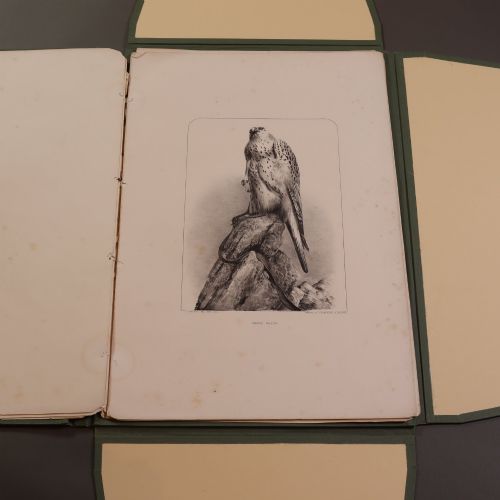
One extraordinary nineteenth-century entry pairs Victorian taxidermy with ornithological display, bringing the birds right out of the plate.
What varies in quality
The standard of painting sets the finest cabinet plates apart from standard production wares, distinguishing hurried brushwork from meticulous ornithological detail. Hand-painted examples demonstrate greater precision in feather rendering and botanical context.
The sophistication of the form and decoration determines desirability. Pierced reticulation, moulded relief work like majolica sunflowers, and the inclusion of precious metal mounts indicate higher manufacturing ambition.
Meissen·Coalport·Crescent China·Mason s
The Victorian Bird Plates Glossary
- Cabinet plate
- A decorative ceramic dish intended for display on a wall or in a cabinet rather than for dining. These often feature elaborate painted scenes.
- Reticulated plate
- A ceramic dish with an openwork or pierced lattice border created in the clay before firing. This decorative technique requires great skill to prevent warping in the kiln.
- Overglaze enamel
- Coloured glass decoration applied on top of a previously fired and glazed ceramic surface, then fixed with a lower temperature firing. This method allows for a wider and more vibrant palette of bird plumage.
- Majolica
- A type of earthenware glazed with tin-opacified lead glaze, capable of holding bright, rich colours. It frequently depicts natural subjects such as birds and sunflowers in high relief.
- Repousse
- A metalworking technique where the metal is hammered from the reverse side to form a raised design in relief. Indian Raj chargers utilise this method to create intricate surface texture.
Victorian Bird Plates: Frequently Asked Questions
Were these plates used for dining?
Most ornithological plates from this period served as dessert dishes, cabinet plates, or decorative chargers rather than everyday tableware. Their delicate hand-painted surfaces were intended to be admired in the drawing room.
Larger pieces and chargers functioned primarily as centrepieces or wall displays to showcase the owner's refined taste in natural history and art.
How do I display these plates safely?
Displaying cabinet plates safely involves using sturdy, properly sized wall hangers or plate stands lined with protective material. Avoid placing them in direct sunlight to prevent the overglaze enamels from fading over time.
Keep ceramic and porcelain pieces away from areas of high vibration or heavy foot traffic where they might be dislodged from shelves or tables.
What styles influenced these bird designs?
Designs were influenced by the Victorian taste for natural history, alongside movements like Rococo Revival, Aesthetic Movement, and Chinoiserie. Exotic bird motifs often drew from Japanese and Chinese artistic traditions.
Continental factories also incorporated local botanical elements, pairing avian subjects with sunflowers and natural foliage characteristic of nineteenth-century majolica.
How do I identify a Victorian piece?
Identifying pieces from the Victorian era involves examining the paste, glaze characteristics, factory marks, and decorative style. Nineteenth-century porcelain often shows specific factory backstamps or impressed ciphers from the period.
The presence of styles like Aesthetic Movement or the specific weight and potting of ironstone and hard-paste porcelain help narrow down the date of manufacture.