


Antique Bird Cabinet Plates
These antique bird cabinet plates bring hand-painted ornithological studies to the table, offering a glimpse into centuries of fine ceramic artistry.
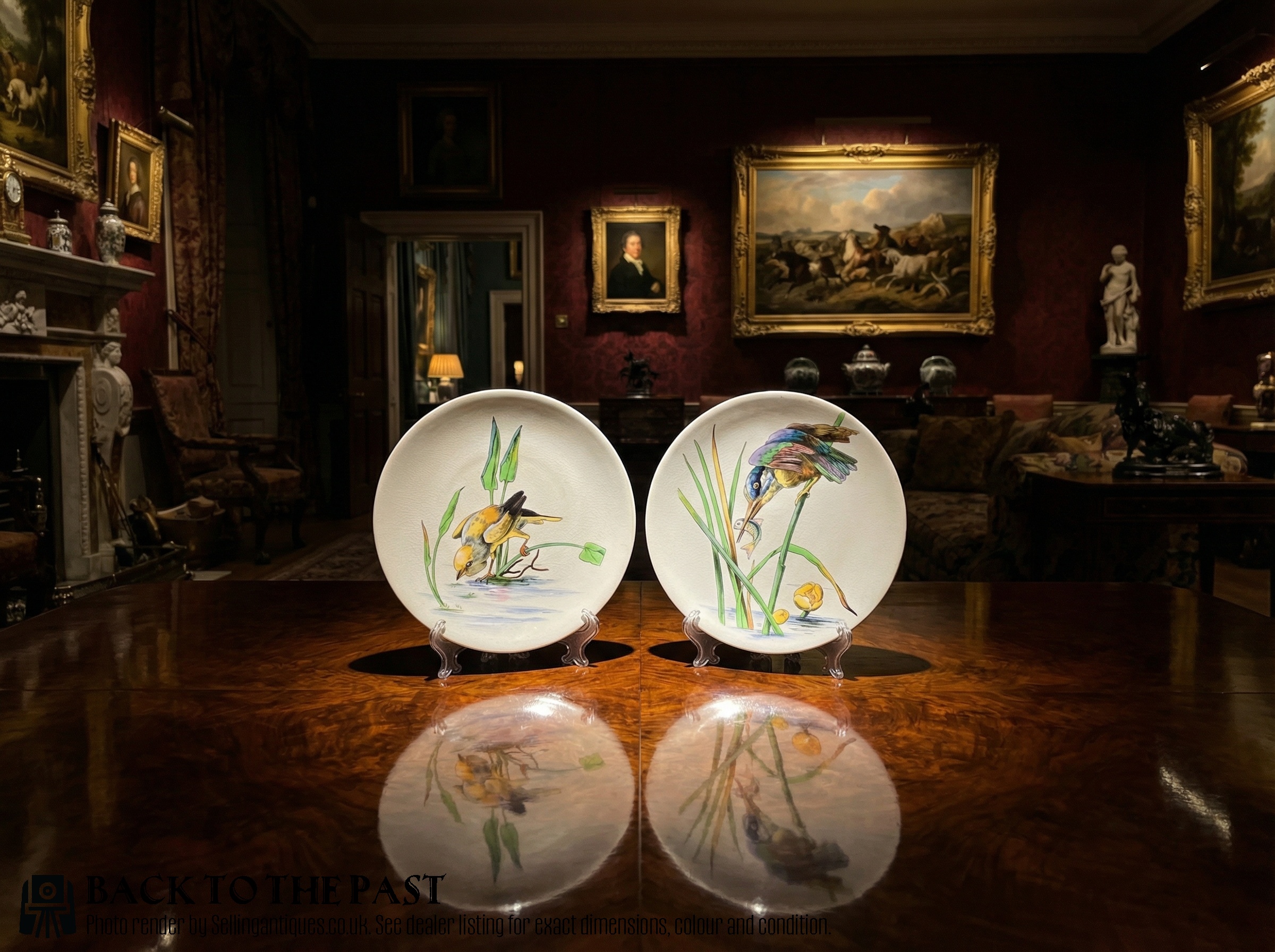
Antique Bird Cabinet Plates
When you search for antique bird cabinet plates, you encounter decorative ceramics created primarily for display rather than everyday dining. The examples on this page span the Regency, Victorian, and Edwardian eras, alongside pieces from the Meiji period.
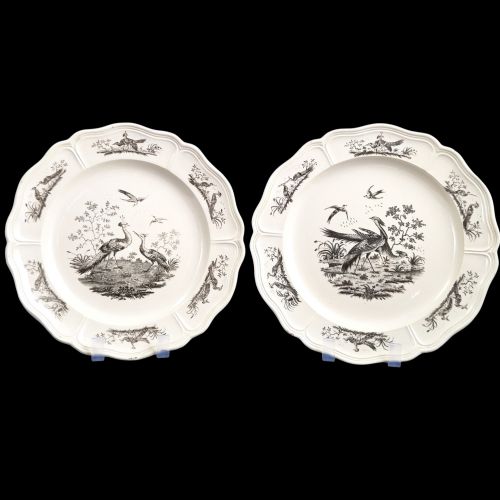
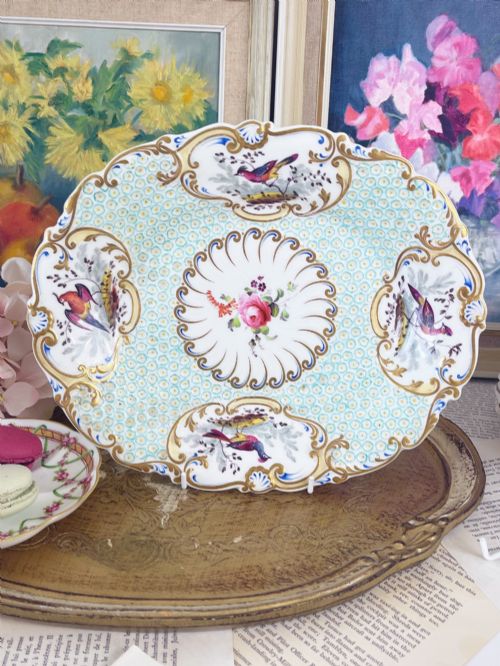
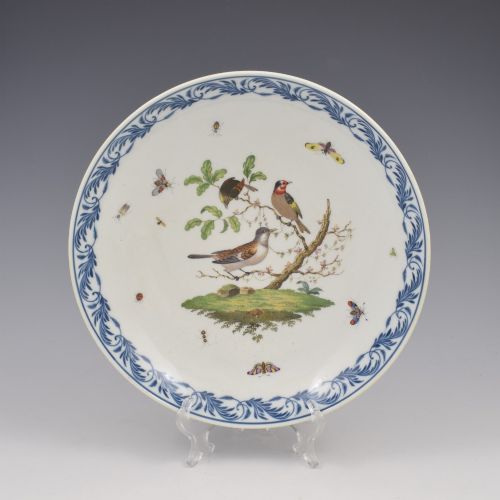
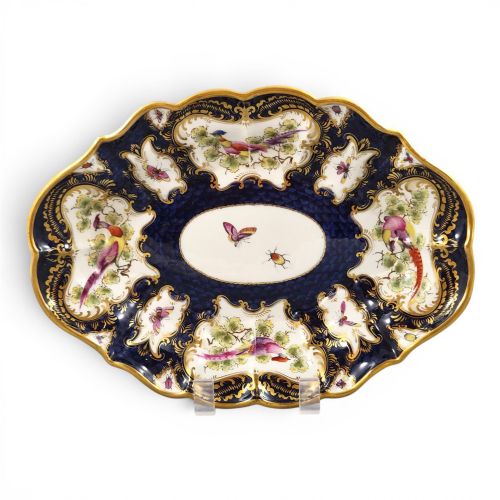
The forms vary from individual cabinet plates and dessert dishes to large chargers and soup dishes. Makers applied detailed ornithological illustrations, ranging from British game birds to exotic species.
Most pieces date through the nineteenth and early twentieth centuries, reflecting changing domestic tastes in tableware. Collectors find both single items and matched pairs or sets among the selection.
How they were made
Potters utilised hard-paste porcelain, bone china, and ironstone as the base bodies for these decorated wares. Artisans then applied overglaze enamels by hand to capture the complex plumage and colours of each bird.
Many designs incorporate gold leaf, gilt, and gilding to highlight the borders and rims of the plates. Cloisonne technique appears on specific Japanese metalwork pieces from the turn of the twentieth century.
Listings feature porcelain, bone china, and ironstone spanning the Regency period through to the 1920s.
What varies in quality
The precision of the brushwork defines the standard of an ornithological plate, distinguishing standard factory output from master painting. Hand-painted studies with fine feather detail command greater attention than simpler transfer prints.
The richness of the gilding and the complexity of moulded borders, such as reticulated edges or Rococo scrolls, indicate the ambition of the original manufacture. Preservation of the enamel colours over time also influences the standing of a piece.
H & R Daniel·Wedgwood·Meissen·Royal Worcester·Coalport·Mason’s·Grainger & Co·Flight, Barr & Barr·Crescent China
The Antique Bird Cabinet Plates Glossary
- Cabinet plate
- A decorative ceramic plate intended for display in a cabinet or on a wall rather than for practical table use. These typically feature elaborate hand-painted subjects.
- Bone china
- A type of porcelain incorporating bone ash, yielding a strong, white body that accepts fine overglaze enamels. English potteries utilised this material extensively.
- Hard-paste porcelain
- A durable ceramic composition fired at high temperatures, common in continental European factories. It provides a smooth, impervious surface for detailed bird painting.
- Overglaze enamel
- Pigments applied on top of the fired glaze and fixed with a second, lower-temperature firing. This technique preserves bright colours on decorative plates.
- Reticulated
- Having an openwork or netted pattern cut into the ceramic body or border. This decorative technique often appears on nineteenth-century Meissen porcelain.
- Charger
- A large decorative plate used as a base or centrepiece on a table or sideboard. These items frequently display expansive bird and floral motifs.
Antique Bird Cabinet Plates: Frequently Asked Questions
Were these plates used for dining?
Cabinet plates were primarily intended for display in dining rooms or drawing rooms to showcase wealth and taste. Dessert dishes and soup dishes saw occasional service during formal meals.
Over time, many fine examples transitioned entirely to decorative display due to the delicate nature of their hand-painted surfaces and gilt borders.
How do I identify the maker?
Makers usually marked their porcelain on the underside using painted, impressed, or printed symbols. Factory stamps, pattern numbers, and crossed swords help pinpoint the origin and date.
Checking historical factory marks allows collectors to distinguish English bone china from continental porcelain like Meissen.
Are painted bird plates fragile?
These ceramics require careful handling because overglaze enamels and gold leaf can wear down with aggressive cleaning. Bone china and hard-paste porcelain are structurally stable, but the decorative surface remains vulnerable.
Displaying them securely in cabinets or on proper wall hangers protects the edges and painted scenes from accidental impact.