

Victorian Hand Painted Ceramics
When you search for victorian hand painted ceramics, you enter a world of nineteenth century porcelain, earthenware, and fine enamel work decorated by hand.
Victorian Hand Painted Ceramics
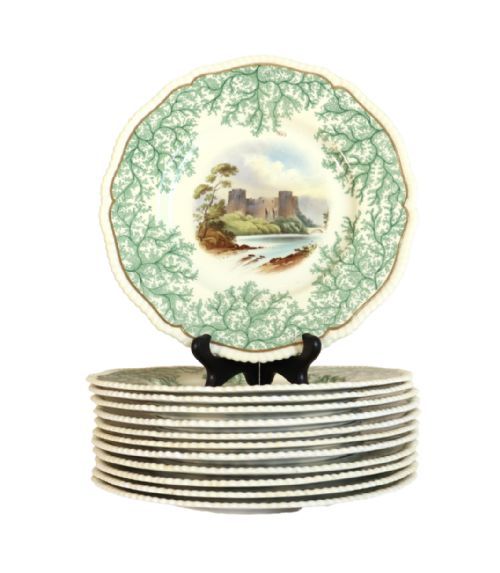
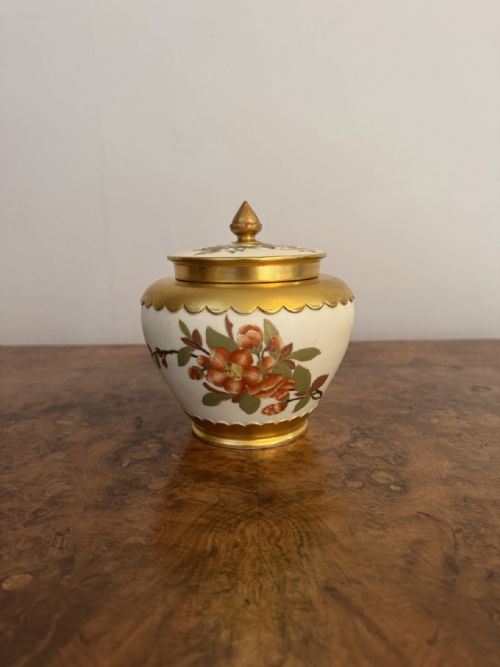
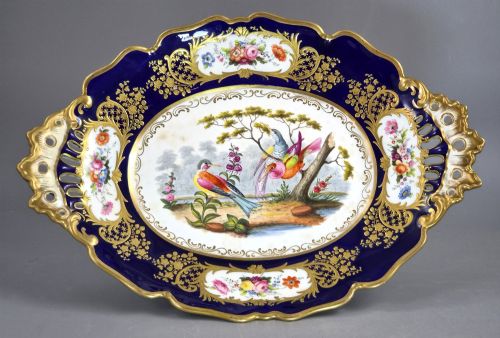
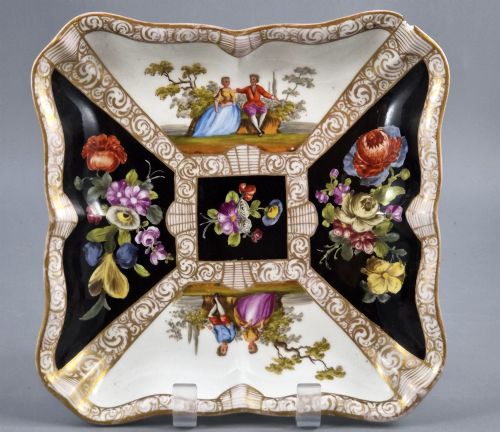
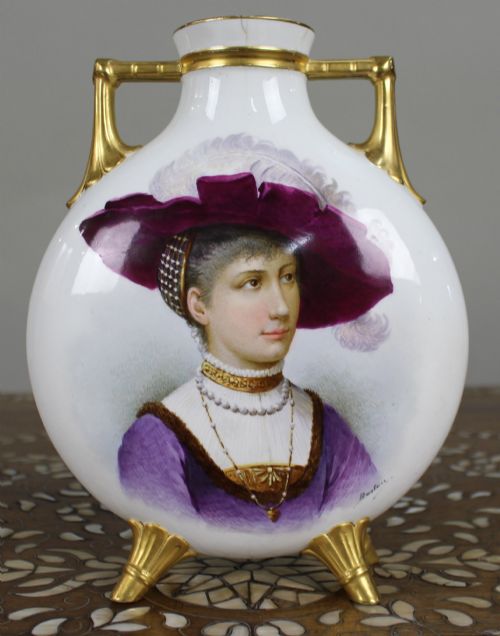
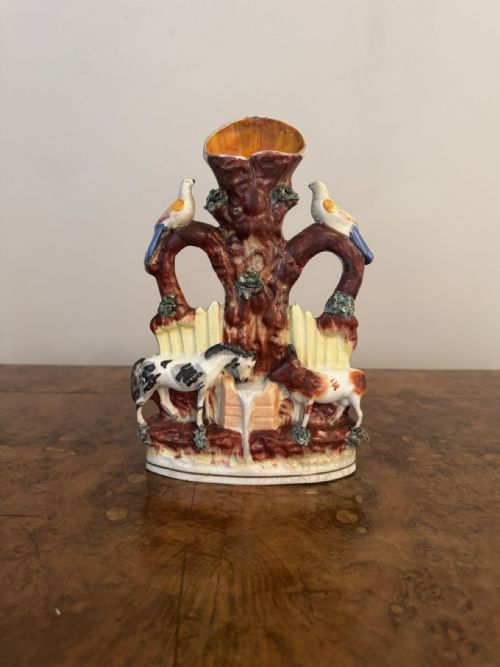
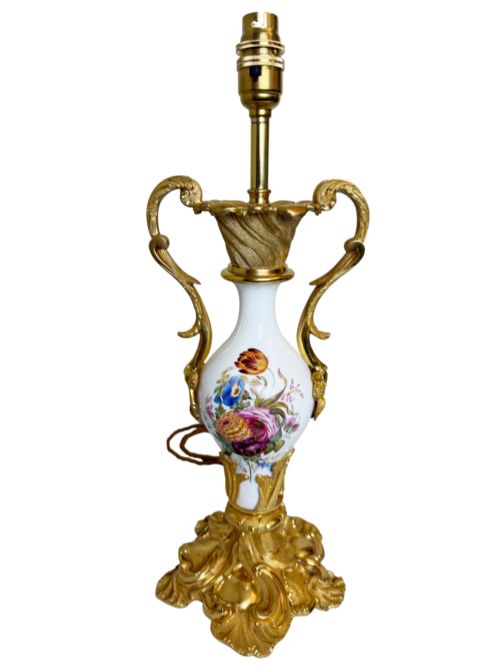
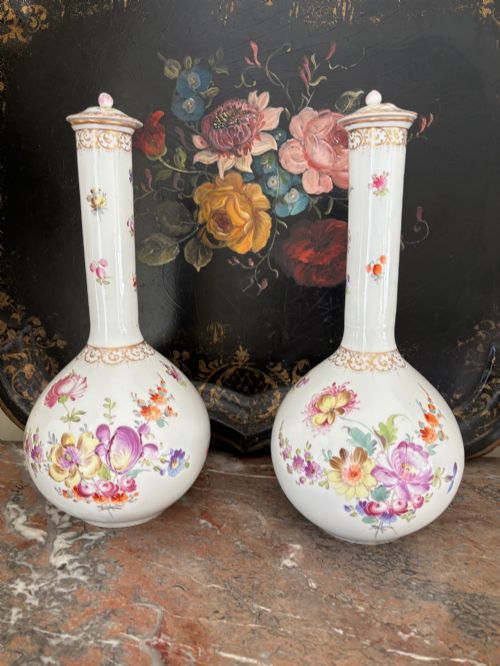
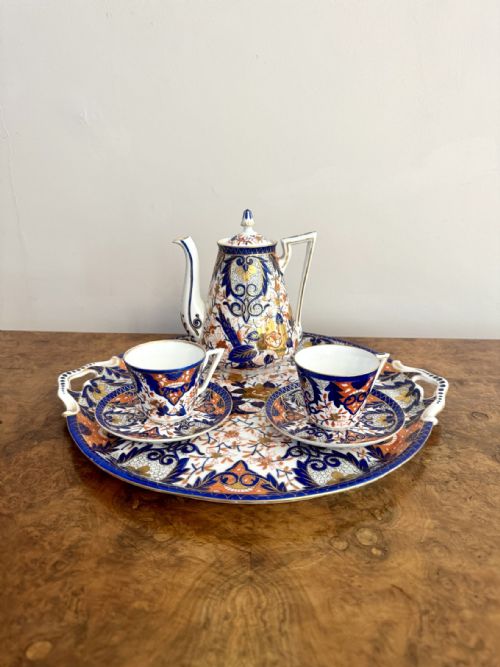
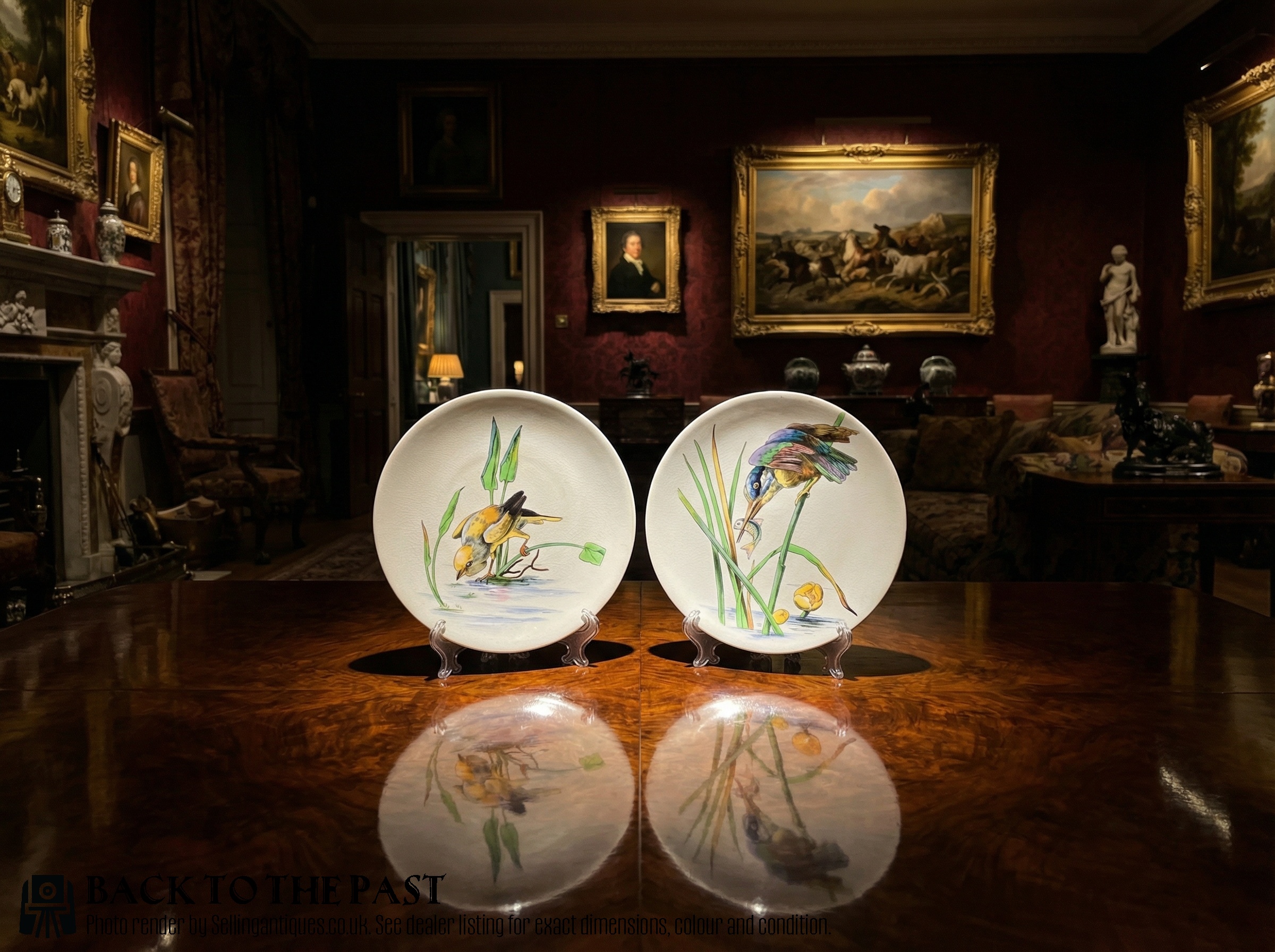
Victorian hand painted ceramics encompass a wide range of nineteenth century decorative objects, including cabinet plates, lidded urns, cabinet vases, and figures created across Britain, France, Germany, Austria, and Japan. The pieces frequently display floral studies, ornithological scenes, landscape views, and figurative subjects rendered in polychrome pigments.
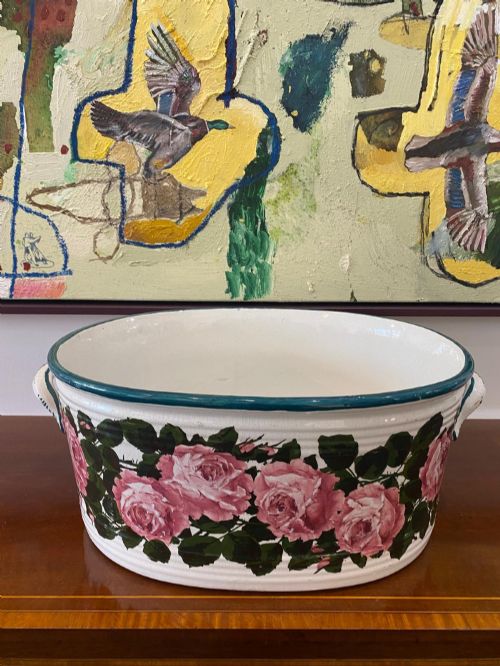
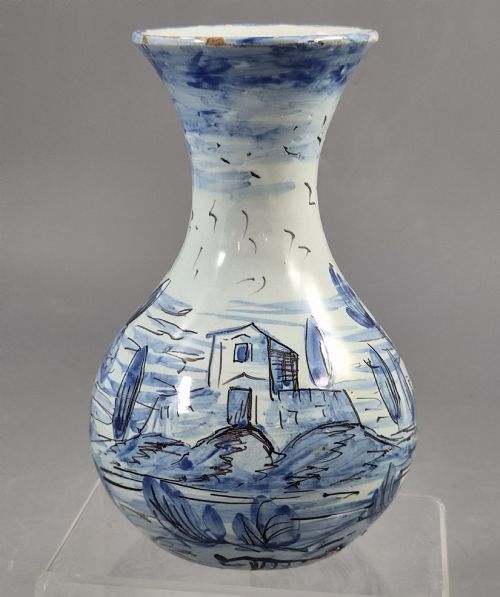
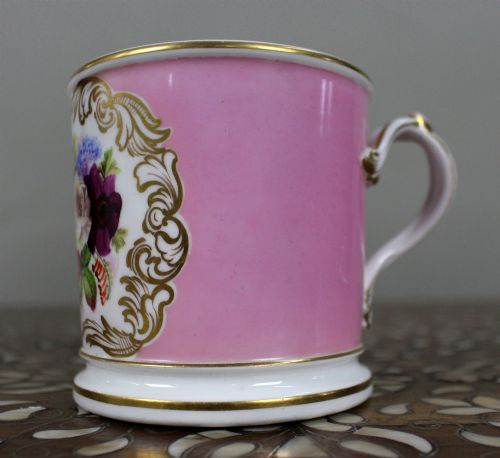
On this page, buyers regularly encounter nineteenth century English and continental European tableware, alongside Japanese export wares of the Meiji period that influenced domestic aesthetic taste. Forms vary from simple earthenware jugs and Gaudy Welsh pottery bowls to elaborate porcelain vases, moon flasks, and lidded potpourri jars.
Makers and decorator studios of the period utilised distinct regional bodies, such as bone china, soft paste porcelain, or heavy earthenware. Many items bear direct evidence of their origin through hand-applied signatures, factory marks, or stylistic traits associated with major nineteenth century potteries.
Materials and Techniques
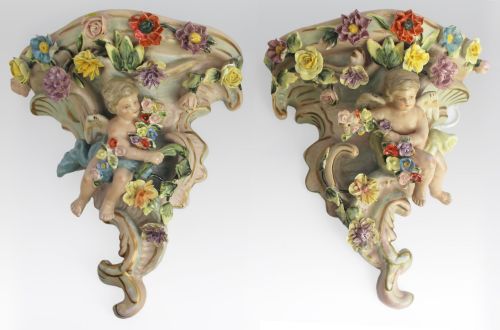
Potters shaped these objects from fine porcelain, earthenware, and faience, often throwing items on a wheel or pressing them into moulds to achieve bulbous forms, wall corbels, and footed bowls. Artisans then applied colourful enamel pigments directly onto the glazed or biscuit surface before a secondary firing fixed the painted design.
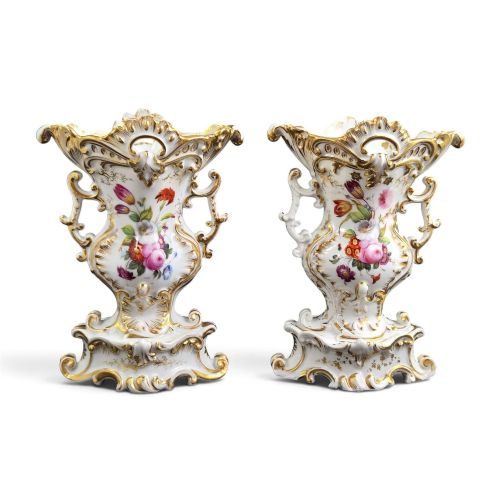
Gilding forms a major component of the craft, with craftsmen applying gold leaf, liquid gold gilt, and bronze accents to rims, handles, and borders to accentuate rococo relief moulding and geometric panels. Cobalt blue grounds, pink rose pompadour grounds, and black enamel grounds frequently serve as contrasting backgrounds for the polychrome painted motifs.
Listings feature porcelain, earthenware, and faience from the nineteenth century, incorporating aesthetic movement and rococo revival styles.
Quality Variations
Quality in these ceramics rests primarily upon the skill of the brushwork and the artistic ambition of the painted subject, ranging from repetitive factory floral sprays to finely detailed ornithological studies and narrative history scenes executed by named artists. The precision of the gilt work, the richness of the enamel colours, and the crispness of moulded relief details further divide standard production wares from exhibition pieces.
The sophistication of the ceramic body and glaze chemistry also separates output, as seen in the distinction between heavy commercial earthenware and translucent, thin walled porcelain bodies. Pieces bearing specific provenance, artist signatures, or attribution to notable European and English factories command greater consideration for their documented authorship.
Jacob Petit·Royal Worcester·Meissen Porcelain·Sitzendorf Vases·Volkstedt Rudolstadt Factory·Doulton Lambeth
The Victorian Hand Painted Ceramics Glossary
- Potpourri jar
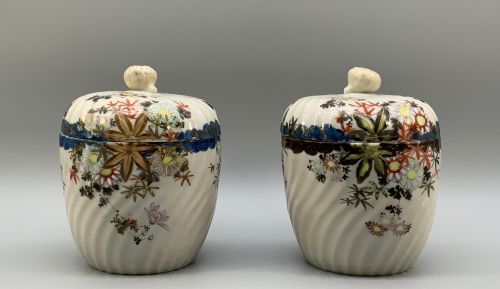
- A lidded vessel perforated to allow scented dried plant materials to fragrance a room. These often feature intricate hand painted floral panels.
- Moon flask
- A flattened circular flask with a short neck and two small handles, sitting on a footed base. They frequently display orientalist or floral decoration.
- Gilding
- The application of gold leaf or powdered gold onto the ceramic surface to highlight rims and decorative motifs. This technique was widely used during the nineteenth century.
- Faience
- Tin glazed earthenware decorated with opaque colours over a white glaze. Makers utilised this porous body for large decorative vases and chargers.
- Charger
- A large decorative plate intended for display on a wall or sideboard rather than dining use. They commonly feature detailed portraiture or landscape scenes.
Victorian Hand Painted Ceramics: Frequently Asked Questions
What are hand painted Victorian ceramics?
These items are nineteenth century pottery and porcelain pieces decorated by hand with enamel colours, gilding, and detailed pictorial subjects.
They include utilitarian tableware, decorative cabinet plates, figures, and large display vases produced across Europe and Asia during the Victorian era.
How were these decorative ceramics used?
Many of these objects served as parlour ornaments, mantelpiece garnitures, and cabinet display pieces rather than functional tableware.
Certain forms like potpourri jars and apothecary jars held practical domestic and medicinal contents before becoming purely decorative items.
How do I identify different nineteenth century styles?
Stylistic periods can be discerned through form, colour palettes, and ornamental motifs such as rococo scrolls, aesthetic movement asymmetry, or classical revival framing.
Factory marks, registration diamonds, and artist signatures stamped or painted on the underside provide definitive chronological markers.