


19th Century Ceramic Plates
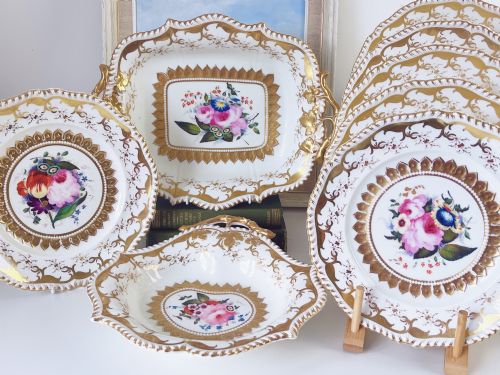
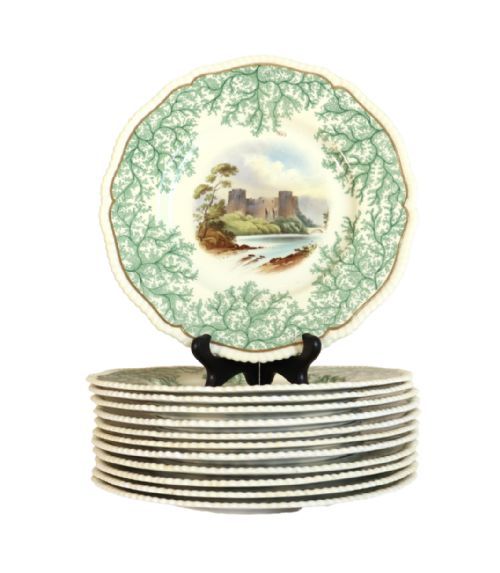
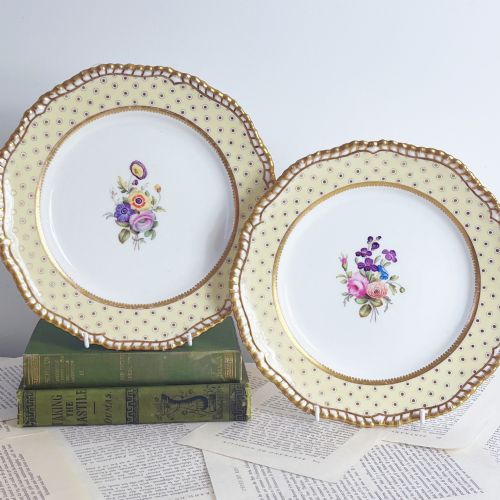
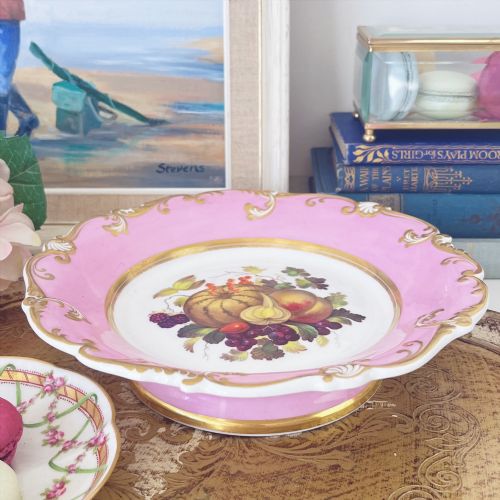
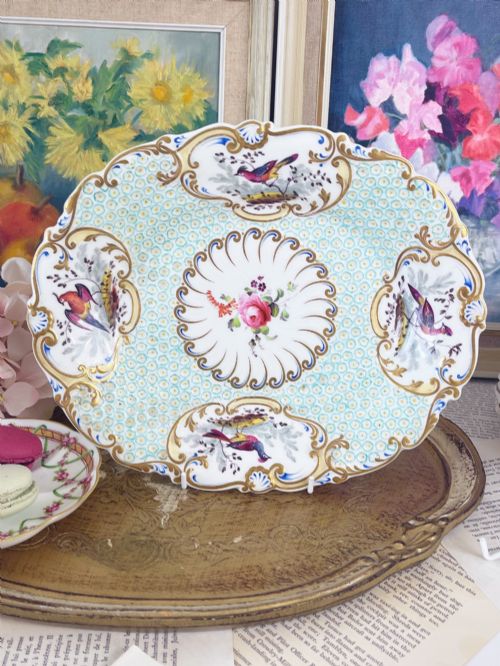
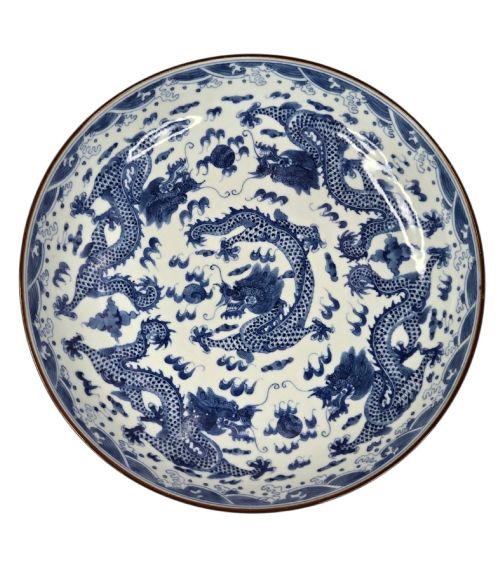
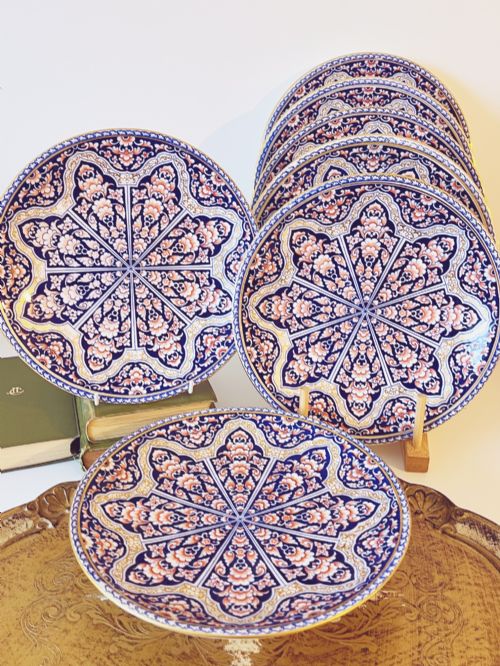
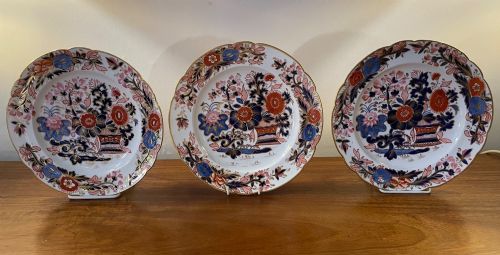
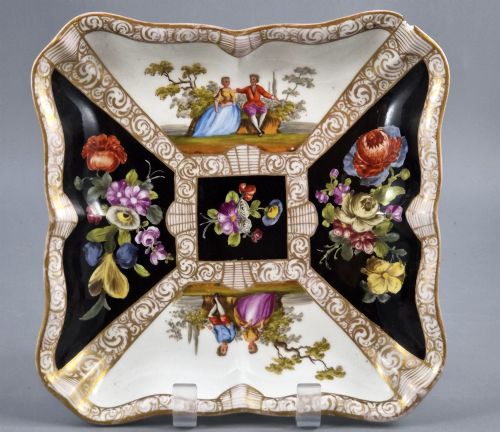
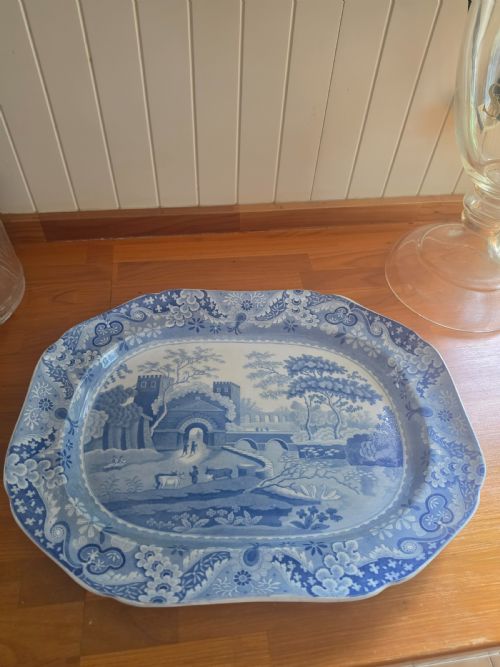
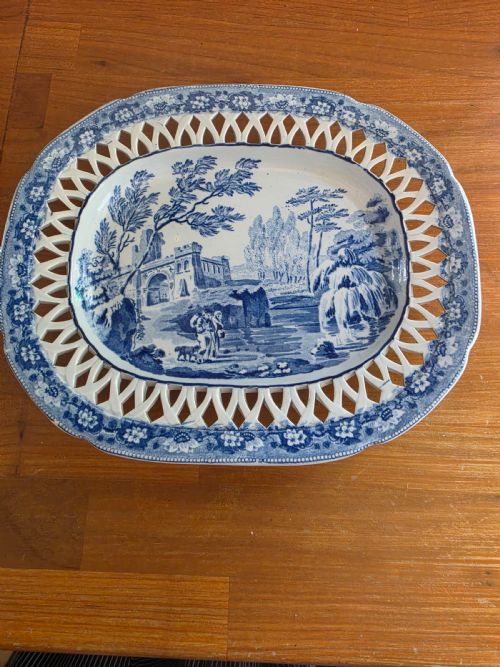
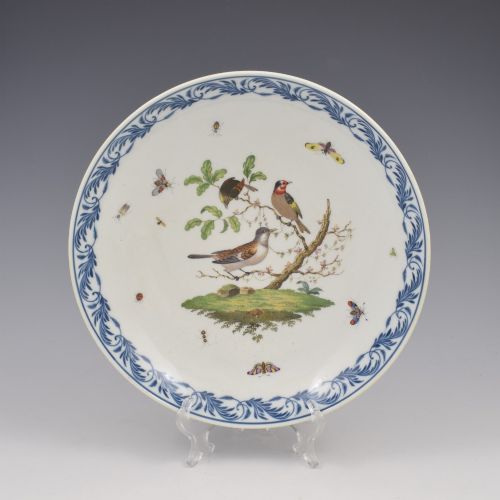
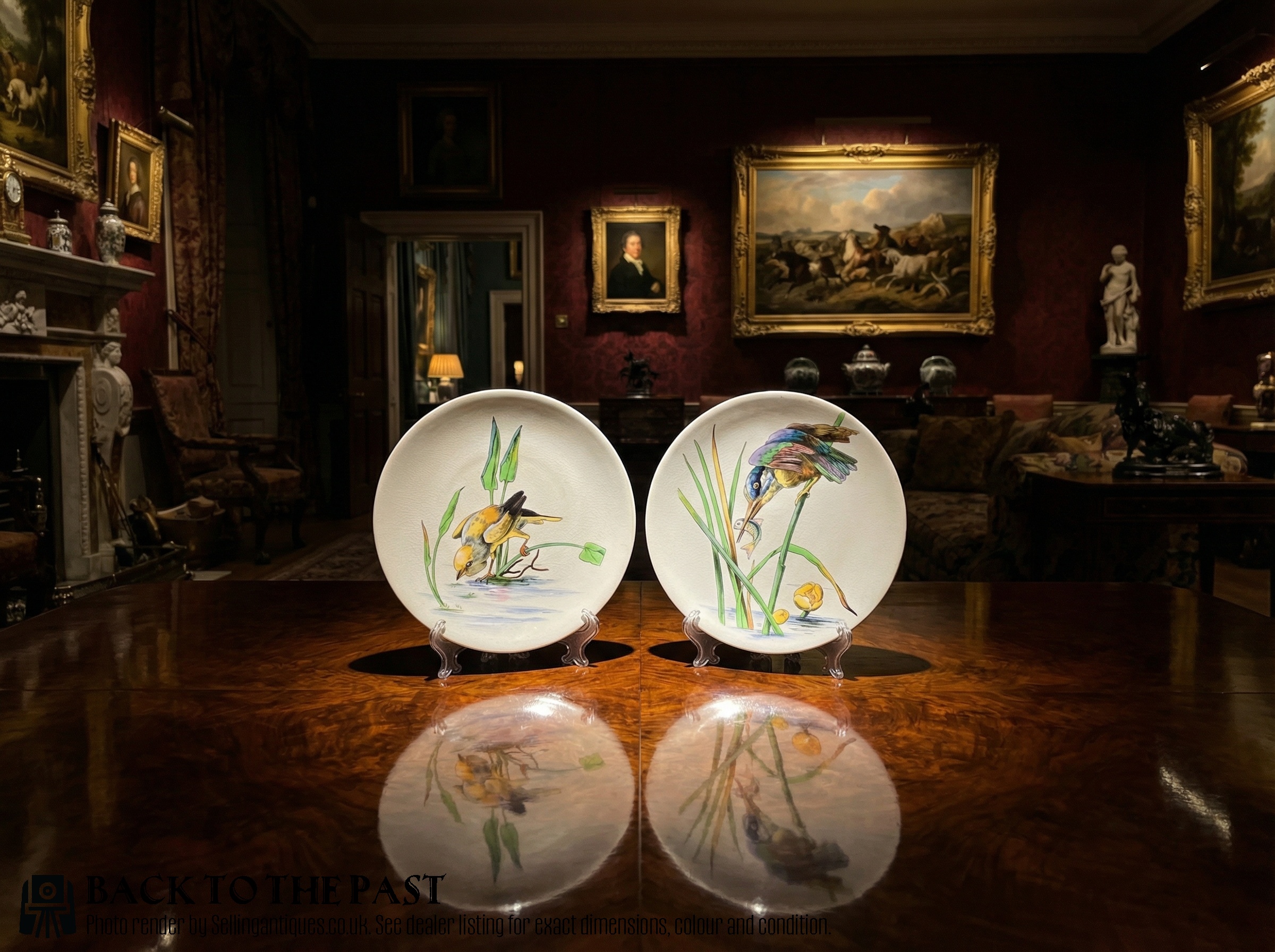
These 19th century ceramic plates bring handpainted botanical scenes, deep blue and white transfers, and rich Imari palettes straight to the dining table or wall.
19th Century Ceramic Plates
When searching for 19th century ceramic plates, a buyer encounters everything from single cabinet specimens to extensive dessert services and large decorative chargers. The selection spans domestic English earthenwares and porcelains alongside continental European works and imported East Asian wares.
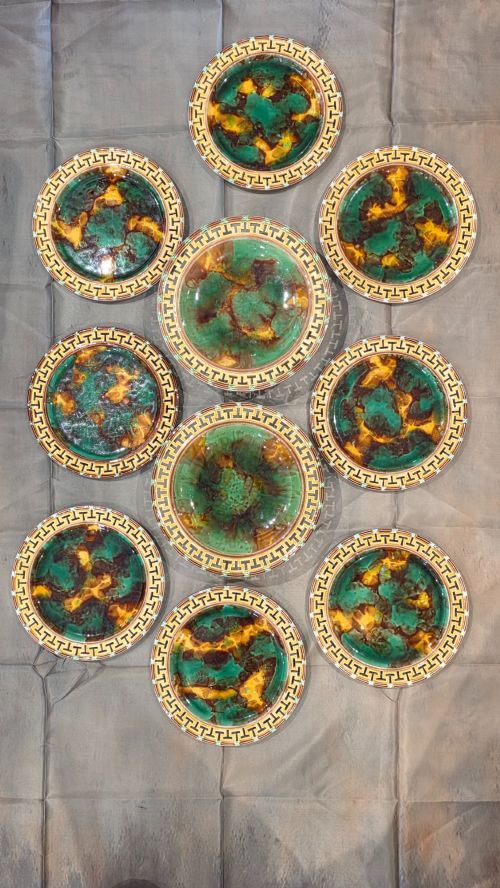
The English examples most frequently met here range from early Regency transfer-printed blue and white meat platters to mid-Victorian Majolica dessert pieces and detailed floral compositions by established potteries. Alongside these sit Japanese Imari chargers and Chinese export porcelain dishes spanning the same hundred-year span.
How they were made
Potters shaped porcelain, earthenware, and felspar bodies on wheels or pressed them into moulds before applying foundational glazes. Surface decoration relied heavily on handpainted enamels, transfer printing in blue, and applied gold leaf or gilding.
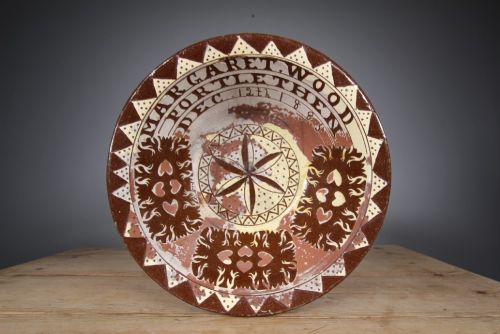
Many items required multiple firings in kilns to fix underglaze pigments and overglaze enamel colours or metallic leaf securely. Majolica and slipware pieces utilised specific coloured lead glazes and slip trailing techniques to build textured, glossy surfaces.
Bears, crabs, and sea-weed share shelf space with formal armorial crests and battle scenes across these historic plates.
What varies in quality
Quality rests upon the crispness of the transfer print, the precision and artistic ambition of the handpainting, and the preservation of the original gilding or enamel colours. Pieces featuring named botanical studies, ornithological subjects, or armorial crests generally demonstrate superior studio execution.
The weight, ringing tone, and translucency of the porcelain body, along with the evenness of the glaze application, distinguish standard domestic wares from exhibition-grade cabinet plates and large decorative chargers.
Grainger Lee And Co·Spode·H And R Daniel·Wedgwood·Royal Crown Derby·Meissen·Davenport·Hicks And Meigh·Minton·Copeland·Barr Flight And Barr Worcester
The 19th Century Ceramic Plates Glossary
- Charger
- A large decorative plate or dish intended for display on a wall or sideboard rather than daily dining use.
- Comport
- A raised dish or bowl, often part of a dessert service, used to elevate fruit or sweetmeats above the table surface.
- Majolica
- A colourful Victorian lead-glazed earthenware characterised by modelled naturalistic forms and vibrant opaque coloured glazes.
- Felspar
- A modified type of porcelain body developed in the early nineteenth century to increase durability and whiteness.
- Imari
- A decorative style inspired by Japanese export wares, combining underglaze blue with iron red, green, and gilt highlights.
- Slipware
- Pottery decorated with liquid clay slip applied before firing, creating smooth or slightly raised linear patterns.
19th Century Ceramic Plates: Frequently Asked Questions
How do I display a large ceramic charger safely?
Large chargers require secure wall mountings utilising expanding spring clips designed specifically for heavy earthenware or porcelain edges. Alternatively, sturdy metal plate stands support them safely on sideboards or mantels.
Ensure the display location avoids direct sunlight and heavy foot traffic vibrations to protect the glaze and body over time.
Were these plates used for daily dining?
Many sturdy earthenware and ironstone pieces served practical dining purposes in nineteenth-century households. Transfer-printed meat plates and dinner services saw regular use in the dining room.
More delicate porcelain cabinet plates, gilt dessert services, and large decorative chargers remained reserved for formal entertaining or ornamental display.
How can I tell English pieces from continental imports?
English pieces often feature factory marks, pattern numbers, or impressed registry diamonds indicating domestic registration dates. Their bodies typically rely on bone china, felspar, or refined earthenware.
Continental porcelain and East Asian imports frequently display distinct paste characteristics, unglazed foot rims, or characteristic enamelling palettes associated with Paris or overseas export centres.
Can I use an antique dessert service for food?
Historic dessert plates and comports can accommodate dry foods, fruit, or light sweets during special occasions. Handwashing in warm water using mild soap preserves the delicate enamel and gilt decoration.
Dishwashers and harsh detergents must be avoided entirely, as they permanently damage nineteenth-century overglaze painting and fragile metallic gilding.