





Blue Ceramic Display Plates
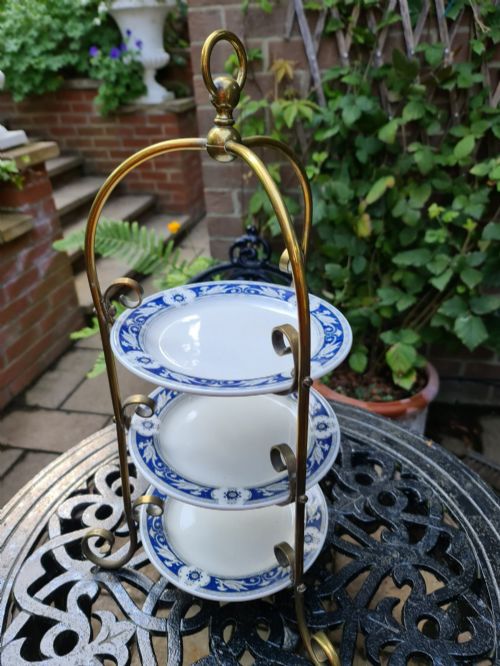
These blue ceramic display plates bring hand-painted cobalt patterns and rich earthenware forms to modern walls and dresser rails.
Blue Ceramic Display Plates
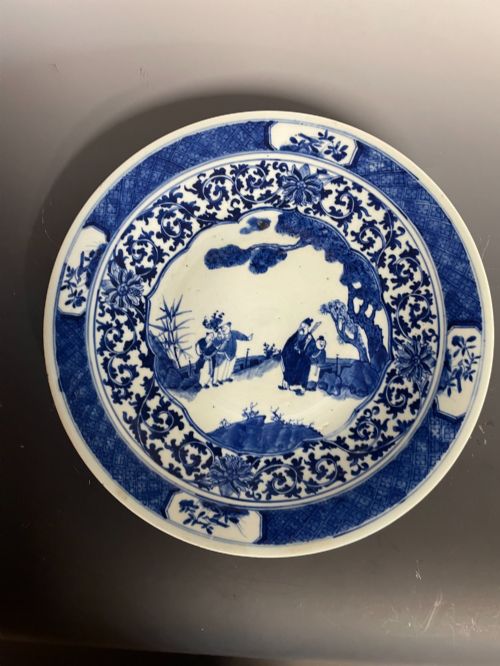
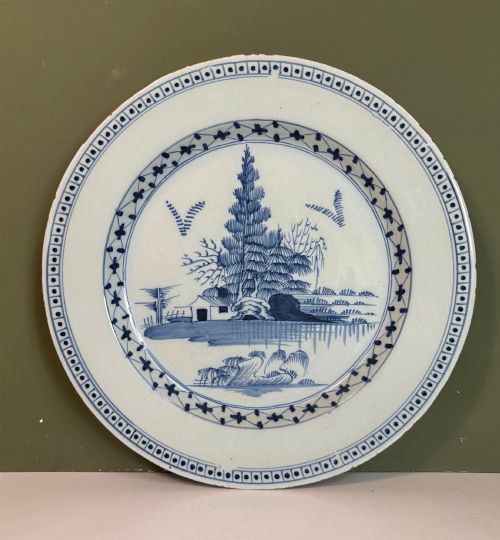
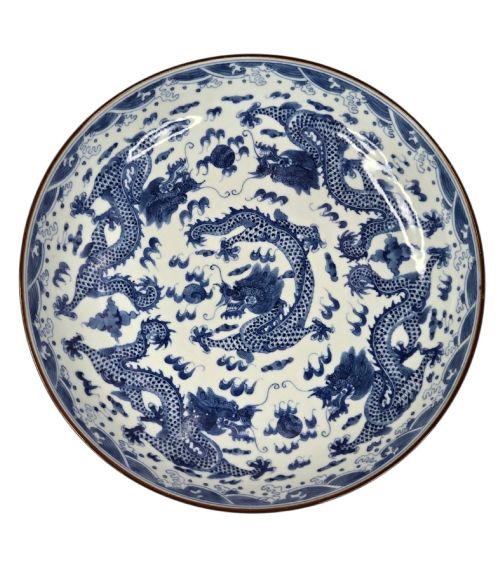
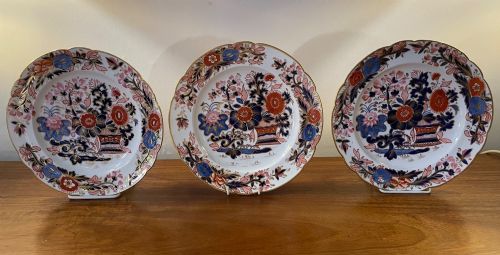
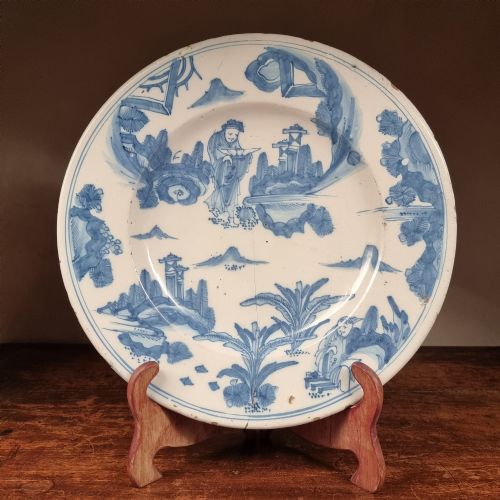
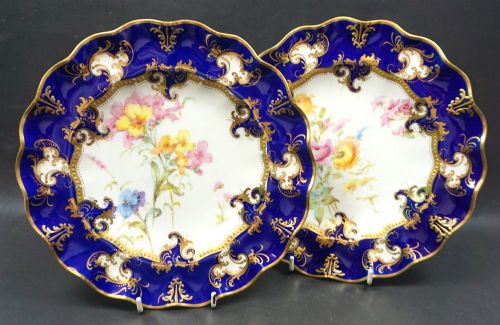
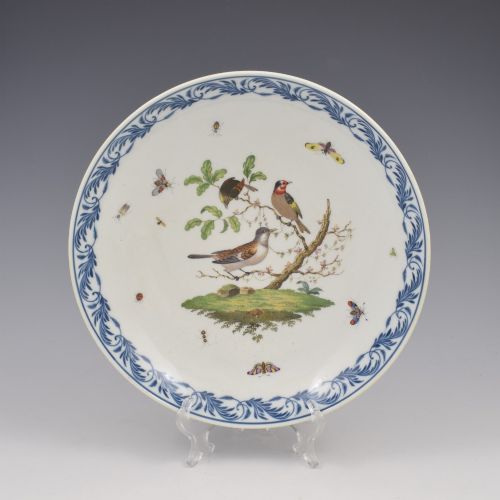
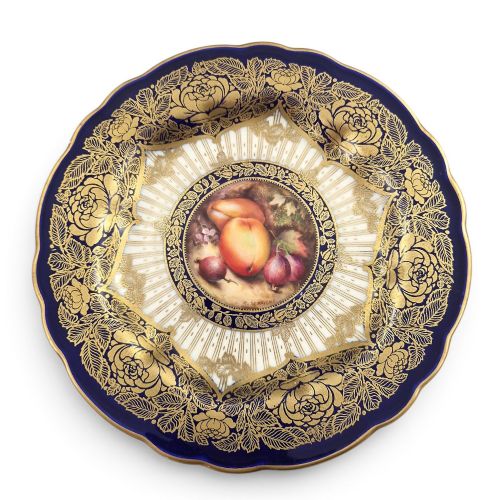
Blue ceramic display plates encompass a diverse range of decorative chargers, cabinet plates, and dishes originating from 17th-century Delftware to 20th-century English porcelain. Buyers searching this phrase meet everything from large Japanese Imari chargers to Staffordshire earthenware and Royal Worcester painted fruit pieces.
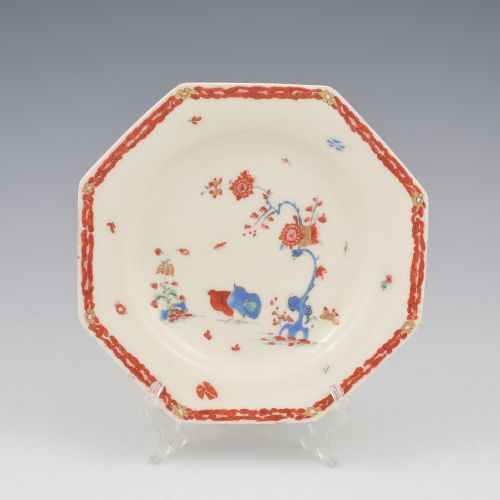
The selection leans heavily toward historic tableware adapted for vertical display or cabinet presentation. Pieces vary from octagonal Bow porcelain and Dutch Delft chargers to Victorian transferware depicting scenes like the Death of the Bear.
How they were made
Potters utilised tin-glazed earthenware, porcelain, and ironstone, applying cobalt underglaze, enamel pigments, and occasional gold leaf. Decorations on these ceramics were hand-painted or executed through early transfer printing techniques.
Firing methods varied across centuries, resulting in characteristic crazing on earthenware bodies and crisp translucency on fine porcelain chargers.
Materials across the inventory include earthenware, porcelain, ironstone, and tin-glazed bodies decorated with cobalt.
What varies in quality
Quality rests in the precision of the hand-painting, the clarity of the cobalt underglaze, and the crispness of moulded edges on scalloped or octagonal forms. Superior examples display confident brushwork and balanced compositions without heavy kiln distortion.
The distinction between standard domestic wares and high-tier cabinet plates lies in the artistic execution of the painted subject, such as detailed ornithological studies or intricate Japanese Imari motifs.
Royal Crown Derby·Royal Worcester·Meissen·Bow Porcelain·Stubbs
The Blue Ceramic Display Plates Glossary
- Charger
- A large decorative plate traditionally used for ceremonial dining or wall display rather than everyday service. These substantial vessels often anchor a collection.
- Cobalt Underglaze
- A blue pigment applied to ceramic bodies prior to glazing and high-temperature firing, ensuring the colour remains permanent under the glossy surface.
- Transferware
- Earthenware decorated by applying a printed design from a copper plate onto tissue paper and then onto the ceramic body. This technique allowed intricate topographical scenes to be mass-produced.
- Tin-Glazed Earthenware
- Pottery covered with an opaque white glaze containing tin oxide, providing a smooth canvas for painted blue designs in styles such as Delftware.
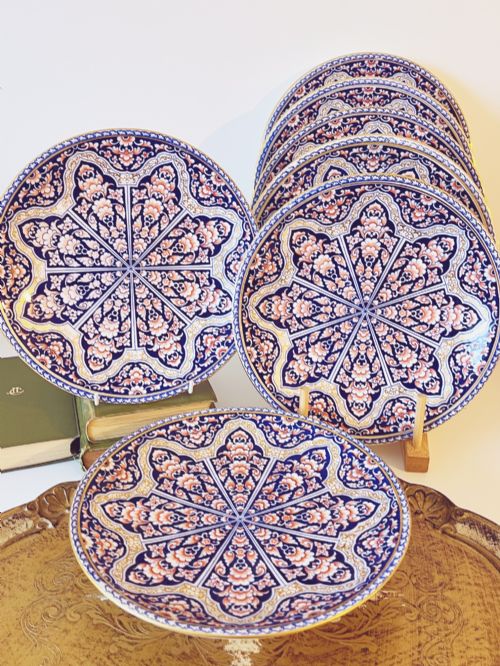
- Imari Palette
- A decorative scheme originating in Japan utilising cobalt blue, iron red, and gold, which heavily influenced European porcelain manufacturers.
Blue Ceramic Display Plates: Frequently Asked Questions
How do I hang antique plates safely?
Use coated wire spring hangers that distribute pressure evenly across the rim without scratching the glaze. Ensure the wall fixings match the weight of heavier chargers.
Avoid adhesive discs on historic earthenware as the backing can damage porous tin-glazed surfaces over time.
Are these plates meant for dining?
Most pieces categorized as cabinet plates or large chargers served decorative or display functions rather than practical table use. Historic wear patterns often indicate whether a piece saw active service.
Delicate enamel and gold leaf details found on many examples mean modern dining is generally discouraged.
How do I clean antique ceramic plates?
Dust surfaces gently with a dry, soft microfiber cloth to remove everyday particles. Avoid submerging porous earthenware or pieces with old repairs in water.
Harsh chemical detergents strip delicate overglaze enamels and gold leaf decorations permanently.