


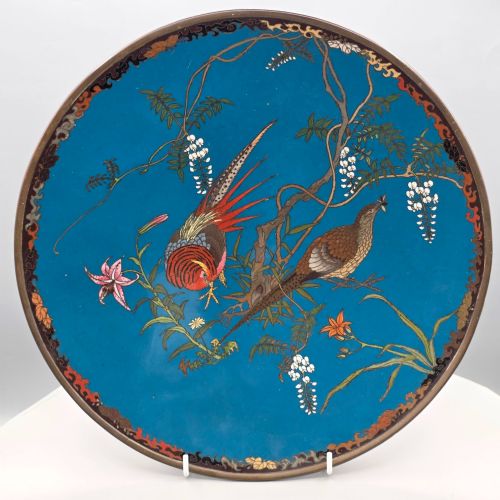

Antique Wall Charger
An antique wall charger brings bold scale and painterly narrative directly to a vertical surface, offering rich historic character.
Antique Wall Charger
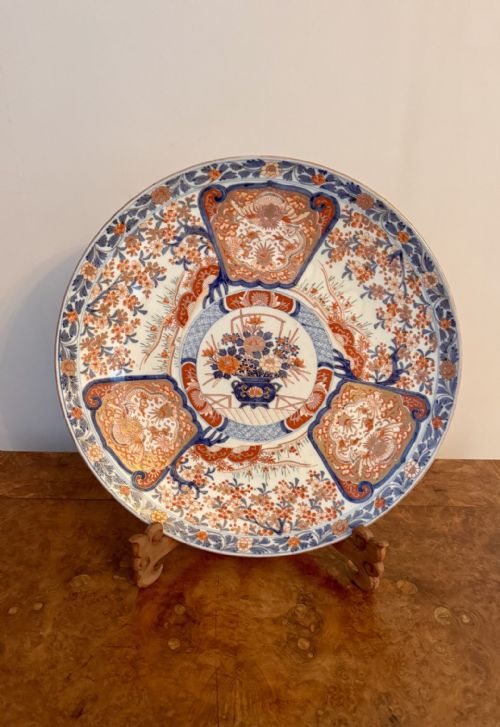
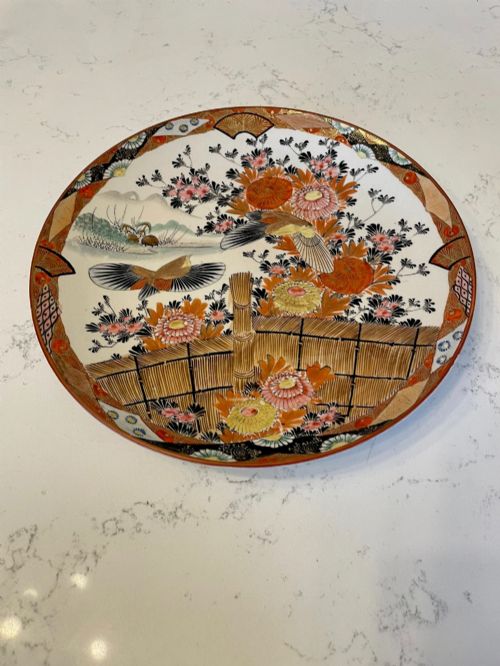
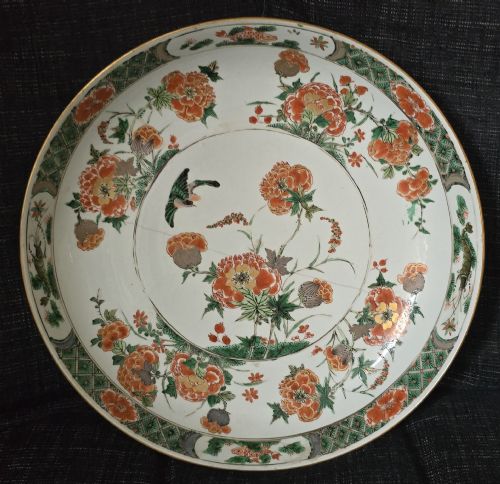
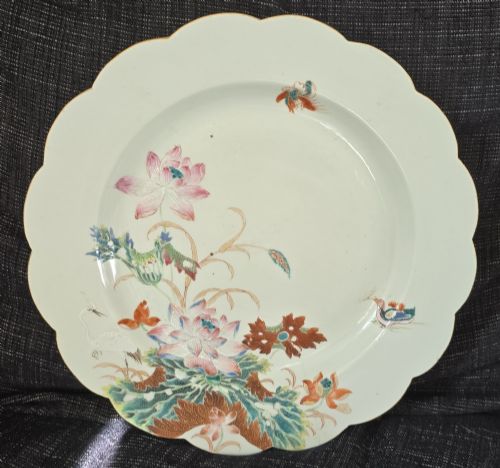
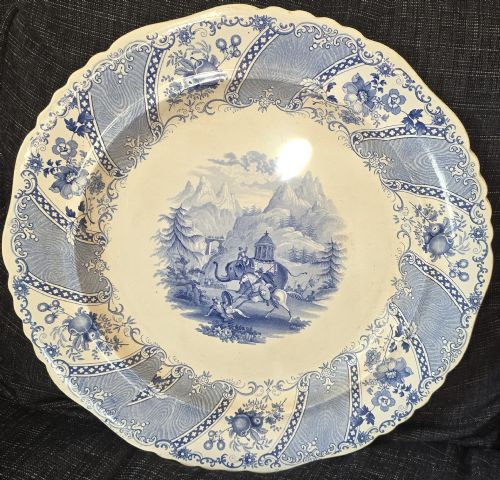
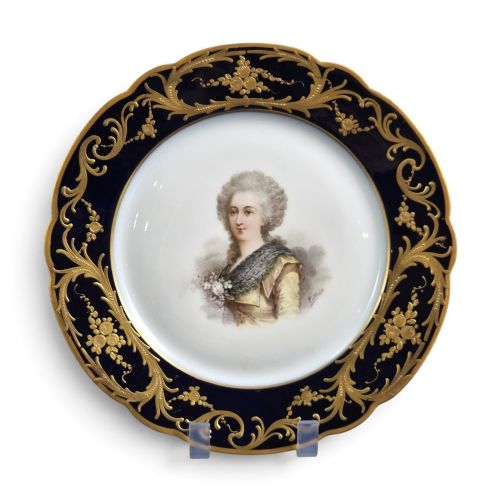
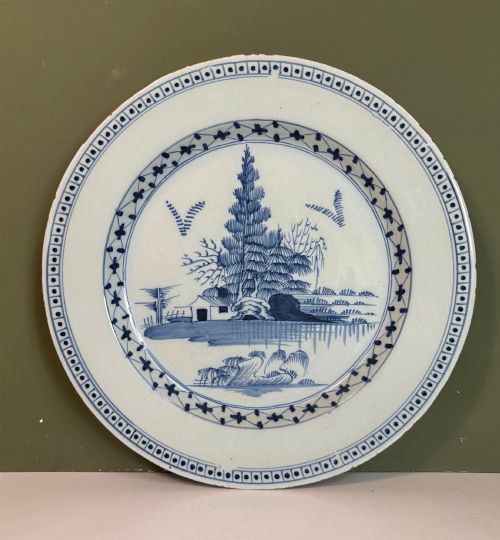
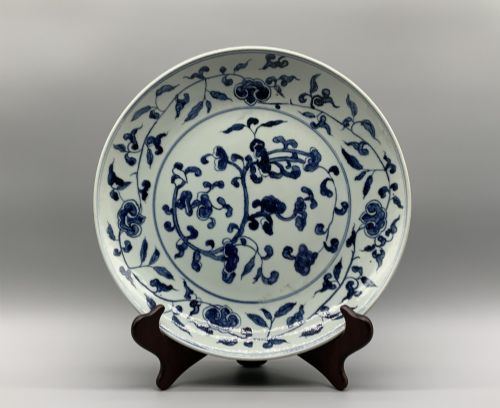
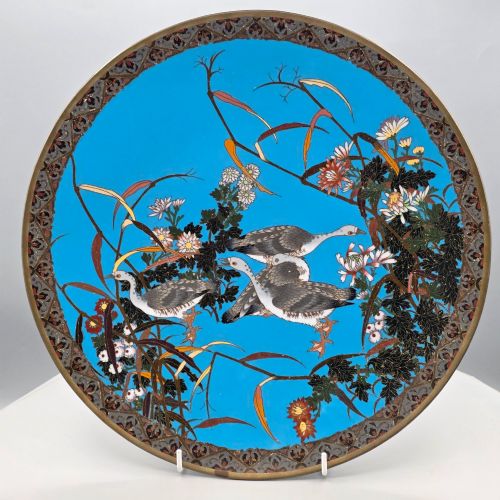
An antique wall charger represents large-format decorative plates and dishes originally designed for display on sideboards or walls, spanning centuries of global ceramic and metal traditions. Buyers searching for an antique wall charger encounter substantial earthenware, porcelain, and copper pieces featuring hand-painted scenes, intricate metalwork, or bold cobalt patterns.
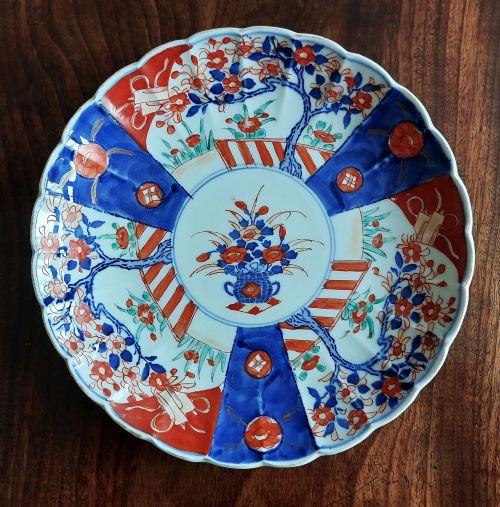
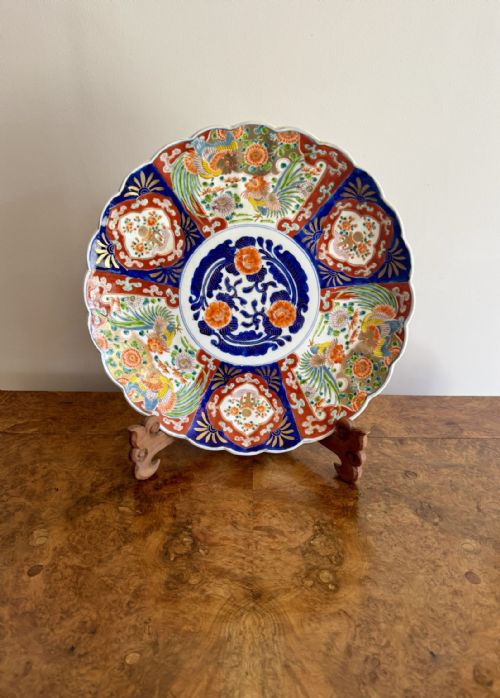
The selections on this page draw heavily from eighteenth-century Delftware, nineteenth-century Japanese Meiji Imari wares, and European tin-glazed earthenwares. These forms range from deep circular dishes to wide plaques, each carrying the distinct aesthetic of its period and origin.
How they were made
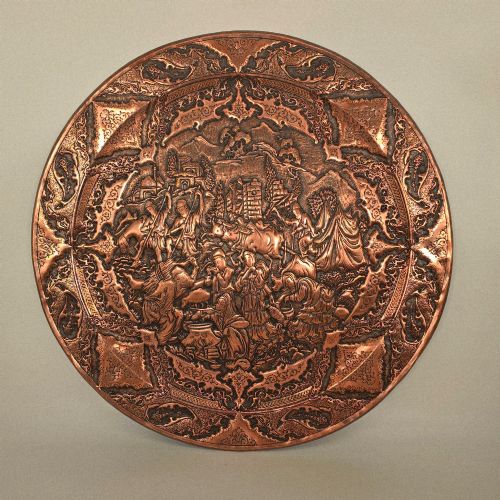
Potters and artisans formed these large vessels using traditional throwing and moulding techniques in clay, porcelain, or metal before applying tin-glazes, enamel, or hand-painted mineral pigments. Copper and iron examples often involved repoussé work, hammering designs from the reverse to create raised relief details.
Firing took place in traditional kilns, where cobalt blue, polychrome enamels, and gold leaf were fused onto the surface. Many metal pieces also received patinated finishes, silver inlay, or gold leaf applications to accentuate the engraved motifs.
Several seventeenth-century dishes quietly document centuries of domestic admiration through their worn, smoke-kissed glazes.
What varies in quality
Quality rests upon the crispness of the hand-painted brushwork and the precision of the modelling, particularly in portraiture, floral motifs, and complex Japanese Imari or Chinese export designs. Superior examples display confident, fluid lines and harmonious colour palettes that hold the eye across a room.
The depth and execution of the material manipulation also dictate worth, whether seen in the fine detail of repoussé metalwork or the smooth, even coverage of tin-glazes and enamel on porcelain and earthenware bodies.
Royal Crown Derby·Royal Worcester·Mettlach
The Antique Wall Charger Glossary
- Charger
- A large decorative plate or dish traditionally meant for display rather than dining. These wide surfaces provide ample canvas for elaborate painted or embossed designs.
- Tin-Glazed Earthenware
- Pottery coated with an opaque white tin-oxide glaze that accepts painted pigments directly onto the raw surface. This technique defines European Delftware and maiolica.
- Imari
- A style of Japanese porcelain featuring a distinct palette of underglaze blue, iron red, and gold. These pieces were heavily exported to Europe from the Meiji period onwards.
- Repoussé
- A metalworking technique where the artisan hammers the design from the reverse side to form raised relief on the front. It is frequently seen on copper and mixed metal wall plates.
- Cloisonné
- An enamelwork technique where fine metal wires form raised partitions on a base to hold coloured glass pastes before firing. It creates vibrant, compartmentalized surface patterns.
Antique Wall Charger: Frequently Asked Questions
How were antique wall chargers displayed?
Historic interiors often utilised heavy plate rails, sideboards, or direct wall fixings to showcase large decorative dishes. Their generous scale made them primary focal points in dining rooms and halls.
Today, modern display requires specialised wall-mounting springs or plate hangers designed to securely grip the heavy rims of earthenware and metal chargers without causing damage.
What is the difference between Delftware and Imari chargers?
Delftware typically consists of tin-glazed earthenware featuring blue and white or polychrome Chinoiserie and floral motifs originating from European workshops. The aesthetic leans toward opaque white surfaces with fluid cobalt painting.
Japanese Imari chargers utilise porcelain bodies decorated with intense underglaze blue, vibrant iron red, and gilt highlights. They reflect distinct Asian export traditions and Meiji period craftsmanship.
How do I identify a copper repoussé charger?
Copper repoussé chargers feature raised metallic ornamentation pushed out from the reverse side of the plate using specialised hammers and punches. Closer inspection reveals hollows on the back corresponding to the raised motifs on the front.
These pieces often display patinated surfaces, engraved details, and historical portraiture rather than ceramic glazes.
Can antique wall chargers be hung safely?
Hanging these pieces safely depends on utilising coated wire plate hangers sized precisely to the diameter and rim depth of the specific charger. Ensuring the wall fixing anchors securely into solid masonry or studwork is essential.
Periodic checks of the tension in the metal springs help maintain a secure grip over time.