






Chinoiserie Decorative Platter
These chinoiserie decorative platter selections unite Eastern-inspired motifs with European ceramics, ironstone, and papier-mâché, offering striking display pieces for your interior.
Chinoiserie Decorative Platter
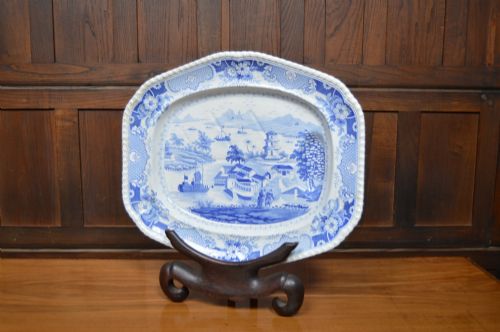
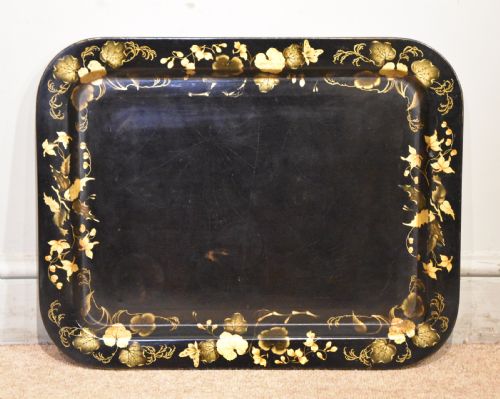
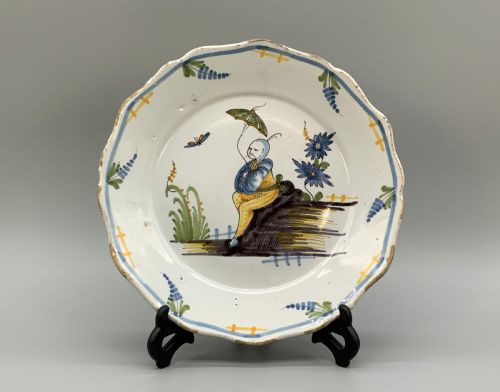
When you search for a chinoiserie decorative platter, you encounter a varied assortment of chargers, large serving plates, and trays adorned with motifs inspired by East Asian art. The examples gathered here span several centuries, including pieces from the Georgian, Regency, and Victorian eras.
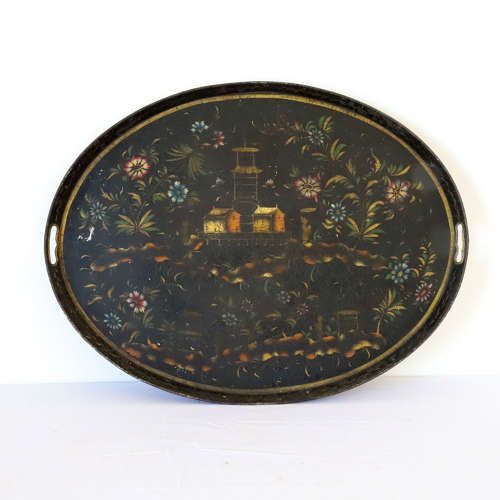
Forms vary from broad charger plates designed for wall display or sideboard presentation to oval serving trays intended for domestic use. Each piece reflects the enduring European fascination with Chinese and Japanese design idioms.
How they were made
Makers utilised ceramic bodies such as ironstone, stoneware, and earthenware, often applying glazes and hand-painted or transfer-printed decoration in blue and white or polychrome palettes. Ironstone provided a durable surface suited to heavy chargers and serving plates.
Papier-mâché items required layered paper pulp pressed into moulds, sealed, and finished with dark lacquer and gold leaf gilding. Toleware trays involved painted tinplate, while faience and Delft pieces relied on tin-glazed earthenware bodies.
Exotic birds peer out from bright orange and yellow grounds on nineteenth-century ironstone chargers, proving that restraint was occasionally abandoned.
What varies in quality
The fineness of the hand-painted brushwork and the complexity of the exotic bird or landscape scenes distinguish standard production items from superior examples. Crisp transfer printing and rich gilding on papier-mâché indicate skilled workshop output.
The weight, stability, and preservation of the underlying ceramic body or lacquer surface determine the desirability of each piece. Intact surfaces with minimal wear to the gold leaf or enamel retain their visual impact.
John Ridgway·Mason·Minton·Spode·Clay
The Chinoiserie Decorative Platter Glossary
- Charger
- A large decorative plate or platter traditionally used on sideboards or hung on walls rather than for dining. These substantial pieces display prominent pictorial scenes.
- Ironstone
- A patented ceramic material developed in the nineteenth century for durability and strength. It provides a dense white body that accepts colourful enamel glazes well.
- Papier-mâché
- A composite material made from paper pulp mixed with binders, pressed and dried to form rigid objects. Makers finished these pieces with deep black lacquers and gold leaf.
- Toleware
- Painted or enamelled metalware, typically tinplate, shaped into trays and decorative vessels. It offers a smooth dark ground for applied decorative motifs.
- Transferware
- Pottery decorated by applying a printed design from an engraved copper plate onto a ceramic surface using paper. This technique allowed uniform patterns like blue and white landscapes to be produced efficiently.
Chinoiserie Decorative Platter: Frequently Asked Questions
What is a chinoiserie decorative platter?
It is a large plate, charger, or tray decorated with European interpretations of Chinese and Japanese artistic styles. These pieces often feature exotic birds, garden landscapes, and intricate floral borders.
They appear across various materials including ironstone, earthenware, lacquer, and papier-mâché, reflecting changing interior tastes from the eighteenth century onwards.
How were chargers used historically?
Historically, large chargers served grand dining tables or stood upright on sideboards to display wealth and fine craftsmanship. Over time, many transitioned into pure wall decoration.
Their substantial size made them ideal canvases for elaborate blue and white transfer printing or vibrant polychrome enamels.
How do I care for antique trays and chargers?
Keep ceramic chargers and papier-mâché trays away from direct sunlight and excessive moisture to protect the glazes and delicate gold leaf. Dust them gently with a dry, soft cloth.
Avoid using abrasive cleaners or immersing lacquered items in water, as this damages the historical surface finishes.
How can I tell the period of a piece?
Dating relies on identifying the material, maker's marks, and the specific ceramic body used, such as early ironstone or nineteenth-century earthenware. Stylistic details like Regency papier-mâché forms or Victorian blue and white transfer patterns provide further clues.
Comparing the glaze characteristics and manufacturing techniques helps place an object within its correct historical decade.