


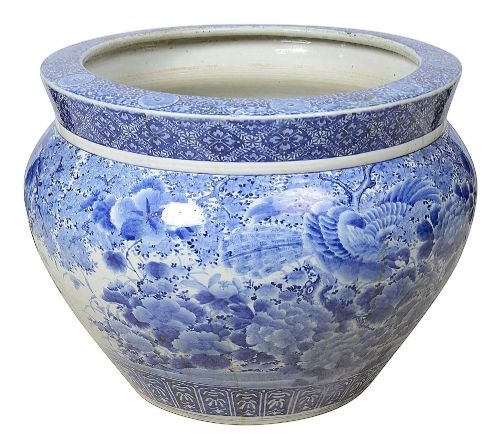
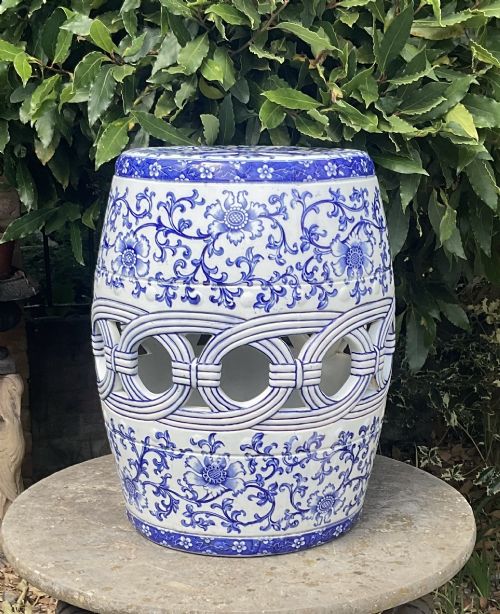
Vintage Blue White Ceramics
These vintage blue white ceramics bring together centuries of global kiln traditions, offering domestic utility and cabinet display alike.
Vintage Blue White Ceramics
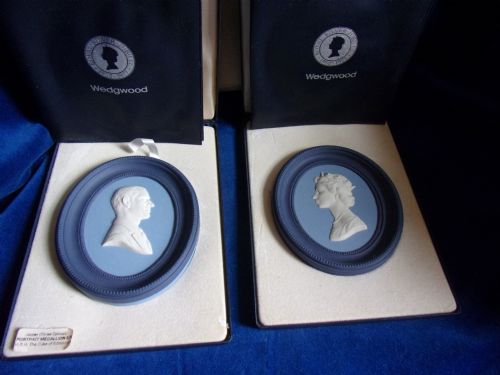
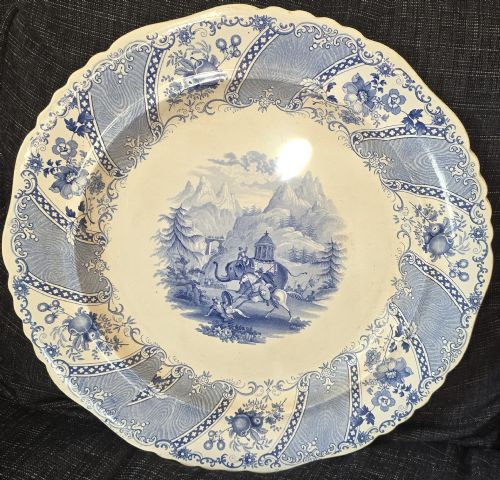
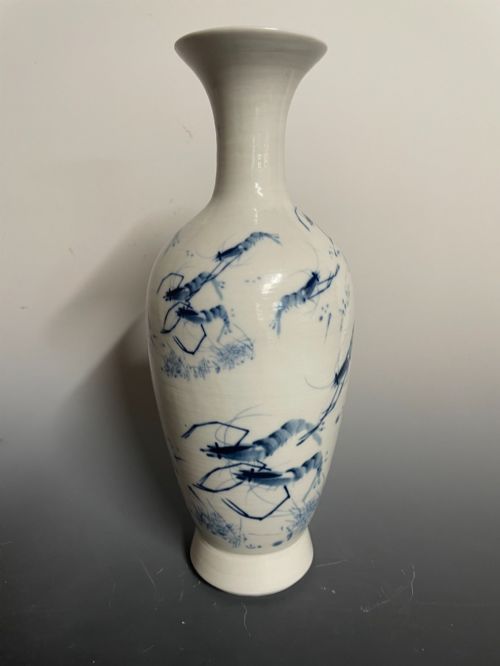
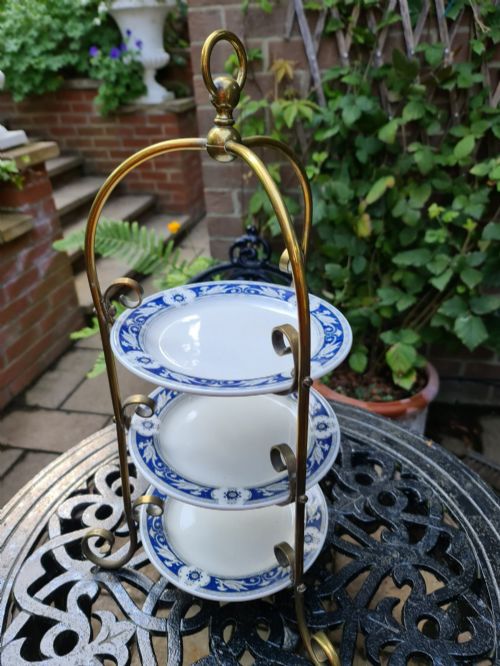
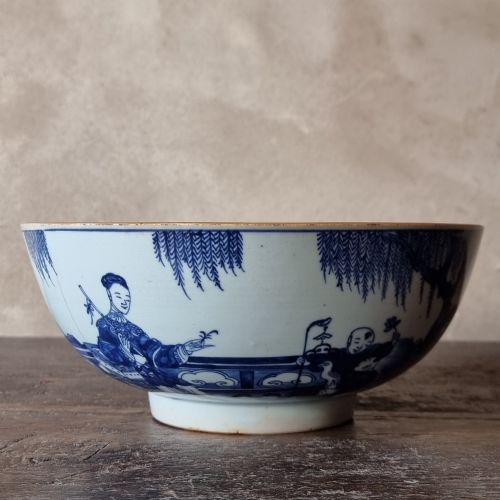
Vintage blue white ceramics encompass centuries of earthenware, porcelain, and ironstone vessels originating from British, European, and Asian potteries. Buyers seeking vintage blue white ceramics find everything from nineteenth-century transferware tureens and platters to eighteenth-century Dutch delft chargers and Chinese export porcelain.
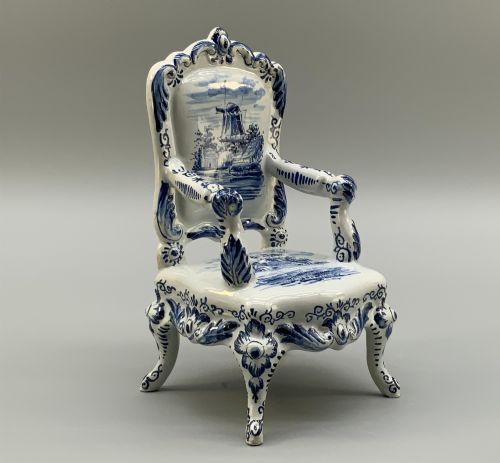
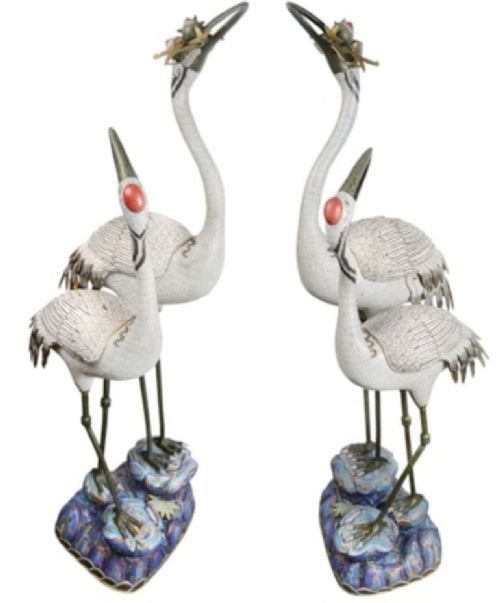
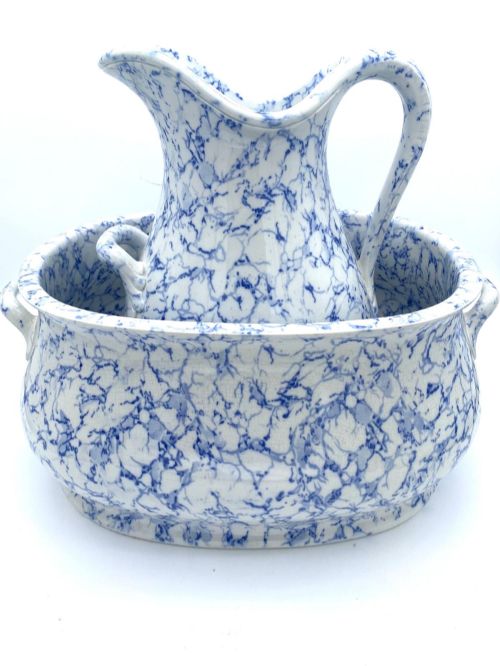
The selection frequently includes table lamps, decorative bowls, garden seats, and commemorative jugs alongside traditional wall plates and serving dishes. Domestic vessels like footbaths, cheese dishes, and sauceboats appear alongside ornamental figures and miniature furniture pieces.
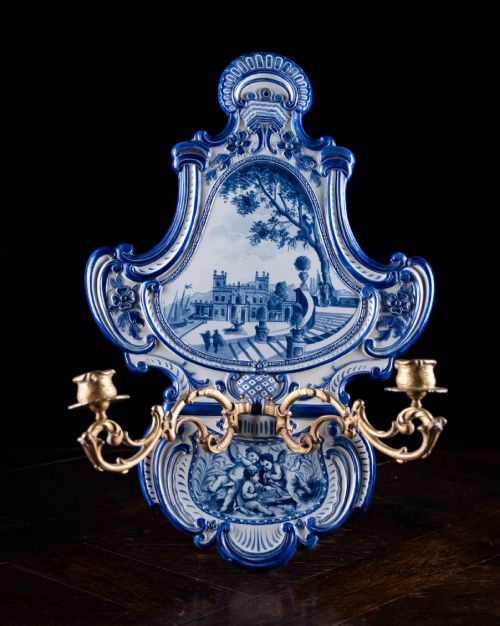
Continental faience, Japanese Imari ware, and Staffordshire pottery expand the category beyond domestic British wares into broader international traditions. These objects bridge the gap between functional kitchenware and formal interior decoration.
Materials and Techniques
Potters utilised earthenware, ironstone, and porcelain bodies, applying cobalt underglaze pigments or tin glazes before firing the pieces in kilns. Transfer printing techniques allowed factories to apply intricate pictorial scenes, such as Canton River views or temple landscapes, directly onto the clay bodies.
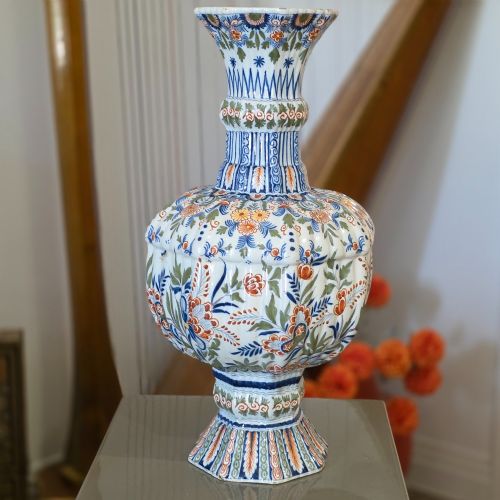
Hand-painted tin-glazed earthenware relied on opaque white glazes that absorbed cobalt brushwork before a final protective gloss firing. Ironstone offered a heavier, more durable ceramic body suited to utilitarian jugs, basins, and large serving platters.
Several ceramics in the collection have been repurposed as domestic lighting, featuring nineteenth-century vases and jars converted thoughtfully into table lamps.
Gradations in Quality
Quality rests upon the crispness of the cobalt application, the stability of the white glaze, and the precision of the potter's moulding. Finer pieces display sharp transfer details or controlled brushwork without blurring or pooling in the glaze.
The weight, resonance, and structural integrity of the ceramic body distinguish standard utilitarian vessels from exhibition-grade cabinet pieces produced by notable nineteenth-century factories.
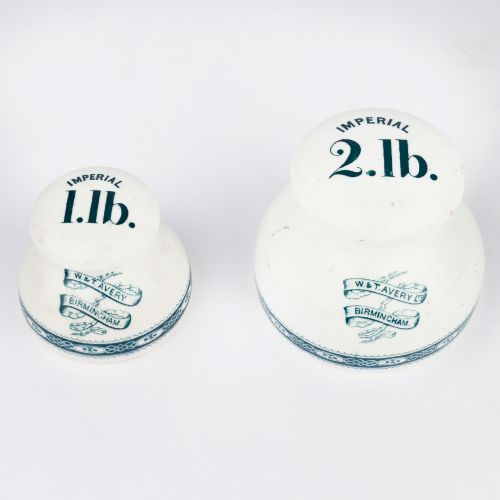
W & T Avery·Minton·Villeroy & Boch·Spode·Robert Hamilton·John Rogers & Son·Royal Worcester·Hicks and Meigh·Quimper French Faience·Desvres French Faience·John and Richard Riley·T G Green·Masons Ironstone
The Vintage Blue White Ceramics Glossary
- Transferware
- Earthenware or ironstone decorated by applying a printed design from a copper plate onto paper, then transferring it to the ceramic body before glazing. This technique enabled factories to produce complex pictorial patterns efficiently.
- Tin-Glazed Earthenware
- Pottery coated with a glaze containing tin oxide, which fires to an opaque white surface suitable for direct painting in cobalt blue. Dutch delftware and French faience utilise this method.
- Ironstone
- A dense, durable type of heavy ceramic patented in the nineteenth century to rival true porcelain. It resists chipping and formed the sturdy base for large jugs, basins, and dinner services.
- Cobalt Underglaze
- Pigment applied to the raw or bisque ceramic body prior to glazing and high-temperature firing, ensuring the blue colour fuses permanently beneath the glossy surface.
Vintage Blue White Ceramics: Frequently Asked Questions
How do I date an old blue and white plate?
Dating relies on identifying backstamps, ceramic bodies, and stylistic clues within the blue transfer pattern. Potters often changed their factory marks with successive generations or monarchical reigns.
Examination of the foot ring and glaze pooling can further reveal whether a piece originates from an eighteenth-century kiln or a later nineteenth-century revival period.
Can I use antique ceramics for serving food?
Many nineteenth-century ironstone platters and chargers remain structurally sound for presenting dry foods or fruits. However, crazing in older glazes can absorb liquids and harbour bacteria over time.
Delicate tin-glazed earthenware and converted lamp bases require careful handling and are best reserved for display rather than daily culinary service.
How should I clean blue and white porcelain?
Wash pieces gently by hand using lukewarm water and a mild detergent, avoiding abrasive scourers that scratch the glaze. Submerging antique ceramics with historic hairline cracks or metal mounts should be avoided.
Ensure items dry thoroughly on a soft towel before returning them to display shelves or plate racks.