



Edo Style Porcelain Dish
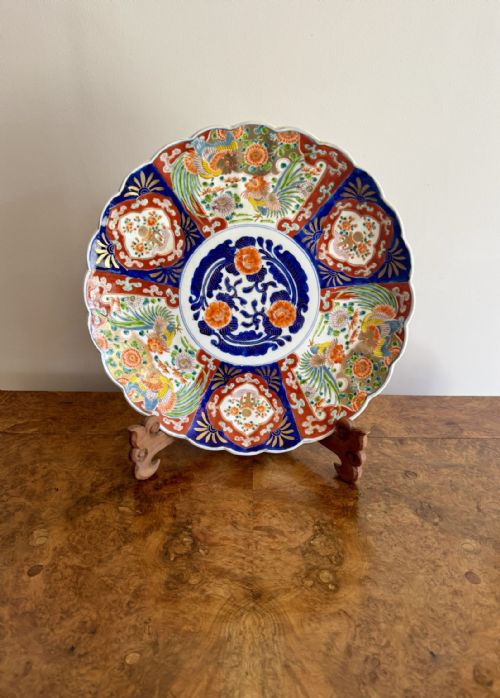
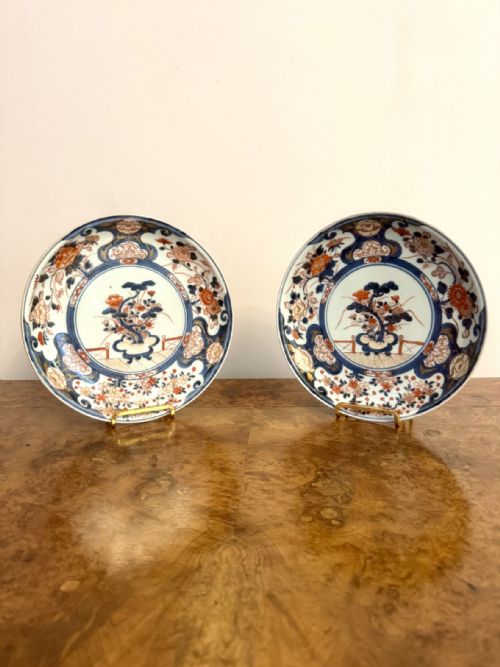
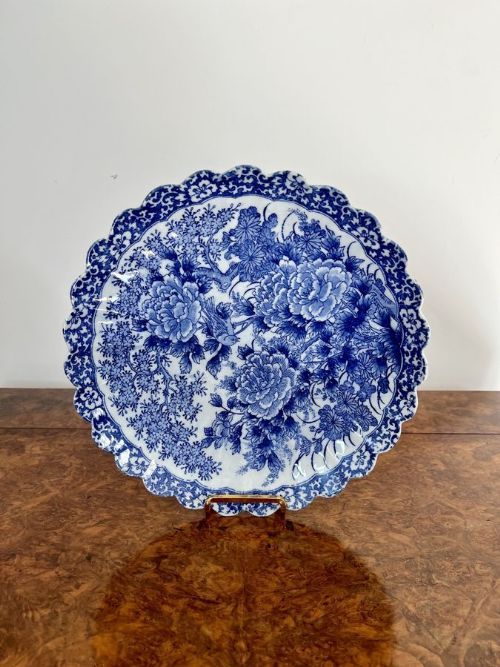
An edo style porcelain dish brings bold Japanese imari palettes and blue and white glaze into a room.
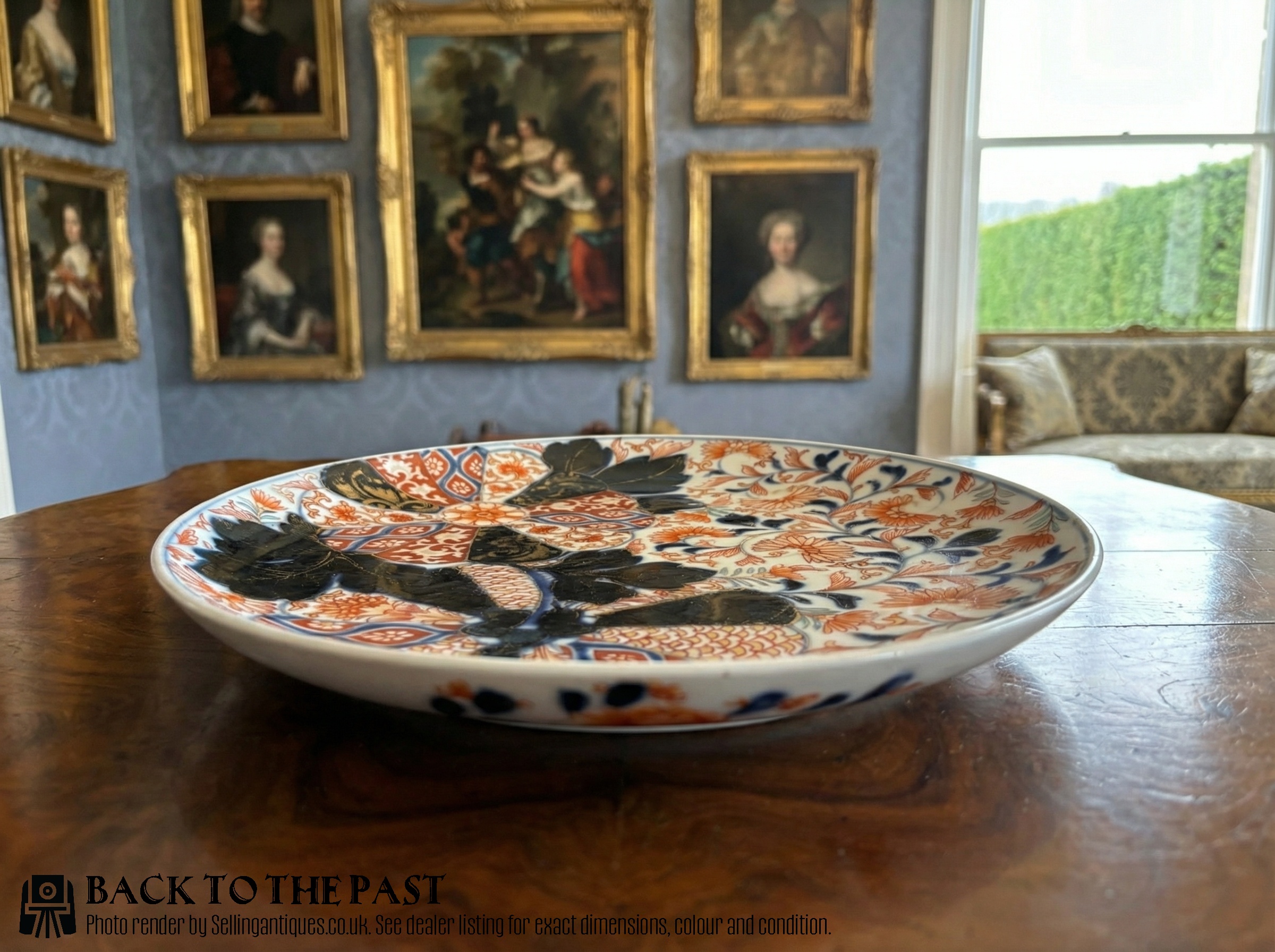
Edo Style Porcelain Dish
When you search for an edo style porcelain dish, you are looking at decorative plates, chargers, and platters spanning the seventeenth century up to the early twentieth century. The selections available on this page lean heavily toward nineteenth-century and nineteen-hundred production, reflecting the longevity of traditional Japanese manufacturing techniques.
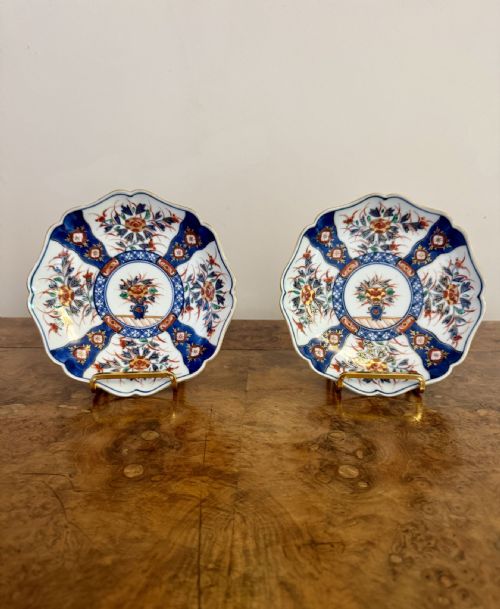
Most examples you will meet take the form of Japanese imari plates or large chargers featuring scalloped edges and unusual shapes. These items range from seventeenth-century blue and white chargers to later hand-painted nineteenth-century pieces that echo the aesthetics of the Edo period.
How they were made
These dishes are built from porcelain and finished with a combination of cobalt underglaze, cobalt pigment, and cobalt glaze to create deep blue linear work. Artisans then added enamel, gold leaf, and gilt highlights over the fired surface to complete the characteristic imari look.
Makers shaped these plates into round, scalloped, and unusual configurations by hand, ensuring that each decorative charger and plate carries individual variations from the manufacturing process.
Some nineteenth-century makers clearly enjoyed challenging themselves with unusual plate shapes that defied standard pottery circles.
What varies in quality
The distinction between standard and exceptional pieces rests in the crispness of the hand-painted cobalt underglaze and the precision of the enamel application. Superior examples demonstrate a careful balance of gold leaf and vibrant pigments that remain sharp across the surface.
Form also dictates standing, with unusual shapes and large chargers demanding greater skill from the potter than standard round plates. Condition plays a part, though seventeenth-century pieces naturally show more historical wear than those produced around nineteen-hundred.
The Edo Style Porcelain Dish Glossary
- Charger
- A large decorative plate intended for display rather than dining. These substantial pieces anchor a wall arrangement or sit centrally on a surface.
- Imari
- A style of Japanese porcelain featuring distinctive cobalt blue, iron red, and gilt decoration. This palette remains the defining visual trait of the category.
- Cobalt Underglaze
- Pigment applied to the ceramic body before glazing and firing, producing a permanent blue tone beneath the glassy surface. It forms the stable foundation of traditional plate decoration.
- Scalloped Edge
- A curved, undulating rim shape carved into the perimeter of a plate. This detail adds physical texture and visual movement to the object.
Edo Style Porcelain Dish: Frequently Asked Questions
How do I display an antique charger?
Large chargers work best secured with appropriate wall hangers or displayed upright on sturdy plate stands. Their generous proportions make them natural focal points in a room.
Keep them away from direct heat sources and high-traffic areas to protect the enamel and gilt surfaces from accidental impact.
Can I use these plates for food?
These antique porcelain items serve primarily as decorative plates and dishes rather than practical tableware. Age, historical glazes, and delicate gold leaf mean they suit display better.
Gentle dusting with a dry cloth keeps the surface clean without risking the painted details.
What is the difference between imari and blue and white?
Imari pieces incorporate a richer palette of iron red, enamel, and gold leaf alongside the core blue pigments. Blue and white items rely solely on cobalt tones under the glaze.
Both styles appear across different centuries, though imari dominates the later nineteenth-century manufacturing output.
How do I identify Edo period style?
Edo style porcelain displays traditional Japanese motifs, hand-painted details, and characteristic imari or blue and white colour schemes. The forms include scalloped edges and unusual geometric shapes.
Items range from seventeenth-century originals to later nineteenth-century interpretations that continue the same aesthetic tradition.